
French Polynesia is one of the most captivating destinations on Earth — a place where volcanic peaks rise from translucent lagoons, where Polynesian culture thrives in everyday life, and where each island feels like its own universe. Spread across a vast stretch of the South Pacific, this group of islands offers everything from luxury escapes to raw, untamed adventure. If you want to see more about mainland France as well as its overseas territories, please see our post: “Ultimate France Travel Guide w/Overseas Territories.”
Contents
- 1 Planning a French Polynesia Holiday
- 2 Understanding the Islands of French Polynesia
- 3 Society Islands vs Marquesas Islands — What’s the Difference?
- 4 People of French Polynesia
- 5 Best Time to Visit French Polynesia Travel Guide
- 6 How to Get To And Around French Polynesia
- 7 Tahiti — The Gateway to French Polynesia
- 8
- 9 Bora Bora — The Iconic Lagoon Paradise
- 10 Moorea — The Adventure Island
- 11 The Marquesas Islands — Wild, Remote, and Culturally Rich
- 12 Food & Polynesian Culture
- 13 Outdoor Activities & Natural Attractions
- 14 Lagoon Wonders — The Heart of French Polynesia
- 15 Visit All Our CouplesTravel Posts:
- 16 Final Thoughts — Why French Polynesia Belongs on Your Bucket List
Planning a French Polynesia Holiday
Whether you’re dreaming of Bora Bora’s iconic overwater bungalows, Moorea’s dramatic ridgelines, or the remote wilderness of the Marquesas Islands, this guide is your complete resource for planning a French Polynesia holiday. The picture below is from the Blue Lagoon Fakarava.
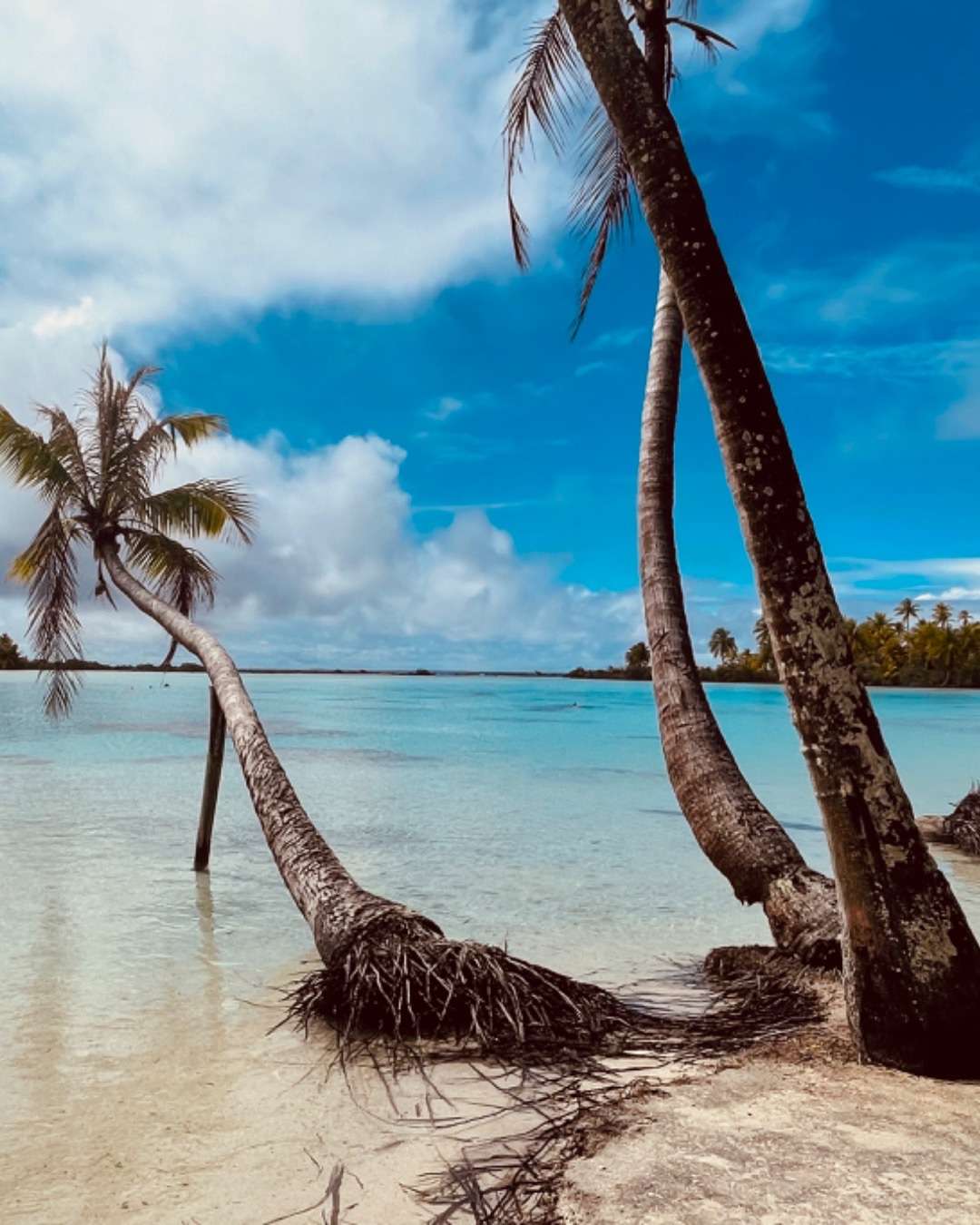
Below, you’ll find everything you need to know — the best time to visit, how to get around, what to eat, where to stay, and how the different island groups compare. Consider this blog and the linked posts your final destination for planning your French Polynesia trip.
Understanding the Islands of French Polynesia
French Polynesia is a volcanic island chain shaped by eruptions, erosion, and coral growth. The result is a landscape of:
- Blue lagoons
- Translucent lagoon water
- Towering peaks
- Black sand beaches
- Coral reefs
- Deep valleys
- Waterfalls
- Ancient cultural sites
The islands are spread across an area roughly the size of Western Europe, making each region feel distinct and self-contained.
Geological Formation of French Polynesia
As we toured the islands, we learned a lot about the geological formation of volcanic islands. The French Polynesia volcanic Islands are older than their counterparts in Hawaii and other places in the Pacific, and as a result after millions of years have shrunk into the ocean. This has created beautiful reefs surrounding the islands which further results in well protected lagoons. This is great for diving and snorkeling. Some of the islands have become atolls with only parts of the former volcano still visible.
French Polynesia is made up of 118 islands spread across five major archipelagos:
- Society Islands
- Marquesas Islands
- Tuamotu Archipelago
- Gambier Islands
- Austral Islands
Following in a chart of the more highly visited Islands grouped by archipelago. The ones that Cos and Robin have visited are highlighted in Blue. Additional Islands which they plan to visit in 2028 are highlighted in green.
| Archipelago | Sub‑Group | Included Islands | Notes |
|---|---|---|---|
| Society Islands | Windward Islands | Tahiti, Moorea, Tetiaroa, Maiao | Main entry point; most flights arrive here |
| Society Islands | Leeward Islands | Raiatea, Huahine, Bora Bora, Taha’a, Maupiti | Cultural heart; quiet, traditional, lagoon‑rich |
| Tuamotu Islands | — | Rangiroa, Fakarava, Tikehau, Ahe | Coral atolls; world‑class diving |
| Marquesas Islands | — | Nuku Hiva, Hiva Oa, Ua Pou, Ua Huka | Rugged, remote, dramatic landscapes |
| Gambier Islands | — | Mangareva, Taravai, Akamaru | Cooler climate; deeply traditional |
| Austral Islands | — | Rurutu, Tubuai, Raivavae | Southern, quiet, off‑the‑beaten‑path |
Here is a map of the archipelagos:
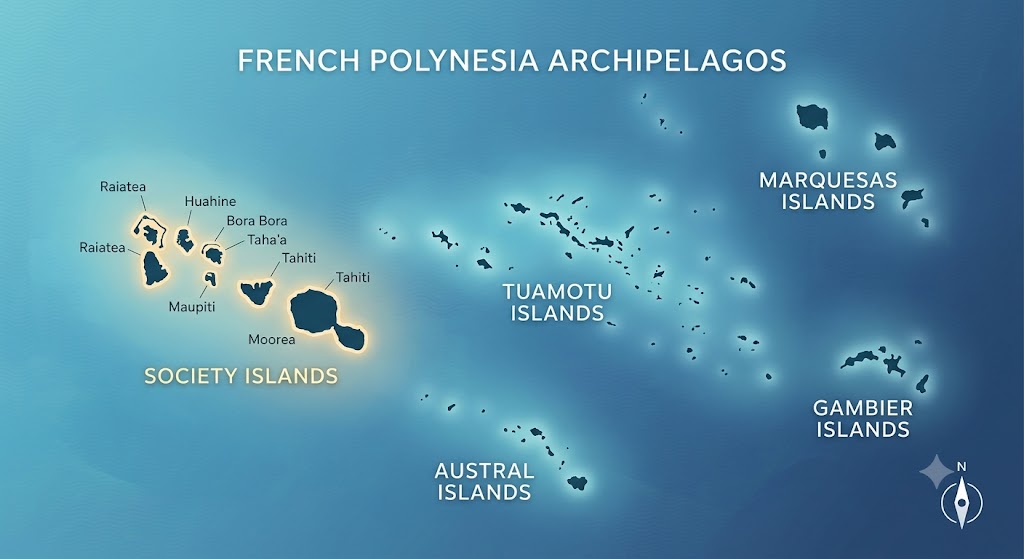
Most international visitors explore the Society Islands — home to the largest island, Tahiti, and the capital city of Papeete. But the country’s magic lies in its diversity: small islands, smaller islands, volcanic giants, coral atolls, and remote wilderness.
Society Islands vs Marquesas Islands — What’s the Difference?
One of the most important things to understand is that French Polynesia is not one uniform destination. The Society Islands and the Marquesas Islands offer completely different experiences.
Society Islands (Tahiti, Moorea, Bora Bora, Raiatea, Huahine)
The first three are the islands most travelers picture when they think of French Polynesia. Raiatea and Huahine aren’t as popular as the “Big 3,” but we enjoyed them even more.
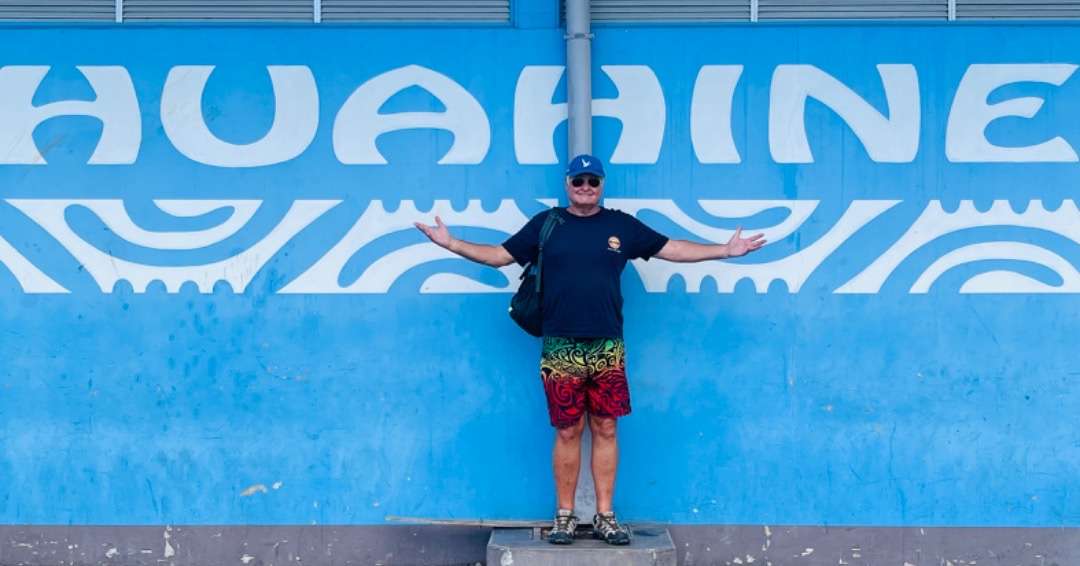
What defines the Society Islands?
- Calm, shallow blue lagoons
- Coral reefs protecting the coastline
- Overwater bungalows
- Luxury resorts like Le Bora Bora
- Iconic viewpoints like Magic Mountain
- Easy access via domestic flights and ferries
- World-class snorkeling and scuba diving
- Whale watching (Moorea is a top spot)
- Strong tourism infrastructure
- Plenty of tour operators
Best for:
- Honeymooners
- Families
- First-time visitors
- Lagoon lovers
- Relaxation and luxury
- Boat tours and water activities
Marquesas Islands (Nuku Hiva, Hiva Oa)
The Marquesas Islands are wild, remote, and culturally rich — a world apart from the Society Islands.
What defines the Marquesas?
- No protective reef → no calm lagoons
- Deep ocean right off the coast
- Towering volcanic cliffs
- Dramatic valleys and ridgelines
- Powerful waves and rugged coastlines
- Ancient archaeological sites
- Tattooing, carving, and traditional arts
- Home to UNESCO World Heritage Site candidates
- Limited tourism infrastructure
- Accessible mainly by long-haul flights or cruise ship
Best for:
- Adventurers
- Culture seekers
- Photographers
- Hikers
- Travelers wanting solitude
- Those seeking the “old Polynesia”
Key Differences at a Glance
| Feature | Society Islands | Marquesas Islands |
|---|---|---|
| Landscape | Lagoons, reefs, beaches | Cliffs, valleys, volcanic ridges |
| Water | Calm, shallow, turquoise | Deep, powerful, open ocean |
| Culture | Tourism-friendly | Raw, preserved, traditional |
| Access | Easy | Remote |
| Activities | Snorkeling, diving, lagoon tours | Hiking, archaeology, culture |
| Vibe | Relaxed luxury | Wild adventure |
People of French Polynesia
Much like Hawaii, the people of French Polynesia are friendly, and they love to shop, play music and dance.


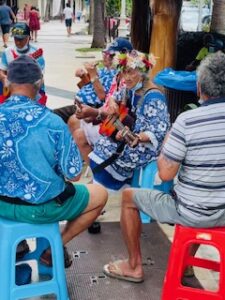


The indigenous people of French Polynesia are a distinct ethnic group with their own culture, language and beliefs. The traditional Polynesian lifestyle is based on fishing, gathering and agriculture. They were gifted navigators, using the stars, the sun and observing birds, ocean swells and wind patterns with remarkable results. In addition, they are also known for their unique art forms such as tattooing, wood carving and basket weaving. We visited several marae which are being reassembled and restored. (A marae is a sacred site that was used as a place of worship and ceremony.) Recently, public schools have incorporated lessons on Polynesian language and culture along with standard curriculum. For more information about Indigenous People, in general, and what we have learned about the “missionary–Indigenous relationships, please see our post on “Exploring First Peoples: A Global Learning Journey.”
French Colonial Rule
One fact that we have found very interesting as we travel around the world is the way the former French colonies have stayed married to and are dependent on “la mère patrie” (the motherland). This is true in The Caribbean (see DIY Travel in The Caribbean) and in French Polynesia. This gives those former colonies a much more developed feeling and enhanced social safety net than the former British and Spanish Islands. This also makes Tahiti and the other islands a great place to visit. We toured the islands on a Windstar cruise ship, the Star Breeze. As a smaller ship, we were able to visit many of the islands with smaller ports. Another cruise line that travels around the islands is Paul Gauguin, named after the famous French painter who left his mark on the islands. For more cruise information, see our post on DIY Cruise Travel.
Best Time to Visit French Polynesia Travel Guide
French Polynesia enjoys a tropical climate moderated by the trade winds, making it warm year-round.

Across French Polynesia, temperatures typically stay between:
- 72°F to 88°F throughout the year
But the best time depends on what you want to do. Below are the highlights of when to go, but for more details see out post: Best Time to Visit French Polynesia.
Dry Season (May–October) — High Season
This is the most popular time for a French Polynesia holiday.
Expect:
- Pleasant temperatures
- Low humidity
- Calm seas
- Clear skies
- Ideal conditions for snorkeling, diving, hiking
This is the high season, so expect more visitors and higher prices.
Wet Season (November–April) or the Summer Months in the Southern Hemisphere
The summer months bring long days, vibrant festivals, and warm seas — perfect for water activities. However, since this is the wet season, it also brings warmer temperatures and occasional afternoon showers.
Expect:
- Lush landscapes
- Fewer tourists
- Lower prices
- Warm ocean temperatures
It’s still a great time to visit — especially for budget travelers.
Whale Season (July–November)
French Polynesia is one of the best places in the world to see humpback whales and sperm whales.
Moorea is the top spot for whale encounters, thanks to its deep channels and nutrient-rich waters.

How to Get To And Around French Polynesia
All international flights to French Polynesia arrive at Faa’a International Airport (PPT) in Tahiti — the only international gateway in the country.
International Airlines Serving French Polynesia (Tahiti – PPT)
North America
- Air Tahiti Nui — Los Angeles (LAX), Seattle (SEA)
- Air France — Los Angeles (LAX)
- United Airlines — San Francisco (SFO)
- Alaska Airlines — Los Angeles (LAX)
- French Bee — San Francisco (SFO)
Oceania
- Air New Zealand — Auckland (AKL)
- Air Rarotonga — Rarotonga (RAR), Cook Islands
Asia
- Japan Airlines (via codeshare with Air Tahiti Nui) — Tokyo (NRT) Note: The longest direct flight to Tahiti departs from Tokyo Narita.
Pacific Islands
- Aircalin — Nouméa (NOU), New Caledonia
Transportation Around French Polynesia
Transportation varies depending on which islands you visit.
Cruise Ship
Some travelers explore French Polynesia via cruise ship, which offers access to multiple islands in one trip.
Cos and Robin found that the most economical way to explore multiple islands is to take a cruise. They took a cruise with Windstar when they visited in 2021 and they plan to visit with Windstar again in 2028.

Other cruise lines, like Silversea, will occasionally make visits to the Islands, however because of the reefs which surround most of the larger islands the bigger cruise ships cannot reach the ports, thus limiting access to only smaller ships. One cruise line, Paul Gauguin, travels extensively among the islands.

For more information about cruise ship sizes, please see on our post: Cruise Ship Size Comparisons.
Domestic Flights
Air Tahiti and Air Moana connect from Tahiti to 46+ smaller different islands (Bora Bora, Moorea, Raiatea, etc.). Flights are the fastest way to travel between archipelagos, however Air Tahiti enjoyed a monopoly for many years which unfortunately makes the flights rather expensive. Air Moana is a new budget airline and normally offers a lower price.
Ferries
Ferries run frequently between Tahiti and the island of Moorea, making it easy to explore both. Cos and Robin, spent five days in Moorea in 2019, and took the ferry between the islands which was very convenient.

If you plan to visit Moorea, the best way to get there is to take the ferry. You can purchase your roundtrip tickets here. Start your journey of a lifetime to Moorea by hopping on this unique ferry! Affordable, easy to book, paperless tickets, 45 minutes of pure comfort, and enough time for you to charge up your laptops/phones onboard while enjoying a top-quality catering breakfast or lunch when children are busy playing in the kids lounge.
Rental Car
On larger islands like Tahiti and Moorea, renting a car is a good idea. It gives you freedom to explore:
- Scenic coastal roads
- Small villages
- Hidden beaches
- Local eateries
Public Transport
Tahiti has limited public transport, but it’s affordable and useful for short distances.
Boat Tours
Boat tours are essential for exploring:
- Lagoons
- Coral gardens
- Remote motus (small islands)
- Whale watching
- Snorkeling sites
French Polynesia simply doesn’t have app‑based transportation services. Tavis are available and reliable on Tahiti. They exist on Moorea and Bora Bora, but are less reliable. Following are descriptions of the major islands.
Tahiti — The Gateway to French Polynesia
Tahiti is the largest island and home to the capital city of Papeete.
French Polynesia Travel Guide: Highlights
- Bustling markets

- Black sand beaches
- Waterfalls

- Cultural museums
- Local food like poisson cru and fresh fish
- Easy access to major hotels – Cos and Robin have stayed at both the Intercontinental and the Hilton Hotel Tahiti. Both are great places to stay. The Hilton is more modern and a shorter walk into Papeete.

Hilton has Villas on the Water both in Moorea (Hilton Moorea Lagoon Resort and Spa) and in Bora Bora (Conrad Bora Bora Nui).
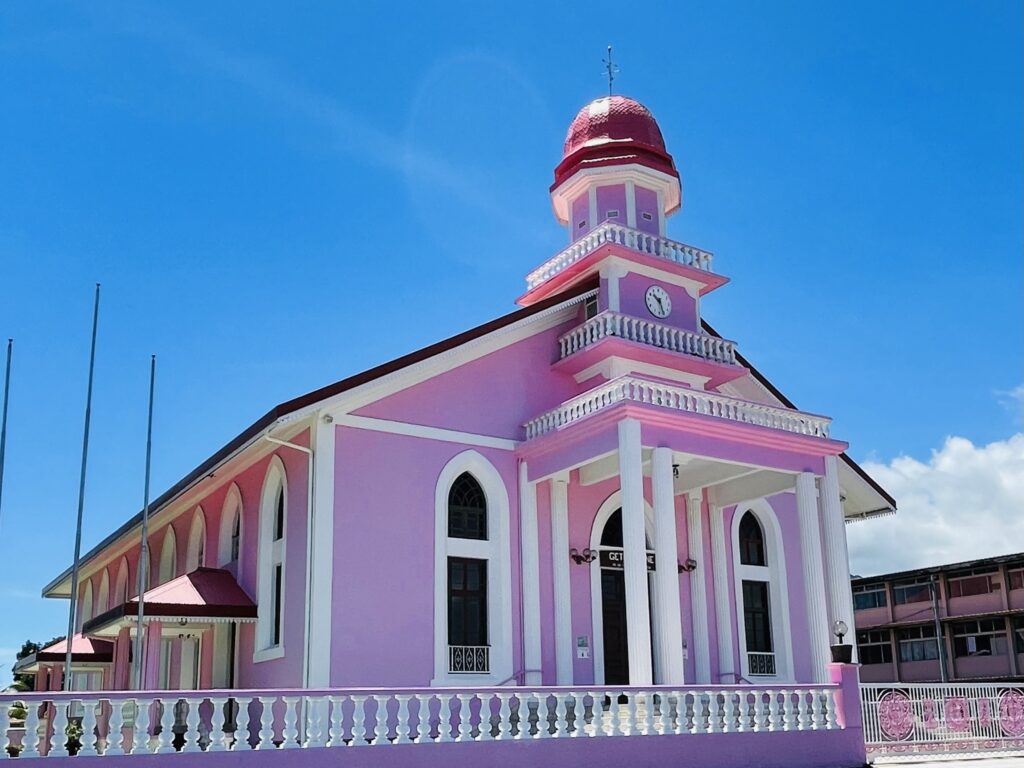
Tahiti is often overlooked, but it’s a great place to start your journey. The history of the islands is very noticeable The story of the “Mutiny of the Bounty” and the impact of the Catholic Church is very evident as seen by these two following pictures.

Bora Bora — The Iconic Lagoon Paradise
Bora Bora is famous for its blue lagoons, luxury resorts, and romantic atmosphere.
Highlights:
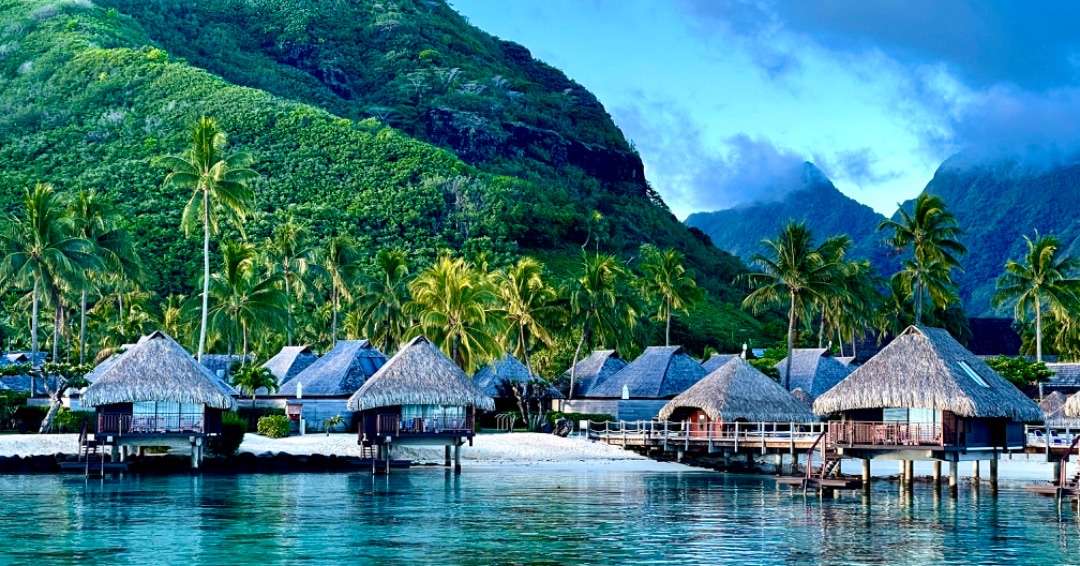
- Overwater bungalows at Le Bora Bora.
- Lagoon excursions
- Sunset cruises
- World-class scuba diving
- Private island experiences
Bora Bora is ideal for honeymooners and luxury seekers.
Moorea — The Adventure Island
The island of Moorea is known for its dramatic peaks, lush valleys, and translucent lagoon.

French Polynesia Travel Guide: Top Things to Do:
- Snorkel with sharks and rays
- Explore pineapple plantations
- Visit small villages
- Take a scenic boat tour
- Overwater bungalows – not as expensive as on Bora Bora. We stayed at the Hilton Resort. For a detailed comparison of the over water villas on the two islands, please see our Logistics & budget Post.
Hilton has Villas on the Water both in Moorea (Hilton Moorea Lagoon Resort and Spa) and in Bora Bora (Conrad Bora Bora Nui).
- Hike Magic Mountain for the best views
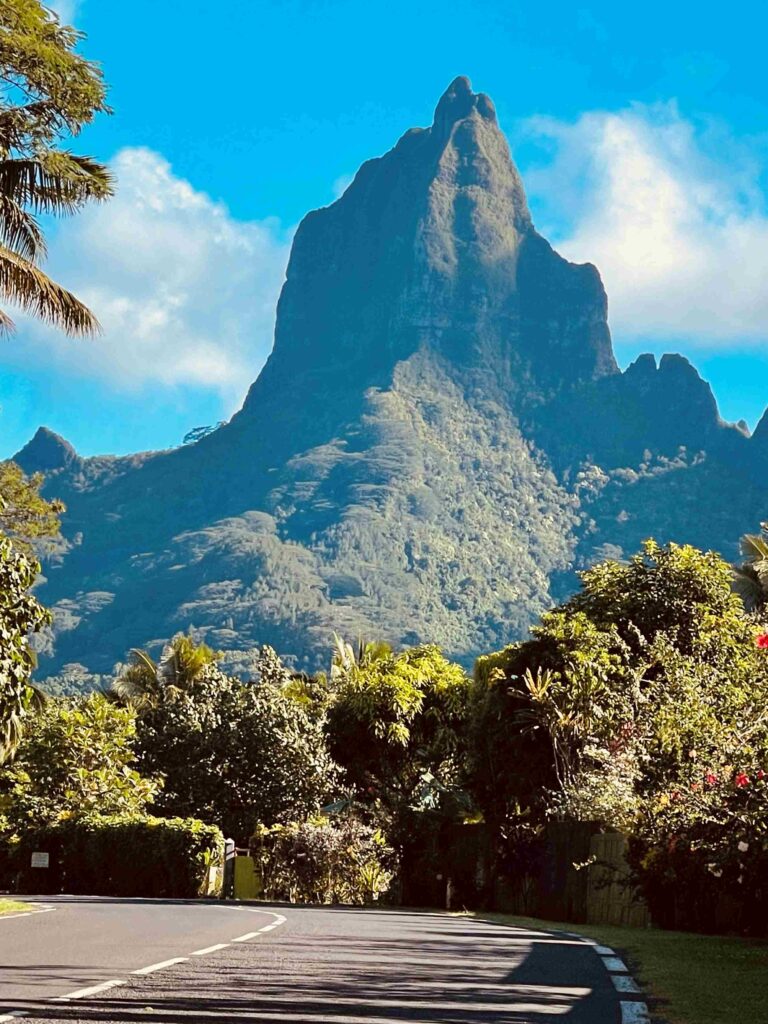
Moorea is perfect for travelers who want both adventure and relaxation.
The Marquesas Islands — Wild, Remote, and Culturally Rich
The Marquesas Islands offer a completely different experience from the Society Islands.
Highlights:
- Nuku Hiva’s volcanic cliffs
- Hiva Oa’s archaeological sites
- Deep valleys and rugged coastlines
- Powerful ocean waves
- Traditional tattooing and carving
- Remote wilderness
- Cultural immersion
The Marquesas are perfect for travelers seeking adventure, authenticity, and solitude.
Food & Polynesian Culture
French Polynesia’s culture is warm, welcoming, and deeply rooted in tradition.
Must-Try Foods:
- Poisson cru (raw fish in coconut milk)
- Fresh tuna
- Tropical fruits
- Island-style hot dog
- Fresh fish grilled over open flame
Cultural Highlights:
- Dance performances
- Tattoo art
- Music
- Handicrafts
- Local festivals
Outdoor Activities & Natural Attractions
French Polynesia is an outdoor lover’s paradise.
Top Activities:
- Snorkeling
- Diving
- Whale watching
- Kayaking
- Paddleboarding
- Hiking
- Lagoon tours
Natural Attractions:
- Waterfalls

- Coral reefs
- Volcanic peaks
- Black sand beaches
- Natural pools
Lagoon Wonders — The Heart of French Polynesia
The lagoons of French Polynesia are among the most beautiful in the world.
Top Lagoon Destinations:
- Bora Bora
- Moorea
- Tahaa
- Rangiroa
These lagoons offer crystal-clear water, coral gardens, and abundant marine life.
Visit All Our CouplesTravel Posts:
We have grouped all our Couples Travel Romantic Posts under our Couples Travel Hub Post, and our Couples Travel Category page. Check them out by clicking on the titles. Eleven other romantic Couples Travel Posts are listed below. Click on their titles as well to go to their pages:
-
- The Ultimate Couples Guide for An Unforgettable Travel Experience
- 15 Most Romantic Road Trips For Couples [2026]
- 100+ Most Romantic Destinations in the World [2026]
- Romantic Things to Do in Key West Florida for Couples
- The 10 Best Things to Do in Miami Florida for Couples
- Ultimate Things to Do in Hawaii for Couples [2026]
- Things to Do in Las Vegas for Couples [2026]
- French Travel Guide: The Best Time to Visit Paris
- Romantic Greek Getaways: Top Places for Couples
- Ten Best Romantic Restaurants in San Jose del Cabo
- Romantic Destinations for the Best Couples Golf Trips
Final Thoughts — Why French Polynesia Belongs on Your Bucket List
French Polynesia is a travel destination that blends luxury with authenticity, adventure with relaxation, and culture with nature. Whether you’re exploring hidden gems, swimming with whales, hiking volcanic peaks, or relaxing in overwater bungalows, this island paradise offers a great experience for every traveler. Unfortunately, French Polynesia can be expensive. In order to control the travel costs, and manage your travel budget, please visit our post: “French Polynesia Budget & Logistics.”
From the calm lagoons of Bora Bora to the wild cliffs of Nuku Hiva, French Polynesia is a place where every moment feels extraordinary. If you need help deciding what to pack for French Polynesia, please see our post: What to Pack for Bora Bora, French Polynesia.
Your French Polynesia holiday starts here — and the journey ahead will be unforgettable.
0 Comments