
French Polynesia is one of the most breathtaking destinations in the South Pacific, a place where turquoise lagoons, volcanic peaks, coral gardens, and warm Polynesian hospitality come together in perfect harmony. But choosing the best time to visit can dramatically shape your experience. Weather, wildlife, water conditions, prices, and crowds all shift throughout the year — and understanding these patterns will help you plan the perfect trip.
French Polynesia is one of our favorite places we have visited. It reminded us of what Hawaii must have been like a hundred years ago. During our 2021 cruise, we traveled mostly in the Society Islands. While we enjoyed visiting Bora Bora and Tahiti, the two better-known islands, we found Moorea, Huahine, and Raiatea to be very pleasant. We also visited Rangiroa and Fakarava in the Tuamoto Archipelago which were little more than atolls, but also very interesting. For more general inforamtion about French Polynesia, please see our post "Ultimate French Polynesia Travel Guide."
While it is not the easiest place to get to, we highly recommend it, as it is a place you will never forget, any time of year. But is there a best time?
Contents
- 1 Choosing The Best Time to Visit French Polynesia
- 2 Understanding Tahiti’s Tropical Climate
- 3 🌤️ Dry Season (May–October): The Best Season for Most Travelers
- 4 🌧️ Rainy Season (November–April): Warm Temperatures & Fewer Tourists
- 5 🌺 Shoulder Months: April & May — The Hidden Sweet Spot
- 6 🏝️ Best Time to Visit Bora Bora
- 7 🐋 Best Time for Whale Watching & Marine Life
- 8 🏝️ Best Time by Archipelago
- 9 🌦️ Weather Patterns to Expect
- 10 💰 Best Time for Lower Prices
- 11 🧭 Best Time for Outdoor Activities
- 12 🧳 Travel Tips for Any Time of Year
- 13 🎯 Final Verdict: The Best Time to Visit French Polynesia
- 14 Conclusion
Choosing The Best Time to Visit French Polynesia
Choosing the best time to visit French Polynesia is one of the most important decisions you’ll make when planning a trip to the Islands of Tahiti, whether your dream is snorkeling in turquoise lagoons, relaxing under sunny skies, or watching humpback whales breach offshore. Because French Polynesia sits deep in the South Pacific, its distinct seasons—the dry season and the rainy season—shape everything from weather conditions to water temperatures, crowd levels, and even the cost of your stay.
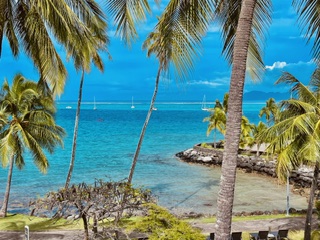
This guide breaks down the main seasons, the peak months, and the best experiences by time of year, helping you choose the perfect time for your adventure across the Society Islands, Tuamotu Islands, Marquesas Islands, and Gambier Islands.
Understanding Tahiti’s Tropical Climate
French Polynesia enjoys a warm climate year‑round, with average annual temperatures hovering between 72°F and 88°F. Thanks to consistent trade winds, the islands rarely feel unbearably hot, though humidity levels rise significantly during the wet season.
The region experiences two primary seasons:
-
Dry Season (May–October)
-
Rainy Season (November–April)
Both offer unique advantages depending on what you want from your trip—fewer crowds, lower prices, sunny weather, or the most popular time for outdoor activities.
🌤️ Dry Season (May–October): The Best Season for Most Travelers
The dry season is widely considered the best time to visit French Polynesia. These months bring clear skies, sunny days, lower humidity, and less rainfall, creating perfect conditions for beach lovers, divers, and honeymooners.
Weather & Conditions
-
Air temperatures: 75–83°F
-
Water temperatures: 78–81°F
-
Humidity: Low
-
Rain showers: Minimal, usually short tropical showers
This is the southern winter, but don’t let the word “winter” fool you—temperatures remain pleasant and warm, ideal for exploring coral reefs, hiking lush valleys, or relaxing on Bora Bora’s iconic beaches.
Why Travelers Love the Dry Season
-
Good weather nearly every day
-
Calm seas for lagoon excursions
-
Excellent visibility for diving and snorkeling
-
Peak season for weddings, honeymoons, and luxury travel
-
Whale watching begins in July
-
Outdoor activities are at their best
Peak Months
June, July, August, and September are the peak tourist season. Expect:
-
Higher prices
-
More visitors
-
Resorts booking out months in advance
Still, these months offer the best weather conditions of the year—especially in Bora Bora, where the lagoon glows in shades of electric blue.
🌧️ Rainy Season (November–April): Warm Temperatures & Fewer Tourists
The rainy season—also called the wet season—brings high humidity, higher temperatures, and more frequent rain showers. But it’s not a “bad time” to visit. In fact, many travelers prefer these months for their lower prices, fewer tourists, and lush tropical scenery.

Weather & Conditions
-
Air temperatures: 80–88°F
-
Water temperatures: 82–84°F
-
Humidity: High
-
Rainiest months: December and January
Rain typically comes in short tropical showers, often followed by sunshine. The islands feel vibrant and alive, with waterfalls flowing and vegetation at its peak.
Why Travelers Choose the Rainy Season
-
Lower prices on flights and hotels
-
Fewer crowds at beaches and attractions
-
Warm temperatures ideal for swimming
-
Great time for cultural experiences
-
Good idea for last‑minute travel
If you’re flexible and don’t mind occasional rain, this season can be a perfect time to explore the Islands of Tahiti without the peak‑season rush.
🌺 Shoulder Months: April & May — The Hidden Sweet Spot
The shoulder months of April and May are often overlooked, but they may be the best month (or two) to visit French Polynesia.
Why April & May Are Ideal
-
Fine weather with fewer storms
-
Lower humidity than the rainy season
-
Lower prices than the dry season
-
Fewer tourists
-
Pleasant temperatures in both air and water
These months blend the advantages of both seasons, offering a good time for travelers who want reliable weather without peak‑season crowds.
🏝️ Best Time to Visit Bora Bora
Bora Bora is the crown jewel of French Polynesia, famous for its turquoise lagoons, manta rays, and luxurious overwater bungalows.

Best Time for Bora Bora
-
May–October (Dry Season): The best season for lagoon clarity, sunshine, and outdoor adventures.
Most Popular Time
-
June–August: The island’s peak months, ideal for honeymoons and romantic escapes.
Best Time for Lower Prices
-
November, March, April: These months offer lower prices, fewer tourists, and still‑pleasant weather.
Best Time for Snorkeling & Diving
-
Year‑round, but visibility peaks in the dry season.
🐋 Best Time for Whale Watching & Marine Life
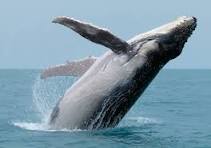
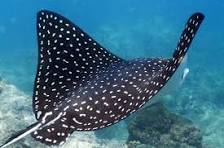
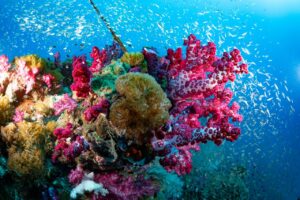
French Polynesia is one of the world’s best places to see humpback whales, manta rays, and vibrant coral reefs.
Humpback Whales
-
July–November Whales migrate through the South Pacific, especially near Moorea and Tahiti.
Manta Rays
-
Year‑round, especially in Bora Bora and Rangiroa.
Sharks & Coral Reefs
-
Year‑round, with peak visibility in the dry season.

If you are looking for excursion tours while you are on the Islands in French Polynesia, check out this list of over thirty different tours including whale watching, lagoon tours (swimming, snorkeling and diving), waterfalls and other scenic adventures.
🏝️ Best Time by Archipelago
French Polynesia spans five major archipelagos, each with unique weather patterns.
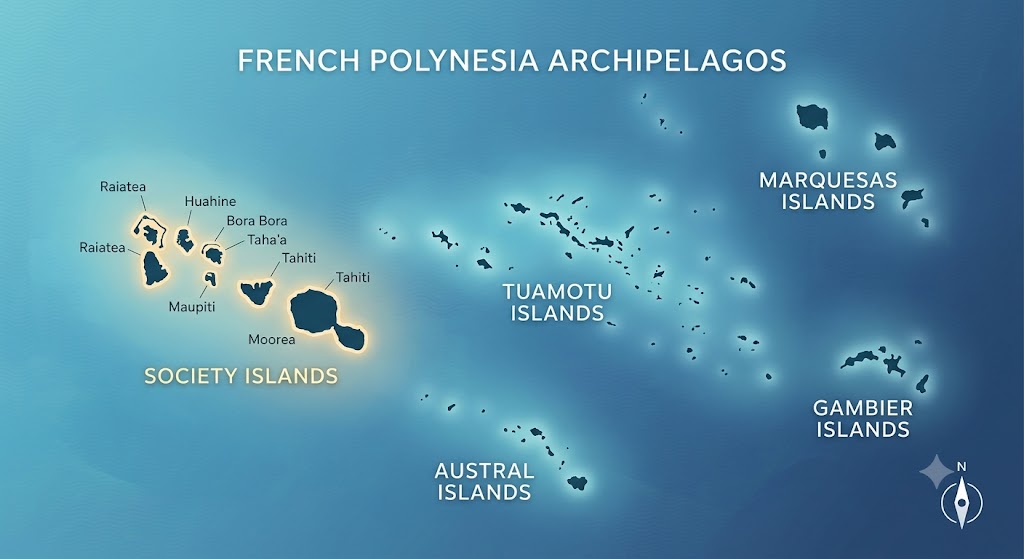
Society Islands (Tahiti, Moorea, Bora Bora)
-
Best time: May–October
-
Most popular time: June–August
-
Good weather and sunny days dominate.
Tuamotu Islands (Rangiroa, Fakarava, Tikehau)
-
Known for world‑class diving and Tuamotu atolls.
-
Best time: May–October
-
Calm seas and excellent visibility.
Marquesas Islands
-
Located farther north with a warm climate year‑round.
-
Less rainfall than the Society Islands.
-
Best time: April–November.
Gambier Islands
-
Cooler due to southern latitude.
-
Best time: March–November
-
Pleasant temperatures and fewer storms.
🌦️ Weather Patterns to Expect
Dry Season Weather
-
Clear skies
-
Sunny weather
-
Low humidity
-
Occasional tropical showers
-
Perfect conditions for beach days
Rainy Season Weather
-
High temperatures
-
High humidity
-
Rainiest months in December & January
-
Short tropical showers
-
Warm water temperatures
Even during the wettest months, storms rarely last all day. Most mornings begin with sunshine, followed by brief afternoon rain.
💰 Best Time for Lower Prices
If budget matters, consider: March, April, and November.
These months offer:
-
Lower prices
-
Fewer tourists
-
Good weather
-
Warm temperatures
Hotels in Bora Bora and Moorea often drop rates by 20–40% outside the peak season. We prefer staying at the Hilton Hotels. There are Hilton Hotels on Tahiti and Moorea, and a Conrad Hilton on Bora Bora. click below to check them out:

Hilton has Villas on the Water both in Moorea (Hilton Moorea Lagoon Resort and Spa) and in Bora Bora (Conrad Bora Bora Nui).
🧭 Best Time for Outdoor Activities
Hiking
-
May–October Cooler temperatures and less rainfall.
Diving & Snorkeling
-
Year‑round, but best visibility in the dry season.
Lagoon Excursions
-
Dry season for calm seas and sunny days.
Cultural Festivals
-
July: Heiva i Tahiti
-
October: Hawaiki Nui Va’a canoe race
🧳 Travel Tips for Any Time of Year
1. Hydration Matters
Use travel hydration hacks like electrolyte packets, reusable bottles, and coconut water—especially during the rainy season when humidity levels spike.
2. Essential Flight Health Tips
Long flights to the South Pacific require:
-
Compression socks
-
Hydration
-
Light stretching
-
Avoiding heavy meals
3. Book Early for Peak Season
If traveling June–August, reserve:
-
Flights
-
Overwater villas
-
Excursions at least 6–9 months ahead.
4. Expect Occasional Tropical Showers
Even in the dry season, brief rain showers can appear. They’re usually refreshing and pass quickly.
5. Bring Reef‑Safe Sunscreen
Protect the coral reefs and marine life.
🎯 Final Verdict: The Best Time to Visit French Polynesia
The best time to visit French Polynesia depends on your priorities:
For Perfect Weather:
May–October (Dry Season) Clear skies, sunny days, low humidity, and ideal conditions for every activity.
For Whale Watching:
July–November
For Lower Prices & Fewer Crowds:
March, April, November
For the Best All‑Around Experience:
April–May The ultimate blend of good weather, pleasant temperatures, lower prices, and fewer tourists.
For Warmest Water Temperatures:
November–April
Conclusion
French Polynesia is a year‑round paradise, offering sunny weather, turquoise lagoons, and unforgettable cultural experiences no matter when you visit. Whether you’re dreaming of Bora Bora, the remote Tuamotu Islands, the rugged Marquesas Islands, or the serene Gambier Islands, choosing the right time ensures you’ll enjoy the perfect conditions for your adventure.
Unfortunately, French Polynesia can be expensive. In order to control the travel costs, and manage your travel budget, please visit our post: "French Polynesia Budget & Logistics."
With its distinct seasons, warm climate, and endless opportunities for outdoor activities, French Polynesia remains one of the most magical destinations in the South Pacific—and now you know exactly when to go.
0 Comments