
If you are searching for a great place to take your next romantic getaway, then you have come to the right place. Nothing in the world we live in has as much natural beauty as the Great Barrier Reef, which protects Queensland’s Northern Coastline, features beautiful beaches, and offers the “Best Queensland Holidays.” Cos has visited this fabulous, vast area in Australia three times, beginning in the 1990’s when he was the President of a business with an office in Brisbane, and most recently in 2026, when he visited each of the three cities that serve as gateways to the Great Barrier Reef. Please enjoy our post. If you are also interested in other areas in Australia, please click here to learn about Sydney, Melbourne, Tasmania, and Adelaide.
Contents
Three Gateways to the Great Barrier Reef: Cairns, Port Douglas & Airlie Beach
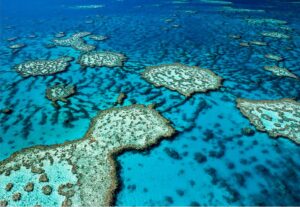
But here’s what many travelers don’t realize: how you experience the reef depends entirely on where you begin. Cairns, Port Douglas, and Airlie Beach are each a great way to reach the Great Barrier Reef. Each offers a distinct perspective—shaping everything from the quality of your time on the reef to the rhythm of your days ashore. First, a little more about the Great Barrier Reef in general, and then a discussion about the three gateways to help you decide how to plan your “Best Queensland Holiday Destinations.”
A Natural Wonder Like No Other
The Great Barrier Reef is the world’s largest coral reef system, extending over 2,300 kilometers and comprising nearly 3,000 individual reefs and 900 islands. So vast, in fact, that it can be seen from space, it has earned its place as a UNESCO World Heritage Site and one of the world’s great natural treasures.
The Reef starts in far north Queensland. If traveling from the west, this is where you enter the Torres Strait and begin to experience the Torres Strait islander cultures, which are very laid-back. The tropical islands that you pass demonstrate how fragile this ecosystem really is.
Interesting Facts About the Great Barrier Reef
Beneath the surface lies a dazzling ecosystem:
- More than 1,500 species of fish
- Around 400 types of coral
- Dolphins, whales, and six species of marine sea turtles
- Sharks and jellyfish (stingers)

Size & Scale
-
It’s the largest coral reef system in the world
-
Stretches over 2,300 km (1,400 miles) along the Queensland coast
-
Made up of ~2,900 individual reefs and 900 islands
-
So big, it can be seen from outer space
What appears at first glance to be rock or plant is actually alive. Coral is made up of tiny animals called polyps, working together in colonies over thousands of years to build the reef’s intricate structure. Their brilliant colors come from symbiotic algae, making the reef as dynamic as it is beautiful.
Fun & Unique Facts
-
Some coral formations are over 8,000 years old
-
The reef creates its own ecosystems, including tiny “reef cities.”
-
It helps protect the coastline by absorbing wave energy
Weather and Climate
The tropical north of Queensland—places like Cairns, Daintree Rainforest, and the Cape York Peninsula—is fully tropical. Meaning there are two main seasons: a wet, hot summer and a dry winter, with high humidity most of the year. This part of Australia is subject to heavy rain, storms, and sometimes cyclones.
The cities in the Southern Great Barrier Reef region, Airlie Beach, and South East Queensland have a more subtropical climate. In both cases, their pristine beaches and good weather contribute to Queensland’s reputation as the Sunshine State and the Sunshine Coast.
Global Importance
-
Listed as a UNESCO World Heritage Site since 1981
-
Considered one of the Seven Natural Wonders of the World
-
Plays a critical role in marine biodiversity and climate regulation
Yet this beauty is fragile. Rising ocean temperatures, coral bleaching, and environmental pressures have made conservation more important than ever—adding a layer of meaning to any visit.
Dangers to the Great Barrier Reef
Most reef trips from Cairns head to the outer reef via large, well-equipped vessels. These often include pontoons anchored above coral systems, where guests can snorkel, dive, or simply observe marine life from the comfort of a glass-bottom boat. The experience is organized, efficient, and welcoming to all levels.
What truly sets Cairns apart, however, lies inland: the lush rain forest.
Kuranda From Cairns
A short journey brings you to the village of Kuranda, tucked into one of the oldest rainforests on earth. It is a popular spot for tourists and locals alike.
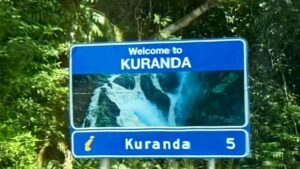
While reaching it is part of the adventure—either gliding above the canopy on the Skyrail or winding through the mountains on a historic railway, we took a bus up the mountain as part of an excursion from our cruise ship. Our Kuranda day trip took us up into the mountains and into the ancient rainforest of the Wet Tropics of Queensland, one of the oldest ecosystems on Earth. The air was thick with humidity, the canopy dense and impossibly green. Its markets and cafés offered a relaxed pause, a contrast to the intensity of the rainforest surrounding it. There, we had the choice between a photo with a koala and a visit to a butterfly sanctuary. We chose the koala bear, but the line was too long, so we settled for butterflies.
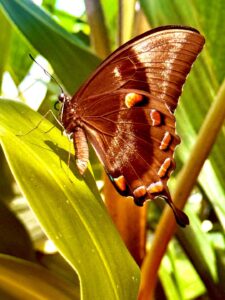
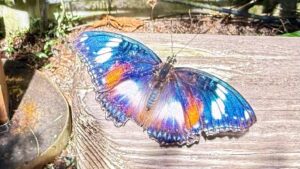
Butterfly Sanctuary
Wow! They were gorgeous! Couldn’t decide which was the most beautiful.
Next, the Rainforest Aboriginal dancers.


They were charming and afterward taught us how to throw a boomerang. Paul was great, but did something to his shoulder, and Robin was bad, and they called it a butterfly.
Army Duck Tour
However, the highlight and one of the top things to do in Kuranda was our ride on the Army Duck—part vehicle, part boat—as we rumbled through the lush rainforest before slipping into the water with ease. Along the way, we learned about the remarkable plant life, from towering trees to the more dangerous residents hidden in plain sight.
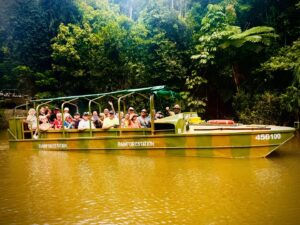
This is tropical Australia at its very best. Along the way, waterfalls spill through dense greenery, most notably Barron Falls, and the air shifts to something cooler, quieter, and deeply ancient.
“Cairns to Kuranda” offers two worlds in one: reef and rainforest, seamlessly paired. Make sure you get to the reef. Check out this Get Your Guide Tour for a great guided tour.

Embark on a thrilling snorkeling adventure to the Great Barrier Reef from Cairns. Explore two stunning locations, and enjoy a delicious packed lunch on board. Seven-Hour Cruise.
Port Douglas Great Barrier Reef
Like Cairns, we spent a day in Port Douglas, a place that feels totally focused on the Great Barrier Reef —where the lush green of the rainforest spills toward the sea, and everything moves at a slower, more intentional pace. Port Douglas is roughly an hour drive from Carnes, but what makes Port Douglas so special is its proximity to two natural wonders: the Great Barrier Reef and the ancient Daintree Rainforest. Few places in the world offer such an extraordinary pairing. Its greatest advantage is geographic: Port Douglas sits closer to the outer reef than Cairns. This means shorter travel times and often clearer water, with healthier coral systems and fewer crowds. Reef excursions here tend to be more intimate, often aboard smaller vessels with a more personal touch.
Wildlife Habitat Port Douglas
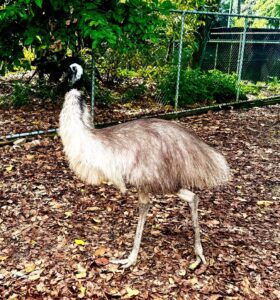
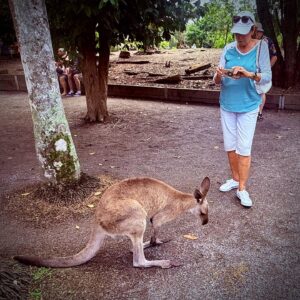
One of the highlights was our visit to Wildlife Habitat Port Douglas, where we wandered through open habitats and came face-to-face with some of Australia’s most iconic creatures. Kangaroos moved freely, brilliantly colored birds filled the air, and of course, there were crocodiles—fascinating and just a little intimidating. Robin even petted some sweet kangaroos and was followed a little too closely by an emu. These experiences reminded us of our visit to the Melbourne zoo, where the kangaroos were dead tired, and the local emu likewise followed Robin around. Actually, this time Robin followed the Kangaroo around.
Four Mile Beach
We drove by the iconic Four Mile Beach. Stretching endlessly along the Coral Sea, it’s the kind of beach that invites a long, unhurried walk—soft white sand beaches underfoot, palms swaying overhead. One of the best of all Queensland Beach Holiday spots.
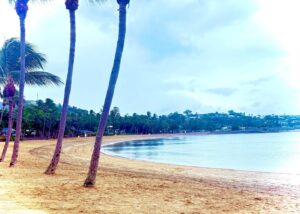
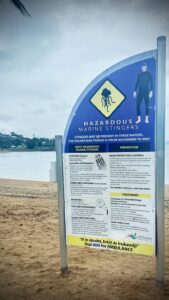
Beautiful, yes—but like much of this coastline, not really for swimming, a reminder that nature here is both stunning and untamed. Unfortunately, like all the beaches in Queensland, the ocean water is full of jellyfish, called stingers in Australia, which can literally kill you. Swimming in the Ocean is only done in protected areas.
From there, we drove through the charming heart of town along Macrossan Street, where boutiques, galleries, and open-air cafés give Port Douglas its relaxed sophistication. It’s easy to see why this once-sleepy fishing village has become such a sought-after escape.
By late afternoon, the breeze picked up, and we found ourselves once again enjoying the pool, safe from crocodiles and stingers.
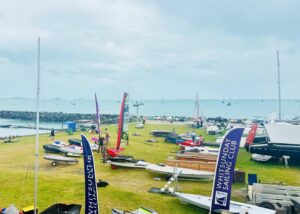
Airlie Beach, the lively gateway to the Whitsunday Islands, has grown from a quiet coastal outpost into one of Queensland’s most beloved sailing hubs. Its calm waters and steady breezes have long made it ideal for boating, drawing everyone from weekend sailors to world-class racers. Further south, Airlie Beach introduces an entirely different interpretation of the reef experience. As the gateway to the Great Barrier Reef, it is less about direct access to the outer reef and more about the journey itself. Here, the rhythm is slower, shaped by the wind and sea. Days are often spent sailing between islands, anchoring in sheltered bays, and snorkeling in clear, turquoise waters. The highlight for many is Whitehaven Beach, famous for its pure silica sand and swirling patterns visible from above.
Back at the marina, we joined our excursion and set off for a cruise around the Airlie Beach coastline. From the water, the town takes on a different charm—sailboats dotting the horizon, the Sailing Club now viewed from its natural perspective. The weather kept things interesting: bursts of rain followed by brilliant sunshine, as if the tropics couldn’t quite decide which mood to settle on.
All in all, a wonderfully relaxed and memorable afternoon—one that perfectly captures the rhythm, beauty, and easygoing spirit of the Whitsunday
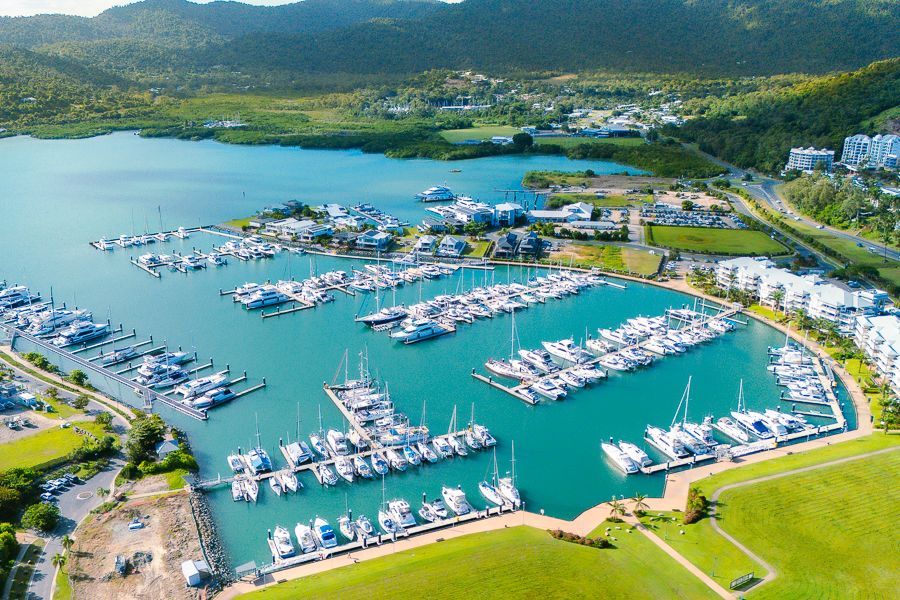
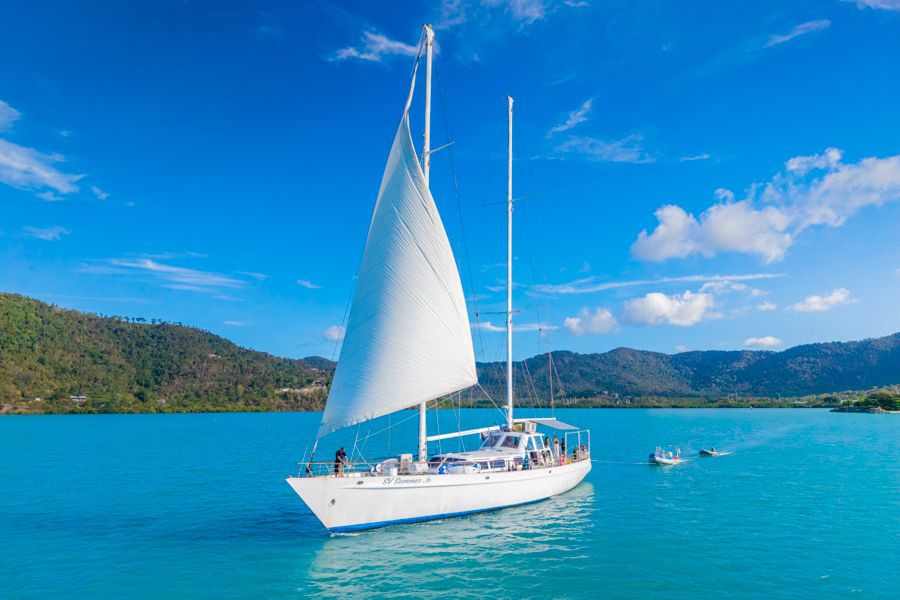
One of the most delightful experiences is a harbor and bay cruise around Airlie Beach. From the water, the town reveals a different character—marinas filled with sleek yachts, sailing schools alive with young students, and a coastline that shifts with the light. Tropical weather adds its own drama, with passing showers giving way to brilliant sunshine, often within minutes.
Airlie Beach is less structured than Cairns and less polished than Port Douglas—but that is precisely its charm. It offers a playful, scenic, and deeply atmospheric experience in which the reef is part of a broader coastal tapestry.
Which Gateway Is Best?
Each port offers something distinct, and the “best” choice depends on what you value most.
-
Best for reef quality and proximity: Port Douglas
Closer to the outer reef, with clearer water and a more intimate experience -
Best for variety and ease: Cairns
Ideal for combining reef adventures with the rainforest of Kuranda -
Best for scenery and atmosphere: Airlie Beach
Perfect for sailing, island exploration, and relaxed coastal beauty
Here is the best way to compare the three gateways:
- Cairns: a real city, although to be honest, I would not call Cairns, or any of the three gateways, vibrant cities
- Port Douglas: a small town, but an upscale resort town, with the best Queensland Beach Holidays
- Airlie Beach: a tiny town with a bigger surrounding hub, great for sailing around the Whitsunday Islands
If time allows, combining two destinations—such as Cairns and Port Douglas—creates a richer and more layered experience.
A Final Thought
The Great Barrier Reef is more than a place to visit—it is a reminder of the delicate balance of our natural world. Whether approached from the structured ease of Cairns, the refined calm of Port Douglas, or the breezy charm of Airlie Beach, each encounter offers its own perspective on this extraordinary ecosystem. Queensland is the only place where two World Heritage icons meet—reef and rainforest—right beside each other.
Specifically:
- The Great Barrier Reef (largest coral reef system on Earth)
- The Daintree Rainforest (one of the oldest tropical rainforests in the world)
Very few places globally—let alone in the Southern Hemisphere—offer that side-by-side contrast.
However, if you are also interested in other great beach and reef locations, please check out our 100+ Destinations Post.
And perhaps that is the greatest gift of the reef: no matter where you begin, you leave with a deeper appreciation for the beauty—and fragility—of the world beneath the waves.
If you want to learn more about Australia’s other great cities and places to visit, please click on our other Australia posts:
0 Comments