
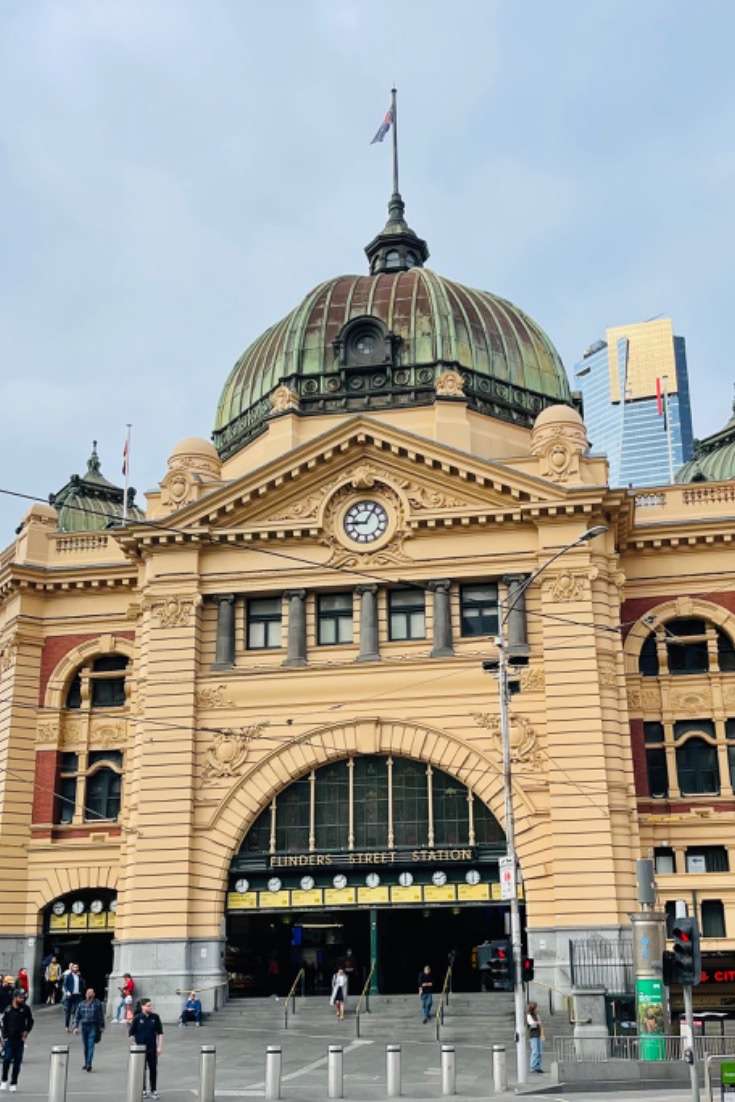
Melbourne isn’t about postcard landmarks—it’s about vibe, culture, and discovery. It’s the kind of city that reveals itself slowly, one laneway, café, and conversation at a time, starting with an arrival at the Flinders Street train station.
Contents
Why Visit the City of Melbourne
Melbourne doesn’t try to impress you—it invites you in until you realize it’s quietly become your favorite city. Compared to its rival city, Sidney, Melbourne is subtle, layered, and a bit mysterious. It doesn’t show off—you discover it gradually. While Sydney is big, bold, and instantly iconic. You arrive and know where you are—harbour, sails of the Opera House, the bridge framing everything.
So, to help convince you that you need to visit Melbourne as well as Sydney, we came up with seven good reasons to visit Melbourne. Here they are:
1. Australia’s Coffee Capital
Melbourne takes coffee seriously—arguably more seriously than anywhere else.
- Independent cafés on nearly every corner
- Baristas who treat coffee like craft
- Long, relaxed brunch culture
This is where you linger, not rush.
2. Arts, Culture & Creativity
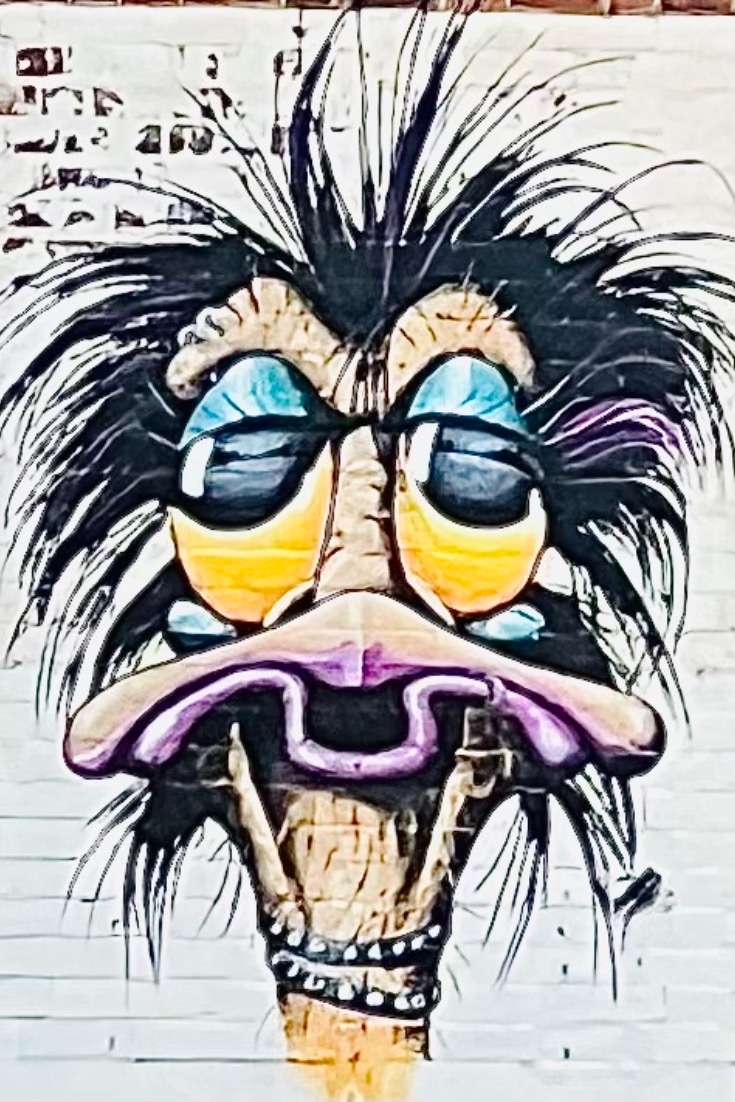
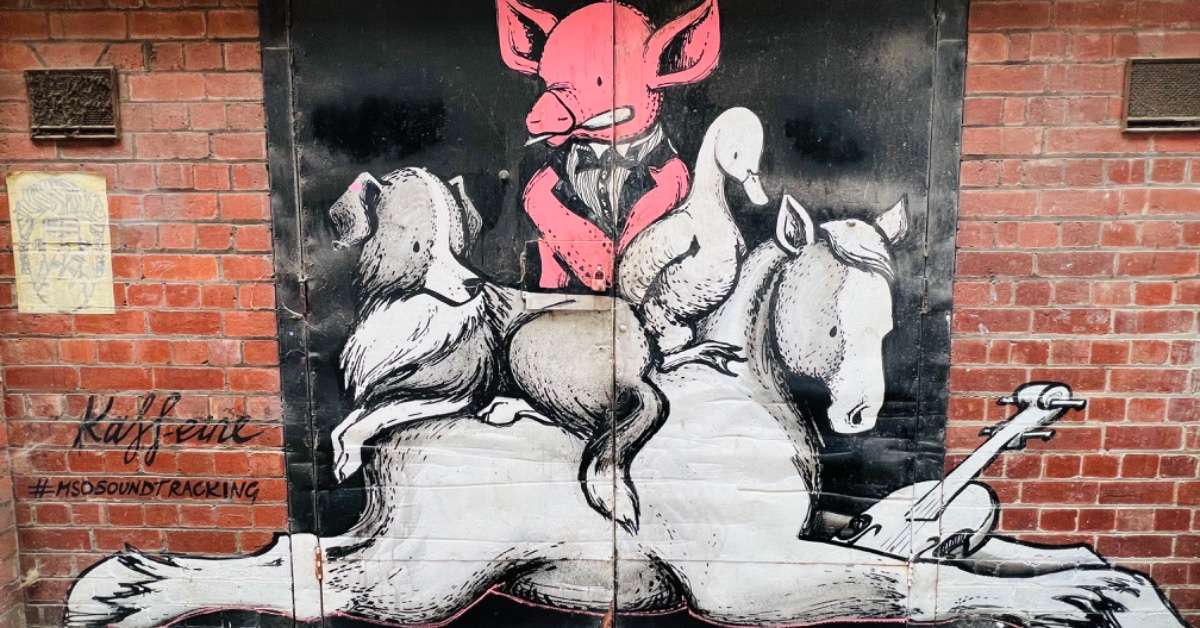
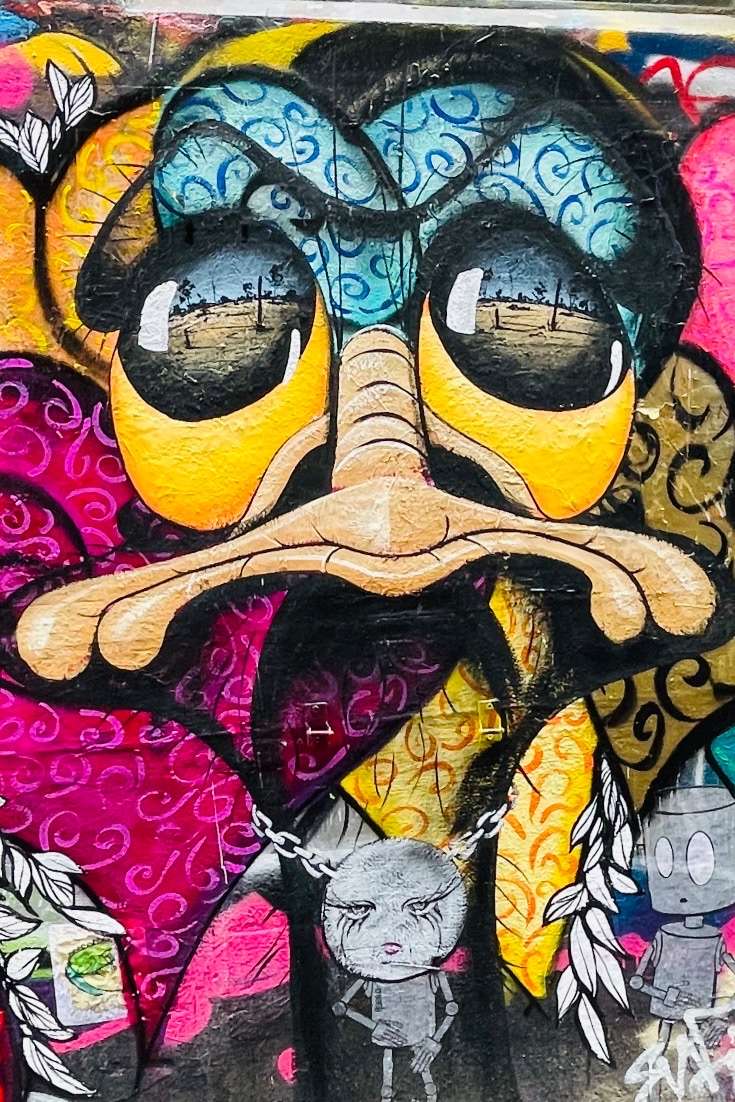
- Street art transforms alleys like Hosier Lane into open-air galleries (see below for great pictures)
- World-class museums, theatre, art galleries, and live music
- A creative energy that feels both polished and a little rebellious
Melbourne feels European in spirit, but distinctly Australian.
3. A Food Scene That Punches Above Its Weight
- Incredible mix of global cuisines—Italian, Greek, Asian, Middle Eastern
- High-end dining and casual eats both shine
- The city’s multicultural roots are reflected on every plate
You don’t just eat here—you explore.
4. Character Over Flash
Unlike Sydney’s dramatic harbor, Melbourne wins you over differently:
- Hidden laneways filled with boutiques and cafés
- Historic architecture beside modern design
- A city that feels lived-in, layered, and authentic
5. Gateway to Iconic Drives
Melbourne is the perfect base for some of Australia’s best landscapes:
- Great Ocean Road – coastal cliffs and the Twelve Apostles
- Yarra Valley – wine country and rolling hills
- Phillip Island – famous penguin parade
6. Events & Energy
- Home of the Australian Open
- Major festivals, sports, and cultural events year-round
- A city that always feels like something is happening
7. The Weather… Keeps It Interesting
Melbourne is famous for “four seasons in one day.”
It’s unpredictable—but it adds to the character.
The City's History
Melbourne, in Victoria, was founded in 1835 when settlers from Tasmania established a community along the Yarra River on lands traditionally belonging to the Kulin Nation. Named after British Prime Minister William Lamb, 2nd Viscount Melbourne, the city grew rapidly during the 1850s gold rush, transforming it into one of the wealthiest cities in the world. This boom financed the grand Victorian architecture and formal street grid that still defines Melbourne today. By the early 20th century, Melbourne served as Australia’s first federal capital until Canberra was established. It has since evolved into a unique place, as a vibrant cultural, financial, and sporting hub known for its diversity and creativity.
Cos and Robin's Visits to Melbourne
Robin and Cos visited Melbourne twice during their 2023 trip to Australia: once on their Auckland-to-Sydney cruise and again three days before they departed the country, via a short flight on Qantas. Melbourne was one of their favorite places in all of Australia, so it was a great way to spend more time there after a cruise that ended in Sydney.
Walking Tours of Melbourne Laneways
On their one-day visit, they hired a tour guide who took us on a walking tour of the Central Business District. The tour was called “Melbourne Laneways Tour,” which we booked through GetYourGuide. During the tour, not only did we get to see the Laneways, but we were also introduced to several great restaurants. It was surprising that there was such a strong influence of Italian restaurants. We loved the ones listed below in our Restaurants Paragraph.

Discover Melbourne as you explore its laneways with a local guide. View street art, stop at quirky cafés, and learn about the city's origins and historic buildings on a guided tour.
Wandering Melbourne’s Laneways & CBD
Melbourne reveals itself best on foot—especially in the maze of laneways that branch off its grand city grid. Our walk began near Federation Square, the cultural heart of the city, before crossing bustling Swanston Street into a world that feels far more intimate and distinctly Melbourne.
From there, we dipped into the famous network of lanes: the café-lined charm of Degraves Street, the ever-animated Centre Place, and the quieter but equally atmospheric Howey Place and Meyers Place. Each turn brought something new—a laneway restaurant, espresso bars tucked into brick corners, street art splashed across walls, and tiny boutiques that reward curiosity.
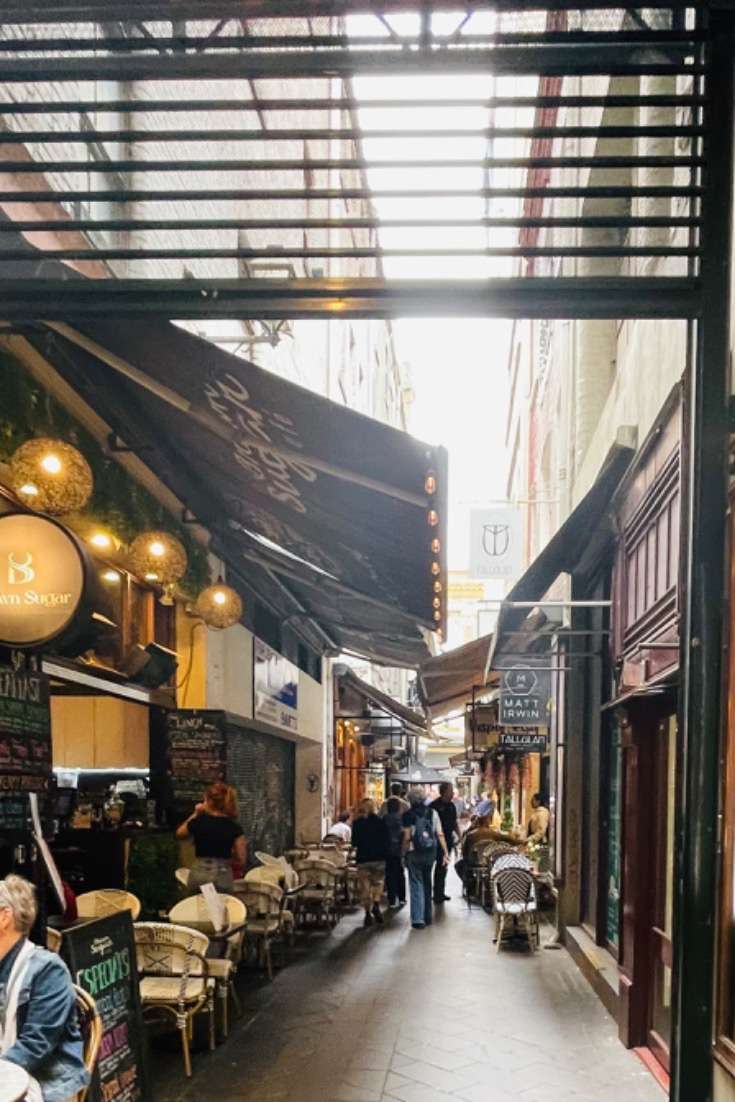
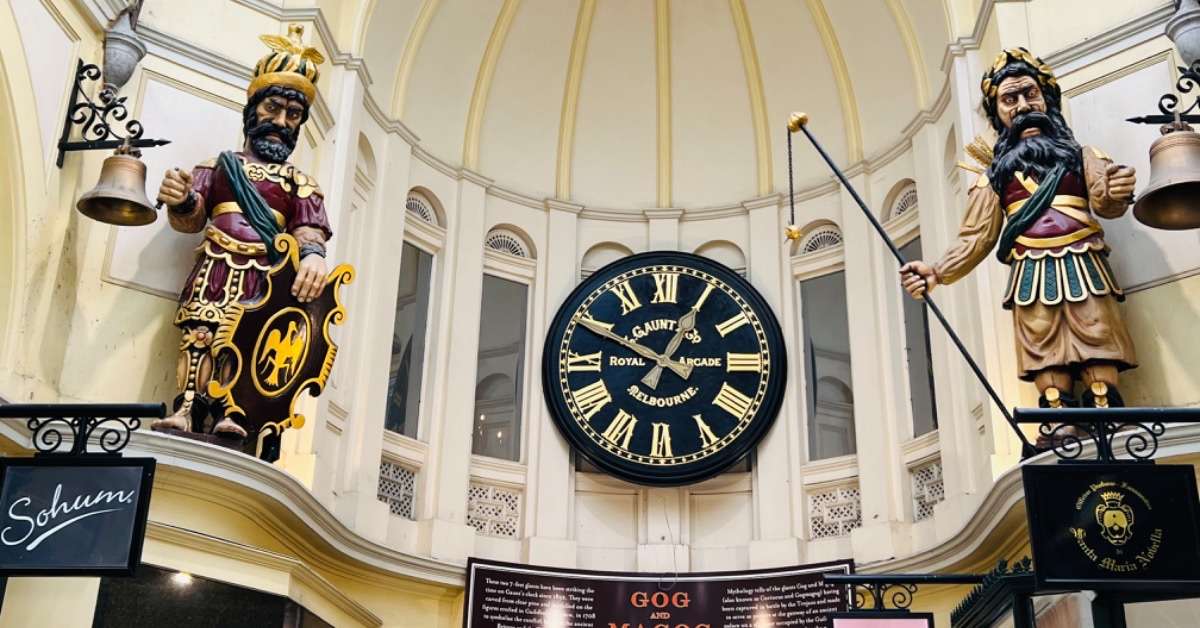
We continued through historic arcades and lesser-known passages like Manchester Lane and Niagara Lane, where the city’s past lingers in bluestone paving and preserved facades. A highlight was stepping into the elegant Royal Arcade—Australia’s oldest shopping arcade—where heritage architecture meets specialty shops.
Little streets and a narrow laneway, such as Scott Alley, Duckboard Place, Rankins Lane, or Little Collins Street, are the heart of the neighborhood. Back on the main arteries — Elizabeth Streets and William Streets — offered a broader perspective on the CBD, where historic buildings, financial offices, and everyday city life intersect. Nearby, Queen Street adds to the city’s commercial backbone, while Bourke Street Mall buzzes with energy, street performers, and shoppers moving between flagship stores.
And just when you think you’ve seen it all, another laneway appears—perhaps the iconic laneway, Hosier Lane, with its ever-changing street art, or the understated charm of Flinders Lane (often misspelled as “Finders”), one of the city’s most historic thoroughfares.
Melbourne’s CBD isn’t just a place—it’s an experience layered in texture, creativity, and history. The laneways are where the city truly lives.
Design of the Melbourne Laneways
The central business district of Melbourne (CBD), designed on a grid, is similar to those of New York City, Savannah, Georgia, and many European cities.
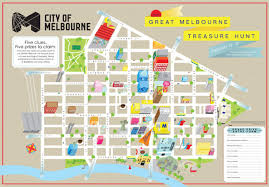
Between the main streets of Melbourne that make up the grid are Laneways, or what we in the United States might call “alleyways”. In the 1990s, the Melbourne government realized that to get people to spend more time and money in the CBD, they needed to clean up the Laneways. Visiting some European cities convinced them that the Laneways could become an attraction to both the people of Melbourne and to visitors. They created two types of modern Laneways: those that encouraged street art and those that encouraged shops and restaurants. Hosier Lane is the heart of Melbourne's Street Art Scene.
Laneways with Street Art
We might call much of the street art "graffiti," and if you think that way, no problem, but check out our Love Graffiti Art Post to get the true story. Some of the art on the buildings on Hosier Lane is truly professional, and some of it is even political statements. This is real quality artwork. Here are some pictures of the art on Hosier Lane that we found particularly charming.

Art Evolves in the Laneways
One of the strange aspects of the Laneways art is how it changes. Between our two visits to Melbourne, see what happened to Snoop Dogg in one week. Needless to say, we were disappointed.


Crowded Laneways with Restaurants and Shops
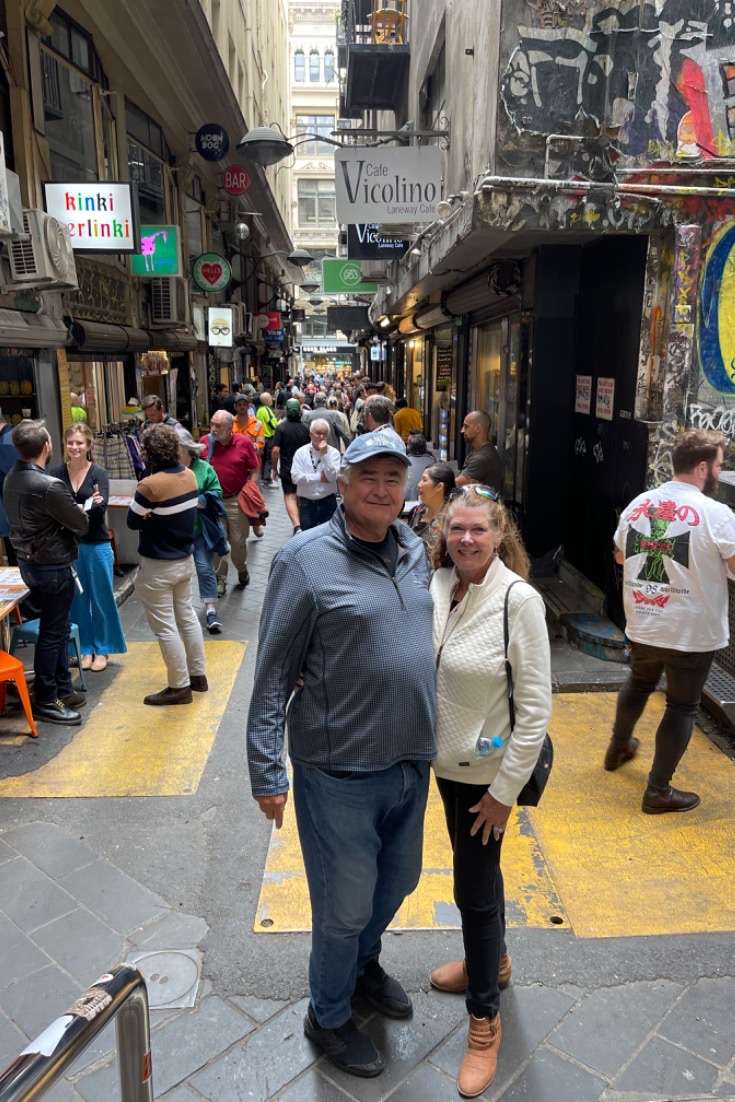
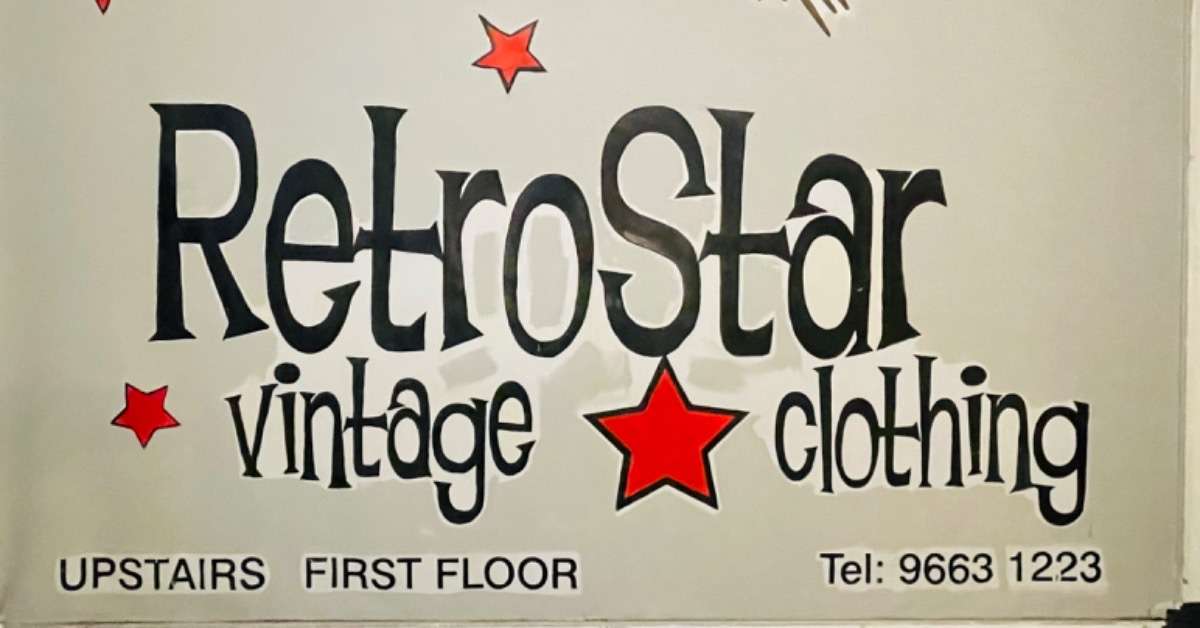
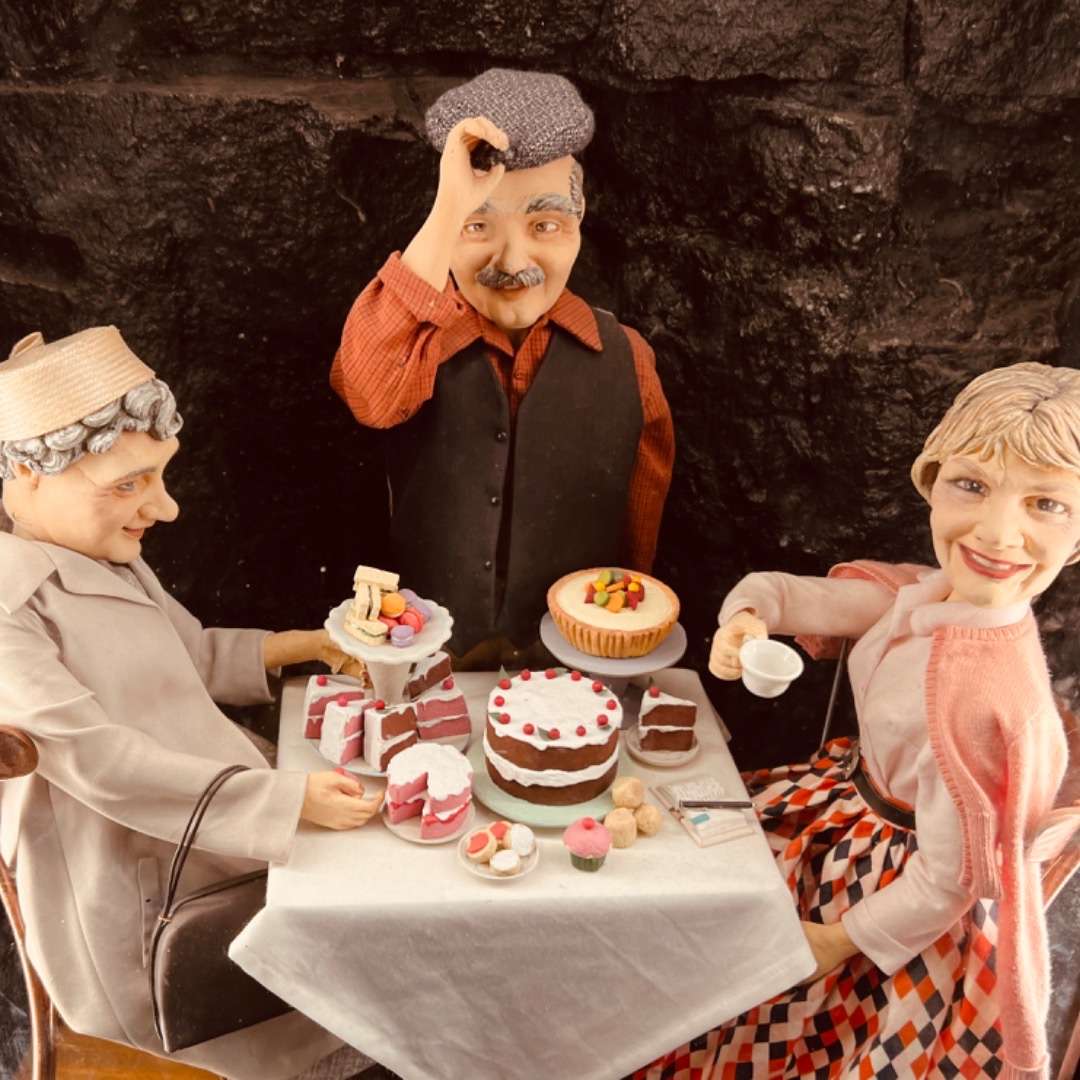
Laneways with Cozy Cafes and Small Shops are crowded, especially at lunch time, as the office workers jam the laneways. You will see shops of all kinds. selling chocolate, vintage clothing, and pastries. The windows feature very attractive decorations, including figurines that highlight the store’s offerings. Some of the Laneways have indoor arcades with clever statues, ringing clocks, or other poses.
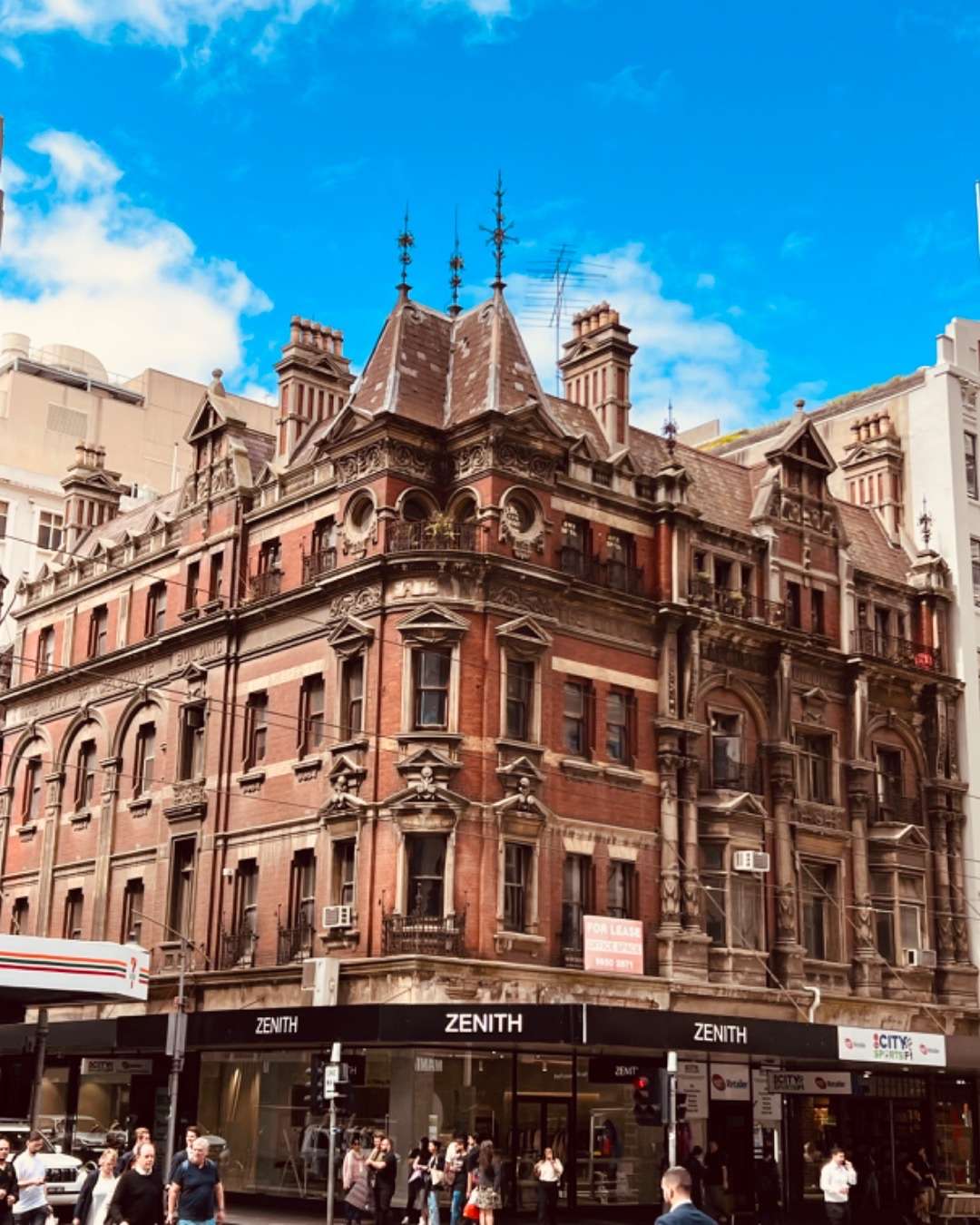
Architecture in Melbourne
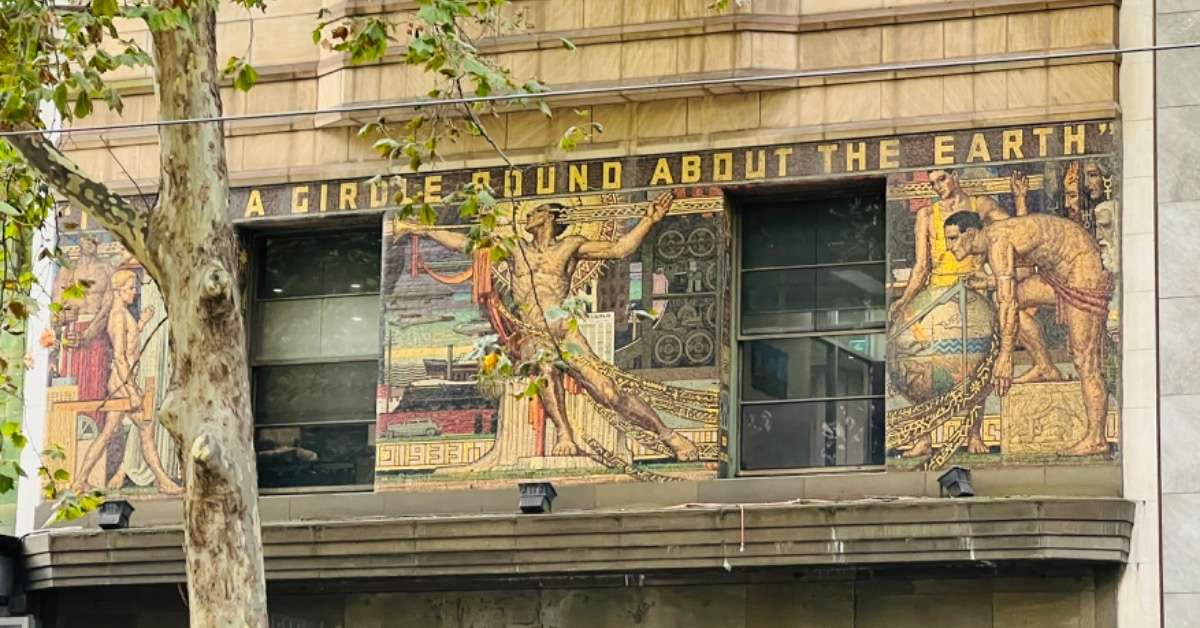
In addition to the Laneways, Melbourne's historical buildings are an architect's delight. One of the buildings with the mural on it housed the local newspaper where Rupert Murdoch’s father used to work. The mural forecasted the growth of the family’s publishing business.
Other historical buildings throughout Melbourne are also spectacular:
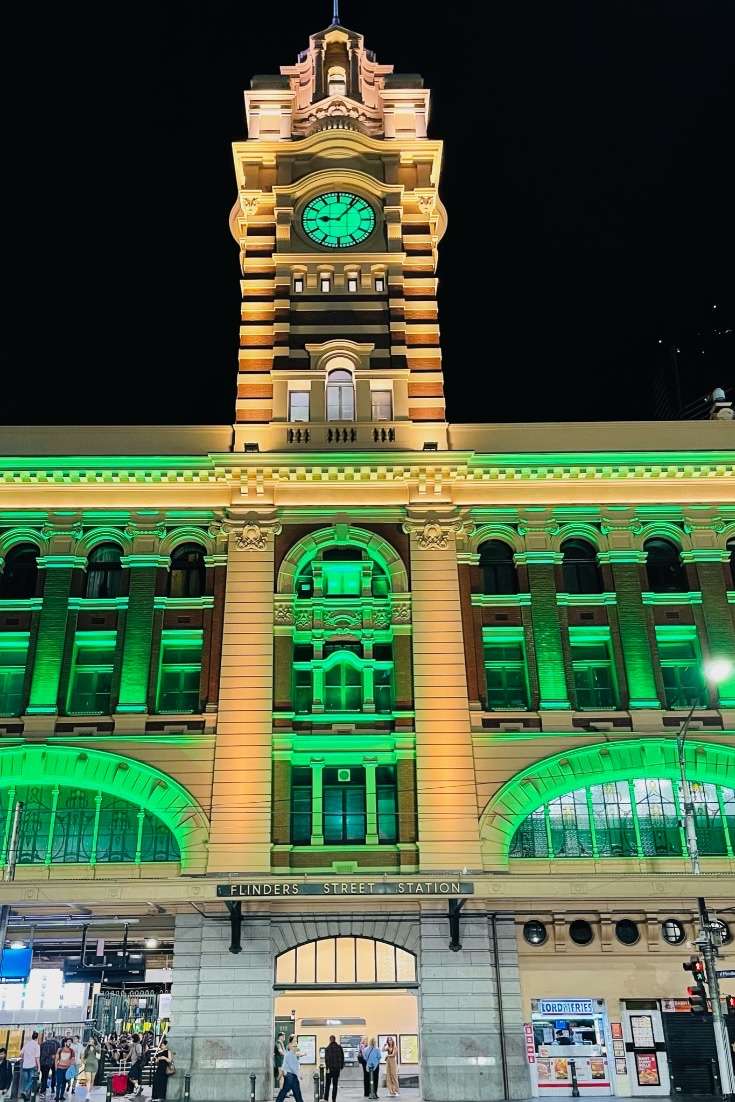
Flinders Street Station at Night is particularly impressive.
Other Things to Do While in Melbourne
While walking around Melbourne's laneways is a great way to see the City, there are several other thnigs to do while visitng Melbourne.
Go to the Royal Botanical Garden
Like the Royal Botanic Garden in other Australian Cities, such as Sydney, Brisbane, and Adelaide, the Royal Botanical Garden in Melbourne is a great place for a nice, relaxing afternoon.

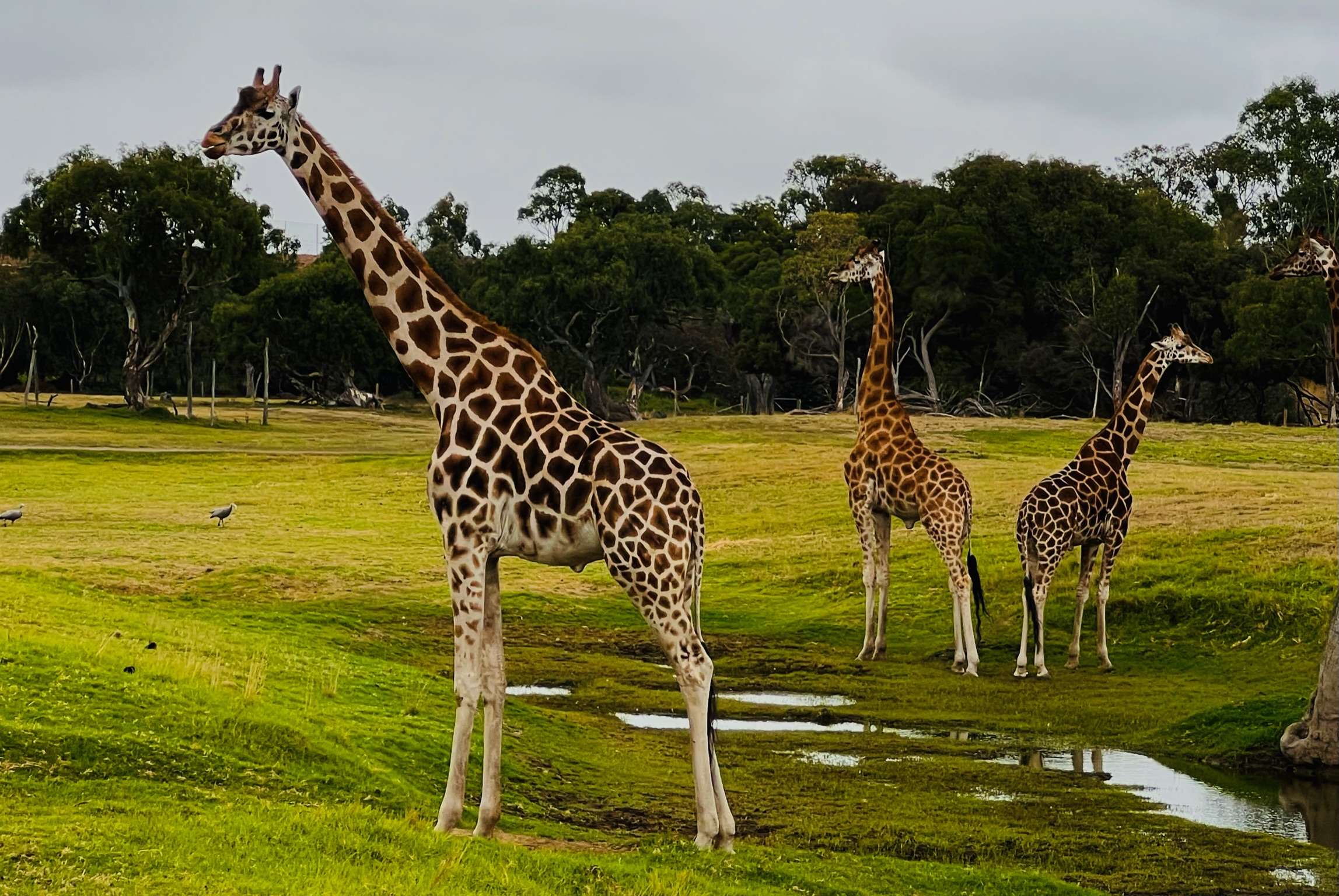
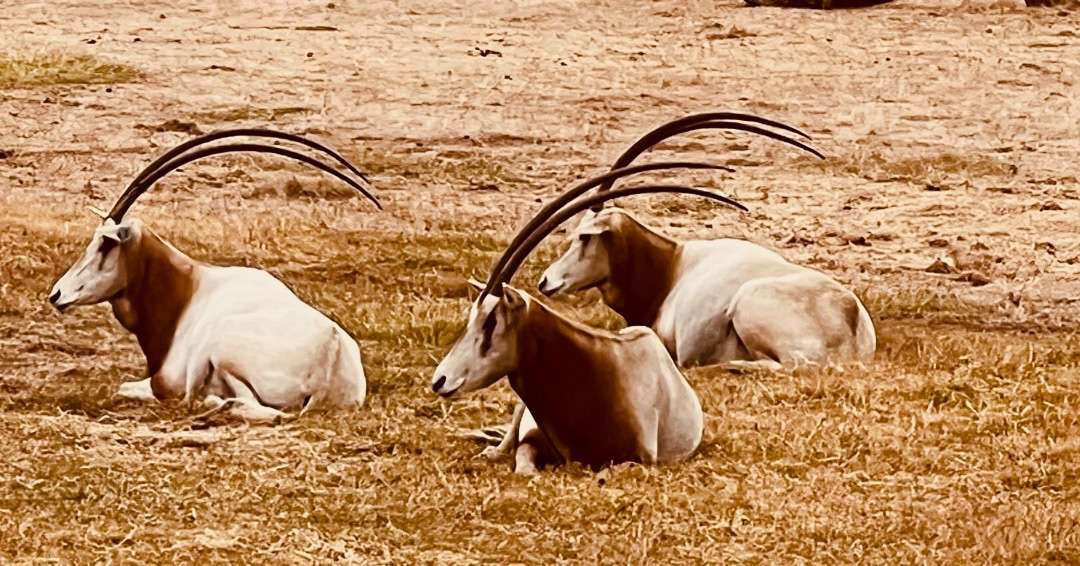
See the Werribee Open Range Zoo
About one hour west of Melbourne is a wonderful Open Range Zoo.
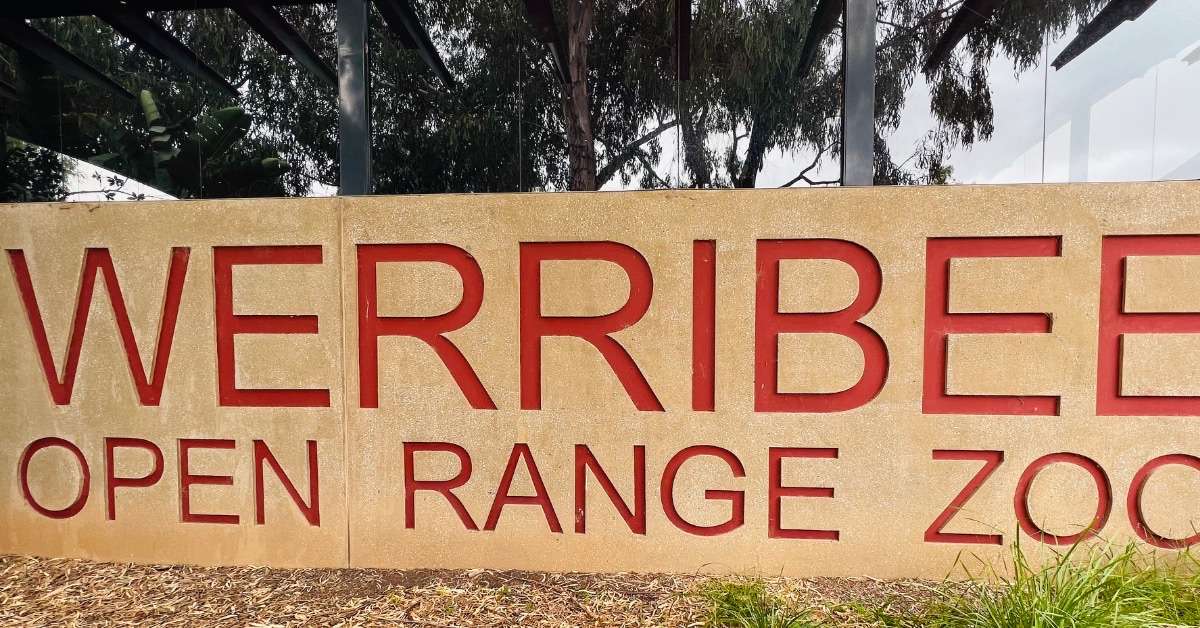
Basically, there is the Australian side and the Safari side. All things considered, both sides are interesting:
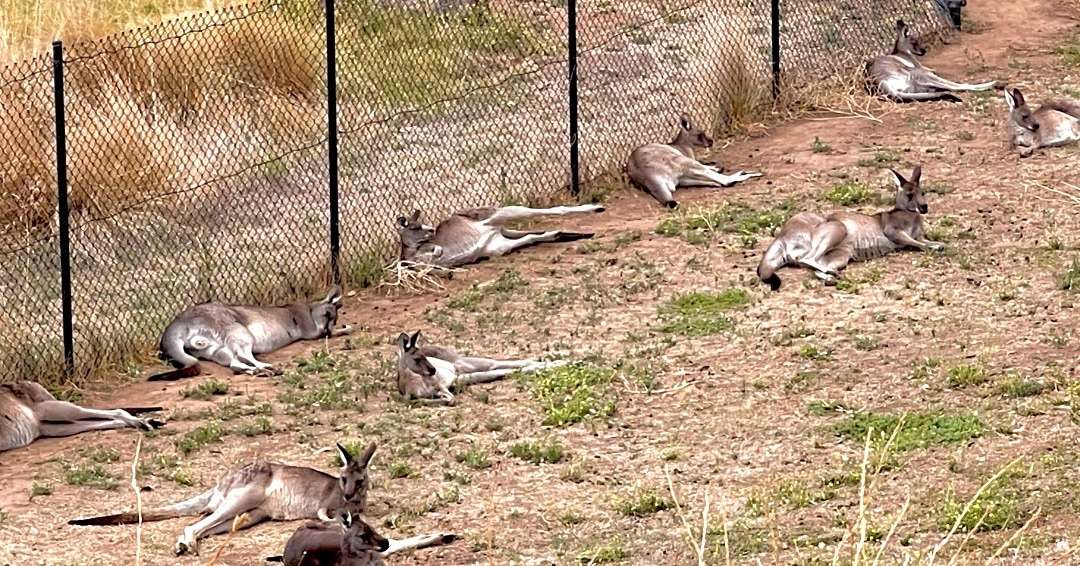
Australian Side
Obviously, the first thing you will see are the Kangaroos. We were surprised that they were all so lazy,



Safari Side
The Safari Side was great, as it felt like a real safari. Here are a few of our favorite pictures.



Restaurants in Melbourne
It was also surprising that there was such a strong influence of Italian restaurants. We loved the ones listed below. We were very surprised to see the strong Italian influence in this city. Our favorite restaurant was one we found after our Laneways tour, a recommendation of our guide: Tipo 00. Italian cuisine in an intimate, sophisticated laneway, with an open kitchen named for the flour Italians use to make pasta. This was an absolute delight for its sophistication, innovation, and a great cooking show at the bar. We tried in vain to go there for dinner on another night but were out of luck. Lesson learned: reserve early!
Inspired by the glamour of 20th-century Chicago, Gimlet is the brainchild of Chef Andrew McConnell. Cocktails are Prohibition-inspired. The bar is lively and fun. Elegant booths, elegant dining room, elegant bar. What else can we say? We did not have a reservation, but we sat at the bar and were served as if we did. The bartender was engaging and offered advice for a quick bite. Best gimlet ever (of course!). Great experience, and our vote for Best Restaurant, and perhaps most expensive, in Melbourne.
Conclusion
Melbourne’s laneways are more than shortcuts between streets—they are the soul of Melbourne. Tucked between the formal grid of its grand avenues, these narrow passages reveal a city that thrives on creativity, coffee culture, and constant reinvention. From the energy of Degraves Street to the artistic pulse of Hosier Lane, each laneway tells a slightly different story, rewarding those willing to wander without a plan. In the end, it’s here—amid the murals, hidden bars, and tucked-away cafés—that Melbourne feels most authentic, a city best discovered one unexpected turn at a time.
If you want to learn more about Australia's other great cities and places to visit, please click on our other Australia posts:
0 Comments