
France, the land of love, art, and exquisite cuisine, is a dream destination for many travelers. The country’s diverse landscape, rich history, and charming culture make it an ideal place to explore and discover. But beyond the well-known landmarks, there is a whole world waiting to be explored in France’s overseas territories. From the picturesque French Riviera to the remote and untouched French Southern and Antarctic Lands, France’s overseas territories offer a unique and unforgettable travel experience. In this ultimate France travel guide, we will explore the major cities, iconic landmarks, and hidden gems of France, including its overseas territories. So pack your bags and get ready for the journey of a lifetime!
Contents
- 1 Best France Travel Guide – Exploring the Major Cities & Regional Areas
- 2 First Trip to France?
- 3 Beyond the Mainland – France’s Overseas Territories
- 4 Does France Cover More Time Zones Than Any Other Country?
- 5 Must-see Landmarks and Hidden Gems
- 6 Travel Tips for a Smooth and Enjoyable Trip
- 7 Conclusion:
- 8 Call to Action:
Best France Travel Guide – Exploring the Major Cities & Regional Areas
France may be best known for cheese, wine, baguettes, and the Eiffel Tower. It is also a country that conjures up images of romance, fashion, and history. But there is so much more to France than just Paris. Metropolitan France includes, in addition to Paris, Nice, Lyon, Bordeaux, Reims, Avignon, and many other important towns. From the picturesque countryside to the stunning Mediterranean coast, this country has something for every type of traveler. In this section of our blog post, “Ultimate France Travel Guide w/Overseas Territories,” we will take you on a journey through France’s major cities and regions, giving you a taste of what this beautiful country has to offer. So pack your bags and let’s explore!
Paris and the Île-de-France
Despite its name the Île-de-France (“Island of France”), it is not an island, but the historic region around Paris known as the heartland of the country. It is the political, cultural, and economic center of France with world-famous museums (e.g. the Louvre Museum with the famous Mona Lisa, and the.Musee d’Orsay, our favorite, picture below). Paris is a must-visit for the famous landmarks, the Eiffel Tower and the Notre-Dame Cathedral, as well as its café culture.

In addition to Paris, Versailles and Seine-Saint-Dennis have significant landmark status within the Île-de-France.

Source: iStock by Getty
For more details about visiting Paris, see our post “The Best Paris Travel Guide.”
Normandy & Brittany
A trip to Normandy will be remembered for the remainder of one’s life. Cos and Robin visited in 2021. It was very emotional and it was impressive how the people they met still were appreciative for what the United States Americans and British did in WWII to free the French from German rule.
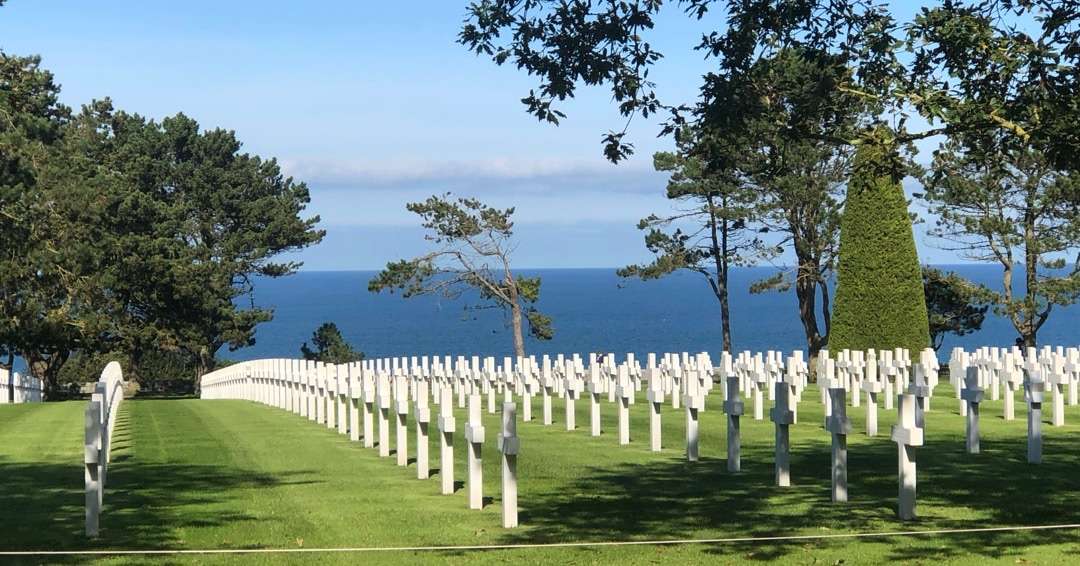
Cos and Robin had hoped to visit Mont Saint-Michele on the Normandy-Britany border during the 2021 visit, however their tour was cancelled as not enough people wanted to go. Perhaps they had all been there before. Cos was shocked, as visiting the abbey has been one of Cos’s bucket list items for a number of years. They plan to visit, this time on their own, in the fall of 2026.

France Travel Guide: Loire Valley
The castles and French countryside make this a must visit area. You can do it with a daytrip from Paris.
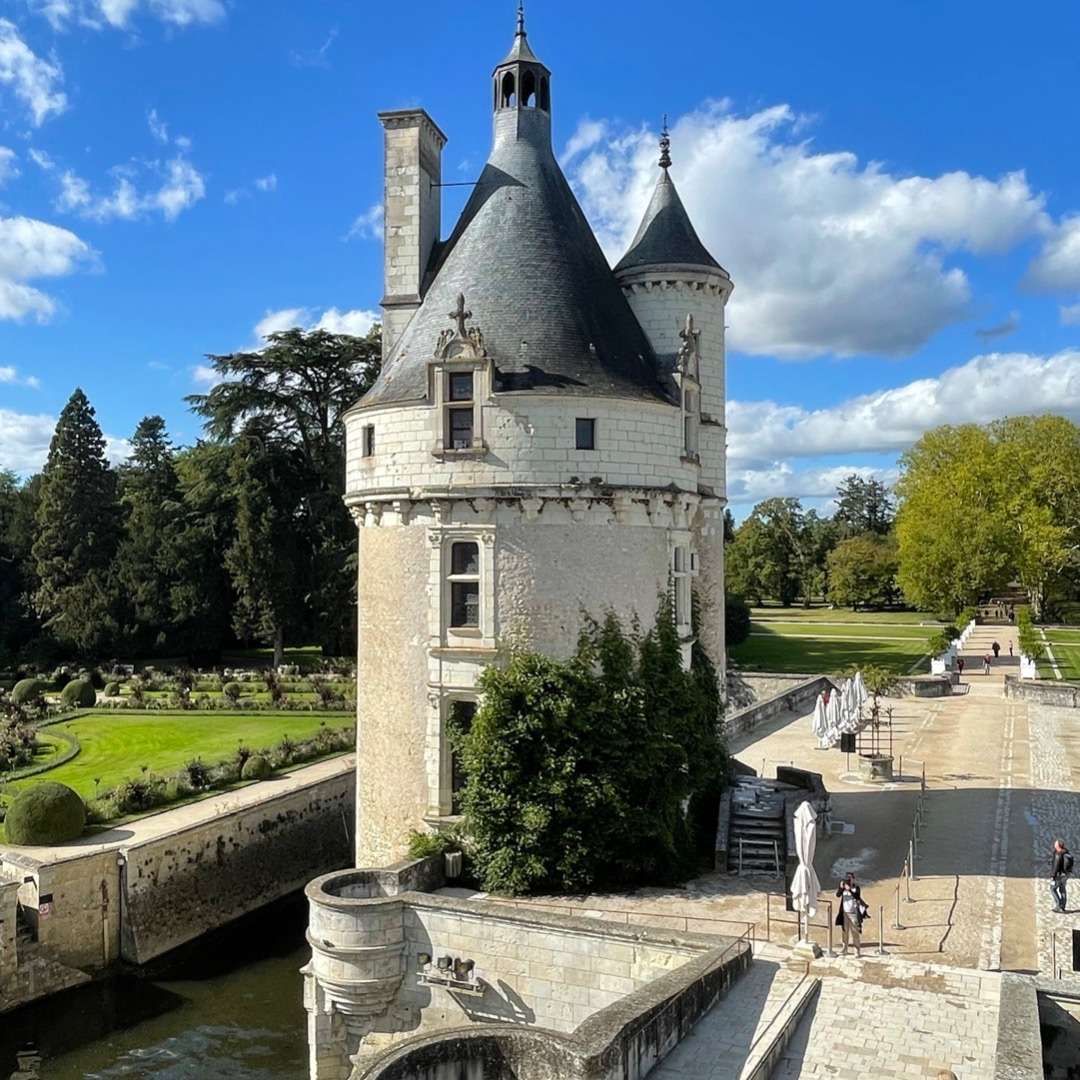
You can visit the Loire Valley with a daytrip from Paris. We recommend finding a tour on Get Your Guide.

Escape Paris for a magical day in the Loire Valley. Explore fairytale castles, wander charming Blois, and enjoy a local wine tasting along the way.
Burgundy & Champagne
Burgundy has some of the world’s finest wines, historic villages, Romanesque Churches, and excellent cuisine. Champagne speaks for itself. Here you can tour the famous champagne houses and vineyards where sparkling wine was invented. Veuve Clicquot is the most famous. It is Robin’s favorite champagne, and she and Cos will be visiting it in the fall of 2026.
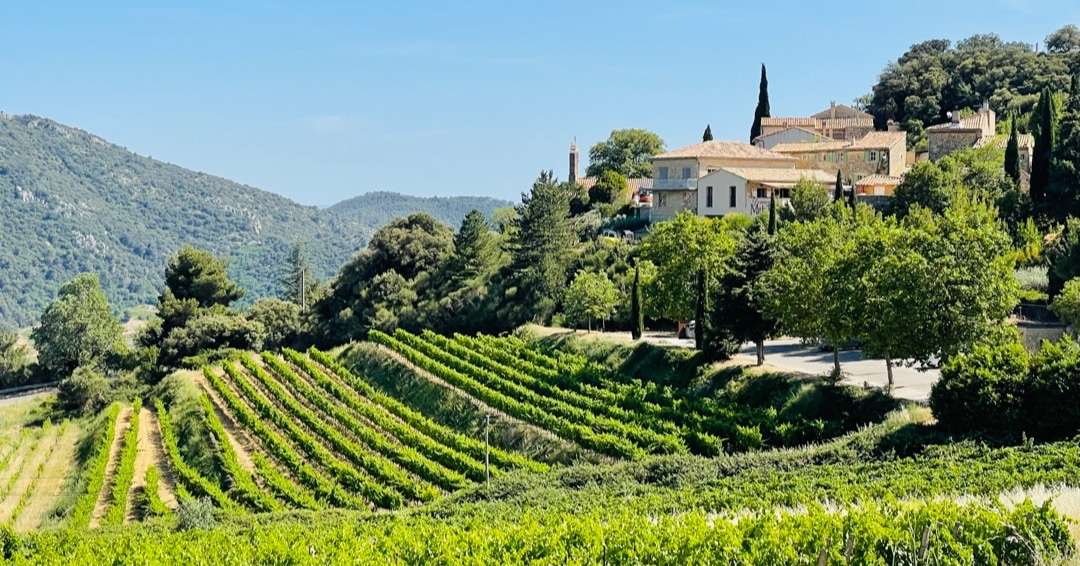
The wine regions are easily reached from the city of Lyon just to the south of wine country. Lyon is one of France’s major cities and is easily reached from Paris by a fast train. It is considered the heart of French cuisine.
Alsace Region of France
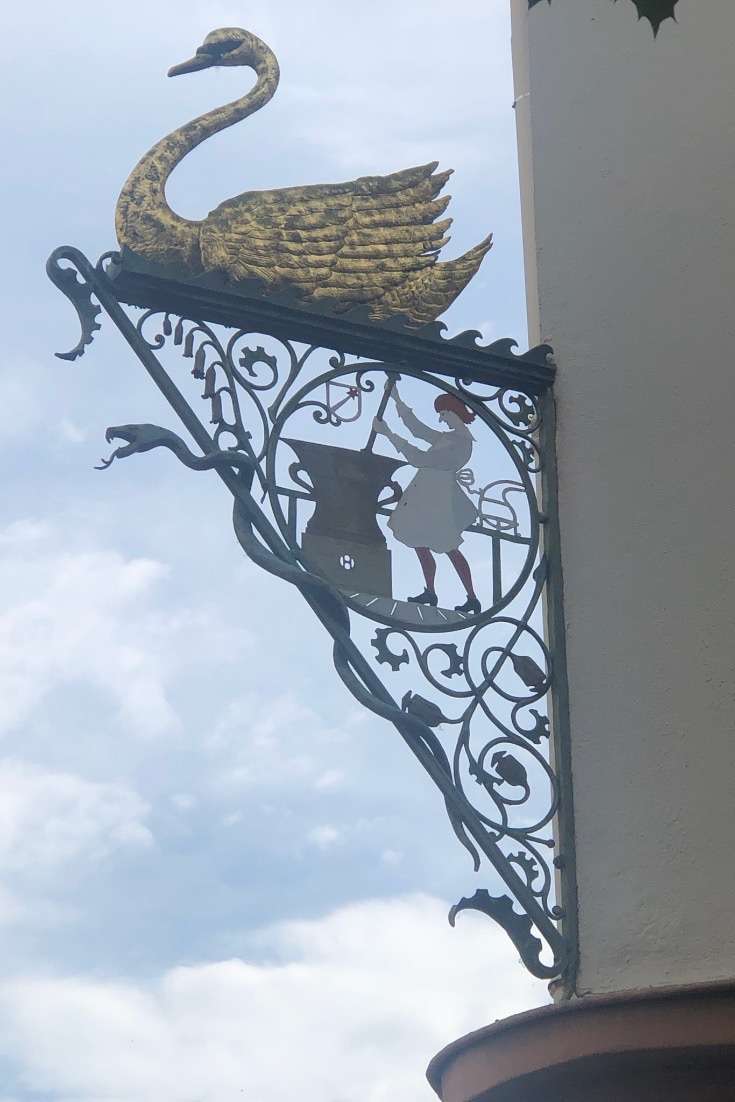
The Alsace Lorraine region of France, in Eastern France, sits literally next to Germany on the western bank of the Rhine River. We visited two great charming villages, Strasbourg and Colmar, both of which have a strong German influence, as having been a part of Germany for much of their history. The wrought-iron hanging signs on the buildings are indicative of who lives or works in the building.
Provence & the French Riviera
The French Riviera is also known as Southern France or the Côte d’Azur. The Côte d’Azur dazzles with Mediterranean glamour and cinematic scenery. In Nice, visitors stroll the palm‑lined Promenade des Anglais, explore the pastel lanes of the Old Town, and enjoy world‑class museums dedicated to Matisse and Chagall. A visit to seeing St. Tropez is a must-do.
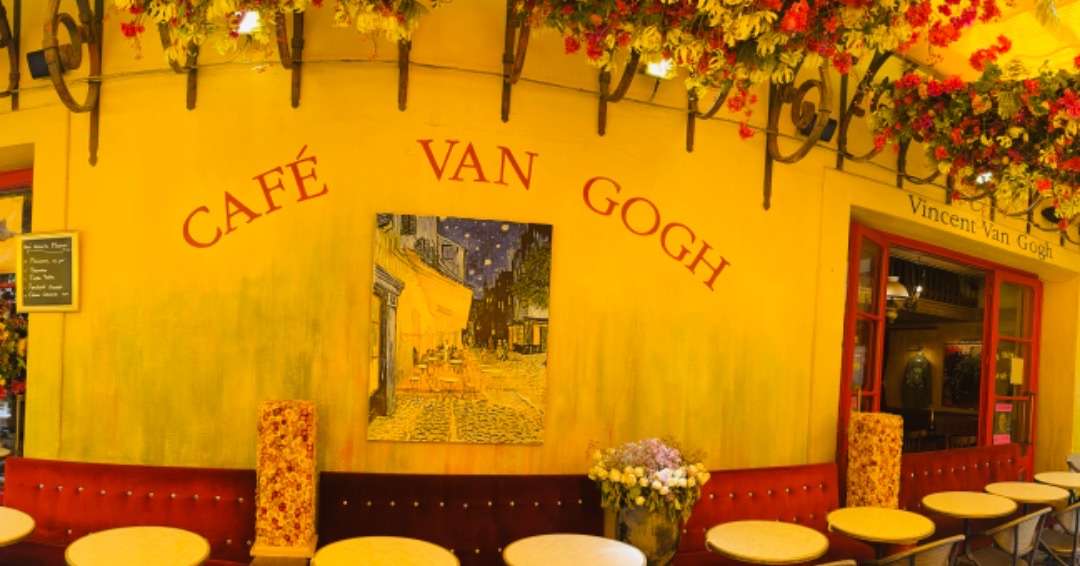
Provence is the France of imagination — golden light, olive groves, lavender fields, with picturesque towns and stone, small villages perched above rolling valleys. The region moves at a gentle pace, shaped by markets overflowing with herbs, honey, and ripe fruit, and landscapes that inspired Cézanne, Van Gogh, and generations of artists.
Bordeaux, Dordogne, the Basque Country, & the Pyrenees
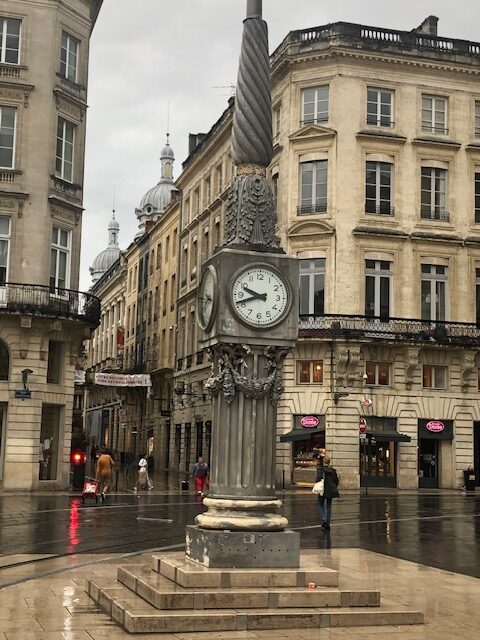
These four regions combined form the Southwestern area of France. They are easily reached from Paris by the high speed trains. The Dordogne River which flows east of Bordeaux through Saint-Emilion is also the name of the French Department further east of Bordeaux and north of Toulouse. It is a very scenic rural region with hilltop castles overlooking the river.
Bordeaux is a renowned wine region with elegant architecture similar to Paris. The nearby beaches also make this area special.
Further to the southwest is the Basque Country which stretches into Spain, and the Pyrenees which provide a natural border between the two countries.
French Alps
World-class skiing in the winter and hiking, cycling and alpine lakes in the summer months makes this area special. Chamonix and Mont Blanc make this area special. Cos and Robin will be visiting in the fall of 2026, expect some new pictures.
Corsica
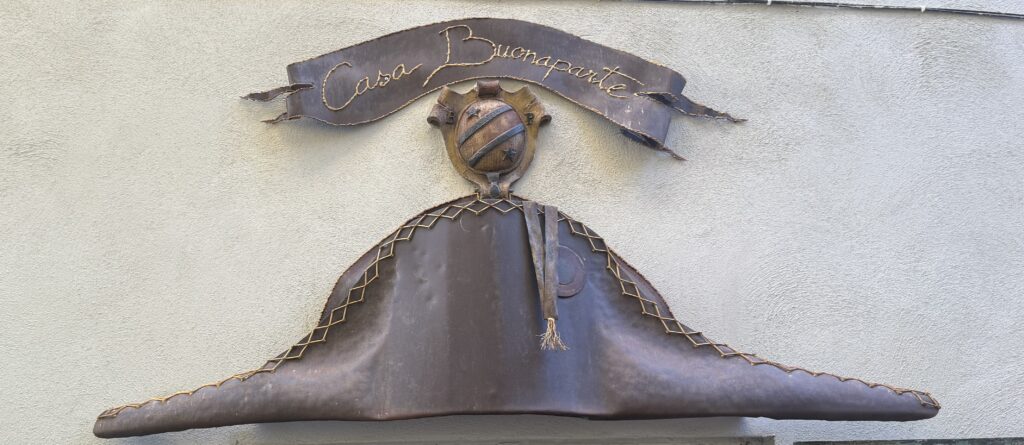
Corsica is an Island south of France and west of Italy in the Mediterranean Sea. Cos and Robin visited Corsica for the first time in 2025 on a Mediterranean cruise traveling from Rome to Lisbon. It is a beautiful Island with crystal-clear beaches, rugged mountains, hiking trails, and a unique Island culture. Perhaps it is most famous as the home of Napoleon Buonaparte.
First Trip to France?
If this is your first trip to France, a classic itinerary might consist of the following places:
- Paris and the Île-de-France
- Normandy
- Provence & the French Riviera
Train travel is the best way to get around France, so make use of the high speed trains.
Beyond the Mainland – France’s Overseas Territories
And what’s even more exciting than mainland France? France has a number of overseas territories that offer a unique and enriching experience. France once managed more than 70 modern countries and territories, making it the second-largest colonial empire in history after the British Empire. Today, it has 12 principal territories/collectives, plus the French Southern and Antarctic Lands, still representing a major presence of the French Republic worldwide. But just how significant is this modern empire?
Does France Cover More Time Zones Than Any Other Country?
If you play Trivia, like Cos and Robin, chances are you have been tricked by the question “Which Country Spans the Most Time Zones?” If you are like us, you might have answered “Russia” incorrectly. Russia does cross the most time zones, eleven, across one continuous landmass, but France covers one more, twelve, due to its worldwide overseas territories. In fact, you can literally travel across 22 time zones (UTC-10 in French Polynesia to UTC+12 in Wallis and Futuna) without ever leaving France. Think about that: France has an enormous worldwide influence.
Different Types of French Territories
France’s Overseas Territories fall into five different governing styles:
- Overseas Departments and Regions (DROM) – Fully part of France and the European Union. French law generally applies in the same way as in mainland France. Residents are full French citizens, they vote in presidential and parliamentary elections, they elect members of Parliament, and they use the euro.
- French Guiana (Cos and Robin will visit for the first time in 027)
- Guadeloupe (This country is on Cos and Robin’s
- Martinique (Cos and Robin haves Visited)
- Réunion
- Mayotte
- Overseas Collectivities (COM) – Part of France but with more local autonomy. French law doesn’t automatically apply. Their legal and administrative systems can differ from mainland France. Residents are French citizens.
- French Polynesia ( see our post: “Ultimate French Polynesia Travel Guide [2026-2028]”)
- Saint-Barthélemy (Cos and Robin have visited multiple times and it is their favorite Caribbean Island.
- Saint Martin (Cos and Robin have also visited multiple times, and will revisit in 2027)
- Saint Pierre and Miquelon
- Wallis and Futuna
- Special Collectivity / Sui Generis Territory – A unique status created for a territory that does not fit the usual categories and has its own institutional arrangement.
- New Caledonia
- Overseas Territory (TAAF) – Territories administered by France that are not departments or regions and usually have special governance because of geography, population, or strategic importance.
- French Southern and Antarctic Lands
- Directly Administered Territory – A territory under French sovereignty that is governed directly by the French state rather than having the full structure of a department, region, or collectivity.
- Clipperton Island
Quick Distinction Between the Categories
- DROM = most closely integrated with France
- COM = part of France, but more self-governing
- Special Collectivity= one-of-a-kind constitutional status
- Overseas Territory = special administrative territory, often remote and sparsely populated
- Directly administered territory = run directly by the French state
Must-see Landmarks and Hidden Gems
France is a country where world’s most icons landmarks and quiet surprises sit side by side. In Paris, the Eiffel Tower, Notre-Dame, the Louvre, and the Seine’s grand bridges deserve every bit of their reputation.

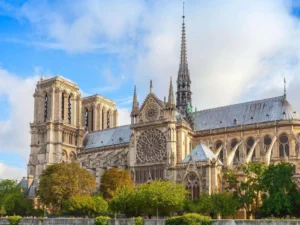
However, beyond the capital, landmarks like Mont Saint-Michel, the Palace of Versailles, the châteaux of the Loire Valley, and the lavender-framed villages of Provence reveal the timeless natural beauty travelers imagine when they dream of France. Along the Riviera, Nice, Cannes, and the cliffside glamour of Èze offer sunlit elegance, while in the east, Strasbourg’s half-timbered streets and cathedral spire bring a distinctly different charm shaped by centuries of French and German influence.

Yet some of France’s most memorable places are the ones that feel just slightly off the main tourist trail. Wander the medieval lanes of Carcassonne at dusk, discover the dramatic clifftop town of Rocamadour, or explore the storybook villages of Alsace beyond Strasbourg, such as Colmar, Riquewihr, and Eguisheim. In Burgundy and Champagne, the hidden pleasure is often found in slow travel: vineyard roads, cellar doors, market towns, and quiet abbeys. The Basque coast offers another side of France entirely, where Biarritz, Saint-Jean-de-Luz, and inland villages blend ocean energy with strong local identity. Even Normandy, often visited for its historic beaches, holds lesser-known treasures in harbor towns like Honfleur and in the chalk cliffs and gardens that dot the region.
France’s islands and overseas territories expand the country’s appeal far beyond Europe. In the Caribbean, Guadeloupe and Martinique pair French culture with turquoise water, volcanic peaks, rainforest trails, and Creole flavor. French Guiana, on South America’s northern coast, offers something more unexpected: dense Amazonian wilderness, remarkable biodiversity, and the fascinating contrast of Europe’s spaceport near Kourou set against wild natural landscapes. In the Indian Ocean, Réunion is a dream for adventure lovers, with cirques, waterfalls, lava fields, and one of the world’s most striking volcanic landscapes, while Mayotte enchants with its lagoon, marine life, and laid-back island rhythm.
Farther still, France’s Pacific territories feel like hidden worlds. French Polynesia is famed for Bora Bora and Tahiti, but its real magic stretches across remote atolls, emerald peaks, black-sand beaches, and a deeply rooted Polynesian culture. New Caledonia offers one of the largest lagoons on earth, superb diving, and a blend of Melanesian and French heritage, while Wallis and Futuna remains one of the least-visited corners of the French world, rewarding curious travelers with authenticity and untouched beauty. From cathedral cities and castle valleys to volcanic islands and coral lagoons, France is not just one destination but a vast collection of must-see landmarks and hidden gems waiting to be discovered.
UNESCO World Heritage Sites
France has the 3rd highest number of UNESCO World Heritage Sites, only Italy and China have more. There are 56 sites, too many to list here. But some of the more popular ones in Mainland France are: Banks of the Seine in Paris, Palace of Versailles, Mont Sanit-Michel, Loire Valley, Champagne Hillsides and Cellars in Reims and Epernay, Bordeaux Port of the Moon, and Pont du Gard. In the territories, the Lagoons of New Caledonia, the Ramparts of Reunion, and the French Austral Lands and Seas in the Antarctic are also recognized.
Travel Tips for a Smooth and Enjoyable Trip
For a smooth trip to France and its territories, start with the basics that make everyday travel easier: check entry requirements well in advance, confirm whether your destination is in mainland France or an overseas territory, and verify any different visa, health, or customs rules that may apply. Keep digital and printed copies of your passport, reservations, travel insurance, and onward tickets. If you plan to rent a car, confirm license requirements before arrival. It also helps to learn a few polite French phrases—simple greetings like *bonjour*, *s’il vous plaît*, and *merci* go a long way and often lead to friendlier service.
Which Countries Use the Euro Currency?
Money, timing, and transport can make or break the experience. Credit and debit cards are widely accepted, but it is smart to carry some cash for small purchases, local markets, or remote areas, especially in smaller towns or islands. While mainland France and many of its remote territories use the Euro as the official currency of France, the Pacific Overseas Collectivities use a different currency, the CFP franc (XPF), which is linked with a fixed exchange rate to the euro.
Public Transportation
In mainland France, trains are efficient and often best booked early for lower fares, while in overseas territories you may need to rely more on regional flights, ferries, or rental cars. Always check local holiday schedules, strike notices, and Sunday opening hours, since shops, restaurants, and public services may operate differently than expected. Packing layers is also important, because weather can vary sharply between Paris, the Alps, the Caribbean, the Indian Ocean, and the Pacific territories.
Pace Your Itinerary Realistically
To avoid common frustrations, pace your itinerary realistically and leave room for delays, long meals, and local customs. Dining hours may be more fixed than in some other countries, and many smaller places may close between lunch and dinner. In popular destinations, reserve major museums, rail tickets, and restaurants ahead of time, especially in peak season. Stay aware of your belongings in busy tourist zones and transit hubs, but do not let caution overshadow enjoyment. The most rewarding trips to France and its territories usually come from balancing preparation with flexibility: know the essentials, respect local rhythm, and allow time to enjoy the food, scenery, and regional character that make each destination distinct.
Conclusion:
France is a country that offers something for every traveler – from bustling cities to tranquil countryside, from iconic landmarks to hidden gems, and from mouth-watering cuisine to stunning natural landscapes. With this ultimate France travel guide, you now have all the necessary information and tips to plan an unforgettable trip to this beautiful country. So don’t wait any longer, book your tickets, and get ready to fall in love with France and its Territories .If you want to learn more about France and it’s various territories, please check out the following groups of posts:
Call to Action:
Do you have any tips or recommendations for exploring France? Have you visited any of its overseas territories? Share your thoughts and experiences in the comments below. Also, don’t forget to share this post with your friends and family who are planning a trip to France.
0 Comments