
Southeast Asia is a place where history, culture, and stunning landscapes blend seamlessly, capturing travelers’ hearts worldwide. From bustling cities with rich cultural heritages to serene landscapes that take your breath away, Southeast Asian countries offer a tantalizing mix of experiences for every kind of adventurer. As you navigate its top-tier destinations, prepare to embark on a journey that spans modern marvels and ancient secrets.
Ever pondered how you could find places to visit in Southeast Asia in the most fulfilling way possible? Get ready to dive into the “Best Time to Travel to Southeast Asia,” where every location tells a story for you to uncover.
Contents
- 1 Key Takeaways – Travel to Southeast Asia:
- 2 Travel To Southeast Asia Physical Map
- 3 What Is the Best Time of Year to Travel to Southeast Asia?
- 4 Weather Considerations
- 5 Travel Seasons in Southeast Asia
- 6 Travel to Southeast Asia: Avoiding the Wettest and Hottest Months
- 7 Average Temperature Ranges by Countries
- 8 Travel to Southeast Asia: People and Culture
- 9 Meeting the People of Southeast Asia
- 10 Indochina: A Deep Cultural Experience
- 11 Indigenous Peoples of Southeast Asia
- 12 Religion in Southeast Asia
- 13 Unique Southeast Asian Food
- 14 Major Southeast Asia Cities Comparison:
- 15 Places to Visit in Southeast Asia: Fun Cities
- 16 Best Southeast Asia Beach Resorts: Phuket, Thailand vs. Bali, Indonesia
- 17 Final Thoughts
Key Takeaways – Travel to Southeast Asia:
- Affordable Travel – Countries like Vietnam, Cambodia, and Thailand offer budget-friendly accommodations, food, and transportation.
- Stunning Natural Beauty – From tropical beaches in Thailand to lush rainforests in Malaysia, the region is packed with breathtaking landscapes.
- Rich Cultural Heritage – Experience ancient temples, vibrant festivals, and diverse traditions across different countries.
- Delicious Cuisine – Enjoy authentic street food, including Vietnamese pho, Thai curries, and Indonesian satay.
- Warm Climate Year-Round – The region enjoys tropical weather, making it a great escape from colder climates.
- Friendly Locals – Hospitality is a big part of Southeast Asian culture, and visitors often feel welcomed wherever they go.
Travel To Southeast Asia Physical Map
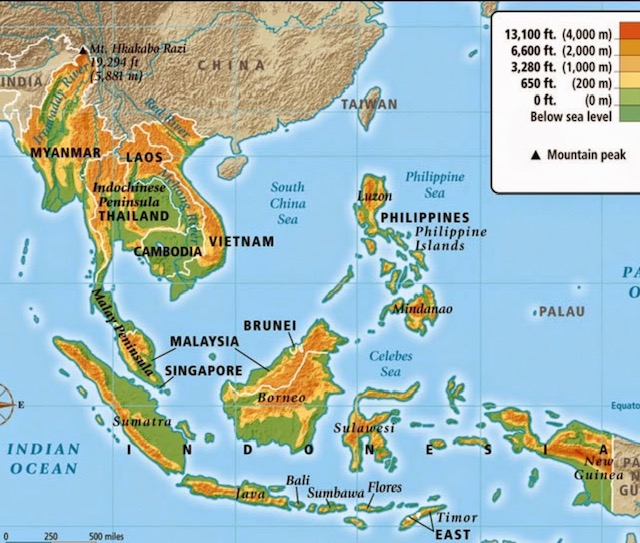
What Is the Best Time of Year to Travel to Southeast Asia?
You ask:” What is the best time to travel to Southeast Asia?” First, let’s discuss a little background.
Southeast Asia has a complex past, but has experienced significant growth over the last 40–50 years. Driven by relative peace over the past few decades, rapid technological advancement, and a high birth rate, the population and economy have grown rapidly.
The region consists of eleven diverse countries in terms of religion, culture, and history: Brunei, Burma (Myanmar), Cambodia, Timor-Leste, Indonesia, Laos, Malaysia, the Philippines, Singapore, Thailand, and Vietnam .
Weather Considerations
It’s always a good idea to check the weather forecast before you go. Please note that these are general guidelines—weather patterns vary by year and region. For example, when Cos and Robin were in Vietnam, they noticed significant weather differences between Northern Vietnam, Central Vietnam, Southern Vietnam, the Mekong River Region, and the Mekong Delta.
In Thailand, you’ll also notice different conditions between Chiang Mai in the north and Phuket in the south. In Cambodia and Indonesia it is simply hot, essentially year round.
Travel Seasons in Southeast Asia
Dry Season (Peak Travel) – November to February
- Mild, cooler nights
- Little rain
- Ideal for beach lovers and outdoor adventures
- Best time for countries like Thailand, Vietnam, Cambodia, Laos, Myanmar, and the Philippines
Hot Season (High Travel) – March to May
- High temperatures and humidity
- Fewer tourists and lower prices
- Essential to stay hydrated—especially in cities like Bangkok
Wet Season (Low Travel) – June to October
- Heavy monsoon rains
- Fewer crowds and cheaper travel
- Rain is frequent, but you can still explore between showers
- Affected countries: Vietnam, Thailand, Cambodia, Myanmar
- Note: Singapore, Malaysia, and Bali also experience wet seasons, but timing varies
Travel to Southeast Asia: Avoiding the Wettest and Hottest Months
The monsoon season in Southeast Asia is primarily driven by the southwest monsoon , bringing warm, wet air and heavy rain.
- The rainy season typically begins in May or June , peaks between August and October (coinciding with typhoon season in Vietnam and the Philippines ), and tapers off by November .
- Expect overcast skies and frequent rain , though occasional sunny days do occur.
- Countries near the equator like Indonesia, Malaysia, southern Philippines , and Singapore have year-round humidity and less distinct dry seasons .
Other country-specific monsoon insights:
- Thailand’s beach destinations (e.g., Phuket, Koh Chang) can have dangerous rip currents .
- Hoi An , Vietnam often floods during the rainy season .
- Angkor Wat in Cambodia is stunning during the wet season , with vibrant greenery.
- Boracay’s White Beach becomes unsafe during southwest winds.
- Myanmar’s monsoon starts earlier—in April , lasting through September .
- In Malaysia, Indonesia (Bali), and Singapore , the hot season is March to May , and the rainiest months are June to October .
Make sure to check country-specific forecasts before traveling during these months, and pack accordingly!
Average Temperature Ranges by Countries
Southeast Asia enjoys warm, tropical weather year-round, but there are differences across countries:
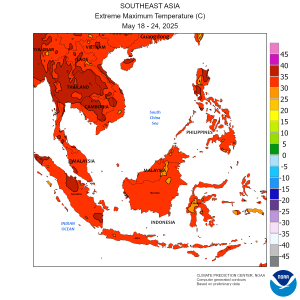
Travel to Southeast Asia: Thailand
- Dry Season (Nov–May): ~86°F (30°C) in Bangkok. Northern areas like Chiang Mai are hot and humid with less rainfall.
- Rainy Season (May–Nov): Cloudy and humid, though generally less rain than the south.
Travel to Southeast Asia: Laos
- Pleasant year-round. Average temperature ~81°F (27°C), with occasional peaks above 86°F (30°C).
Travel to Southeast Asia: Vietnam
- Dry Season (Nov–Feb): Peak travel season, with mild weather (68°F–86°F / 20–30°C).
- Hot Season (Mar–May): High humidity and heat—less crowded and more affordable.
- Rainy Season (Jun–Oct): Monsoons are common, but lower prices attract some travelers.
- Regional Variations:
- North Vietnam: Distinct seasons, 25°C–35°C.
- South Vietnam: Consistently warm (~27°C / 80°F); rainy season from June to October.
Travel to Southeast Asia: Indonesia (Bali)
- Warm year-round (25°C–35°C). Coastal areas stay consistently hot.
Travel to Southeast Asia: Singapore and Malaysia
- Singapore:
- Average high: 86–89°F (30–32°C)
- Average low: 77–79°F (25–26°C)
- Malaysia (varies by region):
- Kuala Lumpur: Highs of 88–91°F (31–33°C), lows of 73–76°F (23–25°C)
- Penang: Highs of 86–90°F (30–32°C), lows of 75–78°F (24–26°C)
- Borneo (Sabah & Sarawak): Highs of 86–89°F (30–32°C), lows of 73–77°F (23–25°C)
Travel to Southeast Asia: Cambodia, Myanmar, and others
- Tropical and warm throughout the year, averaging ~27°C (80°F).
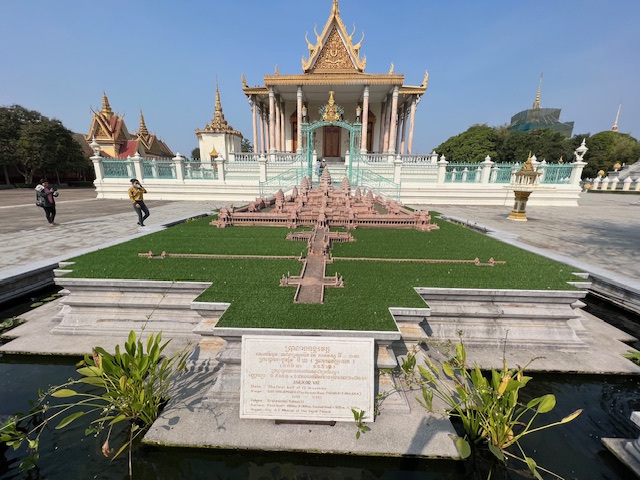
Travel to Southeast Asia: People and Culture
While weather is important, connecting with the people and culture is even more rewarding. No matter when you go, the friendliness and hospitality of the locals will leave a lasting impression.
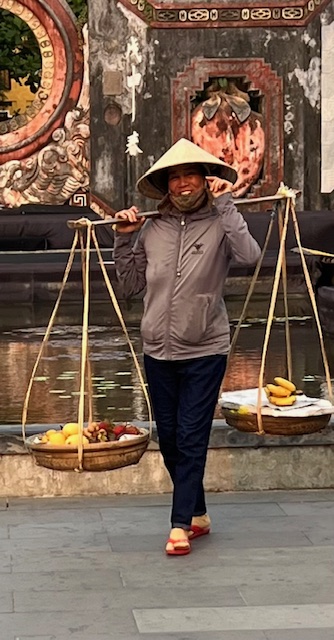
During our 90-day tour in 2023 , we visited Cambodia, Indonesia, Singapore, Thailand, and Vietnam , and passed through Malaysia . Cos had also visited the Philippines on business in the late 1980s.
Check TripAdvisor or WayAway to explore flight options and start planning!
Meeting the People of Southeast Asia
What impressed us most were the people. In every country, locals were kind and welcoming. Many of the people we met thanked us for visiting, which was heartwarming.
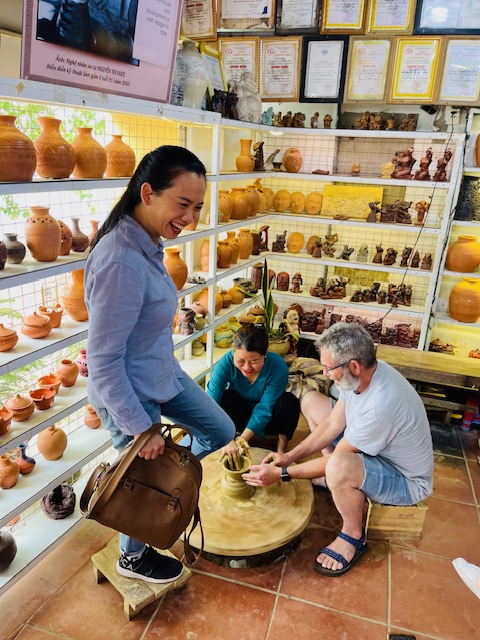
Here are three stories had made us feel very welcome:
A moment in Vietnam: In one city, four young women asked if they could interview us. It was clearly a school project, and we appreciated their curiosity and politeness. Despite our concerns due to the history of the Vietnam War, the reception was warm and sincere.
The Hairdresser: Robin got her hair done at Luxe Salon in Saigon. Nervous at first, she ended up loving the result and the experience. Mrs. Thuy , the owner, was charming and funny. Her quote became a trip highlight:
“Don’t be nervous, I trained in Japan.”
The Receptionist: In Siem Reap, Cos needed smaller bills for a Tuk-Tuk ride. The receptionist at Sarai Hotel , unable to break his money, personally lent him $2 from her wallet. Moments like this defined our trip.
Indochina: A Deep Cultural Experience
Indochina refers to Vietnam, Laos, and Cambodia —a region with a rich history and vibrant culture. We spent most of our time in Vietnam and Cambodia , which quickly became our favorite destinations.
From the beautiful landscapes to the resilience and hospitality of the people, these two countries made a lasting impression. It’s no surprise Vietnam was Anthony Bourdain’s favorite place to travel.
Indochina has a complex history:
- Home to ancient civilizations like the Austroasiatic, Mon-Khmer, and Tai-Kadai .
- Influenced by India, China, France, Japan, and the U.S. over the centuries.
- Colonized by France , occupied by Japan , and deeply affected by the Vietnam War (1954–1975) .
Indigenous Peoples of Southeast Asia
Southeast Asia is home to a diverse range of Indigenous Peoples, each with unique languages, traditions, and histories. These groups have lived in the region for centuries, contributing to its rich cultural tapestry.
Notable Indigenous Groups:
- Dayak (Indonesia, Malaysia) – Known for their intricate woodcarving, weaving, and traditional longhouses.
- Hmong (Vietnam, Laos, Thailand, Myanmar) – Famous for their embroidery, oral traditions, and strong kinship ties.
- Orang Asli (Malaysia) – Indigenous groups like the Semai and Temiar, traditionally living in rainforests.
- Lumad (Philippines) – Includes the Manobo, T’boli, and Igorot, known for their rice terraces and vibrant festivals.
- Hill Tribes (Thailand, Laos, Myanmar) – Includes the Akha, Karen, and Lisu, recognized for their colorful attire and agricultural practices.
Many Indigenous communities face challenges such as deforestation, urbanization, and socio-political pressures, but they continue to preserve their cultural identities.
We asked ourselves: How have these nations maintained cultural independence despite colonization by Japan, China, France, the Netherlands, Britain, Portugal, and Spain ?
We’ll explore this question further in our Indigenous First Peoples post. Some clues may lie in these countries’ strong religious beliefs and culture.
Religion in Southeast Asia
Religion is a defining element of Southeast Asian culture. The region embraces a rich tapestry of beliefs:
- Buddhism : Most widespread, especially Theravada Buddhism in Thailand, Myanmar, Laos, and Cambodia; Mahayana in Vietnam and Indonesia.
- Hinduism : Still practiced in Indonesia, Malaysia, Singapore , and formerly in Cambodia . Often mixed with local animist traditions.
- Confucianism & Taoism : Chinese philosophies influencing respect, balance, and education.
- Islam : Prominent in Indonesia , Malaysia , Brunei , and parts of the Philippines .
Buddhism
Buddhism is the most widely practiced religion in Southeast Asia, with over 200 million adherents. It originated in India and was introduced to Southeast Asia around the 3rd century BCE. Central to Buddhist belief are the Four Noble Truths and the Eightfold Path , which guide followers on the journey to enlightenment. Core concepts include reincarnation , karma , and nirvana —a state of ultimate liberation and peace.
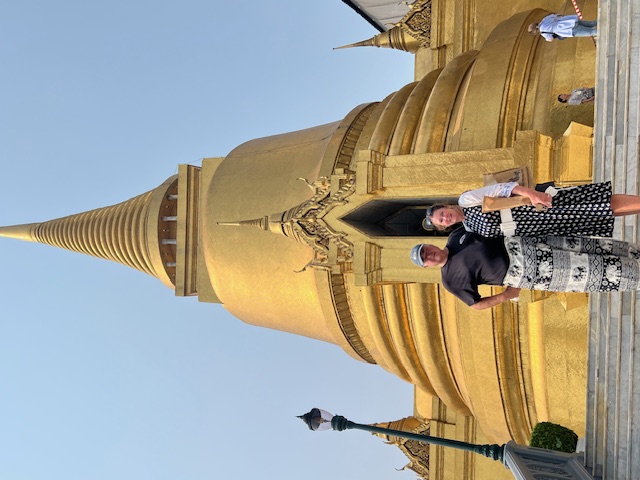
In Southeast Asia, Buddhism is practiced in various forms:
- Theravada Buddhism is predominant in Thailand, Myanmar, Laos, and Cambodia .
- Mahayana Buddhism is practiced in Vietnam and Indonesia .
Hinduism
Hinduism, which also originated in India, is another significant religion in Southeast Asia. It is mainly practiced in Indonesia, Malaysia, and Singapore , and historically had a strong presence in Cambodia before the Khmer Regime.
Hinduism is a polytheistic religion centered on many gods and goddesses, all ultimately connected to the supreme being Brahman . Followers believe in the cycle of birth, death, and rebirth , as well as karma . In Southeast Asia, Hinduism is often blended with local animist traditions .
Confucianism and Taoism
These two Chinese philosophies have had a lasting cultural impact on Southeast Asia, particularly in Vietnam :
- Confucianism , based on the teachings of Confucius, emphasizes social order, respect for authority, and education .
- Taoism focuses on harmony, balance , and living in accordance with the Tao (the Way) .
Though not dominant religions, both have deeply influenced Southeast Asian values and practices.
Islam
Islam is a major religion in Southeast Asia, with large Muslim populations in Indonesia, Malaysia, Brunei , and parts of the Philippines . It was introduced to the region in the 13th century through trade and cultural exchange .
While Islam in Southeast Asia follows core Islamic principles, it often incorporates local customs and traditions , making it distinct from Islamic practices in the Middle East. Check out our post on Malaysia for more details.
Unique Southeast Asian Food
During his travels, Cos was struck by the unique and diverse cuisine of Southeast Asia. Among the standout items:
. 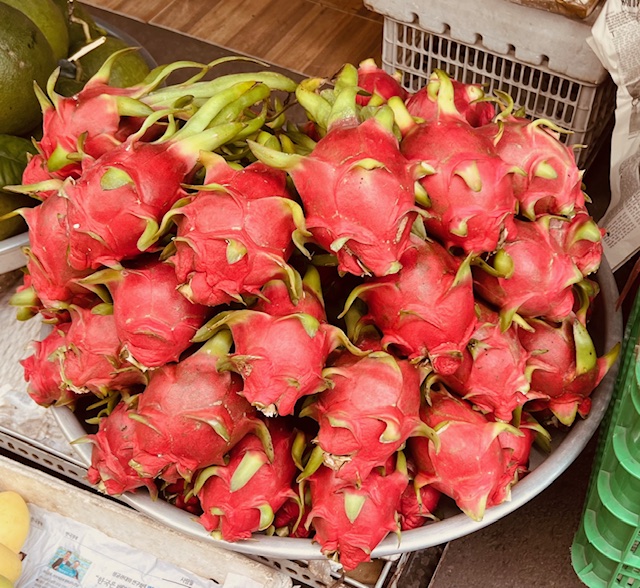
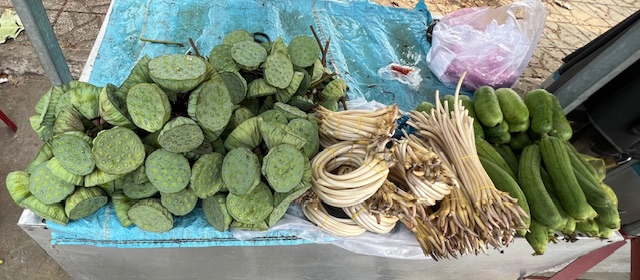
- Dragon fruit, jackfruit, and lotus flower are widely available and visually striking
- Fresh vegetables and herbs are used liberally in regional cooking, enhancing the flavor of many dishes.
- Mangoes are abundant, while oranges have green skins but vibrant orange flesh inside.
- Bananas of all sizes, especially short ones, are plentiful and sweet.
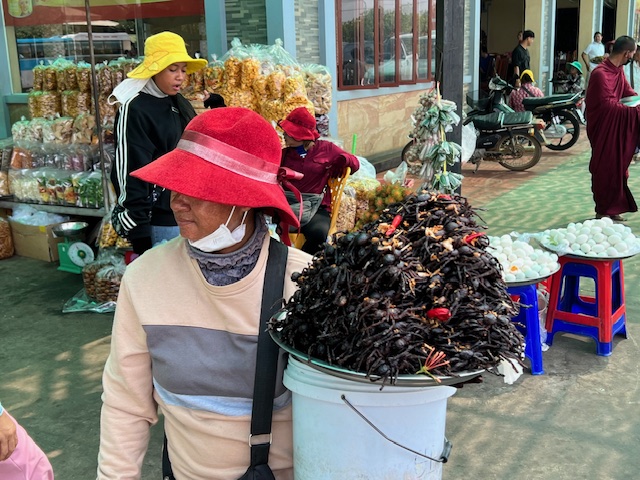
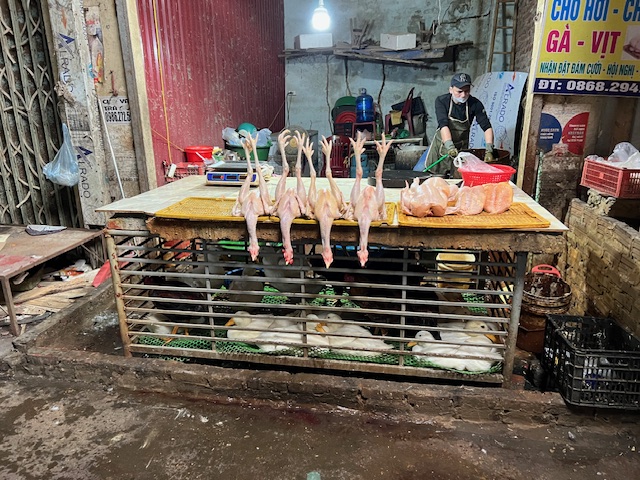
Meats can be adventurous too—pigs’ ears are considered a delicacy in some places. And some experiences, like encountering fried tarantulas between Phnom Penh and Siem Reap, truly pushed the boundaries of culinary exploration. While locals enjoy them, Cos and his companions politely declined.
Major Southeast Asia Cities Comparison:
Ho Chi Minh City (Saigon), Hanoi, Phnom Penh, Bangkok, Kuala Lumpur and Singapore
Southeast Asia is a diverse region with a rich history and culture, and its major cities reflect that diversity in many different ways. Below is a comparison of five major cities across the region.
Ho Chi Minh City (Saigon), Vietnam
Formerly Saigon, this is Vietnam’s largest city and economic hub, home to over 8.6 million people. Rapid growth is evident in its skyline, traffic, and commercial sectors such as manufacturing, tourism, and finance. The cultural influence of French colonialism is still visible in the architecture and cuisine.
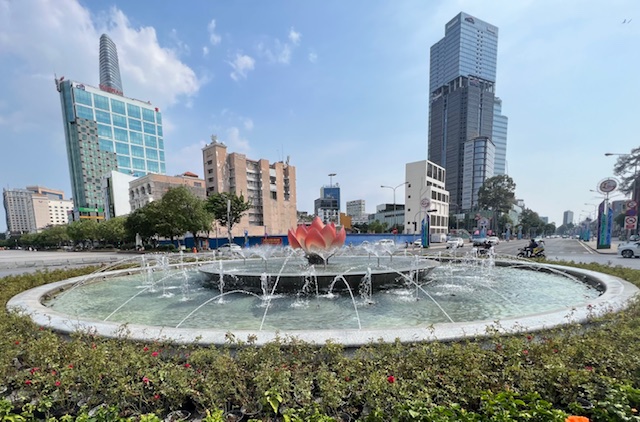
Personal Insight: Robin and Cos made their first stop in Vietnam here. Two things stood out:
- A quiet, yet evident resistance to Communist rule in the South.
- Strong government propaganda, especially visible in museums like the War Remnants Museum.
While the city’s growth is undeniable, so are its challenges: widespread corruption and an overwhelming lack of public transportation. A Japanese-funded subway is underway, but it may not be enough to address the city’s dependency on motorbikes—sometimes with entire families riding on one bike, helmets optional.
Must-See Side Trip: Can Tho in the Mekong Delta (see below in “Fun Cities” for details)
Hanoi, Vietnam
Vietnam’s capital and second-largest city (7.5M+), located further north, offers slightly milder temperatures—making it comfortable to visit as late as April. Known for its rich heritage, Hanoi houses important sites like the Ho Chi Minh Mausoleum and the Temple of Literature.
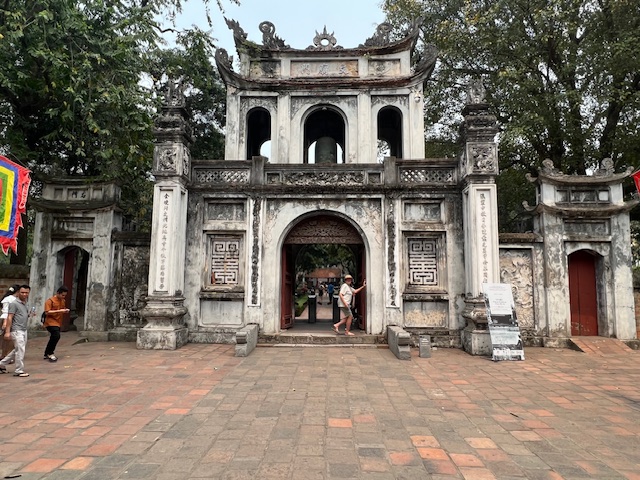
Personal Insight: We stayed at the Intercontinental Hotel at Westlake—an upscale, tranquil location. Our guide led us to see “Uncle Ho,” where we waited over an hour with school groups to see his embalmed body and modest home. Although there’s some propaganda in Hanoi, it’s noticeably less intense than in the South, making for a more pleasant visit.
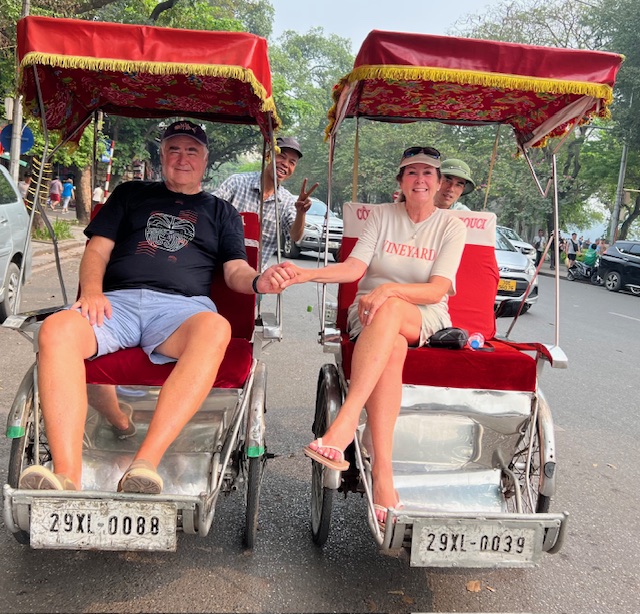
Must-See Side Trip: Ha long Bay A magical experience—consider an overnight cruise. We recommend:

Ha Long Bay is one of the most beautiful places in the world. The best way to enjoy it is on a overnight cruise. We highly recommend booking your overnight cruise here on Viator.
Phnom Penh, Cambodia
With over 2.3 million residents, Cambodia’s capital is steeped in history—from the Royal Palace to the somber Killing Fields. The economy is supported by garment manufacturing, agriculture, and tourism.
Personal Insight: While Phnom Penh is developing rapidly—largely due to Chinese investment—the long-term impact of these partnerships remains uncertain. Democracy is trying to take hold, but Chinese influence is still very present.
Must-See Side Trip: Siem Reap and Angkor Wat (see below)
Bangkok, Thailand
Thailand’s bustling capital is home to over 10 million people and is one of Southeast Asia’s most developed cities. Known for vibrant nightlife, shopping, temples, and street food, Bangkok is a dynamic blend of tradition and modernity.
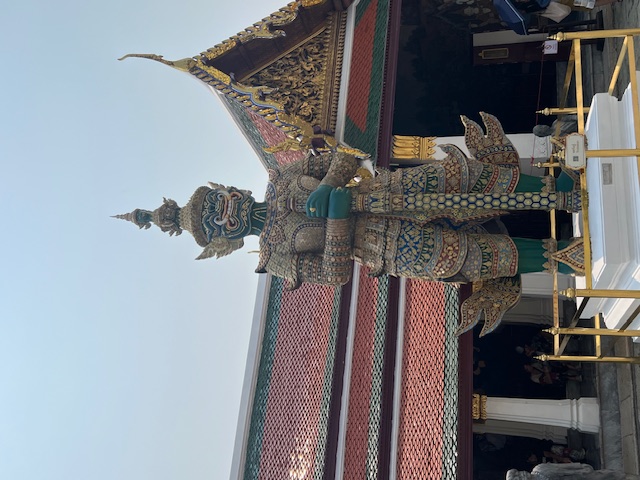
Personal Insight: We stayed two nights during our Spring 2023 tour—clearly not enough. Compared to Saigon, Bangkok is more modern, organized, and larger. Cos noticed immense changes since his business trip here in the early 1990s.
We were there during Songkran (Thai Water Festival) —an amazing experience. Water fights were everywhere, even at the upscale St. Regis, where colorful water guns were sold in the lobby. However, with the extreme heat, you won’t mind getting soaked!
Kuala Lumpur, Malaysia
Kuala Lumpur, the capital of Malaysia, has an estimated population of 9 million people. The city has a diverse mix of ethnic groups, including Malays, Chinese, Indians, and Indigenous communities.
Interesting Facts: The name Kuala Lumpur means “muddy confluence” in Malay, referring to the meeting point of the Gombak and Klang Rivers.
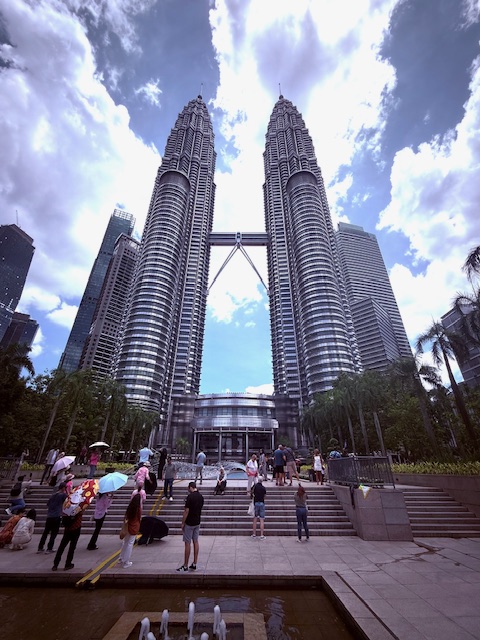
Petronas Towers – KL is home to the world’s tallest twin towers. The Petronas Towers were the tallest buildings globally from 1998 to 2004.
Singapore
A modern city-state with over 5.8 million residents, Singapore is known for cleanliness, safety, and strict laws (yes, chewing gum is still forbidden). It’s a global financial hub with efficient infrastructure and a reputation for being one of the cleanest places in Asia—on par with Tokyo and Kyoto.
Personal Insight: We only had one overnight here, staying at the Conrad Hotel. A highlight was dinner at True Blue Restaurant , where we enjoyed traditional Peranakan cuisine —a flavorful fusion from Chinese settlers in Singapore, Phuket, and Malaysia. The host was incredibly gracious and informative.
Places to Visit in Southeast Asia: Fun Cities
Two of our favorite places to visit in Southeast Asia that were real surprises were Can Tho, Hoi An, Hue (Vietnam), and Siem Reap (Cambodia)
Travel to Southeast Asia: Can Tho, Vietnam
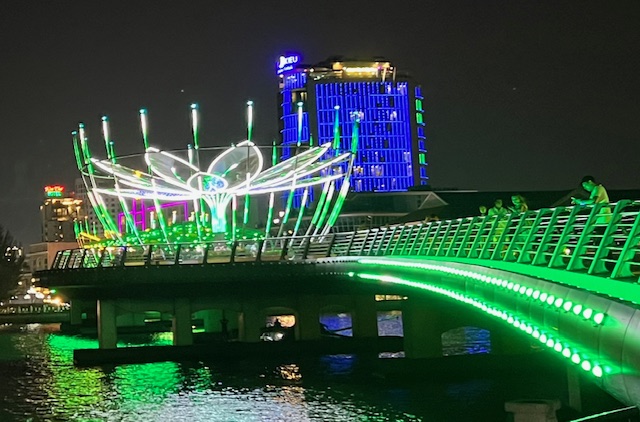
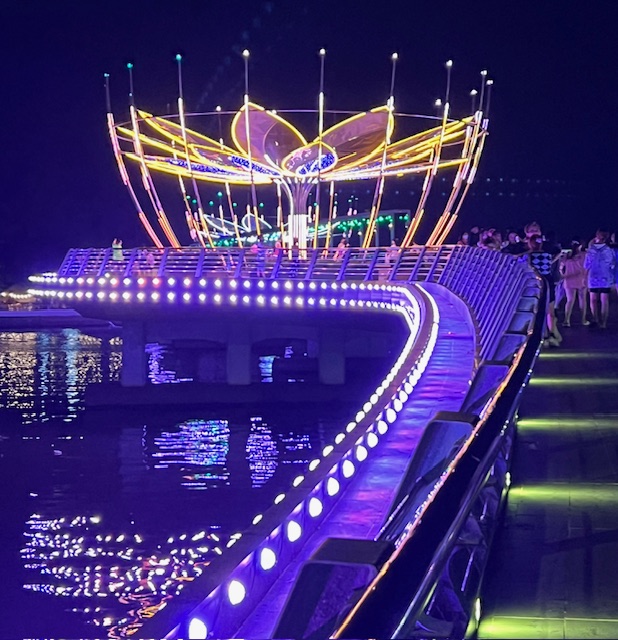
We hadn’t heard of it before our trip, but Can Tho charmed us with neon-lit streets, pedestrian bridges, music, and dinner boats. Families gathered for fun, music, and joy-filled nights.
Travel to Southeast Asia: Hoi An, Vietnam
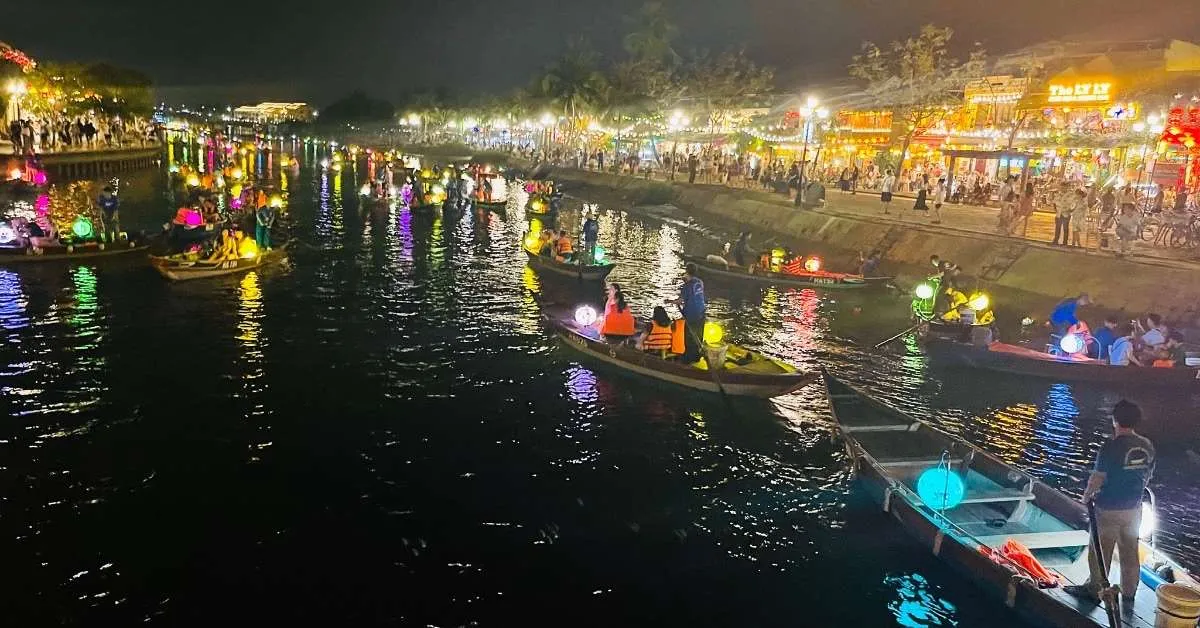
A serene riverside town that lights up each night with floating lanterns and romantic rowboats. The night market is vibrant, with quality goods and a festive energy that makes the whole town glow.
Travel to Southeast Asia: Hue, Vietnam
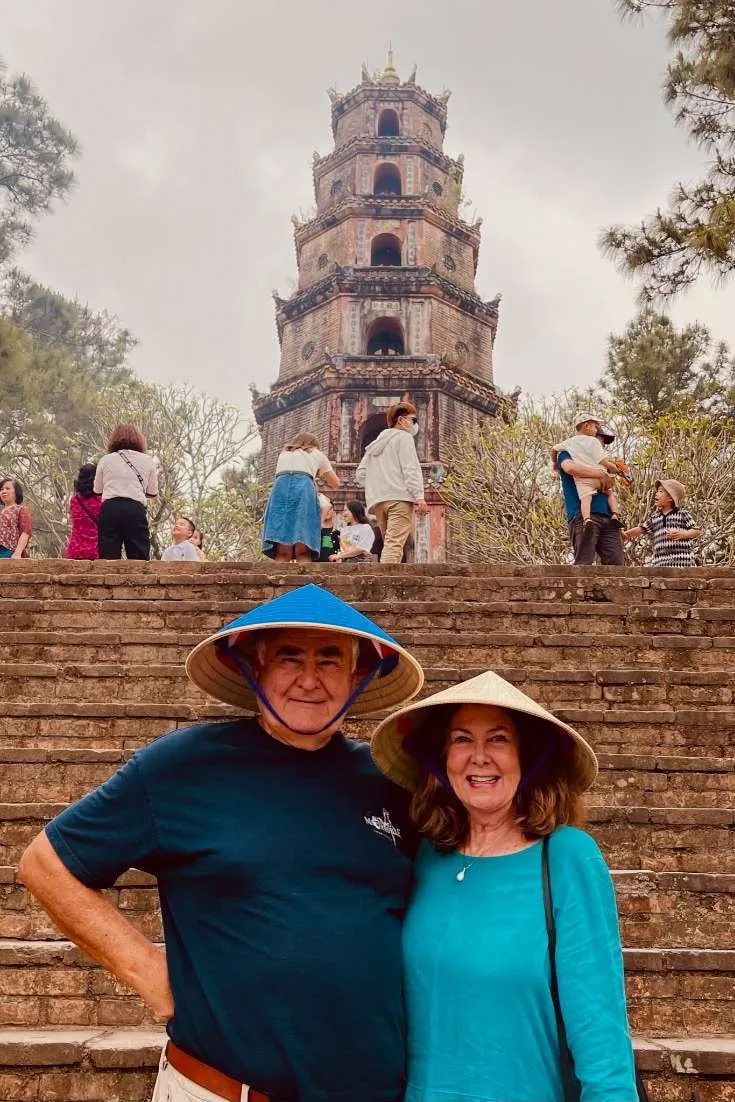
Hue is the former Capital of Vietnam and a very interesting city to visit. The Thien Mu Pagoda is very famous and is the logo of the city.
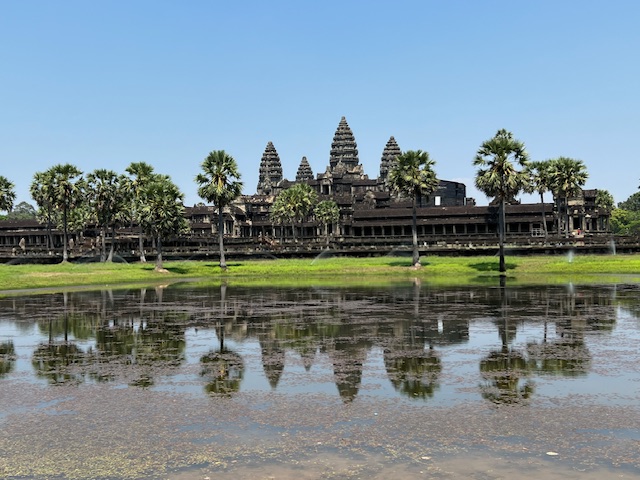
Travel to Southeast Asia: Reap & Angkor Wat, Cambodia
Angkor Wat is a must-see if you travel to Cambodia. It is truly a wonder of the world.
Pub Street was a surprise—rowdy, lively, and Western in music style. Think rock, jazz, and pop. The crowd thickens as the night goes on, and the street becomes one big outdoor party.
Best Southeast Asia Beach Resorts: Phuket, Thailand vs. Bali, Indonesia
Both beach resort locations are great places to visit in Southeast Asia. However, there are some differences as described below:
- Culture: Phuket has strong Thai-Buddhist roots and a formal atmosphere. Bali, predominantly Hindu, feels more laid-back and is known for colorful ceremonies, art, and music.
- Religion: Both destinations respect their spiritual roots. Phuket has many Buddhist temples; Bali is filled with beautiful Hindu shrines. Tourists are encouraged to dress modestly and behave respectfully at these sites.
- Economy: Tourism is the core of both economies. Phuket leans toward luxury and fine dining (we found Michelin-worthy restaurants there), while Bali is more eco-conscious and relaxed:
- Infrastructure: Phuket has better infrastructure—modern roads, more resorts, and safer motorbike options (like sidecar attachments). Bali, though more rural and rugged, has its own charm.
- Tourist Numbers: Phuket sees around 14 million visitors per year , while Bali attracts approximately 6 million . Both are incredibly popular, but Phuket edges out slightly with more attractions and better infrastructure.
Final Thoughts
All places in Southeast Asia are worth visiting. Whether you’re exploring ancient temples, enjoying lantern-lit river rides, or indulging in world-class cuisine, there’s something magical here for every traveler. Here are some additional posts that you might want to visit to get more details about each country that Robin and Cos have visited:
- Top 10 Places to Visit in Vietnam
- Vietnam Best Time to Visit for Your Dream Vacation
- Beach Resorts Near Ho Chi Minh City: Vung Tau Vietnam Beach
- Phuket Tourist Places to Visit in Phuket, Thailand
- Visit Thailand: Bangkok and Phuket
- Visiting Malaysia Places to Visit
- Best Time to Visit Singapore
- Visit Cambodia
- Unique Intramuros Tour in Manila, Philippines
- How Many Days to Spend in Bali?
0 Comments