
Contents
- 1 Trips to Japan: Cultural Differences
- 2 Recommended: 10-day Japan Itinerary for First-Time Visitors
- 3 Traveling to Japan for the First Time: Planning Your 10-Day Japan Itinerary
- 4 Traveling to Japan for the First Time: Shrines and Temples
- 5 Traveling to Japan for the First Time: Train and Subway Travel
- 6 Travel to Japan for the First Time - Shinkansen High Speed Train
- 7 10-Day Japan Trip: Food and Alcohol
- 8 Traveling to Japan for the First Time: Tokyo
- 9 10-Day Japan Trip - Mount Fuji, Japan
- 10 Traveling to Japan for the First Time - Kyoto
- 11 Visit Japan - Arashiyama Forest Bamboo Grove
- 12 Visit Japan - Osaka
- 13 10-Day Japan Trip Final Stop: Hiroshima
- 14 Conclusion
Trips to Japan: Cultural Differences
Japan stands out from most Western countries in several ways, from cultural norms to daily life practices. In this post, we will explain the cultural differences and better prepare you for "Traveling to Japan for the first Time." We will also recommend a "10-Day Japan Itinerary" as a starting point for your itinerary to help you plan your trip. But first, let's take a good look at some of the key cultural differences you should be aware of before traveling to Japan for the first time.
Social Etiquette & Communication
- Indirect Communication – Japanese people often use subtle cues and nonverbal gestures, whereas Western cultures tend to be more direct.
- Bowing vs. Handshakes – Japanese people bow to show respect instead of shaking hands.
- Silence in Public Spaces – Talking loudly in public, especially on trains, is frowned upon in Japan, while it's more common in Western countries.

Work Culture & Ethics
- Long Working Hours – Japan has a strong work ethic, with employees often working long hours and prioritizing group harmony over individual success.
- Extreme Punctuality – Being on time is crucial in Japan, whereas Western cultures tend to be more flexible with time.
Dining & Food Customs
- Chopstick Etiquette – Unlike Western table manners, Japan has strict chopstick rules, such as not crossing them or sticking them upright in rice.
- No Tipping Culture – In Japan, tipping is not expected and can even be seen as rude, whereas tipping is common in Western countries.
- Slurping Noodles – Making slurping sounds while eating noodles is considered polite in Japan, but it’s frowned upon in the West.
Education & School System
- Entrance Exams for All Levels – Japanese students take entrance exams for junior high, high school, and university, unlike Western countries where exams are mostly for college.
- Students Clean Schools – Instead of hiring janitors, Japanese students clean their own classrooms, promoting responsibility and discipline.
Individualism vs. Collectivism
- Group-Oriented Society – Japan values group harmony and collectivism, while Western cultures emphasize individualism and personal freedom.
- Decision-Making – In Japan, decisions are often made collectively, whereas Western cultures encourage independent thinking.
Urban Cleanliness & Public Behavior
- No Littering – Japanese streets are spotless, and people often carry their trash home instead of using public bins.
- No Public Displays of Affection – Hugging or kissing in public is rare in Japan, whereas it’s common in Western countries.
We strongly recommend that you visit Japan at some point in your life. It is a fascinating country with a rich cultural heritage and a unique blend of modern and traditional elements. The government has faced several challenges recently, including an aging population, economic stagnation, and natural disasters such as earthquakes and tsunamis. Despite these challenges, Japan has a strong and stable political system, with a constitutional monarchy and a parliamentary government. A solid foundation is demonstrated in their politeness and respect for others. From the first moment you arrive in the country, it is obvious that you will be treated like a guest, and despite historic differences between Japan and Westerners, we never felt disliked or unsafe. Japan is consistently ranked as one of the safest countries in the world. It has low crime rates, strict gun control laws, and a strong cultural emphasis on social harmony. It is very welcoming to foreigners, particularly Americans.
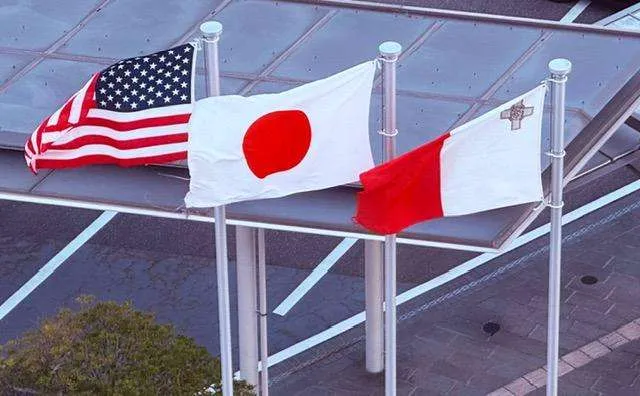
The dynamic culture is based on respect for authority and others and traditional religious practices. Cos and Robin visited in 2023 and again in 2025 and were surprised on both trips that so many people were still wearing masks, even when just walking outside on the streets. This was particularly relevant, especially since the government never mandated wearing masks during the COVID pandemic. Despite one of the longest COVID shutdowns of any country, this demonstrated to us the country's strong conforming nature and the respect people have for one another.
Recommended: 10-day Japan Itinerary for First-Time Visitors
On her first visit to Asia in 2023, Robin traveled to Japan for the first time. "Traveling to Japan for the first time" can create anxiety, as the language, traditions, ethics, and customs are all different from what we are exposed to in the Western world. This post will relieve any anxiety from your first trip and provide you with a well-designed "10-Day Japan Itinerary."
Nevertheless, when "Traveling to Japan for the First Time," we strongly recommend that you plan on taking a "10-day Japan Itinerary". Some might ask, "Do I need to stay 10 days if I am anxious and nervous?" Simple, there is so much to see and learn about in Japan, that any time less than 10 days will leave you without a good understanding of the people or the culture of the country. Cos has made many trips to Japan, each a new adventure, where he has visited new places and learned more. In addition, if you are traveling from far away, like Western Europe or North America, you need at least 10 days to appreciate the long voyage that transported you to Japan.
Traveling to Japan for the First Time: Planning Your 10-Day Japan Itinerary
Planning a 10-day trip to Japan? Here’s a potential 10-Day Itinerary covering the major cities of Tokyo, Kyoto, Osaka, and Hiroshima, with a mix of culture, nature, and food.
Day 1-3: Tokyo
- Shibuya & Shinjuku – Explore neon-lit streets, visit Meiji Shrine, and try local ramen.
- Akihabara & Asakusa – Experience anime culture, shop for electronics, and visit Senso-ji Temple.
- Day Trip to Hakone or Nikko – Enjoy hot springs, scenic views, and historical sites.
Day 4-6: Kyoto & Nara
- Fushimi Inari Shrine – Walk through thousands of torii gates.
- Kinkaku-ji & Arashiyama Bamboo Forest – Visit Kyoto’s golden temple and scenic bamboo grove.
- Day Trip to Nara – Meet friendly deer and explore Todai-ji Temple.
Day 7-8: Osaka
- Dotonbori & Osaka Castle – Enjoy street food and visit the historic castle.
- Universal Studios Japan – Perfect for theme park lovers.
Day 9-10: Hiroshima & Miyajima
- Peace Memorial Park – Learn about Hiroshima’s history.
- Miyajima Island – See the floating Torii gate and explore Itsukushima Shrine
10-Day Japan Trip: How to Get To All These Different Places From the Airport
Great question! To make the most of your 10-day Japan trip, you'll need to travel efficiently. Chances are you arrived in Japan at either the Narita or Haneda Airport. However, traveling around Japan is done best by other transportation means. Here are some key tips:
1. Use the Japan Rail Pass:
- The JR Pass allows unlimited travel on bullet trains (Shinkansen), making long-distance travel fast and cost-effective.
- If you're visiting Tokyo, Kyoto, Osaka, and Hiroshima, the 7-day JR Pass can save you money.
2. Take Bullet Trains (Shinkansen)
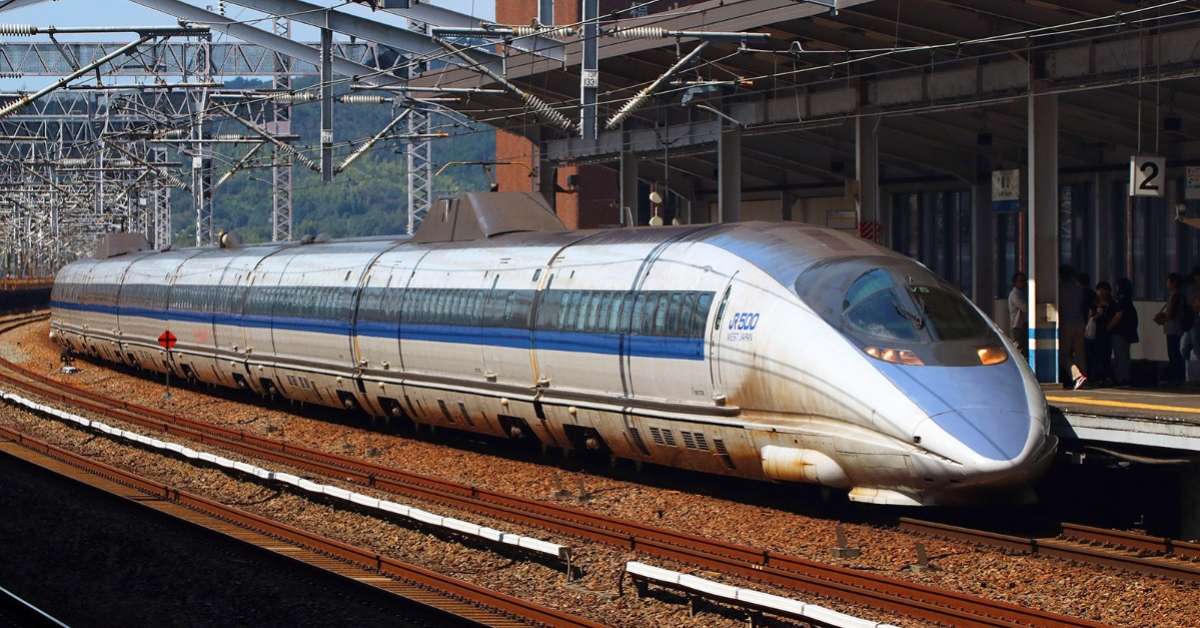
- The Shinkansen is the fastest way to travel between cities.
- Example travel times:
-
- Tokyo → Kyoto: ~2h 15m
- Kyoto → Osaka: ~15m
- Osaka → Hiroshima: ~1h 30m
3. Plan Day Trips Strategically
- Nara (from Kyoto) – Just 45 minutes by train.
- Hakone (from Tokyo) – Around 90 minutes by train.
- Miyajima (from Hiroshima) – 30 minutes by ferry.
4. Use Local Trains and Public Transportation Smartly
- Tokyo Metro & Kyoto Buses – Get IC cards like Suica Card or Pasmo for easy travel.
- Osaka Amazing Pass – Covers transportation & attractions.
5. Stay Near a Major Train Station
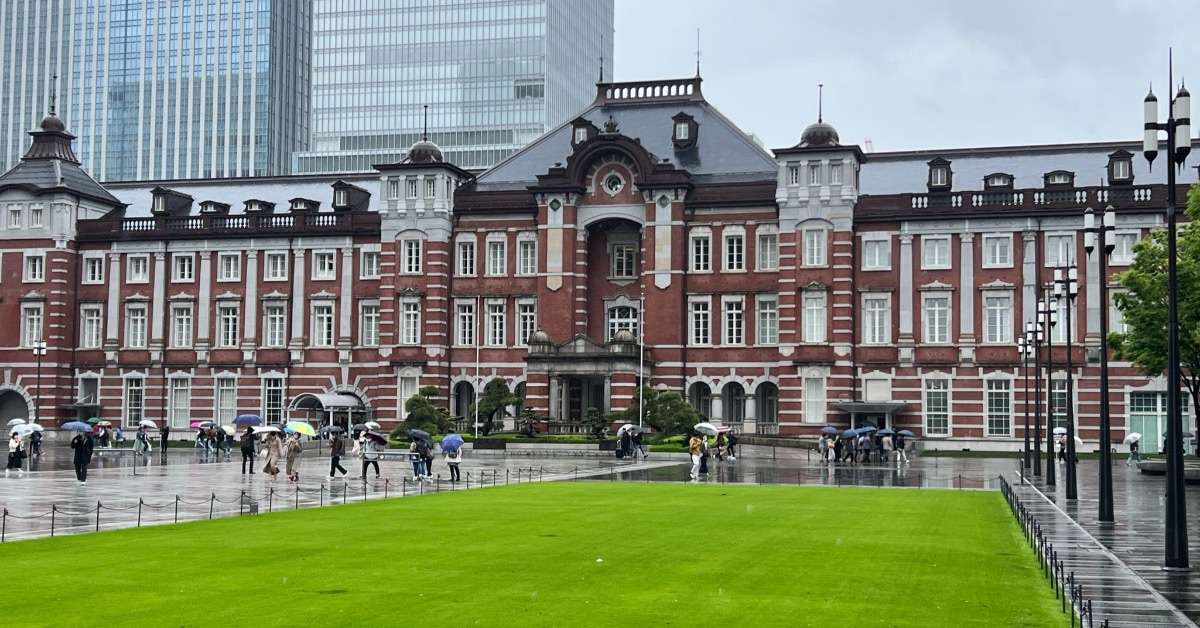
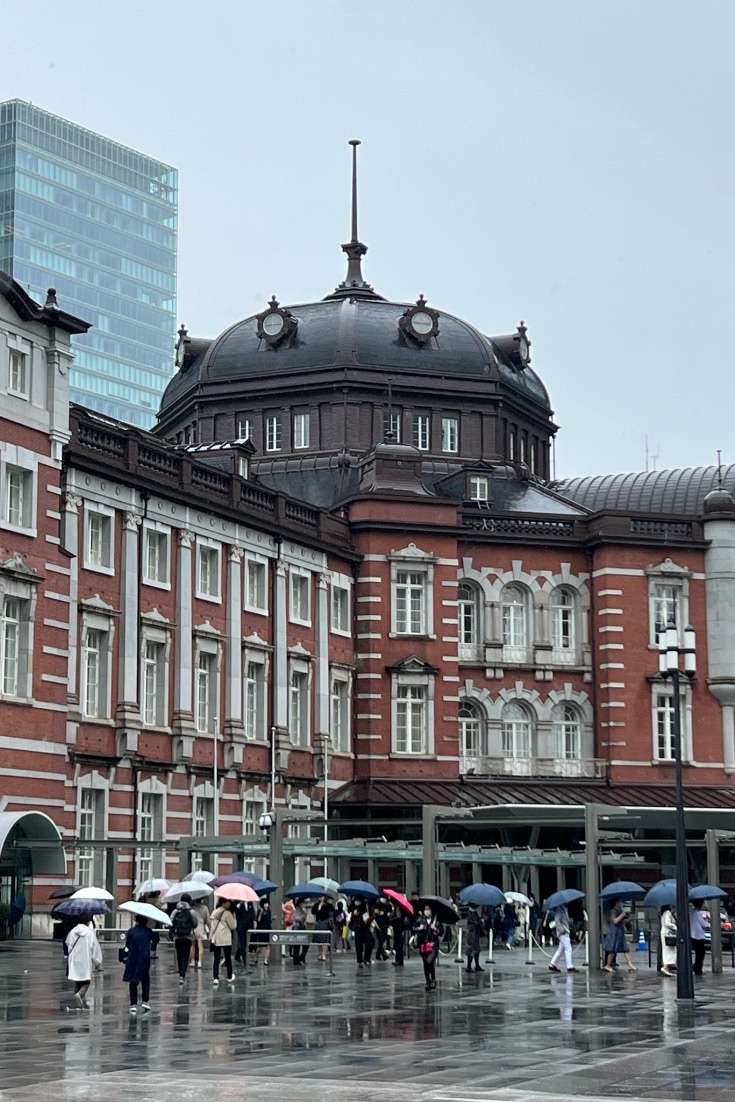
- Booking hotels near major train stations (like Tokyo Station-picture below, Kyoto Station, or Osaka Station) saves time and hassle.
6. Travel Light
- Use luggage forwarding services (like Takkyubin) to send bags ahead, so you can travel hands-free.
7. Start Early & Prioritize
- Begin your days early to maximize sightseeing.
- Focus on must-see places rather than trying to visit everything.
Alternative 10-Day Japan Trip Itinerary
If you are like Cos and Robin, while the above 10-Day Japan Trip will get you to see four of the most touristed cities in Japan (Tokyo, Kyoto, Osaka and Hiroshima), it is possible that the pace may be a bit too aggressive. They prefer to spend more than two days in most places that they visit. Both Kyoto and Tokyo can easily support three of four days including no side trips. If you can only do three days in each of these cities, then definitely eliminate the side day tour.
Also, a key question is what time of year should we be "Traveling to Japan for the First Time?" To help you answer the question, we suggest you view our post Tips For Travel to Japan.
The other challenge with the planned itinerary, is that by ending in Hiroshima, there are no direct flights from Hiroshima to most places other than in the immediate East Asian Region. That will require you to transfer flights in either Tokyo or another hub city nearby adding more travel time to your 10-Day Japan Trip. For example if you ended in Osaka, you can get a direct flight back to the USA or other western countries.
Traveling to Japan for the First Time: Shrines and Temples
Religion in Japan is a combination of Shintoism and Buddhism. There are many shrines and temples in Japan, however there is a big difference between shrines and temples.
Shrines
- Shrines are often dedicated to deities from Shintoism, a religion native to Japan
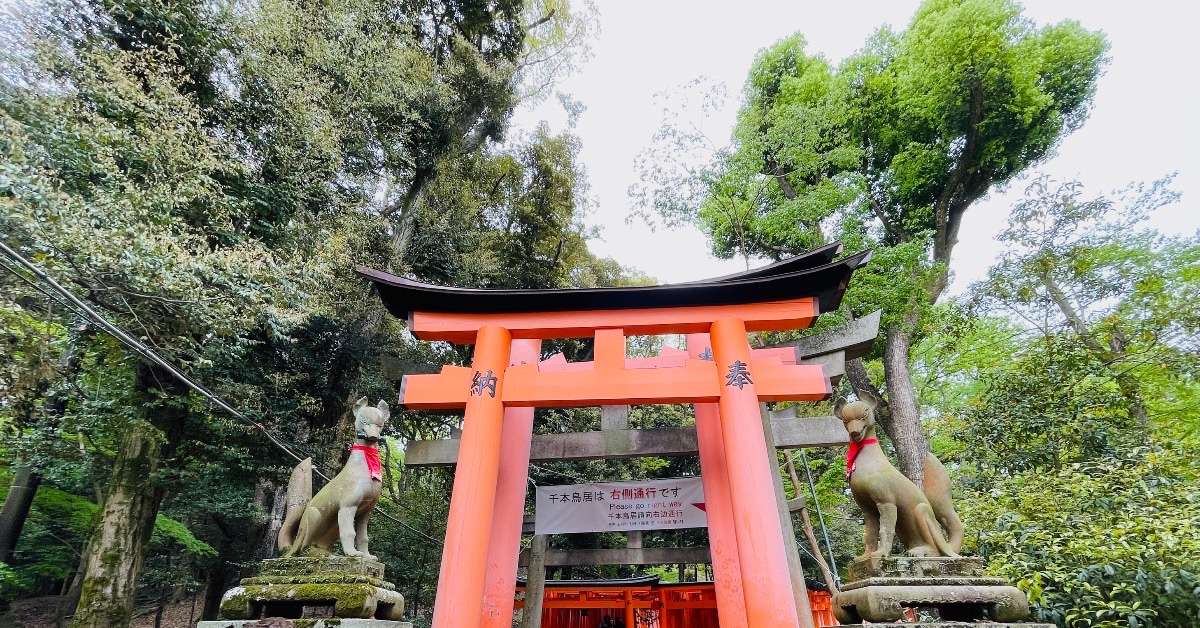
- You will always find one or more torii (or gate)
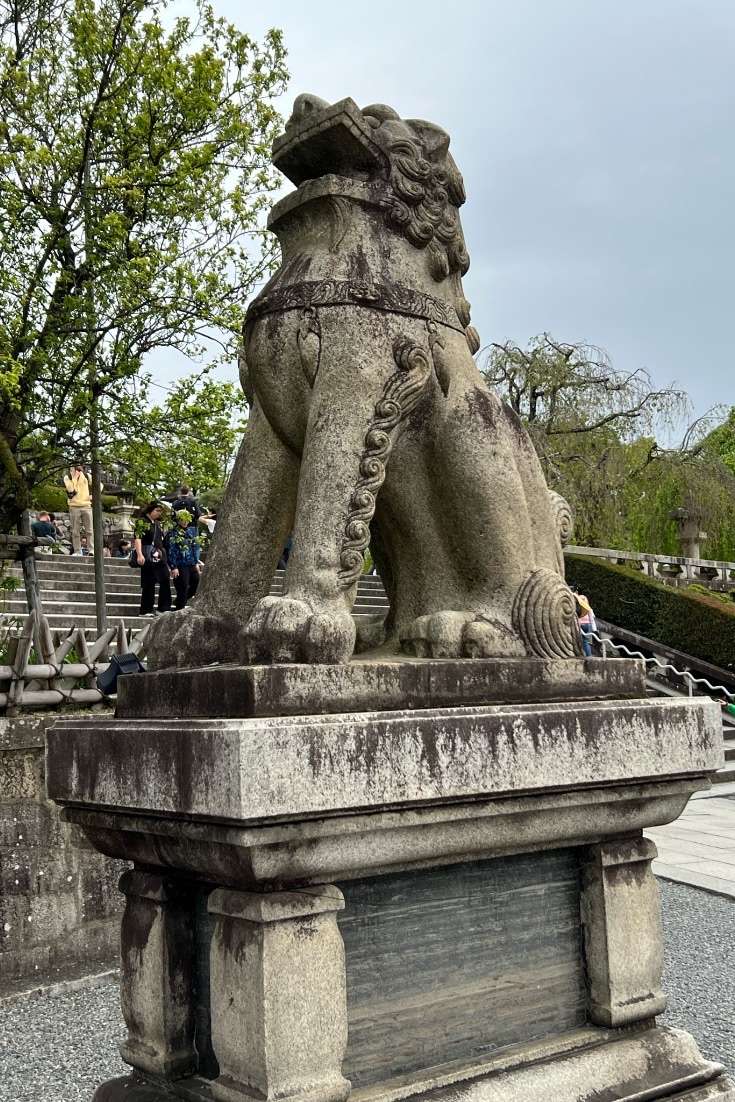
- They often have some sort of guardian animal such as dogs, lions, or foxes
Ancient Temples
- Temples are based in Buddhism
- Often there will be a pagoda on the premises
- They always house an image of Buddha
- You will often find incense burning (the smoke is said to have healing properties and many wave the smoke toward their faces)
Traveling to Japan for the First Time: Train and Subway Travel
Japan has very extensive and complex train and subway systems. The train and subway lines are operated by many different companies. This makes changing trains a little challenging. Nevertheless, once you figure out the system it is by far the easiest way to get around.
The subways in Tokyo can be particularly daunting as the stations are all named in Japanese and changing from one line to another involves going through different toll gates and usually includes a good walk. They have improved this over the years, as there is now a letter and numbering system that identifies stations and makes it a little easier for the non-Japanese reader to figure out the system. With the help of a guide on day one in Tokyo, we quickly learned the system and on day two we were quite comfortable on our own. We were very happy with Get Your Guide which recommended a great guide to take us around Tokyo. In fact, she contacted us well in advance to see what we wished to see and do so she could prepare our private tour. Click on the Get Your Guide Logo

Interested in traveling and taking a tour? Get Your Guide is the best place to find the best tours and the best guides in most places around the world. Find out for yourself, click below.
Tokyo Station
The Tokyo Station is a key central location in the city where many subway lines meet the Shinkansen and other long distance trains. It is a short walk from the station to the Imperial Palace. The station is a beautiful building designed to look like the train station in Amsterdam, Netherlands,
The long distance train system is fantastic. As a visitor to Japan you can purchase a train pass that allows you to travel all over the country. The only problem is that you must purchase it before you come to the country and then exchange your voucher for the pass at the train station when you arrive. Lines to exchange the voucher for the pass can be long.
Travel to Japan for the First Time - Shinkansen High Speed Train
The Shinkansen are high speed trains (“bullet train” was a name coined by western journalists at the 1964 Olympics and isn’t used in Japan). They are sleek, fast, comfortable, and efficiently transport millions of passengers each year from Shin-Hakodate Station in southern Hokkaido all the way to Kagoshima Chuo in southern Kyushu. We took the Shinkansen from Tokyo to Kyoto and totally enjoyed the ride. We wish we could have something like this in the states.
For more information about trains, we recommend that you visit our post on Scenic Trains.
10-Day Japan Trip: Food and Alcohol
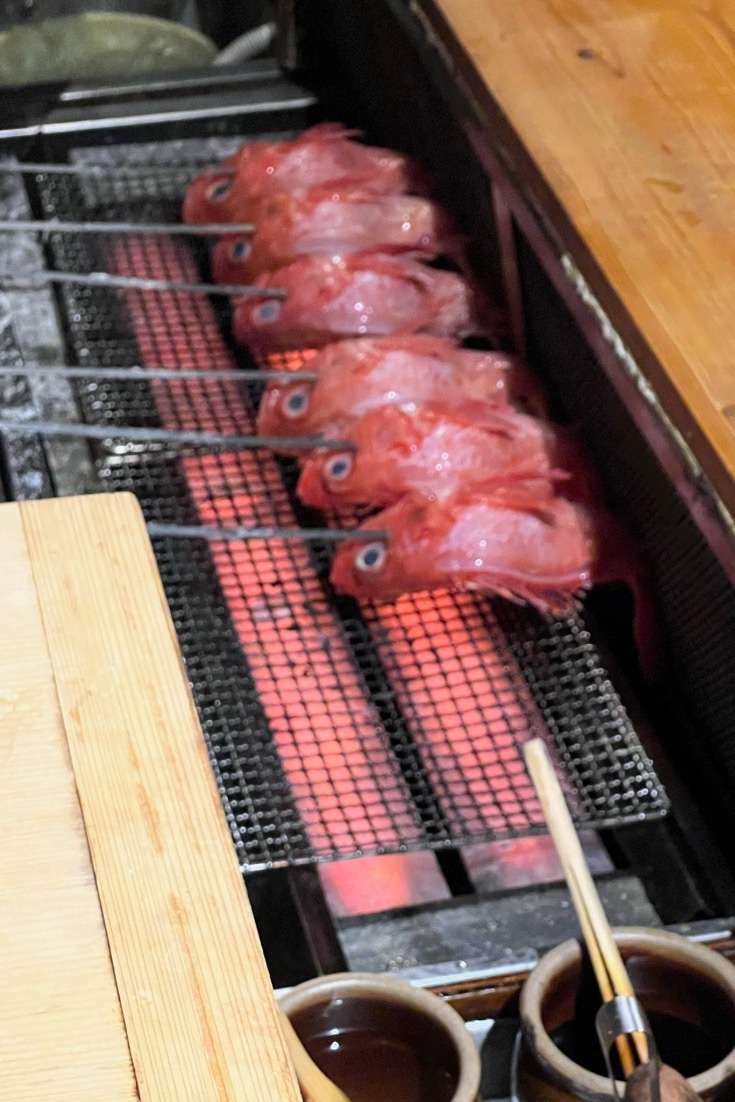
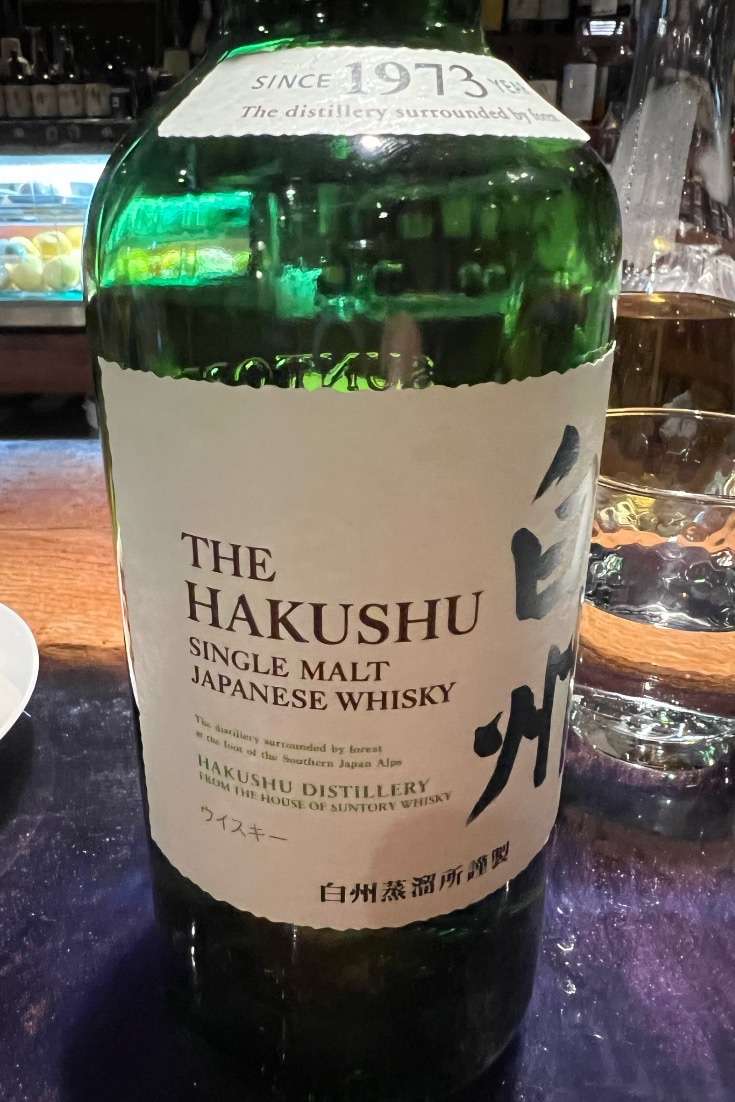
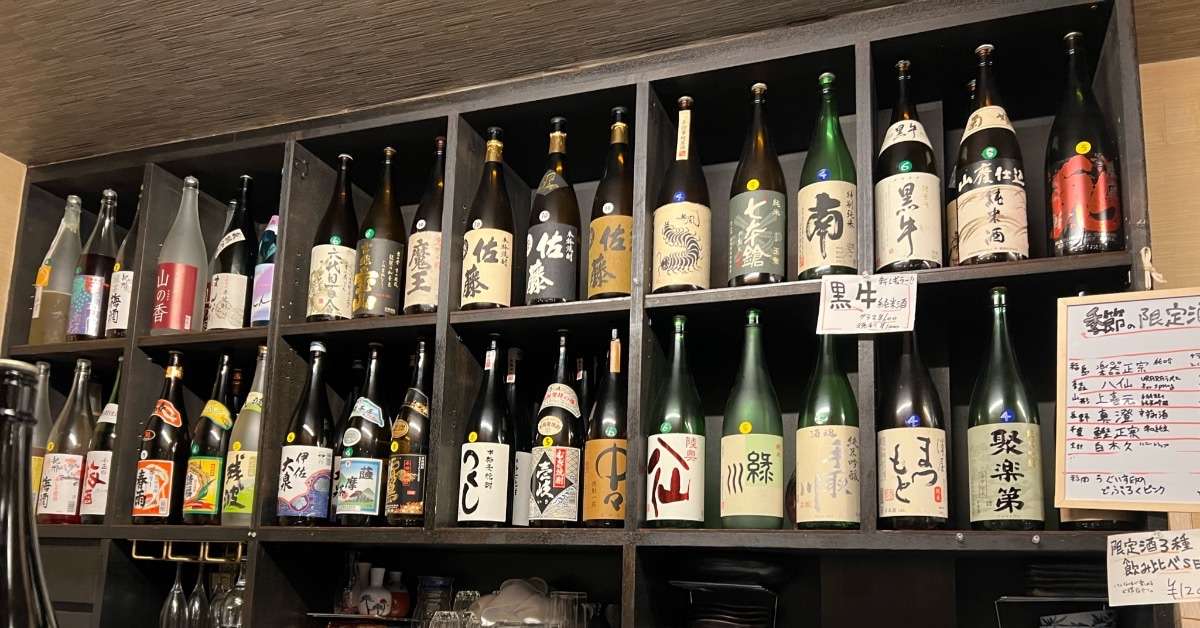
Food, Whisky and Sake are very important in Japan. Restaurants tend to be associated with a particular type of Japanese food such as sushi, tempura, ramen, udon or shabu-shabu. Much of the restaurant scene is related to the business community which historically in Japan was very male dominated. The Robatayaki type restaurant, with the grilled fish below, is a good example of a classic Japanese business focused restaurant. This particular restaurant had two chefs sitting before the grills and the food in the center of the room while the patrons sat at the U-shaped table around the cooks. As they finished cooking the course, they passed your food to you on a wooden palate.
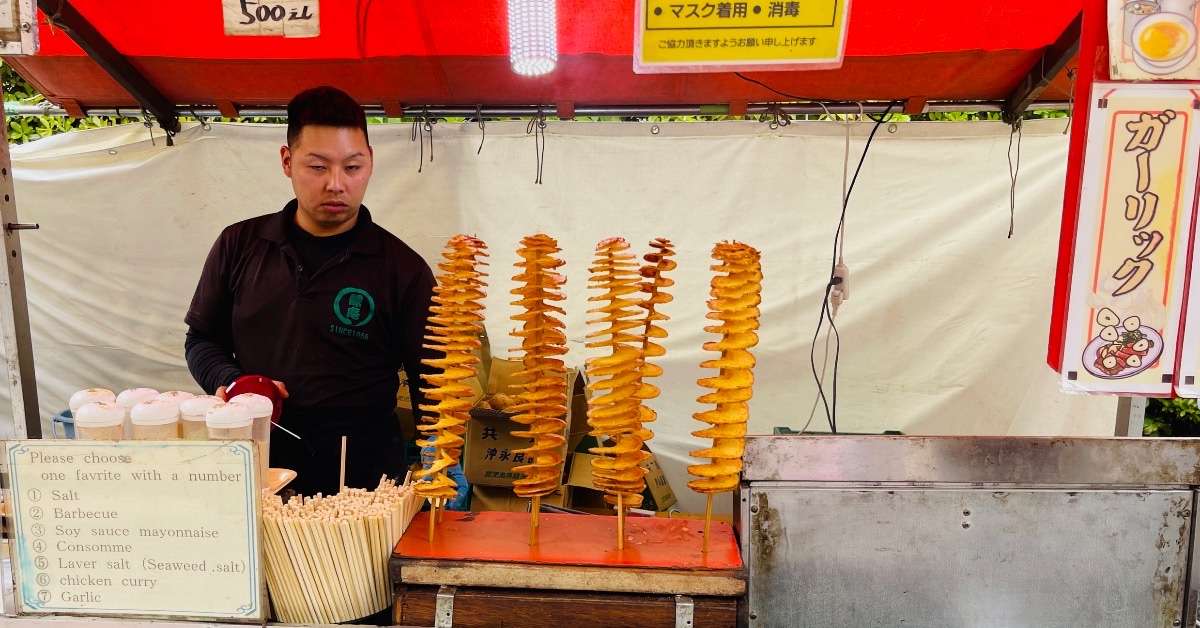
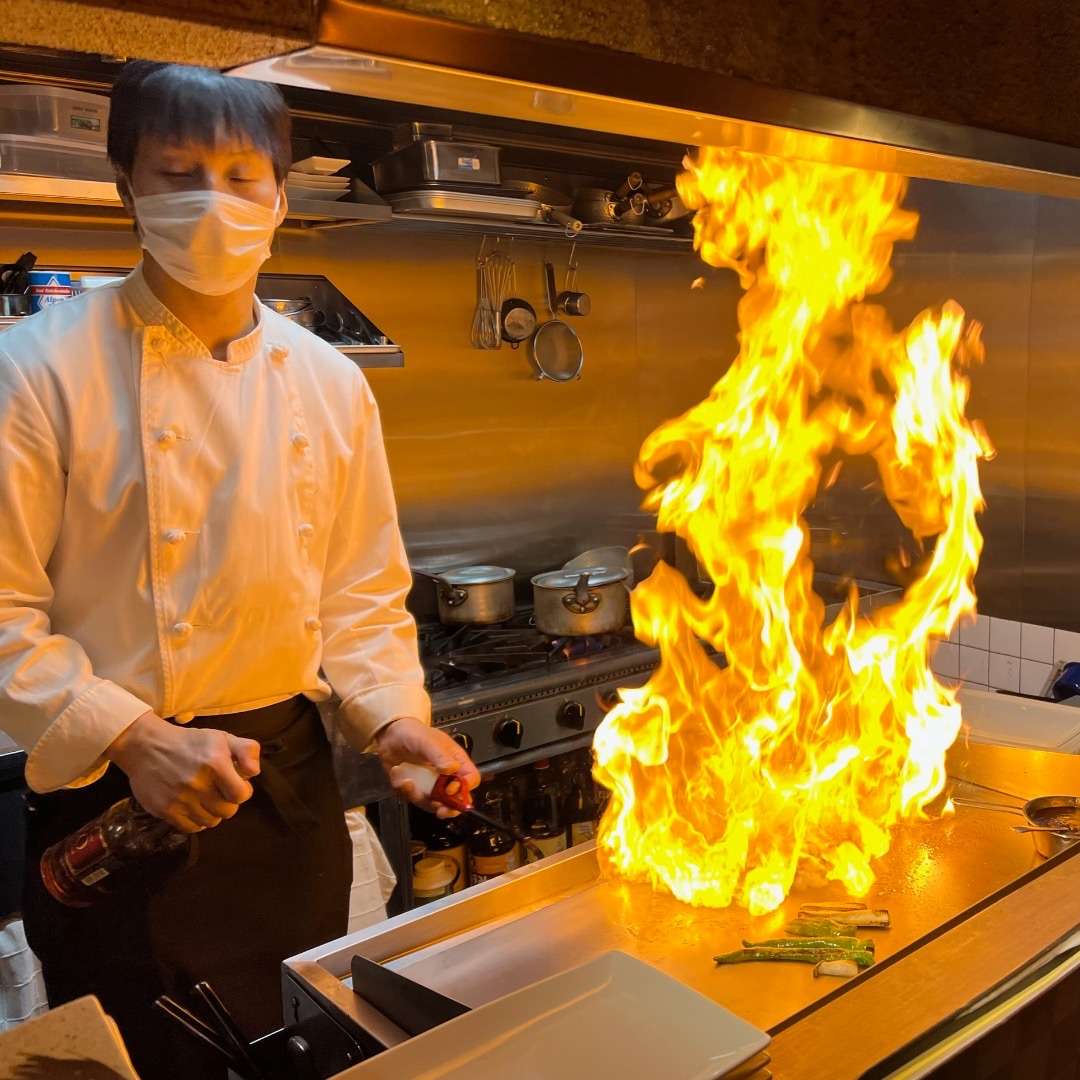
However, since WWII, Japan has also focused their restaurants on attracting tourists as evidenced by the Teppanyaki style of cooking. This involves cooking western food on a hot grill (see large picture below). When traveling to Japan for the first time, you will be surprised to find street food vendors at many tourist venues.
Japanese have historically preferred sake as their main alcoholic beverage. However, they now make some very good Gin and Whisky. Both have become very popular not only in Japan but throughout the world. For more information about our favorite restaurants please see our Restaurants Post.

Traveling to Japan for the First Time: Tokyo
Tokyo, Japan is a bustling metropolis that offers the perfect mix of ancient traditions and modern innovations. The city is a must-visit destination for anyone traveling to Japan for the first time. There is so much to see and do, from exploring the beautiful temples and shrines to shopping in covered alleys, to indulging in the delicious local cuisine.
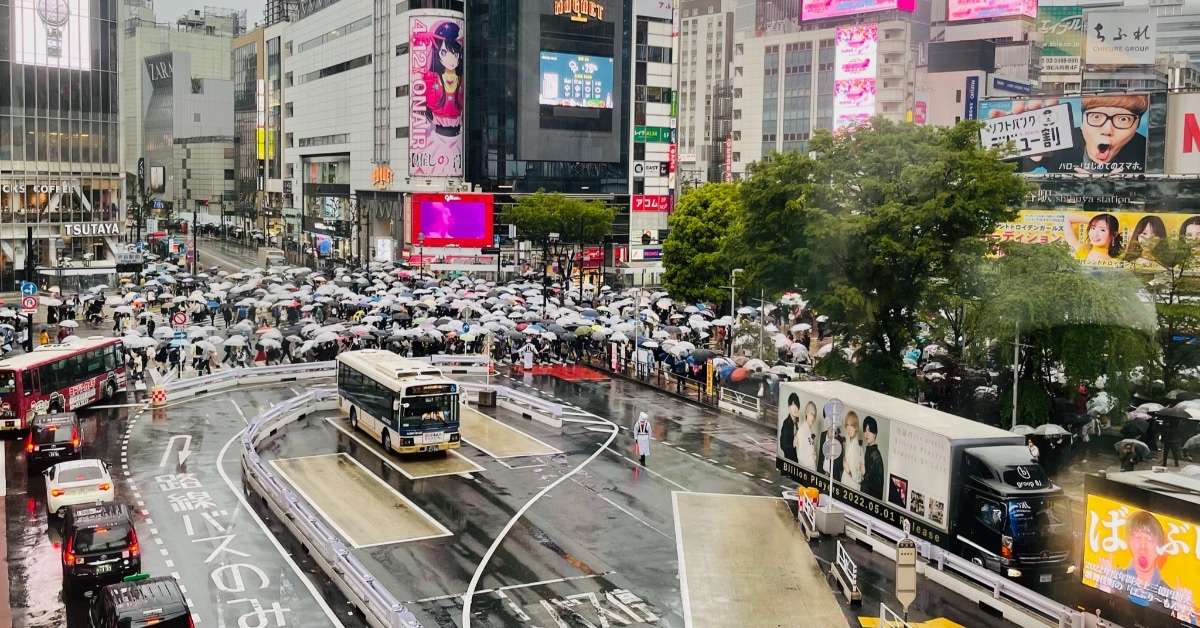
10-Day Japan Itinerary: Shibuya Crossing
One of the most iconic spots in Tokyo is the Shibuya Crossing, where thousands of people cross the street at once, creating a mesmerizing spectacle. Essentially, all the vehicle traffic turns red allowing the pedestrians to cross wherever they want to go. It's a friendly and exciting place where you can experience the energy of Tokyo in full force. When traveling to Japan and Tokyo for the first time, don't get caught up in this traffic jam.
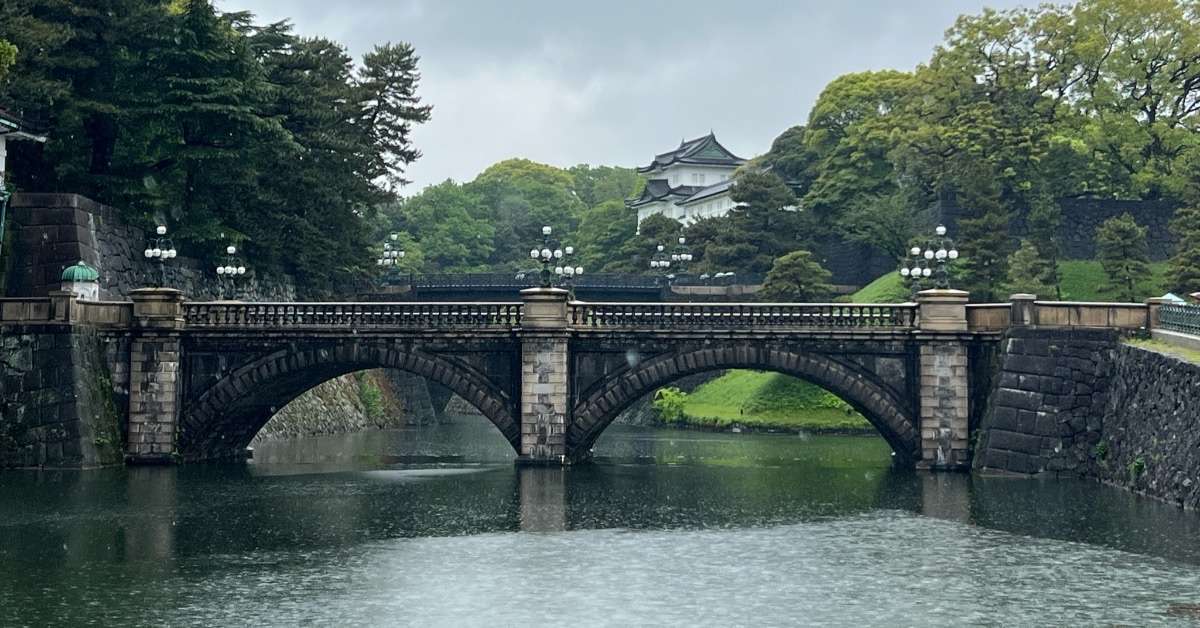
10-Day Japan Trip: Imperial Palace
The Imperial Palace in Tokyo is a must-visit for anyone traveling to Japan. This stunning palace is situated in the heart of Tokyo and is surrounded by beautiful gardens and scenic views. Visitors can take a guided tour of the palace and learn about the rich history and culture of the Japanese monarchy. The palace grounds are also a popular spot for jogging and picnics, and you'll often see locals enjoying their lunch breaks in the tranquil gardens. Overall, the Imperial Palace is a serene and peaceful oasis in the midst of Tokyo's bustling cityscape, and is definitely worth a visit.
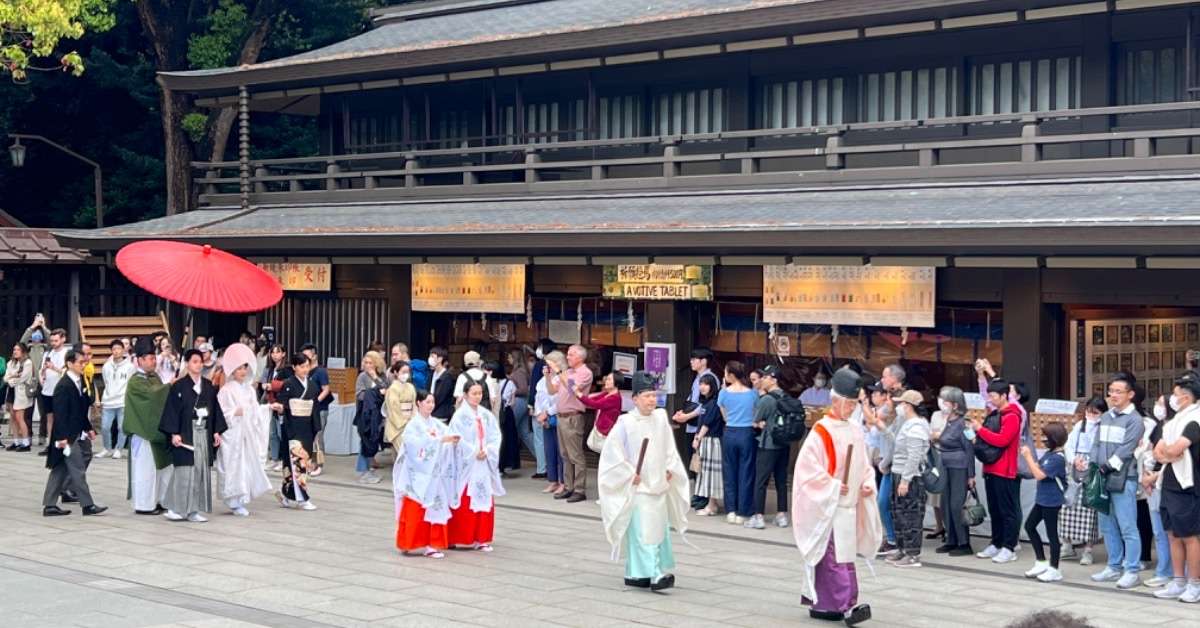
Meiji Jingu Shrine
Meiji Jingu Shrine is an incredible place to visit in Tokyo. The shrine was built in 1920 to honor Emperor Meiji and Empress Shoken, and it's surrounded by a beautiful forest that makes you feel like you're miles away from the city. When you enter the shrine, you'll be amazed by its stunning architecture and the peaceful atmosphere. You can also write your wishes on small wooden plaques called ema and hang them up for good luck. If you're lucky, you might even witness a traditional Shinto wedding ceremony taking place as we were able to do (see below). Overall, Meiji Jingu is a must-see attraction that will leave you feeling serene and inspired.
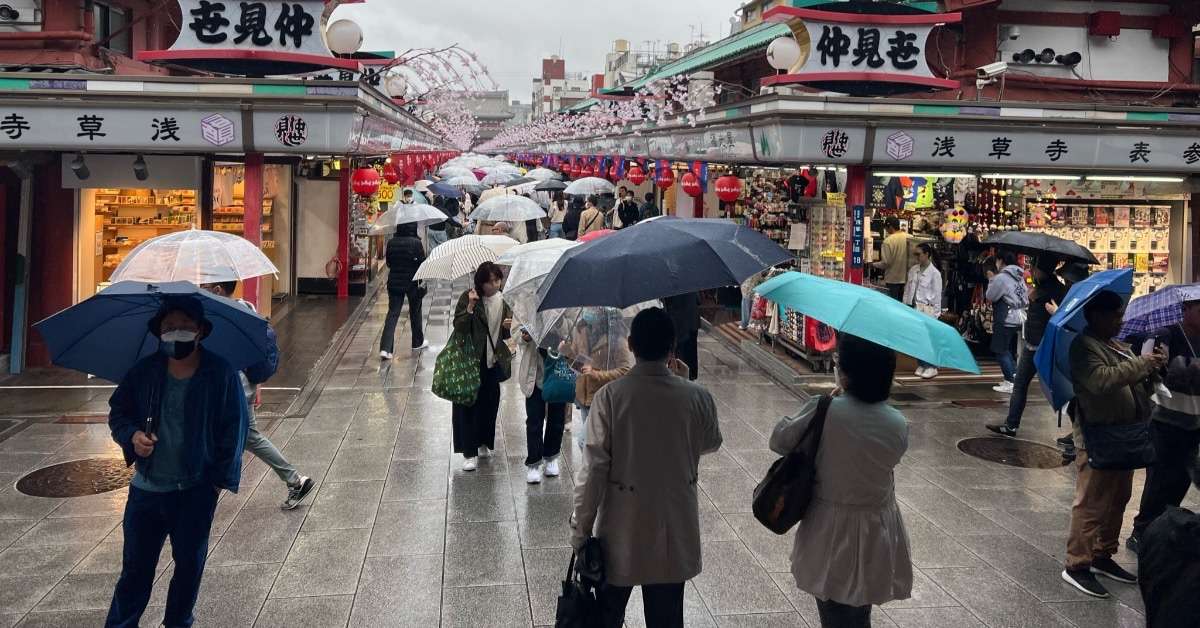
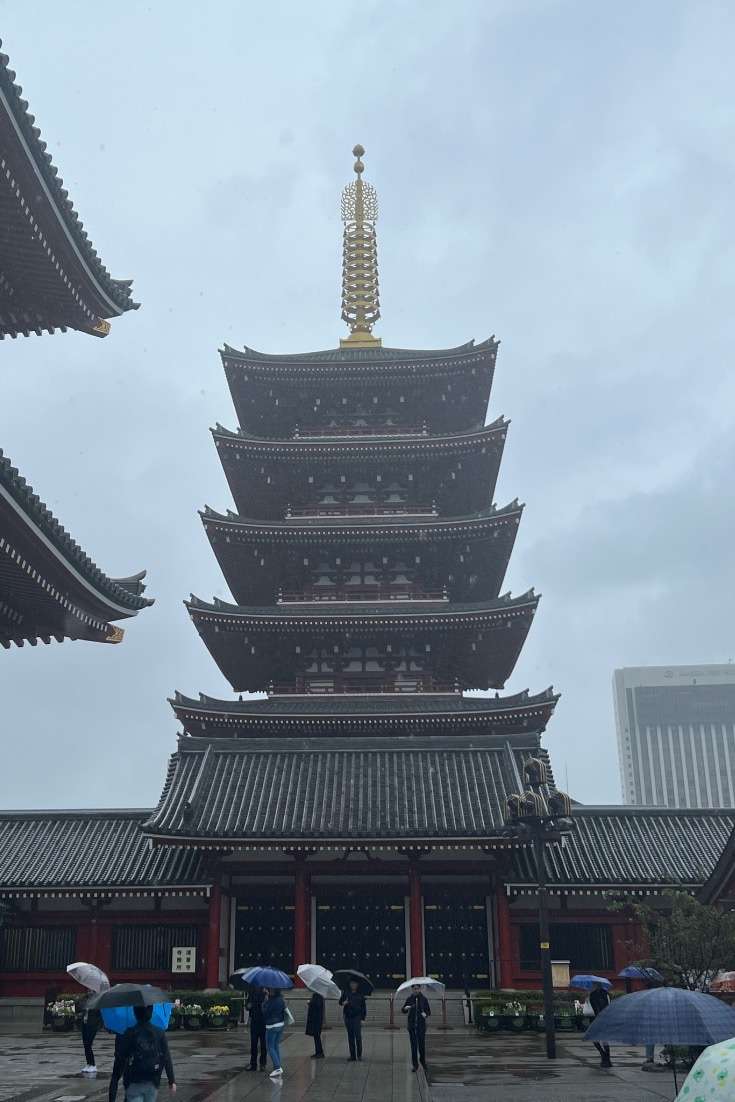
Senso-Ji Temple
Senso-ji Temple is an incredible tourist attraction in the heart of Tokyo. It's a must-visit destination for anyone interested in Japanese culture, history, and spirituality. The temple has a rich history dating back over a thousand years and is one of the oldest and most important Buddhist temples in Japan. The vibrant, bustling streets leading up to the temple are filled with unique shops and street vendors selling traditional souvenirs and delicious local snacks. Once you enter the temple grounds, you'll be in awe of the stunning architecture and peaceful atmosphere. Don't forget to toss a coin into the giant incense burner for good luck and take a moment to admire the stunning five-story pagoda. Senso-ji Temple is an unforgettable experience and a must-visit attraction for anyone exploring Tokyo.
10-Day Japan Trip - Mount Fuji, Japan
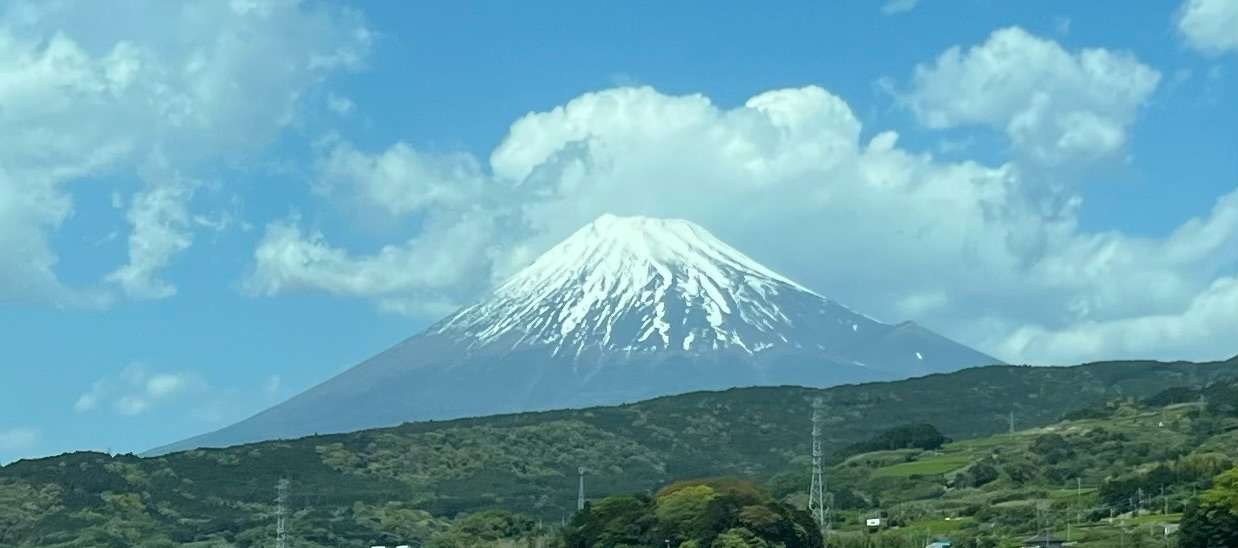
When you are "Traveling Japan for the First Time," make sure you see Mount Fuji. It is the highest mountain in the Japanese Alps, over 12,000 feet high and is visible from many places in the central part of Japan. Cos took this picture from the Shinkansen Bullet Train traveling south from Tokyo.
Traveling to Japan for the First Time - Kyoto
Kyoto, Japan is a truly magical place that you must visit at least once in your lifetime. As we did in Tokyo, we found an excellent local guide through Get Your Guide. As with our Tokyo guide, this gentleman contacted us ahead of time to see what we wanted to see. He was amazing, fitting in every one of our wishes and giving an appreciation for the art of Japanese gardening. Kyoto became our favorite city in Japan.
Undoubtedly, this charming city is steeped in history and culture, making it the perfect destination for anyone who loves art, architecture, and nature. Kyoto is famous for its stunning temples and shrines, including Kinkaku-ji, which is renowned for its glittering golden exterior. The city is also known for its traditional Japanese gardens, which are breathtakingly beautiful and serene. You can stroll through the streets of Kyoto and explore its charming shops, restaurants, and tea houses. There is always something to see and do in Kyoto, from visiting the famous geisha district of Gion to taking a relaxing soak in a traditional Japanese hot spring. With its friendly locals and welcoming atmosphere, Kyoto is sure to capture your heart and leave you with unforgettable memories.
Gion District
If you're looking for a truly authentic experience in Kyoto, you simply can't miss the Gion district. The district is a charming area, with stunning traditional architecture, narrow streets, and of course, the famous Geishas. While you're in the area, be sure to catch a kabuki performance too! Whether you're a history buff or simply looking for a unique experience, the Gion district is an absolute must-see.
While in Kyoto, we found a wonderful evening food tour of the Gion District, again through Get Your Guide. In addition to us, there were three young men from Australia on break and our host who was a student in a doctorial program from Argentina. He had arranged for some great food and drink samples in hidden restaurants which were excellent. We highly recommend it as a great way to learn about the Gion District and enjoy some good food.
Interested in traveling and taking a tour? Get Your Guide is the best place to find the best tours and the best guides in most places around the world. Find out for yourself, click below.
Geishas
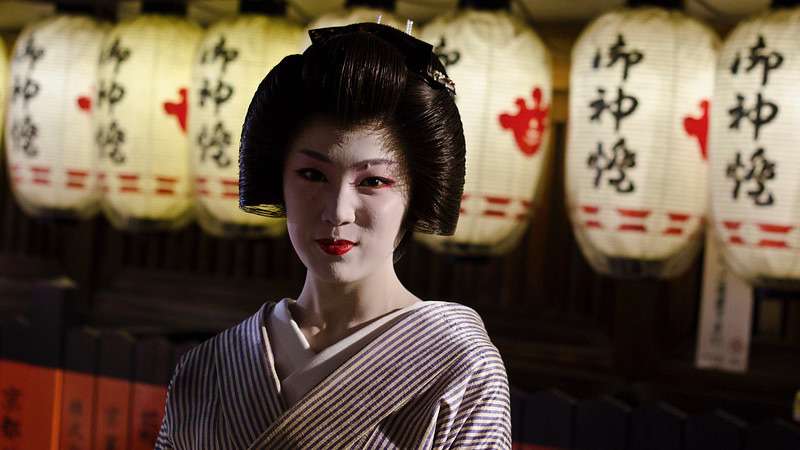
Geisha are a mainstay of the Gion District of Kyoto. These graceful performers are a true symbol of Japanese culture, and it's a real treat to see them in person. Unfortunately, the number of Geisha in Kyoto has declined rather rapidly over the past 50 years. There are less than 200 Geisha in Kyoto today, versus more than 500 fifty years ago. There are a number of reasons for this, primarily there is simply less interest in the traditional arts and it is a demanding craft.
Traveling to Japan for the First Time - Kabuki
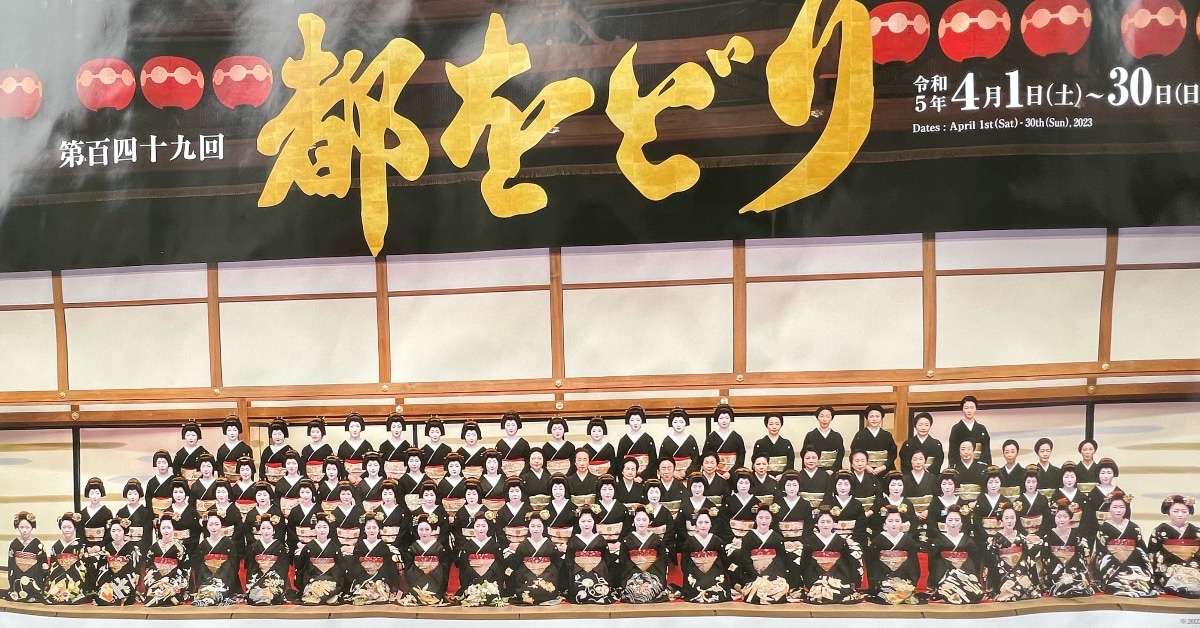
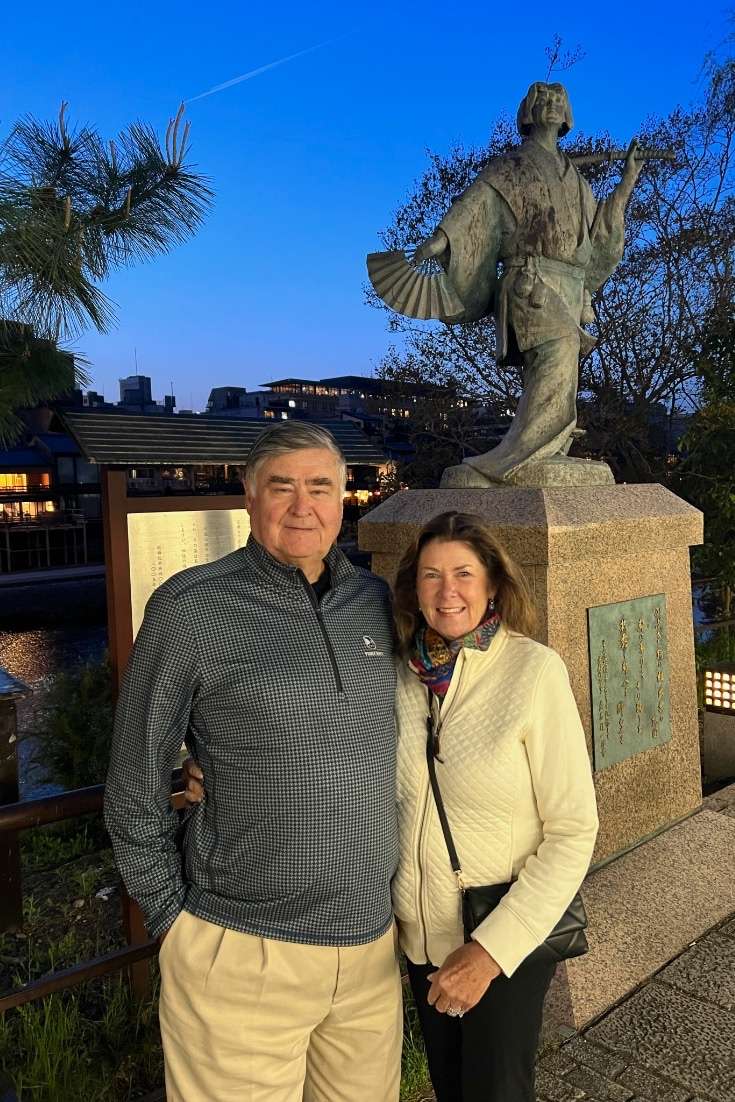
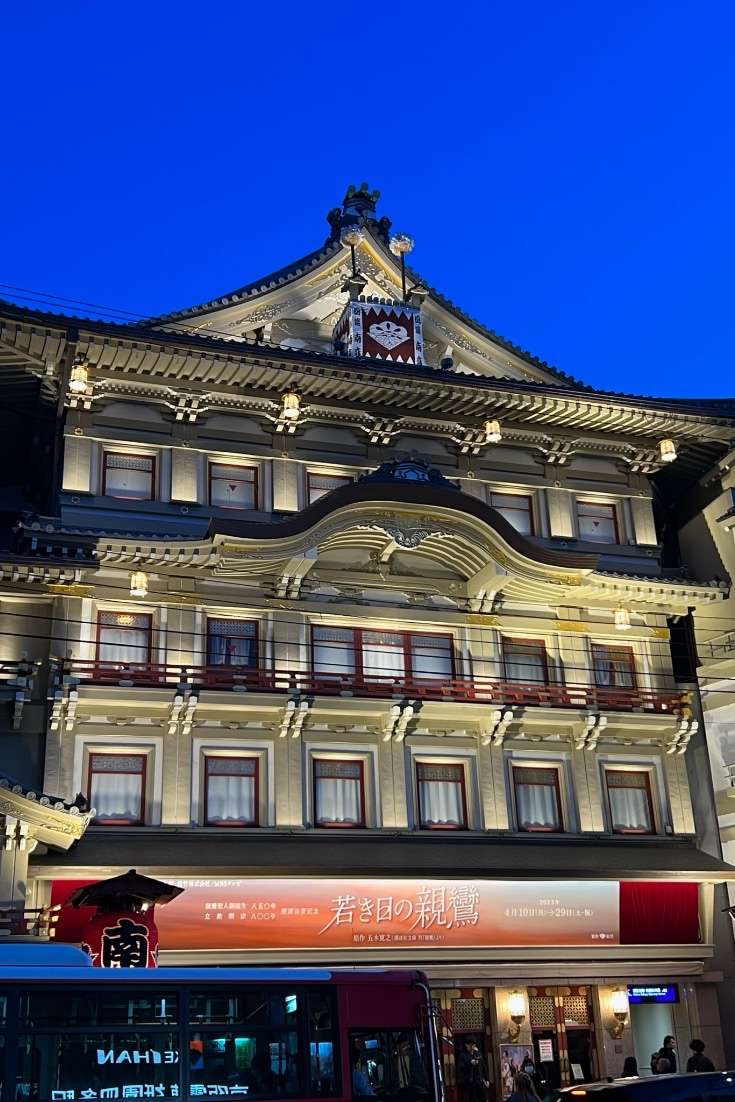
This type of theater is a real cultural gem, and the stunning costumes and makeup are sure to leave you in awe. Cos and Robin were not able to attend. But we got some pictures of the founder of the Kabuki art and of the theater. If you are interested in information about other unique theaters, please see our theaters post.
Yasaka Shrine
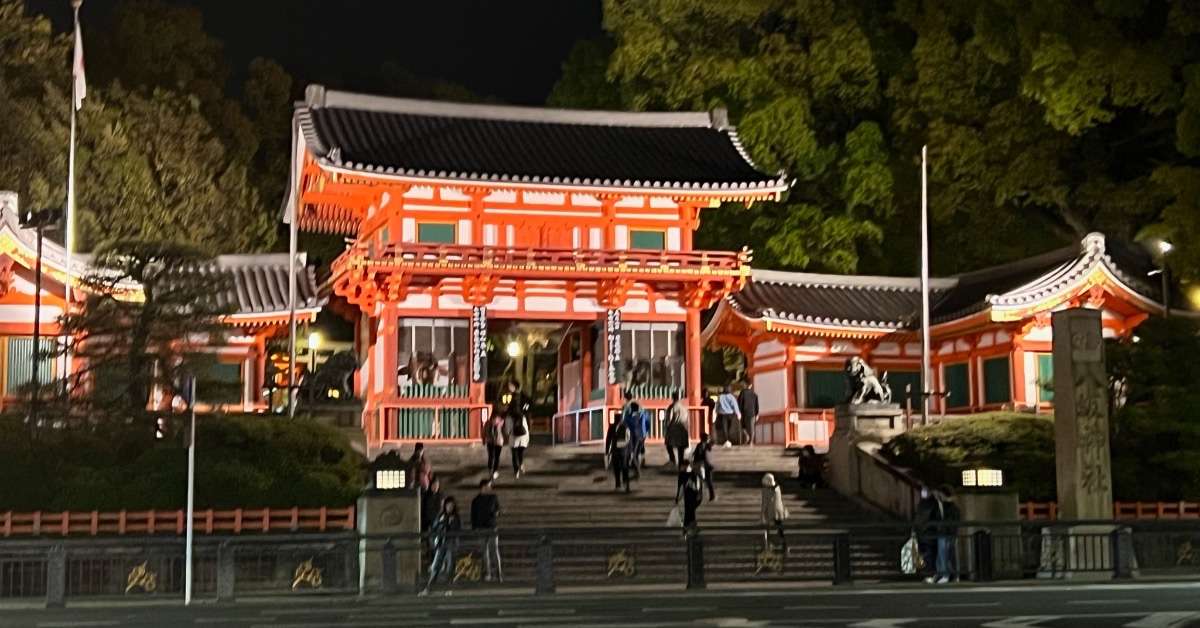
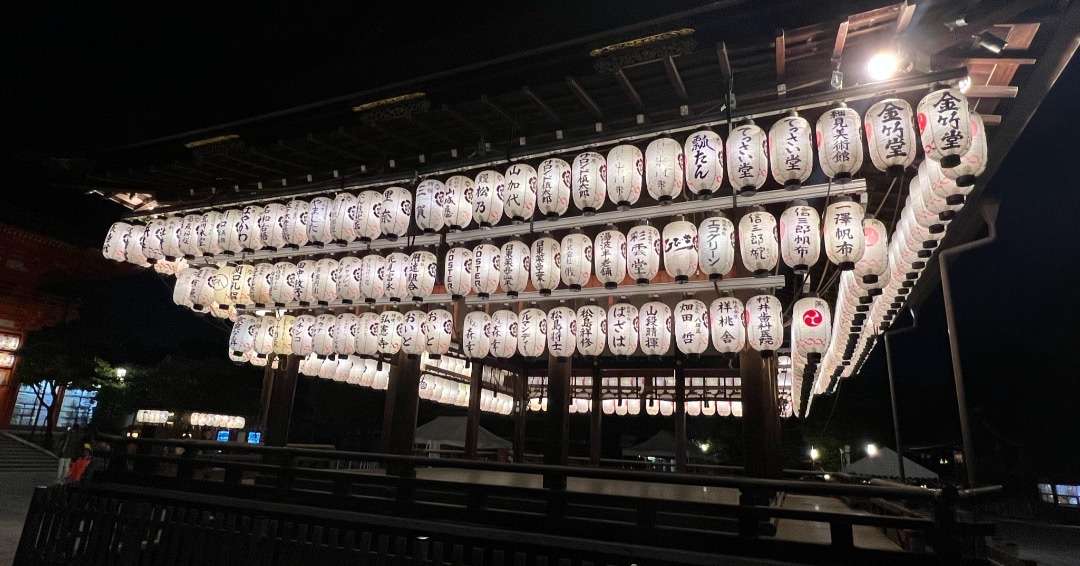
The Yasaka Shrine, once called the Gion Shrine, is a Shinto shrine in the Gion District of Kyoto, Japan. The initial construction of the shrine began in the 7th century when Kyoto was the Capitol of Japan. We were able to visit the shrine at night. This was particularly an attractive time to see the shrine,
Visit Japan - Fushimi Inari Shrine
Fushimi Inari Shrine is a must-visit destination for anyone traveling to Japan. Located in the Fushimi ward of Kyoto, this beautiful shrine is one of the oldest in the city and is steeped in history and tradition. The shrine is dedicated to the patron deity of sake brewers, making it a popular spot for locals and tourists alike. We found it to be much larger than we expected as you can see from the map below. It is a great money raising concept as there are thousands of gates paid for by various businesses and believers.
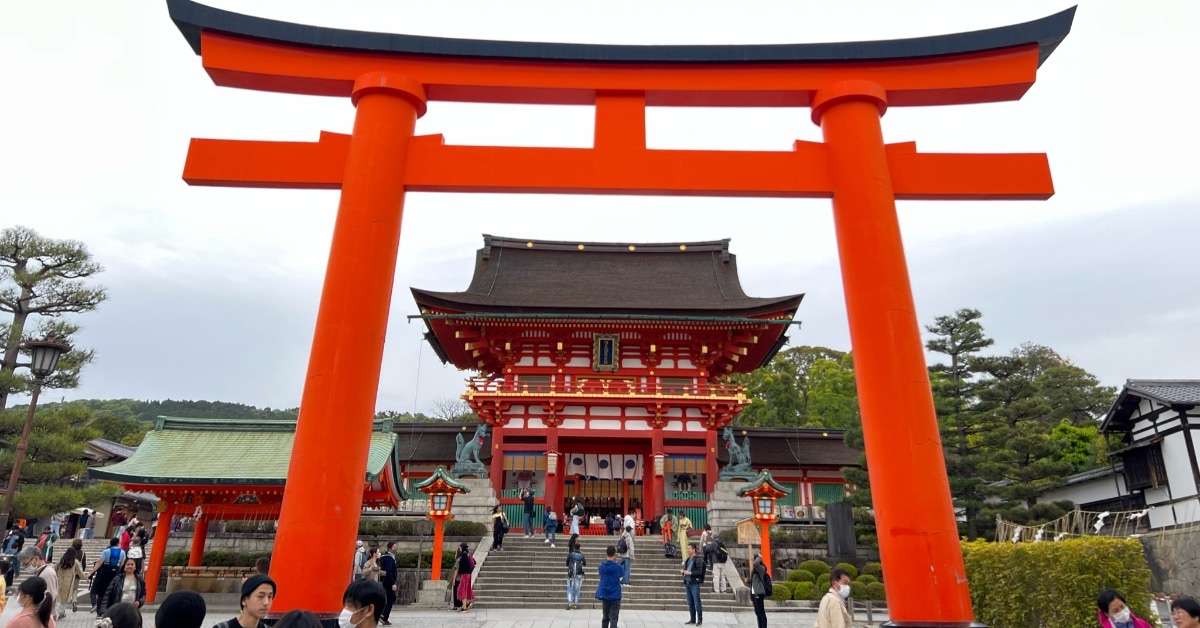
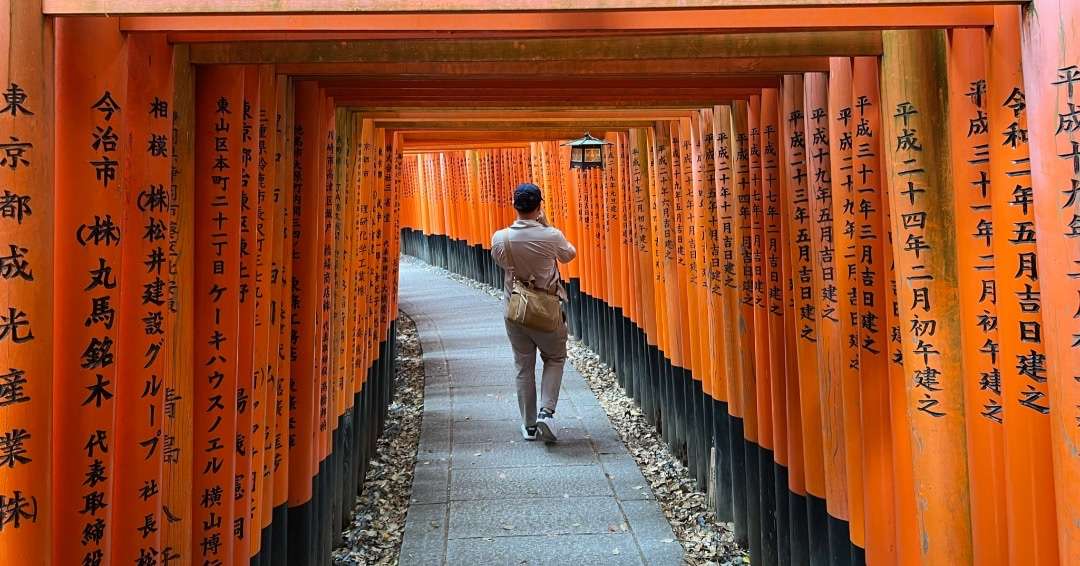
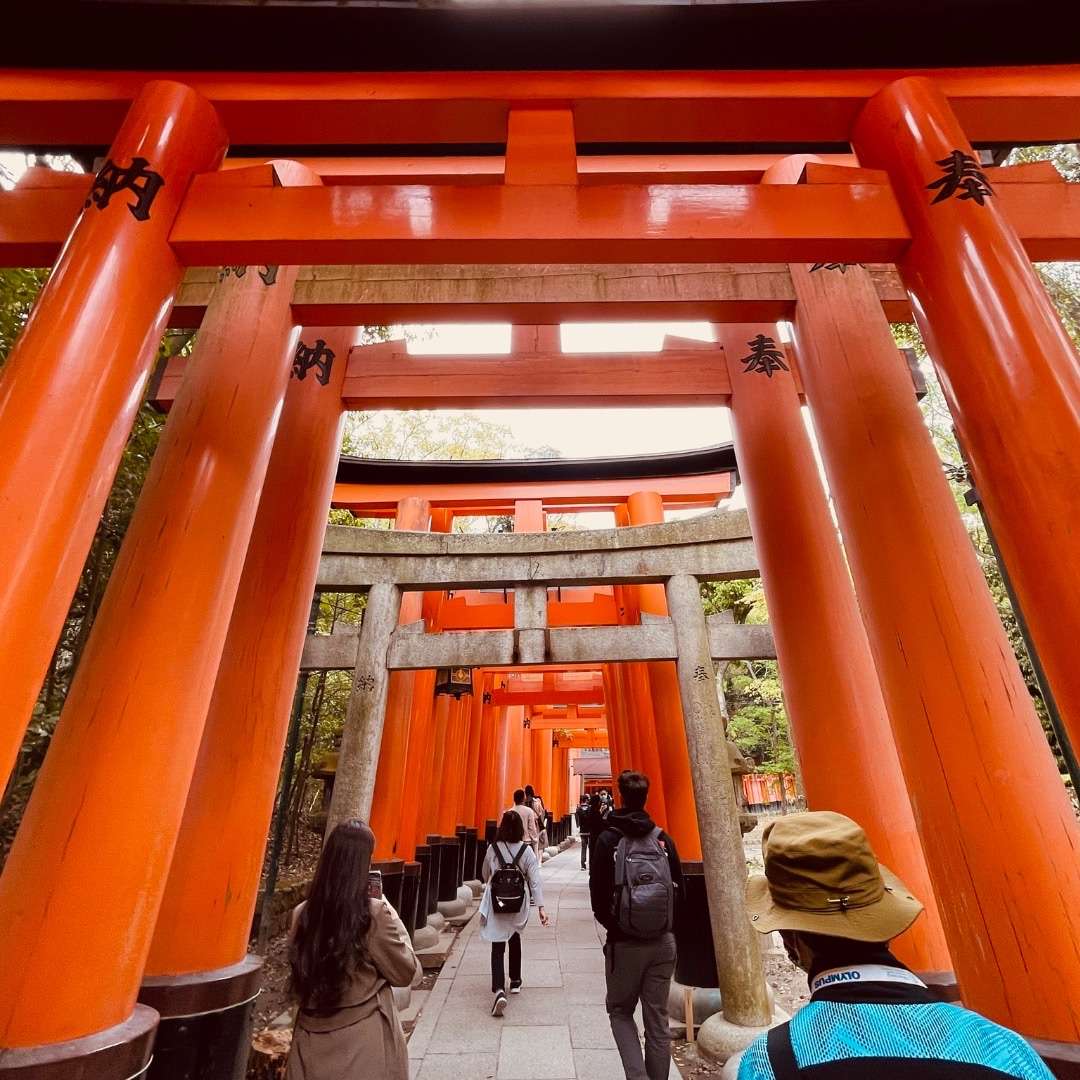
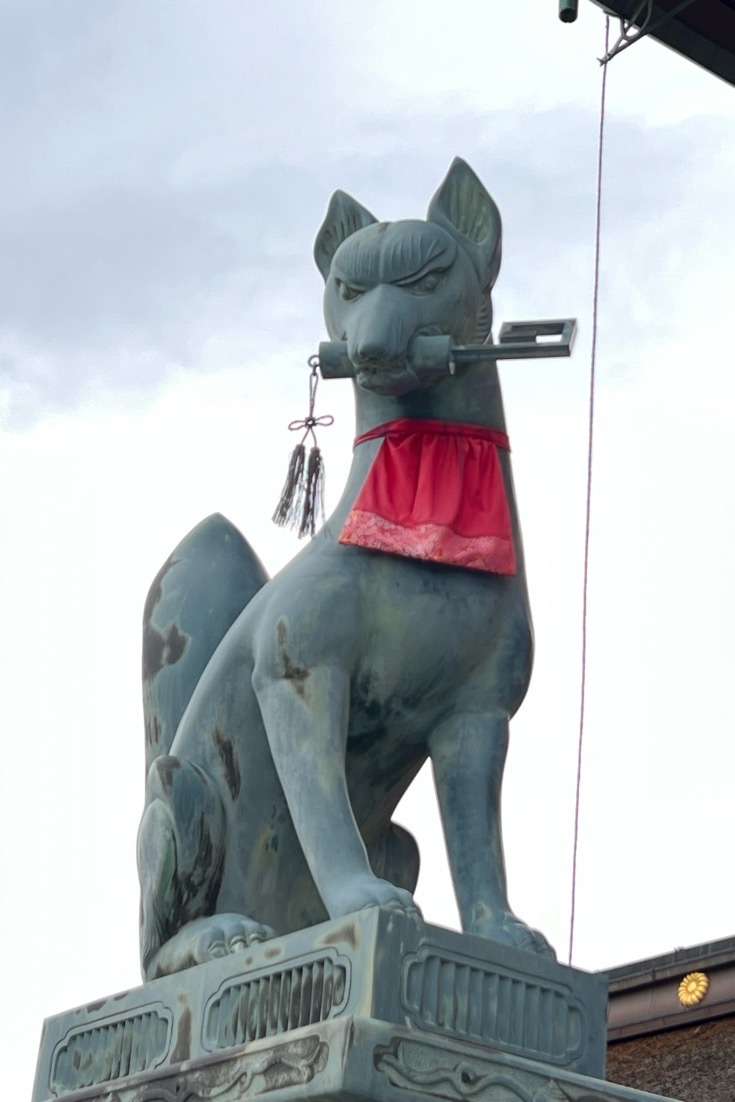
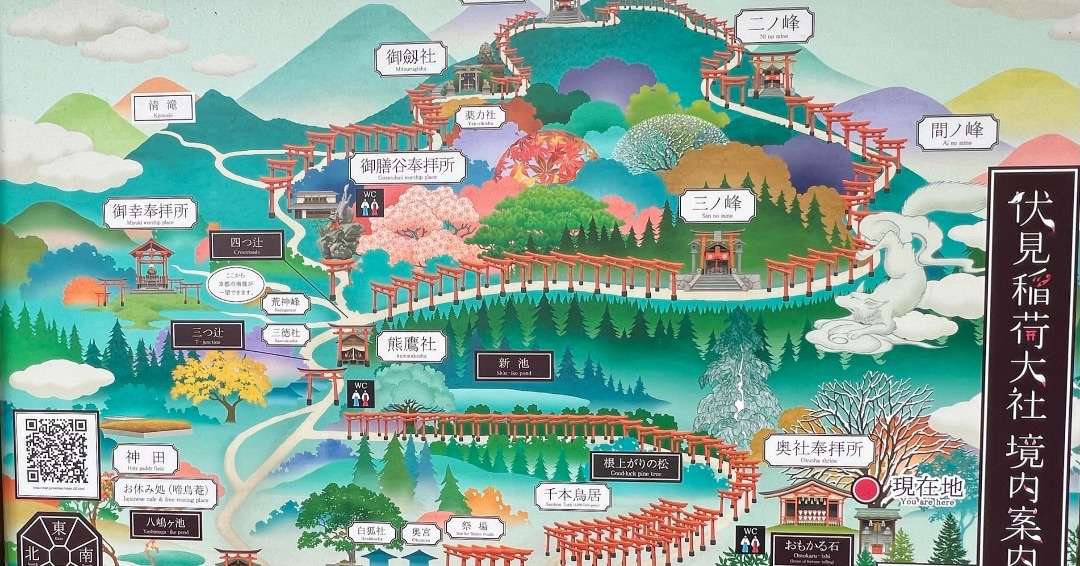
The architecture of the shrine is breathtaking, with intricate details and vibrant colors adorning the buildings and gates. Visitors can enjoy a peaceful stroll through the grounds, stopping to admire the beautiful gardens and take in the serene atmosphere. Don't forget to make a wish at the shrine's famous water fountain, said to grant good fortune to those who drink from it. Whether you're a history buff or simply seeking a tranquil escape from the hustle and bustle of city life, Fushimi Imari Shrine is not to be missed.
Kinkaku-ji Temple (Golden Pavilion)
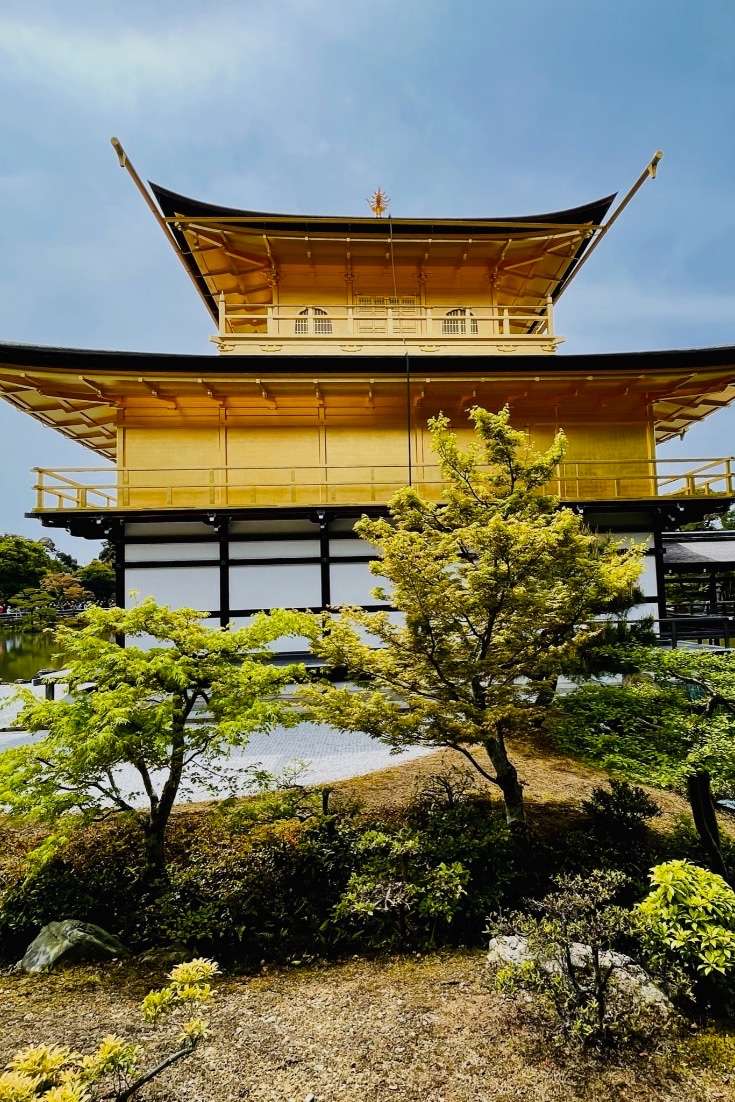
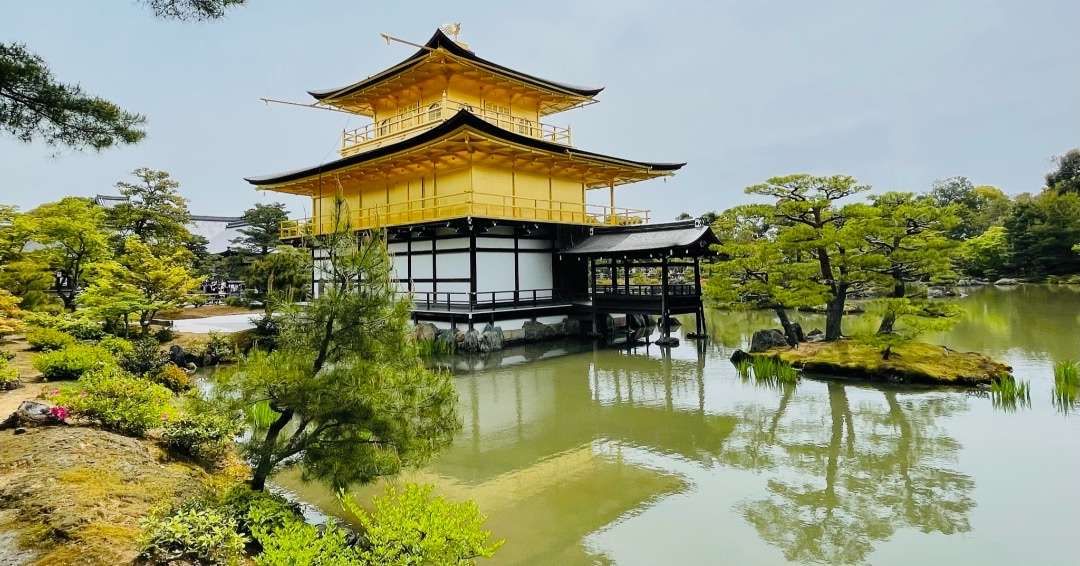
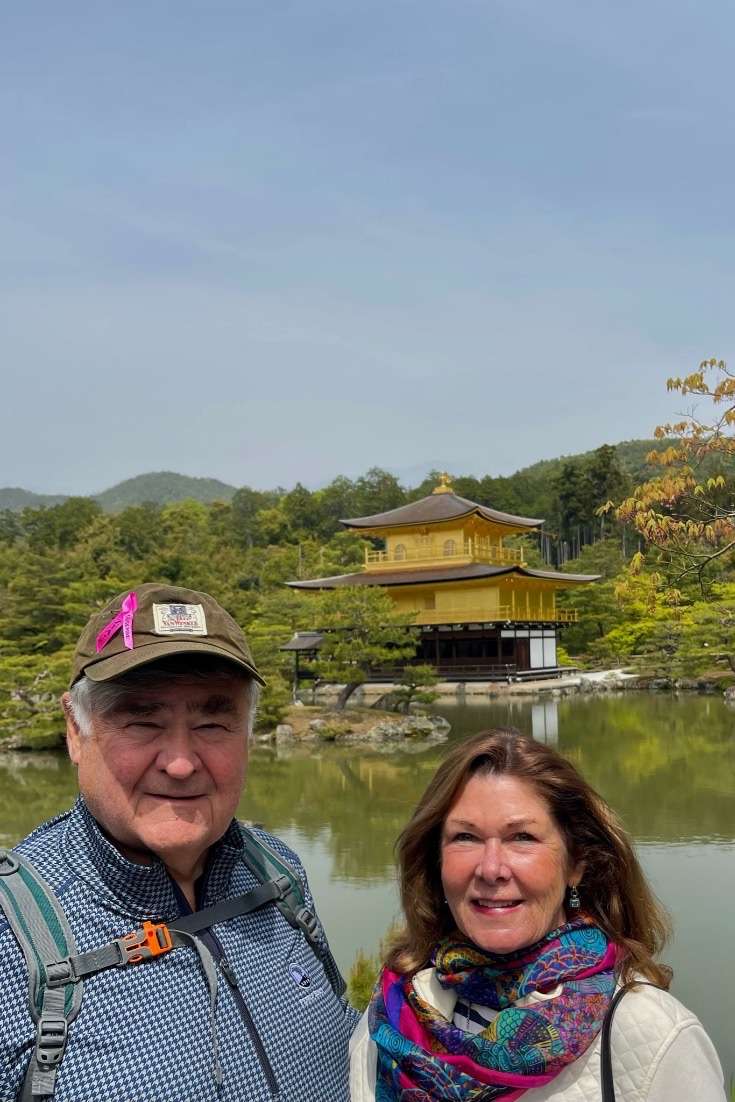
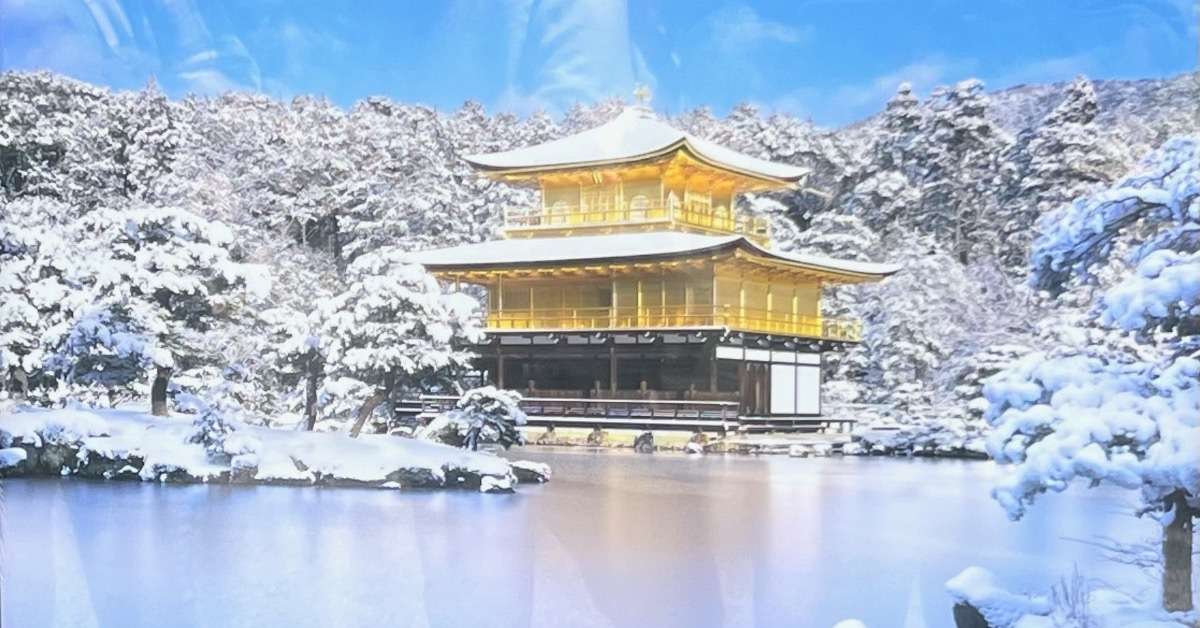
Have you heard about the stunning Kinkaku-Ji temple in Kyoto, Japan? It is a one of Japan's most serene temples, and an absolute must-visit for anyone travelling to Kyoto. The temple is also known as the Golden Pavilion due to its striking gold leaf exterior, which reflects beautifully in the surrounding pond. The tranquil gardens adjacent to the temple are also a sight to behold, with meticulously maintained landscapes and a peaceful atmosphere. Walking through the gardens and admiring the intricate architecture of the temple is a truly serene experience. Cos highly recommends adding Kinkaku-Ji temple to your travel itinerary - you won't regret it!
Tenryu-Ji Temple
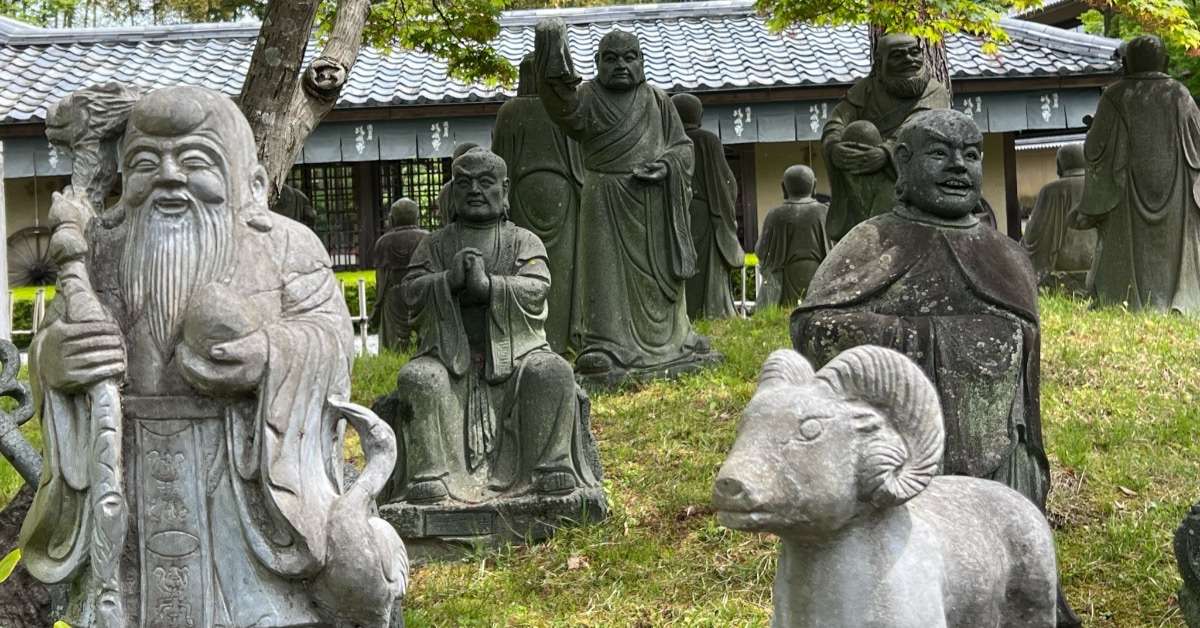
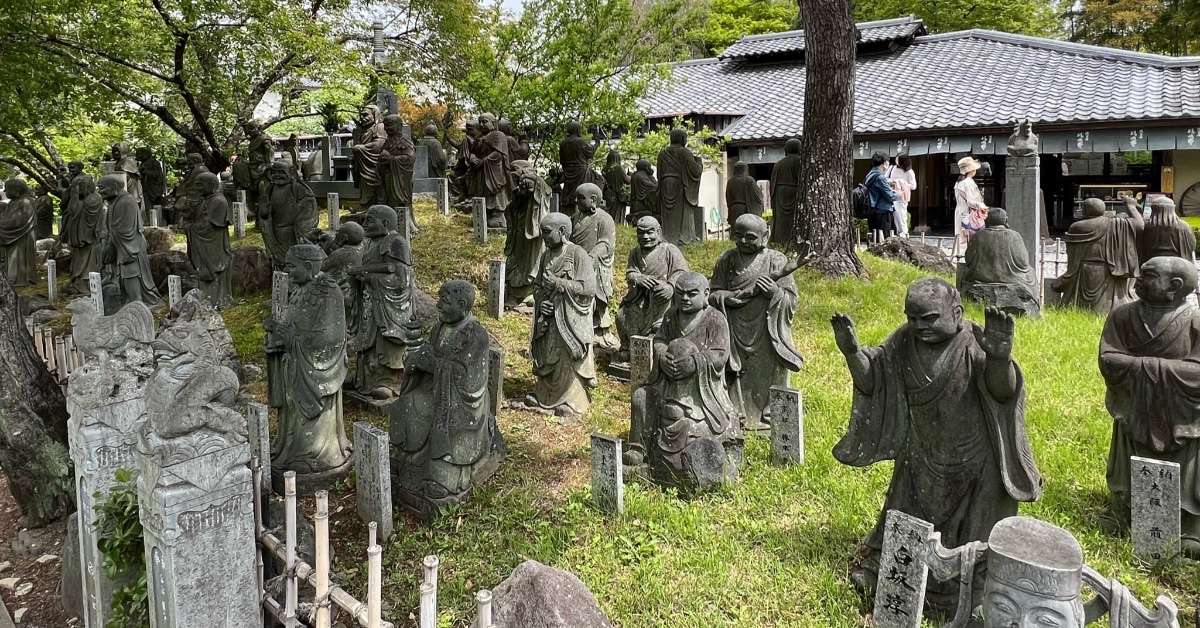
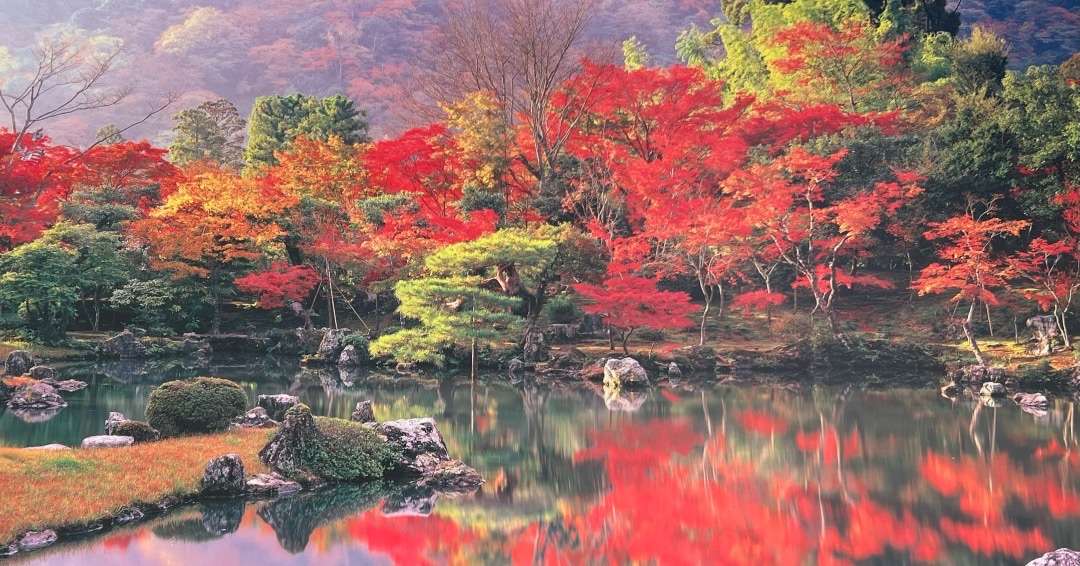
Tenryu-Ji temple is a beautiful and peaceful place to visit in Kyoto. It has a rich history that is still visible in the architecture and gardens. The main hall of the temple is a designated UNESCO World Heritage site and is breathtaking to behold. The surrounding gardens are stunning. We visited in the spring but we did locate a picture of the autumn foliage. Visitors can wander through the gardens and enjoy the serene atmosphere while taking in the beauty of the temple. Tenryu-Ji is sure to leave a lasting impression on all who visit.
Visit Japan - Arashiyama Forest Bamboo Grove
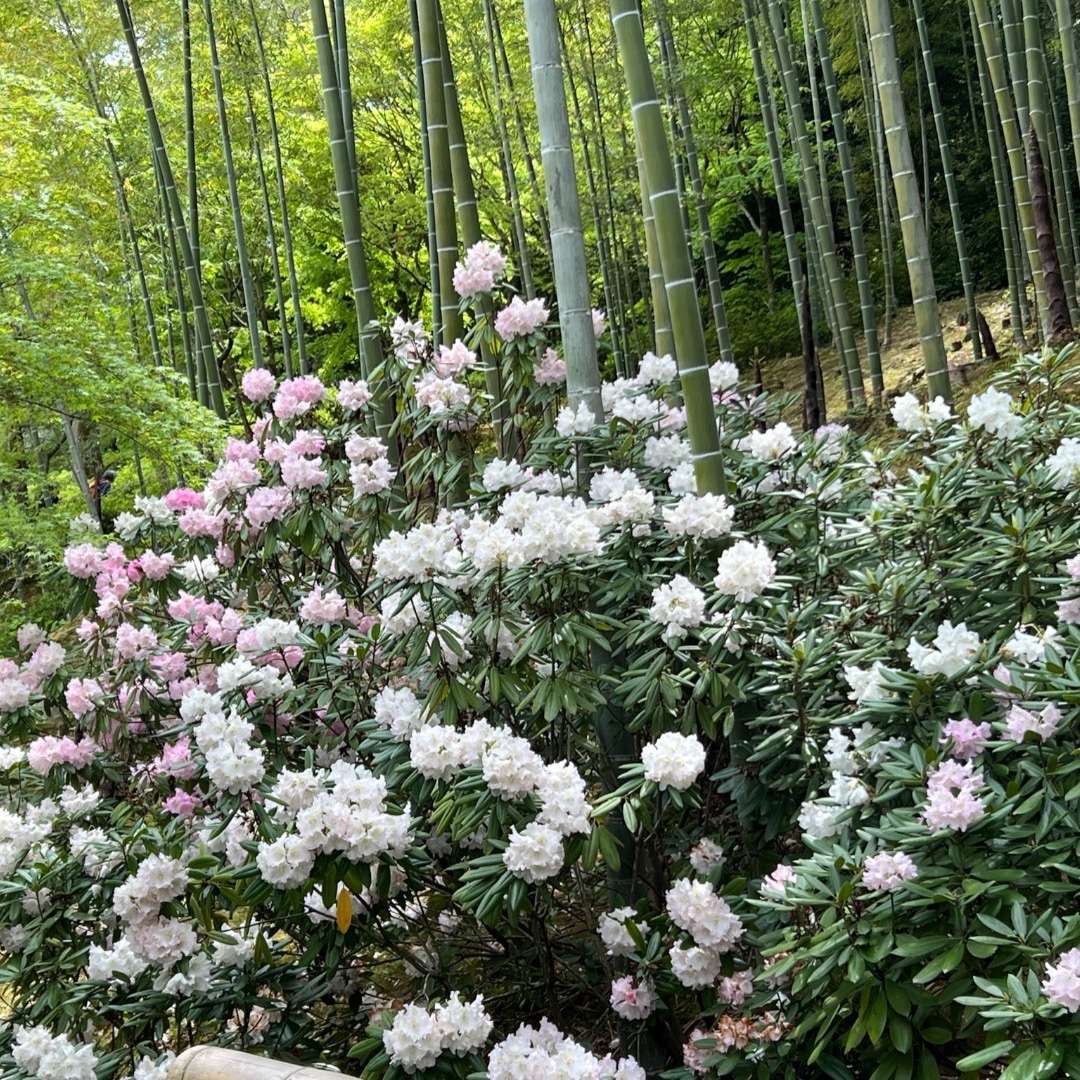
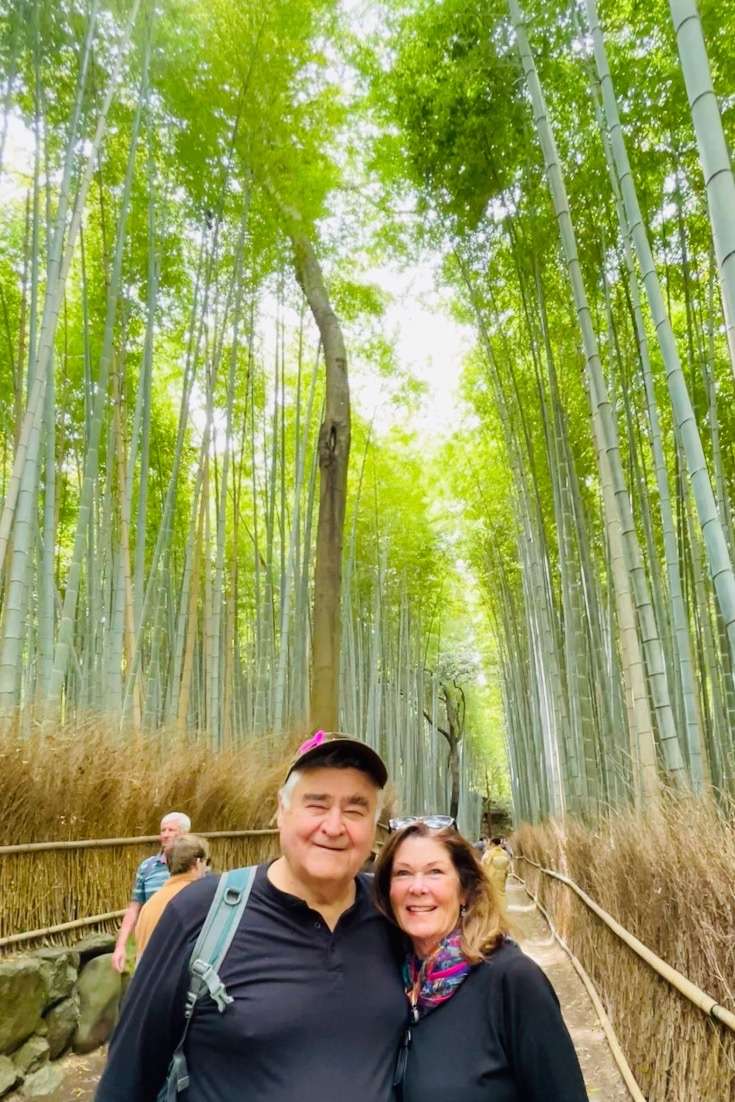
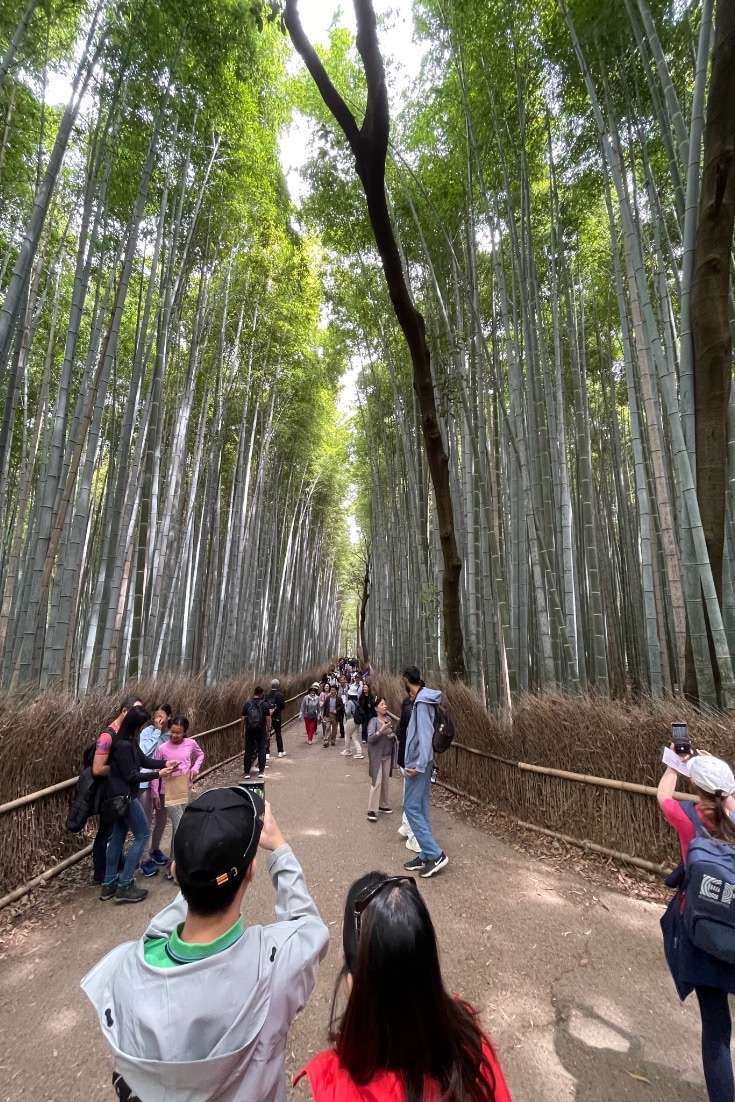
Located adjacent to the Tenryu Temple is the Arashiyama Bamboo Grove. It is an incredible number of large bamboo trees which are well maintained. Quite impressive.
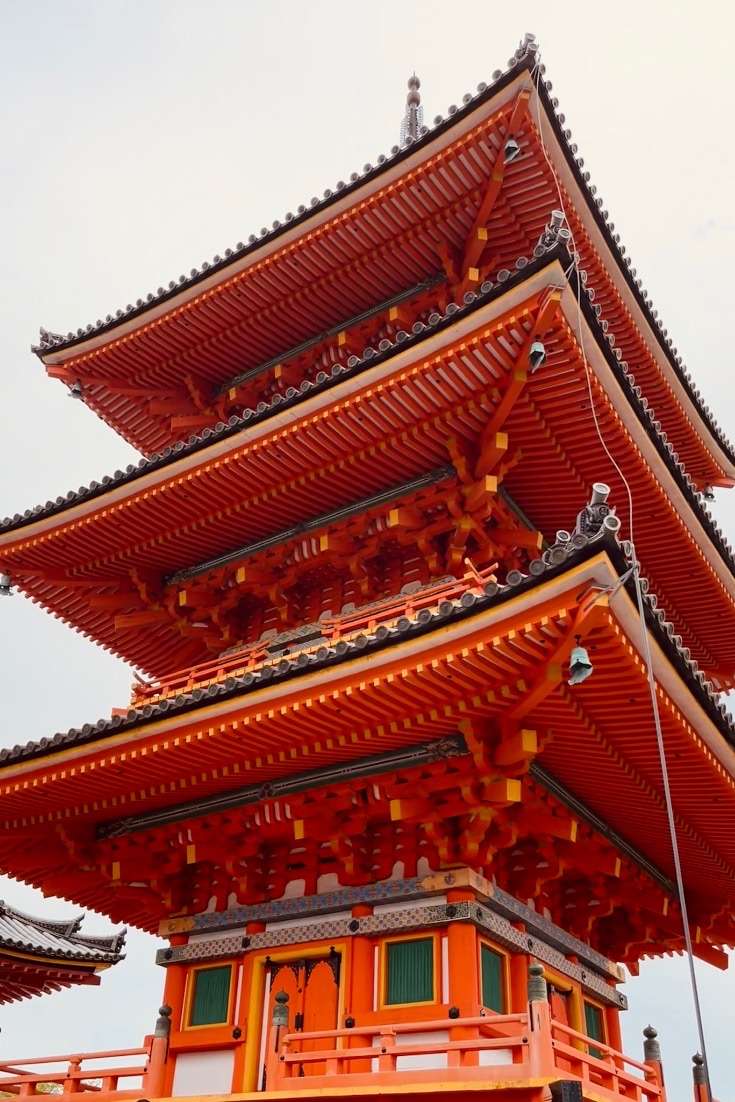
Kiyomizu-dera Temple
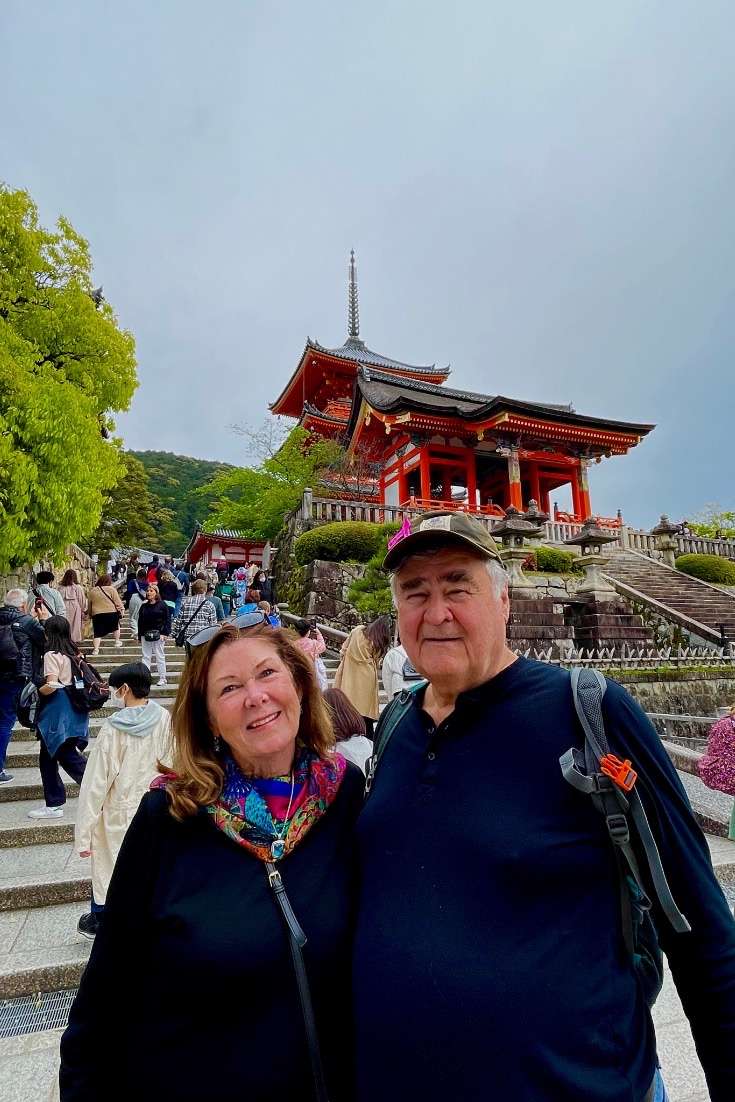
The Kiyomizu-dera Temple in Kyoto, Japan is a must-visit spot for anyone traveling to this beautiful city. This ancient temple was founded in 778 and has been rebuilt several times since. The most famous feature of the temple is the wooden stage that hangs over a cliff, providing stunning views of the city below. The temple is also home to several other impressive structures, including the Main Hall, which houses a statue of the Buddhist deity, Kannon. The temple grounds are full of lush gardens and serene ponds, making it the perfect spot to relax and reflect. If you're looking for a peaceful and beautiful place to visit in Kyoto, Kiyomizu-dera temple should definitely be on your list!
Visit Japan - Osaka
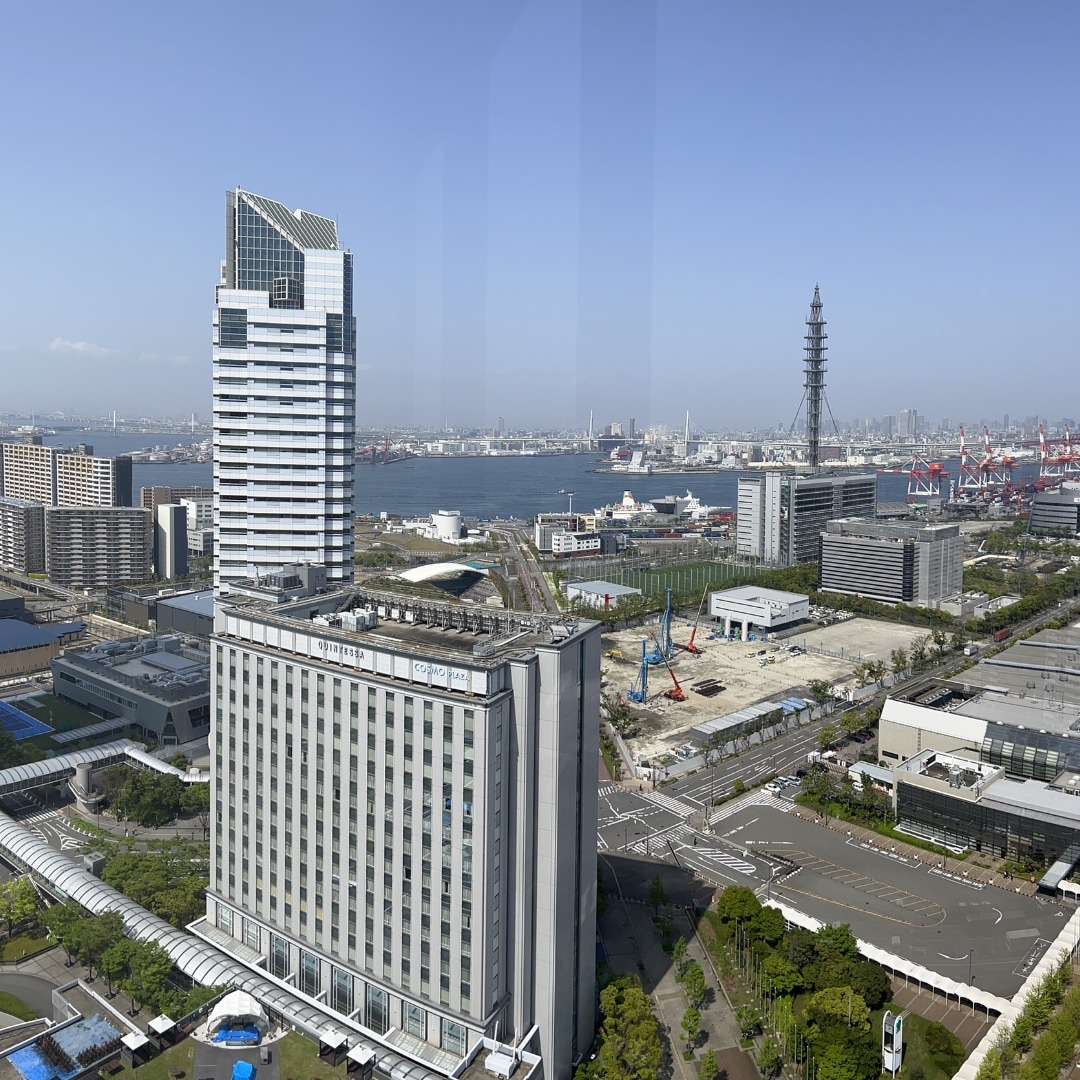
Osaka, Japan is a vibrant and exciting city. It offers visitors a unique blend of traditional Japanese culture and modern city living. The city is known for its delicious food, lively streets, and friendly locals. From the famous Osaka Castle to the bustling Dotonbori shopping district, there is something for everyone in this dynamic city. Visitors can enjoy a fun-filled day at Universal Studios Japan or take a relaxing stroll through the beautiful Osaka Castle Park. Osaka is also famous for its delicious street food, such as takoyaki and okonomiyaki, found in abundance in the city's many food markets and street stalls. Whether you're looking for adventure, culture, or just a friendly atmosphere, Osaka is the perfect destination for your next trip to Japan.
Osaka Castle
One of the remaining Japanese Castles, the Osaka Castle is more like a museum than a castle. It is a very popular tourism sight, so we recommend going to see it early in the day.

10-Day Japan Trip Final Stop: Hiroshima
One of the first things you should do when you get to Hiroshima is visit the Hiroshima Castle. From there it is a short walk over to the Peace Park.

Final Stop of the Day 10 Itinerary - Hiroshima's Peace Park
After visiting the castle your tour will continue to the ruins of Genbaku Atomic Bomb Dome, also called the Atom Bomb Dome, one of the few buildings left standing near ground zero. It is an incredible reminder of the Hiroshima bombing. If you would like to learn more about Hiroshima, please visit our Southern Japan - Things to Do in Hiroshima Post.

Conclusion
Hopefully, we have helped you overcome your anxiety and you are read to travel to the Orient and start "Traveling to Japan for The First Time," on your "10-Day Japan Trip." If you wish to follow more of our travels, please sign up for our monthly newsletter below.
0 Comments