
Scotland and Ireland rank among Europe’s most compelling destinations, shaped by dramatic scenery, rich history, and cultural traditions that have influenced global perceptions of Celtic heritage. Travelers exploring Scotland & Ireland encounter landscapes defined by rugged coastlines, ancient castles, and vibrant cities, each offering immersive experiences guided by local experts, tour directors, or self‑guided exploration at one’s own pace. Whether you choose a guided tour, a small group tour, or a self‑guided trip, both countries offer a trip of a lifetime for visitors seeking natural wonders, hidden gems, and encounters with local people.
This guide outlines the essential regions, seasonal considerations, transportation insights, and cultural highlights that define travel across both countries. It helps travelers, travel writers, and travel experts navigate different regions, plan efficient itineraries, and appreciate the historical and cultural depth that makes Scotland and Ireland enduringly popular with North American visitors.
Contents
- 1 Seasonal Considerations and Best Times to Visit
- 2 Arrival and Transportation
- 3 Scotland: Dramatic Scenery and Historic Cities
- 4 Ireland: Cultural Traditions and Iconic Landmarks
- 5 Northern Ireland: Geological Wonders and Cultural Significance
- 6 Visit Ireland and Scotland: Multi‑Day Itineraries
- 7 Choosing Between Guided, Small Group, and Self‑Guided Travel
- 8 Golf Travel: Scotland and Ireland’s Premier Courses
- 9 Cultural Immersion and Local Experiences
- 10 Accommodation Strategies and Hotel Selection
- 11 Dining and Local Cuisine
- 12 Final Recommendations for Planning a Next Trip
- 13 Looking for more information about the British Isles?
Seasonal Considerations and Best Times to Visit
Choosing the best time to visit Scotland and Ireland depends on climate, crowd levels, and daylight hours. The summer months (June through August) represent the high season, offering long days and mild temperatures. However, these months also bring more visitors, higher hotel rates, and limited availability in popular destinations such as the Scottish Highlands, Isle of Skye, and the Ring of Kerry.
Many seasoned travel guides recommend the shoulder season, particularly late spring and early fall, as the best choice for balanced conditions. During these periods, travelers enjoy comfortable weather, fewer crowds, and more opportunities to engage meaningfully with local history and people. The shoulder season also offers better value for accommodations and tours, making it a great way to explore both countries without the constraints of peak‑season congestion.
Arrival and Transportation
Most visitors begin their journey at Dublin Airport, the Republic of Ireland’s primary international gateway, or at Edinburgh or Glasgow airports for Scotland. From these hubs, travelers can choose public transportation, rental cars, or organized tours such as Brendan Vacations, Insight Tours, or Nordic Visitor.
Rental Cars and Road Travel
Driving offers flexibility and access to hidden gems, but visitors must be prepared to drive on the left side of the road. Rural routes in both countries can be narrow, winding, and scenic, particularly in regions such as the Dingle Peninsula, Isle of Skye, and the Irish countryside. A road trip through these areas allows travelers to explore at their own pace, stopping for day trips, distillery visits, or spontaneous scenic viewpoints.
When traveling in Scotland and Ireland, we book rental cars through Booking.com. Click below to check out the best deals among the major carriers:

In Europe, we like to use Booking.Com to find the best rental car deals.
Guided Tours and Small Group Travel
For travelers who prefer structured itineraries, a guided or small-group tour provides expert commentary, efficient logistics, and curated access to major attractions. Companies such as Brendan Vacations, Insight Tours, and Nordic Visitor offer itineraries that include iconic sites such as Edinburgh Castle, Blarney Castle, the Cliffs of Moher, and the Giant’s Causeway. A professional tour guide or tour director helps travelers make the most of their time, learn from local experts, and enjoy a warm welcome at each destination.
Scotland: Dramatic Scenery and Historic Cities
Scotland’s landscapes feature rugged mountains, deep lochs, and storied cities that reflect centuries of political, cultural, and architectural evolution. The country’s diverse regions offer a blend of natural wonders, cultural events, and historical landmarks that appeal to travelers with every interest.
Edinburgh: Royal Mile, Castles, and Cultural Heritage
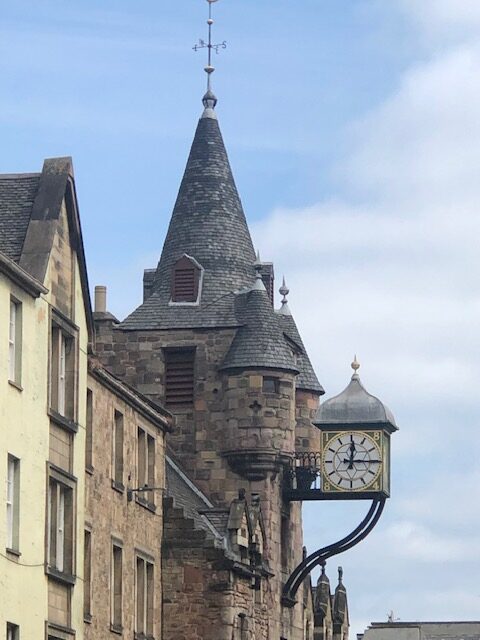
Edinburgh remains one of Europe’s most distinguished capitals, renowned for its medieval Old Town, Georgian New Town, and iconic landmarks. The Royal Mile serves as the city’s historic spine, connecting Edinburgh Castle with Holyrood Palace, the official residence of the British monarch in Scotland. Visitors often explore the Royal Mile’s museums, traditional shops, and historic closes before attending cultural events such as the Royal Edinburgh Military Tattoo, a world‑famous performance showcasing military bands and Scottish heritage.
Scottish Highlands: Lochs, Mountains, and Scenic Drives
The Scottish Highlands represent the essence of Scotland’s dramatic scenery, offering sweeping vistas, remote glens, and legendary sites. Loch Ness, known worldwide for its mythical creature, provides a scenic backdrop for boat tours and lakeside walks. Nearby, Fort William serves as a gateway to Ben Nevis, the highest peak in the British Isles, attracting hikers and nature enthusiasts.
Travelers often incorporate the Glenfinnan Viaduct, made famous by modern cinema, into their itineraries. The viaduct’s sweeping curve and mountainous surroundings create one of Scotland’s most photographed scenes. Scenic drives through the Highlands reveal beautiful places that highlight the region’s geological diversity and cultural heritage.
Isle of Skye: Natural Wonders and Remote Beauty
The Isle of Skye ranks among Scotland’s most celebrated destinations, known for dramatic cliffs, a rugged coastline, and atmospheric landscapes. Travelers often visit the Old Man of Storr, the Quiraing, and the Fairy Pools, each offering unique geology and hiking opportunities. Skye’s remote character and striking scenery make it ideal for photographers, nature enthusiasts, and travelers seeking immersive experiences away from urban centers.
Ireland: Cultural Traditions and Iconic Landmarks
Ireland’s appeal lies in its combination of pastoral landscapes, lively towns, and deep cultural traditions. From ancient castles to coastal cliffs, the country offers a diverse range of attractions that highlight its rich history and enduring charm.
Dublin: Trinity College. College Green and Cultural Foundations
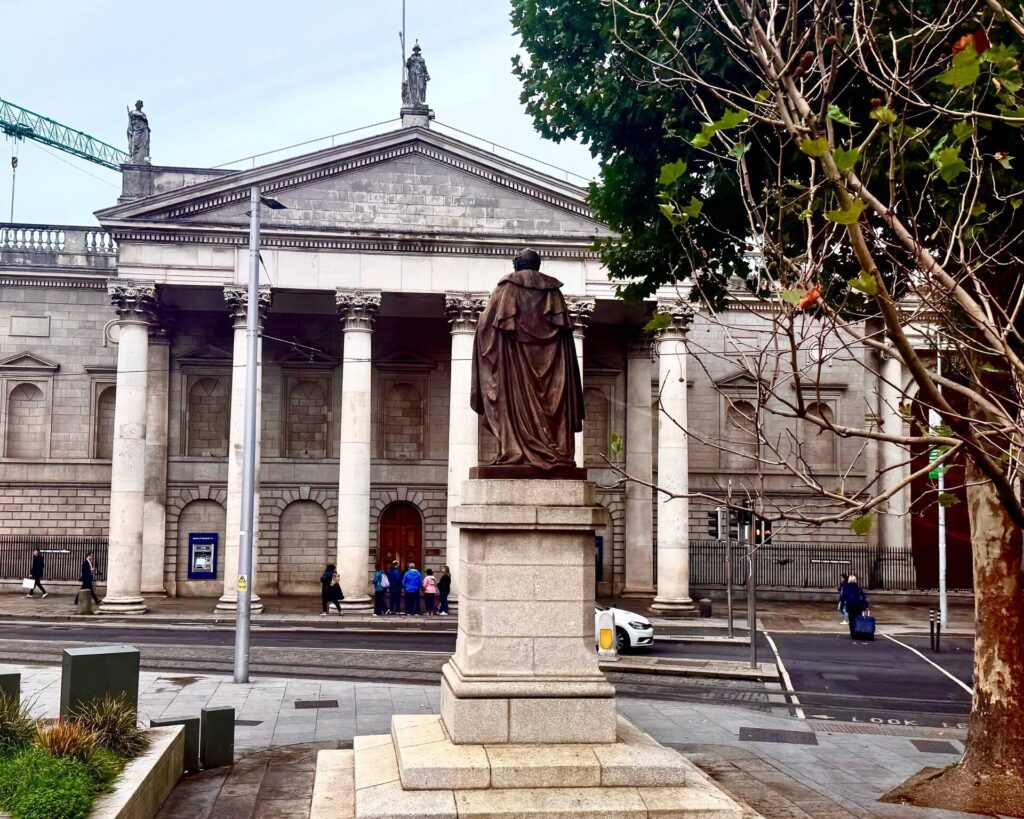
Dublin serves as the cultural and academic heart of Ireland. Founded in 1592, Trinity College houses the Book of Kells and is one of Europe’s most prestigious universities. The city’s historic streets, Georgian architecture, and vibrant arts scene offer a strong base for exploring Ireland’s literary and cultural heritage.
Evenings in Dublin often include visits to local restaurants and venues with traditional Irish and live music, creating a fun experience for travelers and locals alike.
Guinness Warehouse
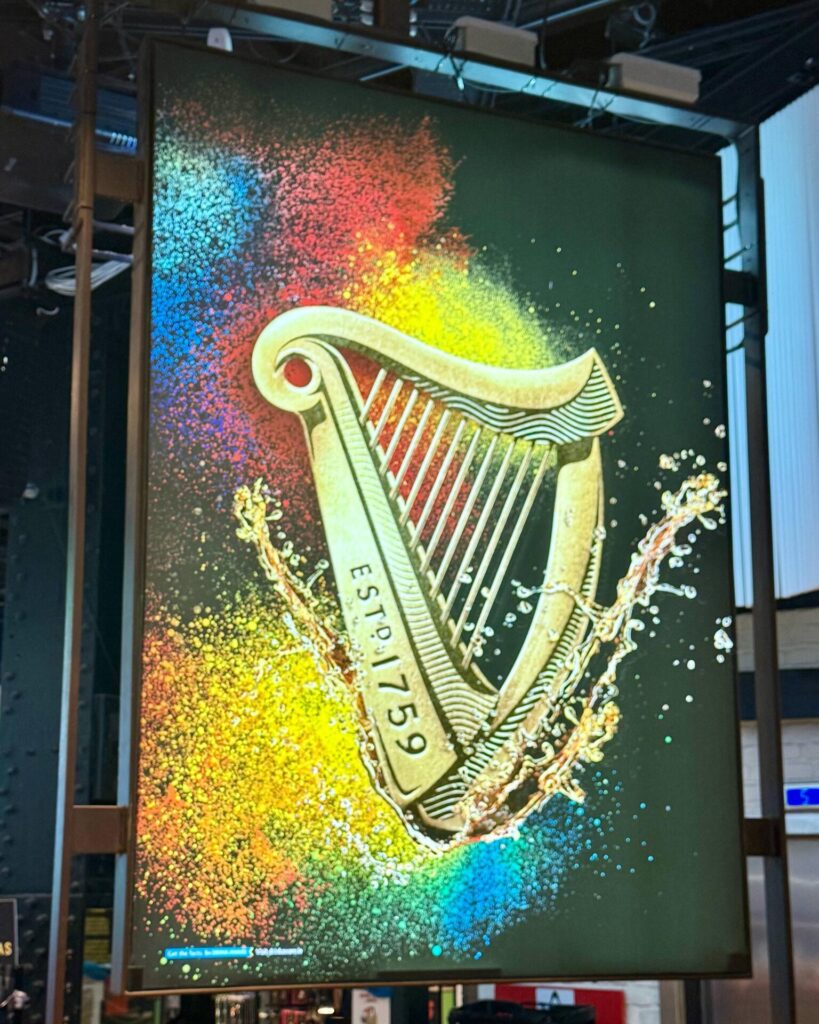
No trip to Dublin is complete without a visit to the Guinness Storehouse. We visited in 2026 and the visit completely exceeded our expectations, To book a visit to the Guinness Warehouse, click bleow:
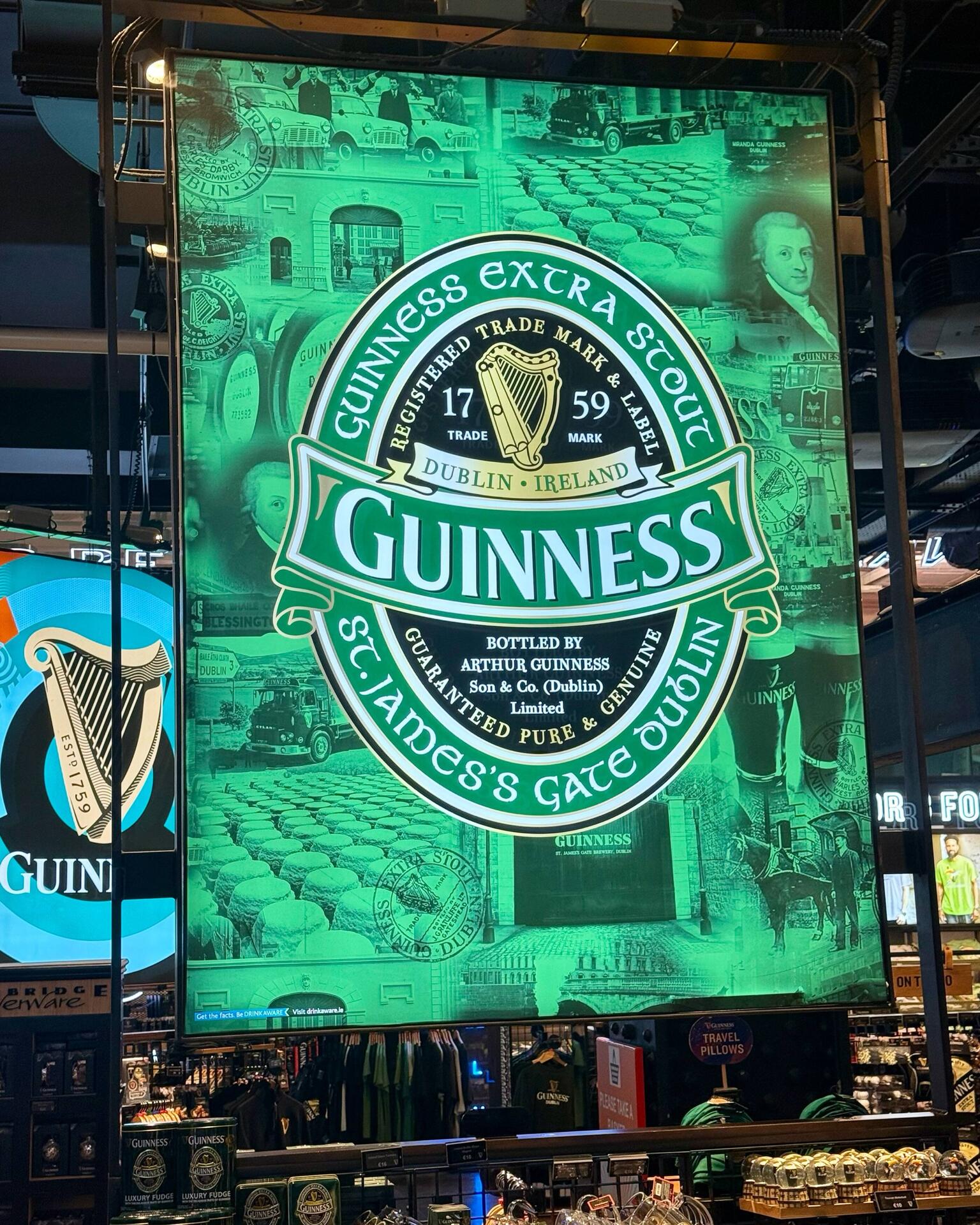
Step inside the Home of Guinness and discover over 260 years of brewing heritage, immersive storytelling and spectacular panoramic views across Dublin.
Blarney Castle and the Blarney Stone
Located near Cork, Blarney Castle remains one of Ireland’s most iconic attractions. Visitors climb its ancient steps to kiss the Blarney Stone, a tradition believed to bestow eloquence. The castle’s gardens, walking paths, and historic features make it a good idea for travelers seeking a blend of history and natural beauty.
Cliffs of Moher: Ireland’s Natural Masterpiece
The Cliffs of Moher rise dramatically above the Atlantic Ocean, offering panoramic views that exemplify Ireland’s natural wonders. The cliffs attract visitors from around the world and serve as a highlight of many Ireland tours and self‑guided trips. Their geological formations and coastal ecosystems make them one of the best places to appreciate Ireland’s rugged western coastline.
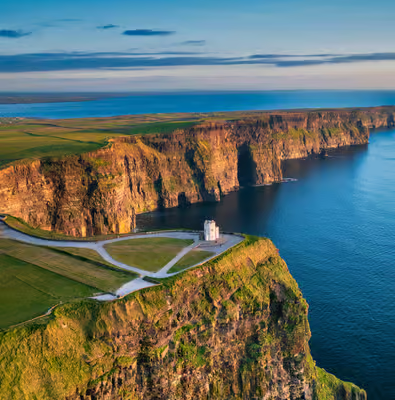
Check out GetYourGuide for a tour of the Cliffs and other places in Ireland or Scotland:

Discover the Cliffs of Moher, the colourful city of Galway and the Burren National Park – a perfect blend of nature, history and Irish culture in one unforgettable trip!
Ring of Kerry and Dingle Peninsula
The Ring of Kerry provides one of Ireland’s most celebrated scenic drives, featuring coastal vistas, mountain passes, and charming villages. Travelers often combine this route with a visit to the Dingle Peninsula, known for its dramatic coastline, cultural traditions, and welcoming communities. These regions offer opportunities for day trips, photography, and encounters with local people who maintain Ireland’s rural heritage.
Northern Ireland: Geological Wonders and Cultural Significance
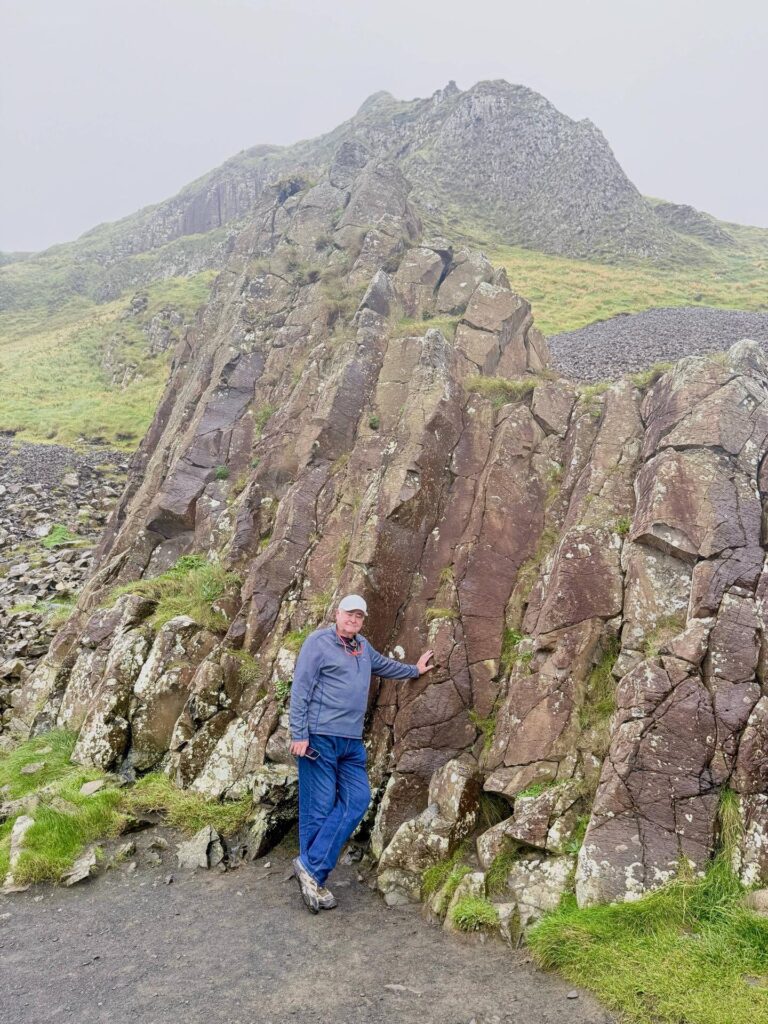
Northern Ireland offers distinct attractions that complement the Republic’s landscapes. The Giant’s Causeway, a UNESCO World Heritage Site, features interlocking basalt columns formed by ancient volcanic activity. This natural wonder ranks among Europe’s most recognizable geological formations and often appears on itineraries exploring Northern Ireland.
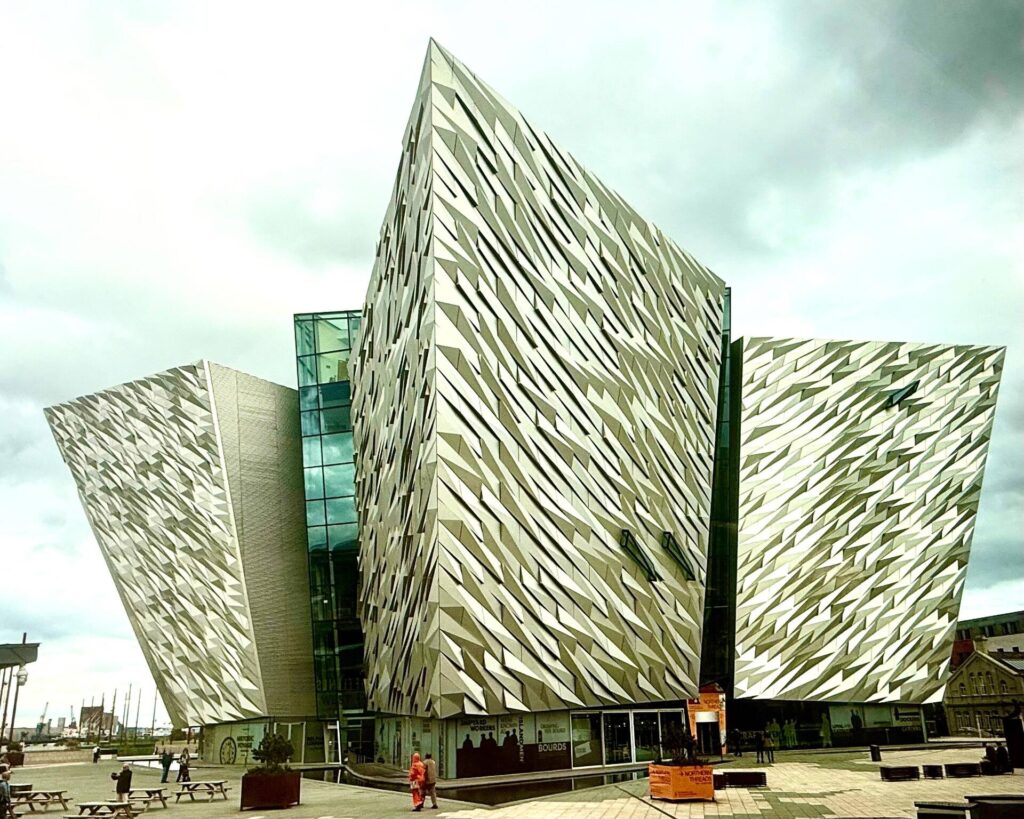
Travelers also visit Belfast and its cultural institutions, including museums that highlight the region’s industrial heritage and political history. We particularly like the Titanic Museum.
Combined with scenic coastal routes, Northern Ireland provides a wonderful time for visitors seeking diverse experiences across different regions.
Visit Ireland and Scotland: Multi‑Day Itineraries
Effective itineraries balance major landmarks with opportunities for spontaneous exploration, ensuring that travelers experience both iconic sites and lesser‑known hidden gems. The following structures are widely used for Scotland and Ireland and adaptable for guided tours, small group tours, or independent travel.
Seven‑Day Scotland Itinerary
A seven‑day itinerary in Scotland typically includes:
- Edinburgh: Royal Mile, Edinburgh Castle, Holyrood Palace
- St Andrews: Medieval streets, cathedral ruins, world‑renowned golf courses
- Scottish Highlands: Loch Ness, Fort William, Ben Nevis
- Isle of Skye: Old Man of Storr, Quiraing, Fairy Pools
- Glenfinnan Viaduct: Scenic viewpoints and historical significance
This route balances urban heritage, natural wonders, and remote landscapes, offering travelers a trip of a lifetime.
Seven‑Day Ireland Itinerary
A parallel seven‑day itinerary in Ireland often includes:
- Dublin: Trinity College, Book of Kells, Georgian architecture
- Kilkenny or Cork: Medieval streets, craft traditions, local restaurants
- Blarney Castle: Gardens, historic features, Blarney Stone
- Ring of Kerry: Coastal vistas and mountain passes
- Dingle Peninsula: Dramatic coastline and cultural traditions
- Cliffs of Moher: Ireland’s most iconic coastal viewpoint
This itinerary highlights Ireland’s rich history, scenic drives, and cultural heritage.
Visit Ireland and Scotland: Combined Itinerary
Travelers seeking a combined experience often allocate:
- 4–5 days in Scotland
- 5–6 days in Ireland
This structure allows time for major highlights in both countries while maintaining a comfortable pace. Many North American visitors choose this format when traveling with Brendan Vacations, Insight Tours, or Nordic Visitor, as these companies offer seamless transitions between the two nations.
Choosing Between Guided, Small Group, and Self‑Guided Travel
The right travel style depends on personal preferences, desired pace, and comfort with navigation.
Guided Tours
A guided tour provides structured itineraries, professional commentary, and efficient logistics. Travelers benefit from:
- Expert tour directors and local specialists
- Priority access to major attractions
- Stress‑free transportation
- Curated cultural experiences
Guided tours are ideal for travelers who want a comprehensive overview without the complexity of driving or planning.
Small Group Tours
A small group tour offers similar advantages with a more intimate atmosphere. Benefits include:
- Increased interaction with local people
- Flexible pacing
- Access to smaller, boutique accommodations
- Opportunities for deeper cultural immersion
Small group travel suits visitors who value personal connection and a more tailored experience.
For more information about small group tours, please see our post on Small Group Tour, or our post “Small Group Travel Planning: The Do’s and Don’ts.”
Self‑Guided Trips
A self‑guided trip provides maximum independence. Travelers choose their own routes, schedules, and activities, often incorporating:
- Rental car travel
- Spontaneous day trips
- Visits to distilleries, scenic viewpoints, and rural villages
- Extended stays in preferred regions
Self‑guided travel appeals to visitors who enjoy exploring at their own pace and discovering hidden gems beyond traditional tour routes.
A “hub and spoke” model allows travelers to establish a home base in a central location and take day trips to surrounding regions. This approach reduces packing, minimizes hotel changes, and provides a more relaxed travel experience.
Scotland Hub Options
- Edinburgh: Ideal for exploring the city, St Andrews, and the Borders
- Inverness: Gateway to Loch Ness, the Highlands, and Speyside distilleries
- Portree (Isle of Skye): Base for exploring Skye’s natural landmarks
Ireland Hub Options
- Dublin: Access to Wicklow, Newgrange, and coastal towns
- Killarney: Perfect for the Ring of Kerry, Dingle, and nearby national parks
- Galway: Convenient for the Cliffs of Moher, Connemara, and Aran Islands
Travel experts and travel guides widely recommend this planning method for its efficiency and comfort.
Golf Travel: Scotland and Ireland’s Premier Courses
Golf enthusiasts often include world-class courses in their itineraries. Scotland, known as the birthplace of golf, offers legendary experiences at:
- St Andrews: The Old Course, Jubilee Course, and Castle Course
- Royal Dornoch: Coastal scenery and championship‑level design
- Gleneagles: Prestigious resort with multiple courses
Ireland provides equally compelling options:
- Lahinch: Near the Cliffs of Moher, known for challenging links
- Ballybunion: Iconic seaside course with dramatic dunes
- Portmarnock: A classic championship venue near Dublin
Golf travel can be incorporated into guided tours, small group tours, or independent itineraries, depending on preference.
For information about golf travel, please see our post “Romantic Destinations for the Best Couples Golf Trips.”
Cultural Immersion and Local Experiences
Travelers seeking deeper engagement with local traditions often incorporate cultural activities into their itineraries. These experiences highlight the warmth and hospitality of local people and provide insight into regional heritage.
Ireland Cultural Experiences
- Traditional Irish music sessions in pubs
- Visits to craft studios and artisan workshops
- Storytelling evenings featuring folklore and local legends
- Culinary experiences at local restaurants
Scotland Cultural Experiences
- Highland games and cultural festivals
- Whisky tastings at historic distilleries
- Performances at the Royal Edinburgh Military Tattoo
- Guided walks through medieval towns and historic sites
These activities create a fun experience and foster meaningful connections with local communities.
Accommodation Strategies and Hotel Selection
Choosing the right hotel room or accommodation style significantly influences the travel experience. Scotland and Ireland offer a wide range of options, including:
- Boutique hotels
- Historic inns
- Country estates
- Modern city properties
- Coastal lodges
Travelers often select accommodations based on proximity to major attractions, access to public transportation, and availability during high season. During peak months, early booking is essential, particularly in popular regions such as the Isle of Skye, Scottish Highlands, Ring of Kerry, and Dingle Peninsula.
Dining and Local Cuisine
Both countries offer distinctive culinary traditions shaped by local ingredients and regional heritage.
Ireland
Irish cuisine emphasizes seafood, farm‑fresh produce, and traditional dishes such as stews and soda bread. Many travelers enjoy evenings featuring live music, creating a lively atmosphere for fellow travelers. Enjoying Irish music is a great way to appreciate the Irish culture.
Scotland
Scottish cuisine includes salmon, game, and regional specialties. Distillery visits provide opportunities to learn about whisky production and sample local varieties.
Dining at local restaurants enhances cultural immersion and supports regional communities.
Final Recommendations for Planning a Next Trip
Travelers planning a next trip to Scotland and Ireland benefit from considering the following:
- Seasonal timing: Shoulder seasons offer a great way to avoid crowds
- Travel style: Choose between guided tours, small group tours, or self‑guided trips
- Regional focus: Prioritize areas of greatest interest, whether cultural, scenic, or historical
- Pacing: Allow time for both major landmarks and spontaneous exploration
- Local engagement: Seek opportunities to interact with local people and experience regional traditions
With thoughtful planning, Scotland and Ireland offer a wonderful time for travelers seeking beautiful places, natural wonders, and immersive cultural experiences.
Looking for more information about the British Isles?
For more information about the British Isles in general, please see our British Isles Traveler Hub Post.
For information about specific places in the British Isles, or other themes about the British Isles, please see the following posts:
- Best British Isles Itinerary: United Kingdom & Ireland
- Transportation Options Across the British Isles
- Best British Isles Cruises: Compare Itineraries
- What is the Best Time to Visit the British Isles?
- Famous England Landmarks: London and Nearby Monuments
- Best Romantic Places to Visit in Wales for Couples
0 Comments