
Planning a British Isles itinerary is one of Europe’s most rewarding travel experiences. With four distinct nations—England, Scotland, Wales, and Ireland—plus three regions of the United Kingdom (Northern Ireland, Jersey, and Guernsey, plus dozens of vibrant neighborhoods, historic districts, and iconic landmarks, the region offers endless opportunities for first-timers and seasoned travelers alike. This itinerary blends cultural highlights, famous attractions, atmospheric old towns, and scenic parks, using a mix of bus tours, walking routes, and easy day trips to help you explore efficiently. For more information about the British Isles in general, please see our post “British Isles Trips: The Complete Travel Hub Explorer.”
Contents
- 1 Best Time of Year to Travel to the British Isles
- 2 Transportation Options Across the British Isles
- 3 London: The Perfect Starting Point
- 4 Edinburgh: Scotland’s Historic Capital
- 5 Dublin: Culture, History & Lively Streets
- 6 Consider Adding Northern Ireland or Wales to Your Itinerary
- 7 Sample 10‑Day British Isles Itinerary (England · Scotland · Wales · Northern Ireland)
- 7.1 Day 1 — London
- 7.2 Day 2 — London → Bath → Cardiff (Wales)
- 7.3 Day 3 — South Wales Coast
- 7.4 Day 4 — Cardiff → Liverpool → Belfast (Northern Ireland)
- 7.5 Day 5 — Belfast & The Antrim Coast
- 7.6 Day 6 — Derry/Londonderry → Edinburgh (Scotland)
- 7.7 Day 7 — Edinburgh
- 7.8 Day 8 — Scottish Highlands
- 7.9 Day 9 — Isle of Skye
- 7.10 Day 10 — Return to Edinburgh → London
- 8 Itinerary Tips for First-Timers
- 9 Top Sights Across the British Isles Itinerary
- 10 Final Thoughts
Best Time of Year to Travel to the British Isles
Climate varies across the region, but climate averages show mild summers, cool winters, and frequent rain, especially in Scotland and Ireland. Still, the weather rarely stops travelers from enjoying the top sights—just pack layers and embrace the charm. For more information about the best time to tour the British Isles, please see our post “What is the Best Time to Visit the British Isles?”
Transportation Options Across the British Isles
Getting around the British Isles is remarkably easy thanks to a well‑connected network of trains, buses, ferries, and domestic flights. For specific information about transportation options, please see our post: “Transportation Options Across the British Isles.”
London: The Perfect Starting Point
Most travelers begin their British Isles itinerary in London, a city overflowing with world‑class museums, royal landmarks, and lively districts. Start your morning at Covent Garden, a vibrant area filled with street performers, cafés, and boutique shops. From there, walk toward the National Gallery—the façade often photographed by dandylicious—to enjoy masterpieces from Turner, Van Gogh, and Monet.

A short stroll brings you to Trafalgar Square, then onward to Westminster Abbey, home to coronations, royal weddings, and centuries of legends. Nearby, the Houses of Parliament and Big Ben anchor the skyline.
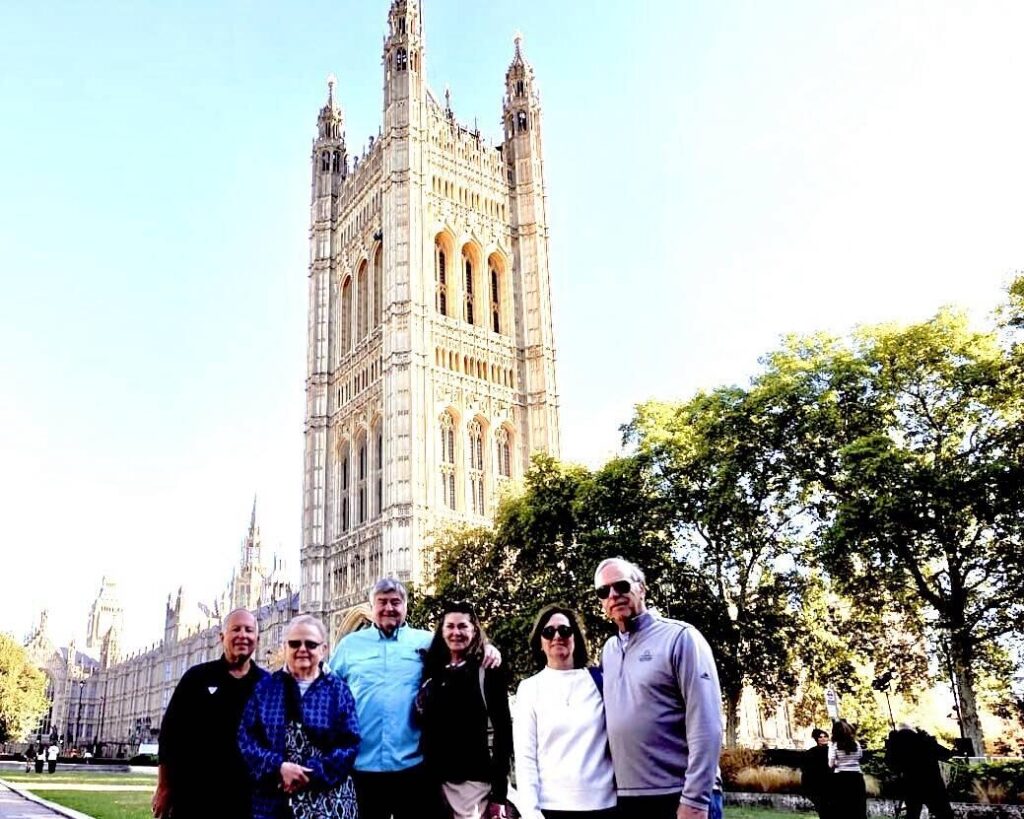
Crossing the Millennium Bridge offers sweeping views of St. Paul’s Cathedral and the Thames. Art lovers should not miss Tate Modern, housed in a converted power station. History enthusiasts should also visit the British Museum. And if you’re exploring South Kensington, the Natural History Museum and the Victoria & Albert Museum are two of London’s most impressive cultural institutions.
End your day in Notting Hill, Chelsea, or Soho, each offering unique dining options and lively nightlife. If you prefer quieter neighborhoods, Regent’s Canal provides peaceful waterside walks.
For more information about London, including day trips from the city, please see our post “Famous England Landmarks: London and Nearby Monuments.”
Where to Stay In London
Cos and Robin have stayed in three different locations during their three visits to London in the 2020s: Trafalgar Square (The Trafalgar St. James), Westminster (Conrad London), and Covent Garden (NoMad London). All are great places, conveniently located and bookable through Hilton Hotels. You can book them below:

Use loyalty points and save money. Whenever possible, we book five nights and get the fifth night free.
London Day Trips
London is an ideal base for day trips. Popular options include Windsor Castle, Oxford, Bath, and Stonehenge. Many travelers use Google Places to check reviews, opening hours, and transit options. An RS tour (Rick Steves‑style) or guided excursion is a good idea if you prefer structured sightseeing. You can book a London Day Trip Tour at GetYourGuide:
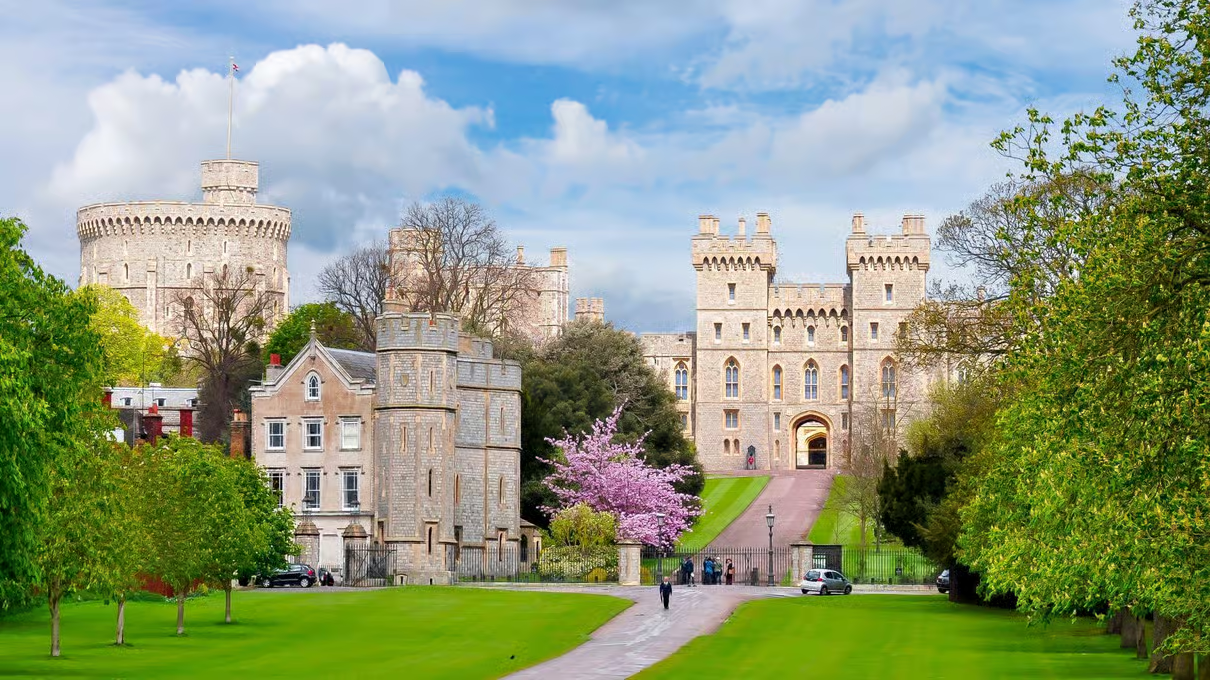
Travel from London for a full-day tour. Order through Get Your Guide.
For more information about London, including day trips from the city, please see our post “Famous England Landmarks: London and Nearby Monuments.”
Edinburgh: Scotland’s Historic Capital
Next, head north to Edinburgh, a city where medieval charm meets dramatic landscapes. Begin on the Royal Mile, which stretches from Edinburgh Castle to the Palace of Holyroodhouse. The Queen’s Gallery at the Palace of Holyroodhouse showcases rotating exhibitions from the Royal Collection.


Along the way, explore Camera Obscura, World of Illusions, and the atmospheric Old Town.
For panoramic views, climb Calton Hill or hike Arthur’s Seat in Holyrood Park. The Scott Monument in the New Town offers another iconic vantage point.
Edinburgh’s neighborhoods each have their own personality. Stockbridge has a village feel and a Sunday market. Morningside offers leafy streets and cafés. Marchmont attracts students and artists. And Leith—home to the Royal Yacht Britannia is one of the city’s trendiest waterfront districts.
Greyfriars Bobby is one of Edinburgh’s most beloved legends—the story of a small Skye Terrier who supposedly spent 14 years guarding his master’s grave in Greyfriars Kirkyard. Here are two photos from that area.


For museum lovers, the National Museum of Scotland is a must‑see, offering everything from natural history to Scottish innovation.
Edinburgh shows daytime highs in summer average around 18–20°C, making it ideal for walking tours.
Dublin: Culture, History & Lively Streets
Fly or ferry to Dublin, Ireland’s energetic capital. Start at Trinity College, home to the Book of Kells, and wander through College Green.

Then head to Temple Bar for music, pubs, and nightlife.
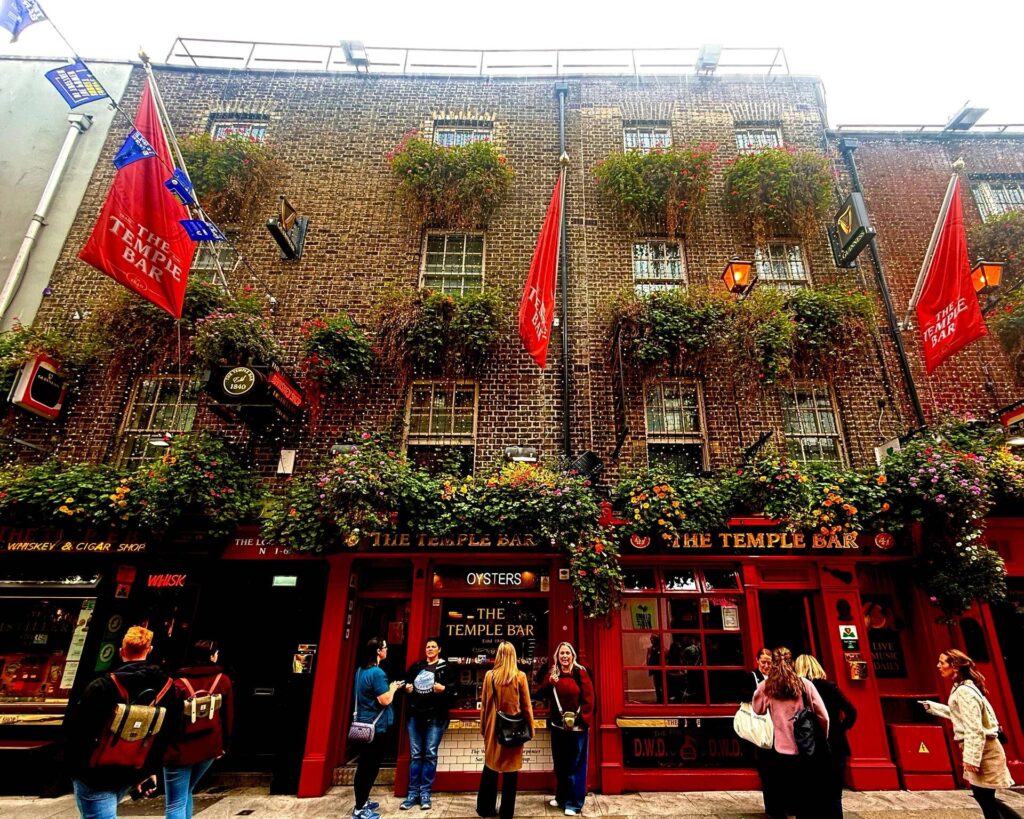
Visit Dublin Castle and St. Patrick’s Cathedral.

Nearby, the National Library and National Museum of Ireland – Archaeology offer deep dives into Irish heritage.
For modern attractions, the Guinness Storehouse is one of Dublin’s top sights.



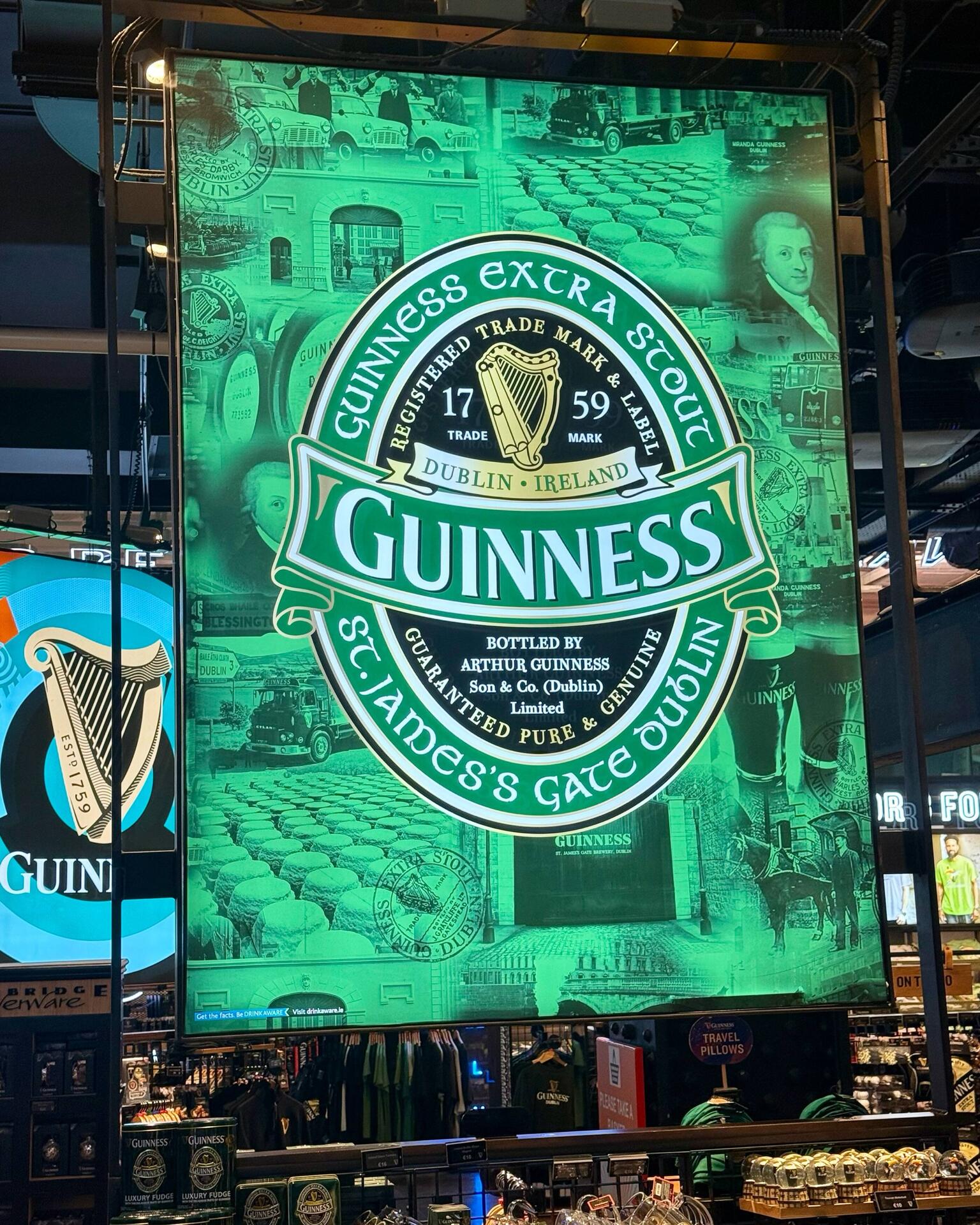
Step inside the Home of Guinness and discover over 260 years of brewing heritage, immersive storytelling and spectacular panoramic views across Dublin.
History lovers should explore Kilmainham Gaol and the Irish Emigration Museum (both offering powerful stories of Ireland’s past.
Outdoor enthusiasts will enjoy St Stephen’s Green, Phoenix Park, and Grand Canal Dock. Trendy neighborhoods like Stoneybatter and Portobello offer cafés, galleries, and street gardens.
For more information about trips to Ireland and Scotland, please see our post “Travel to Visit Ireland and Scotland [2026/2027].”
Consider Adding Northern Ireland or Wales to Your Itinerary
Northern Ireland and Wales are two of the most rewarding additions to any British Isles itinerary, offering a depth of culture, scenery, and storytelling you simply can’t experience if you visit only England or Scotland. Each region has its own identity, rhythm, and landscapes — and together they round out a journey that feels complete, balanced, and genuinely immersive.
Why Include Northern Ireland
Northern Ireland blends dramatic natural beauty with powerful history and warm, welcoming communities. The Giant’s Causeway, with its hexagonal basalt columns tumbling into the sea, is one of Europe’s most striking natural wonders — a place where geology and mythology meet.
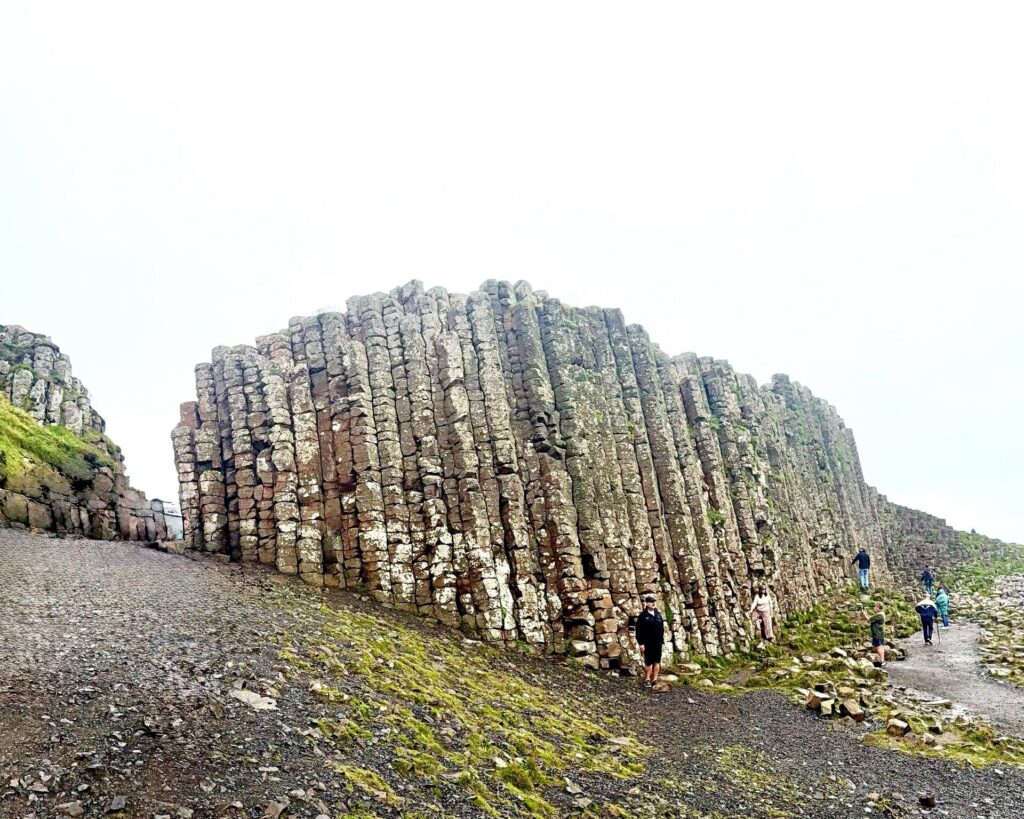

Belfast offers a modern, creative energy alongside the moving story of the Titanic Quarter, while Derry/Londonderry’s walls reveal centuries of political and cultural complexity.

What makes Northern Ireland special is how compact it is: you can explore rugged coastlines, lively cities, and peaceful countryside all within short scenic drives. It adds emotional depth and unforgettable landscapes to your British Isles journey.
Why Include Wales
Wales is often overlooked — and that’s precisely why it feels like a discovery. Its identity is distinct, rooted in Celtic heritage, medieval castles, and a language that still thrives. The scenery is astonishing: Snowdonia’s mountains, Pembrokeshire’s coastal paths, and the rolling green countryside create a sense of calm and timelessness. Wales also has more castles per square mile than anywhere else in Europe, making it a dream for history lovers. Whether you’re wandering pastel‑coloured seaside towns, hiking through national parks, or exploring Cardiff’s cultural heart, Wales offers a quieter, more intimate experience that beautifully complements Scotland’s grandeur and England’s energy.
For more information about Wales, please see our post “Best Romantic Places to Visit in Wales for Couples.”
Why They Matter Together
Adding both Northern Ireland and Wales transforms a British Isles itinerary from “great” to “extraordinary.” You experience four distinct cultures, four landscapes, and four histories — all interconnected yet completely unique. Northern Ireland brings volcanic coastlines, political storytelling, and vibrant cities. Wales offers mountains, castles, and a deep sense of Celtic tradition. Together, they create a richer, more complete picture of the British Isles, ensuring your trip isn’t just a visit to famous landmarks but a journey through the region’s full tapestry.
Sample 10‑Day British Isles Itinerary (England · Scotland · Wales · Northern Ireland)
Day 1 — London
Arrive in London and settle in. Explore Westminster, Buckingham Palace, and the Thames. Enjoy a classic pub dinner to kick off your British Isles adventure.
Day 2 — London → Bath → Cardiff (Wales)
Travel west to Bath for Roman Baths and Georgian architecture. Continue to Cardiff, Wales’ capital, for a walk around Cardiff Castle and the revitalized waterfront.
Day 3 — South Wales Coast
Spend the day exploring the Welsh coastline — the Vale of Glamorgan, Tenby, or the dramatic cliffs of Pembrokeshire. Wales’ coastal scenery is peaceful, photogenic, and far less crowded than England’s.
Day 4 — Cardiff → Liverpool → Belfast (Northern Ireland)
Travel north to Liverpool for maritime history and Beatles heritage. Take an afternoon ferry to Belfast, arriving in time for dinner in the Cathedral Quarter.
Day 5 — Belfast & The Antrim Coast
Visit the Titanic Belfast museum, then drive the Antrim Coast to the Giant’s Causeway. Continue to Carrick‑a‑Rede Rope Bridge and the seaside town of Portrush.
Day 6 — Derry/Londonderry → Edinburgh (Scotland)
Explore Derry’s historic walls and Bogside murals. Fly or ferry to Edinburgh, Scotland’s atmospheric capital. Evening stroll along the Royal Mile.
Day 7 — Edinburgh
Tour Edinburgh Castle, Holyrood Palace, and the Old Town. If visiting in August, attend the Royal Edinburgh Military Tattoo. Enjoy whisky tasting or a cozy dinner in Grassmarket.
Day 8 — Scottish Highlands
Travel north to the Highlands: Loch Ness, Fort William, and the dramatic scenery around Ben Nevis. Optional stop at the Glenfinnan Viaduct.
Day 9 — Isle of Skye
Spend the day exploring Skye’s otherworldly landscapes — the Quiraing, Old Man of Storr, and Fairy Pools. Overnight in Portree.
Day 10 — Return to Edinburgh → London
Drive back to Edinburgh and take a train or flight to London for your departure.
Itinerary Tips for First-Timers
1. Plan Around Meal Schedules
Restaurants in the British Isles generally follow predictable meal schedules, with lunch served from 12–2 PM and dinner from 6–9 PM. Pubs often serve food earlier.
2. Expect Rainy Days During Your British Isles Itinerary
Pack layers and waterproof gear. Rain showers are common but usually brief.
3. Use Bus Tours for Orientation
A bus tour is a great way to get your bearings in London, Edinburgh, or Dublin.
4. Mix Big Cities with Neighborhoods
Balance major attractions with local areas like Liberties in Dublin (Home of Guinness) or South Kensington in London.
5. Check Copyright Notes When Sharing Photos
Many images of British Isles landmarks are licensed under CC BY‑SA, CC BY‑ND, or Pexels license, often credited to photographers like andreas praefcke, giuseppe milo, kim traynor, and openstreetmap contributors. This matters if you plan to publish or share your travel photos online for professional or commercial purposes. Using a tripod may also be restricted,
6. Use Map Data Wisely
Apps using map data from OpenStreetMap or Google Maps help you navigate efficiently. You’ll need them, as the streets aren’t laid out logically.
Top Sights Across the British Isles Itinerary
Here’s a quick list of highlights mentioned in this itinerary:
- Tower of London (
- Tower Bridge (d h)
- Buckingham Palace State Rooms
- Christ Church Cathedral
- National Museum of Scotland
- Scott Monument
- Royal Mile
- Natural History Museum
- Regent’s Canal
- Grafton Street
These landmarks form the backbone of a classic British Isles itinerary.
Final Thoughts
A British Isles itinerary blends history, culture, architecture, and natural beauty across four nations. Whether you’re exploring London’s museums, Edinburgh’s Old Town, or Dublin’s cathedrals, each stop offers its own character and charm. With smart planning, flexible day trips, and an appreciation for the region’s diverse neighborhoods, your journey through the British Isles will be unforgettable.
For more information about the British Isles in general, please see our British Isles Traveler Hub Post.
For information about specific places in the British Isles, or other themes about the British Isles, please see the following posts:
0 Comments