
Short answer: Yes — Iceland is an expensive country. In 2026, higer prices for fuel costs can be a problem. But you can absolutely travelon an Icelandic Adventure on a budget if you understand where Iceland’s costs come from and how to control them. The key is knowing what’s expensive, what’s free, and where the biggest savings actually are.
If you are still just deciding if you want to go to Iceland, regardless of if it is an expensive destination, then please check out our post “15+ Reasons Why Iceland Should Be Your Next Trip.”
Below is a clear, data‑driven breakdown of Iceland’s costs, using fresh, sourced numbers across accommodation, food, transport, fuel, and activities — plus practical ways to keep your budget under control.
Contents
- 1 Is Iceland Expensive in 2026?
- 2 What You’ll Actually Spend Per Day (2026)
- 3 Accommodation Prices (2026)
- 4 Food Costs & Drink Costs (2026)
- 5 Transportation Cost & Fuel Costs (2026)
- 6 Activity Costs (2026)
- 7 Best Time of Year to Travel
- 8 Where Iceland Really Gets Expensive
- 9 How to Make Iceland Affordable (2026)
- 10 Final Takeaway
Is Iceland Expensive in 2026?
Yes — Iceland ranks among Europe’s five most expensive destinations due to high labor costs, import dependence, and strong tourism demand. Food, alcohol, hotels, and tours drive most of the expense.
But many of Iceland’s best attractions — waterfalls, beaches, viewpoints, volcanic landscapes — are 100% free.
What You’ll Actually Spend Per Day (2026)
The amount of money you will spend will vary greatly based on your travel style.
Budget Traveller – Cheapest Option
- 15,000–22,000 ISK/day ($110–$160) Hostels/camping + self‑catering + public transport
Mid‑Range Traveller – Great Option
- 30,000–45,000 ISK/day ($220–$330) Guesthouse/hotel + mix of restaurants + rental car
Comfort Traveller – Highest Prices
- 55,000–80,000 ISK/day ($400–$585) Good hotels + restaurants + premium activities
Euro Benchmarks
- Budget: €100–130/day
- Mid‑range: €180–250/day
- Comfortable: €300–400/day
Bottom Line Cost/Day
Accommodation Prices (2026)
Hostels
- 5,000–9,000 ISK dorm bed
- 12,000–22,000 ISK private room
Guesthouses
- 18,000–35,000 ISK double room
- Money‑saving tip: Rural guesthouses (Akureyri, Höfn, Dalvík, Eastfjords) are 20–30% cheaper than Reykjavík.
Hotels
- Budget: 20,000–30,000 ISK
- Mid‑range: 30,000–50,000 ISK
- Premium: 50,000–100,000+ ISK
We prefer the premium based hotels in the major cities and mid-range or premium guest houses in samller areas. We keep these costs down by using loyalty points with the major hotel chains. We prefer Hilton hotels and found their Curio brand hotels in Reykjavik and Akureyri to be very nice accomodations, The Hilton/SLH Hotel Ranga on the South Coast was really special as we were able to see the Aurio Borealis and have a great meal.

Use loyalty points and save money. Whenever possible, we book five nights and get the fifth night free.
Camping
- 1,500–2,500 ISK per person
- Camping Card saves 70–80% vs hotels
Money‑saving tip: The campervan will cost around 25% more to rent than an SUv and gas costs will also be higher. However, camping will clearly save you enough over a guest house to more than make up the difference. Many campers in Iceland are much smaller than in the United States, so make sure you rent one that will be comfortable enough for you.
Food Costs & Drink Costs (2026)
There are not a lot of fast food options in Iceland, but definitely try the hot dogs in Reykjavik.
Grocery Stores (Bonus/Kronan)
- Bread: 500–800 ISK
- Eggs (10): 700–900 ISK
- Chicken (kg): 2,000–3,000 ISK
- Self‑catered day: 3,000–5,000 ISK
Restaurant Prices
- Soup: 2,000–3,000 ISK
- Burger & fries: 2,500–4,000 ISK
- Casual main mid-range restaurant: 3,500–5,500 ISK
- Nice fine dining restaurant: 5,000–9,000 ISK
We had dinner at our favorite Reykjavik restaurant, the Food Cellar, complete with live piano music, Robin’s last Artic char and Paul’s dinner of reindeer. It was a perfect last meal in this beautiful country,as clear withiin the nice restaurant price range at $350 US.

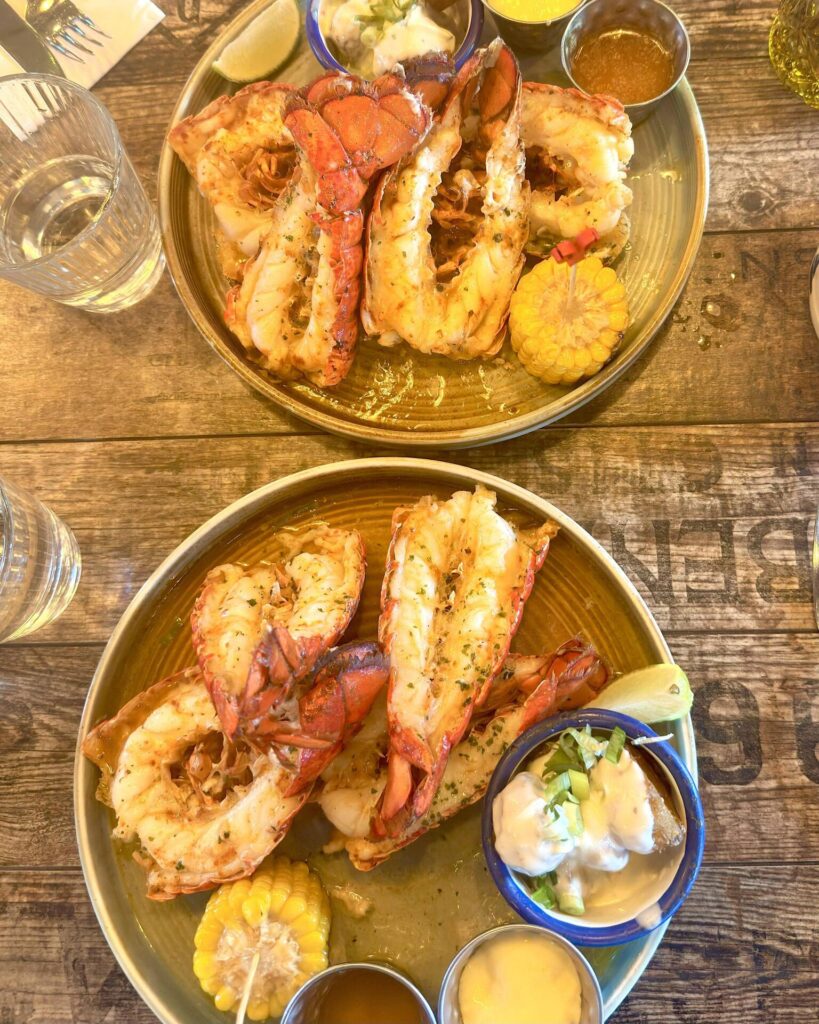
Surprisingly, we had a nice lobster meal at a less fancy restaurant in a small town, Hofn, on the Eastern opposite area of the country, and the price was similar,over $300 US.

Iceland Budget Travel: Alcohol
- Beer in bar: 1,500–2,500 ISK
- Beer in liquor store: 500–800 ISK
Money‑saving tip: Alcohol is extremely expensive — buy at Vínbúðin or duty‑free or just have a non-alcoholic meal. It will reduce the cost of the meal by $50 to $100.
Transportation Cost & Fuel Costs (2026)
Air Travel
Round-trip flights, and free Icelandic Air layovers can often result in ower prices for air transportation. As a money-saving tip, we found the Icelandic Air layovers to be the best option for flying to Europe and staying a few days first in Iceland. You can spend up to a 7-day trip in Iceland as a layover with no extra costs.
Car Rental Companies
- Small car: £45–£80/day
- SUV: £80–£150/day
- 4×4: £120–£220/day
Camper Van
- Low season: £100–£180/day
- Summer: £180–£300+
Fuel – Gas Prices
- 300+ ISK/litre (~€2), or $8 per US Gallon (based on conversion from Icelandic currency to United States dolars, and converting liters to 3.785 U.S. gallons). This is after highway taxes have been excluded, but will be charged on daily basis when renting the car.
- Ring Road fuel total: £150–£300, based on personal experience. We had a plug hybrid EV which allowed us to keep the cost at around $200 US. However, we only got 30 miles on electric, as our charger cord was not compatable with most Tesla chargers that we found. A full EV, like a Tesla might be a better choice for eliminating this cost, but no guaranty that you can get a charge when needed on the ring road, at least not with the faster chargers. In all cases, gas stations are limited on the Ring Road, so make sure to fill or charge up before leaving the larger towns.
Activity Costs (2026)
Good news, you can save money by visiting the free attractions and avoid the avoid the really expensive paid attranctions.
Free Attractions – Natural Wonders
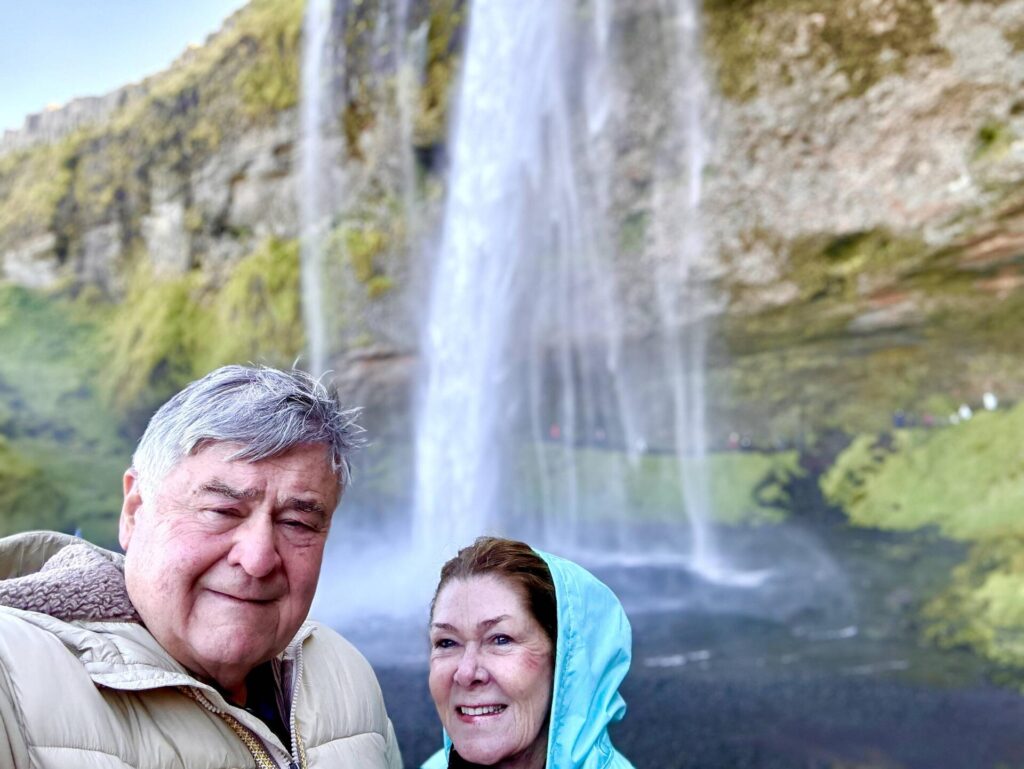
- Seljalandsfoss – waterfall where you can walk around behind the waterfall.
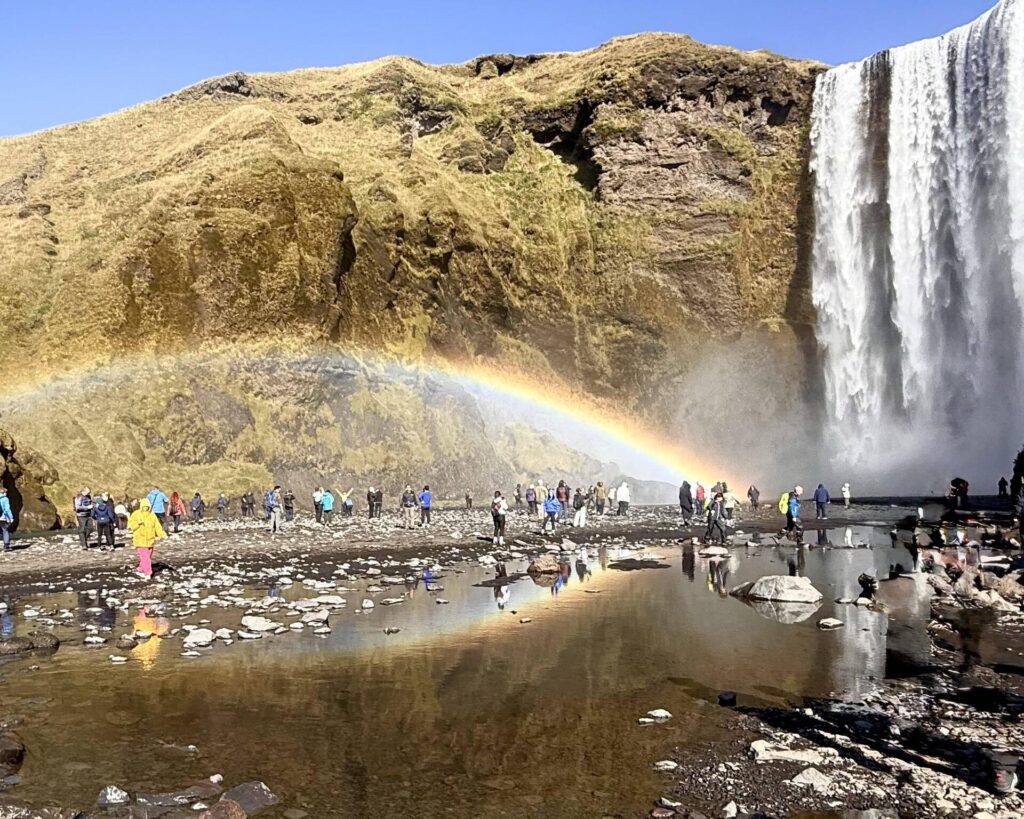
- Skógafoss – Very powerful waterfall with ranibow.
- Reynisfjara
- Diamond Beach
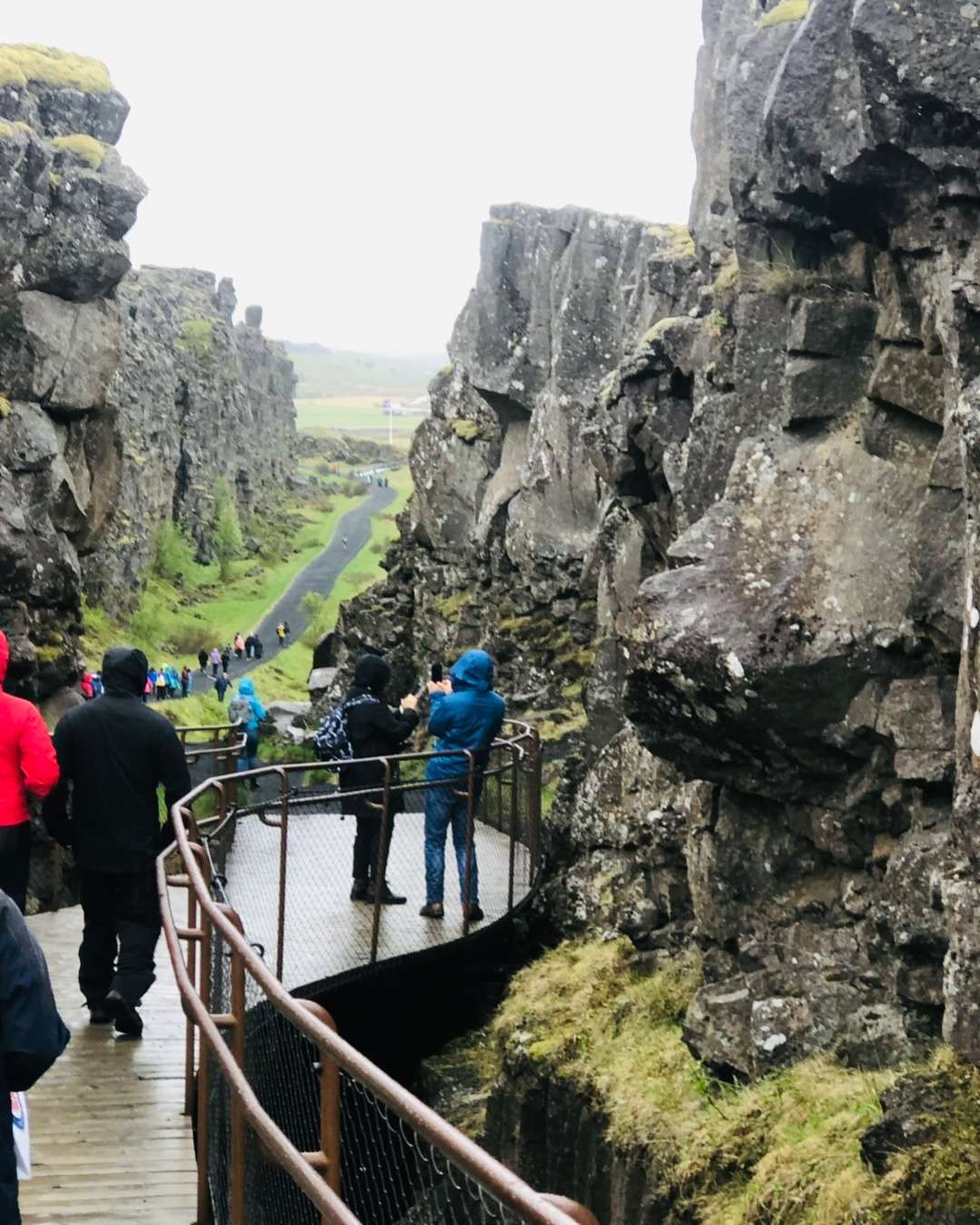
- Thingvellir National Park (Þingvellir) – Observe the separation of the American and European Tectonic Plates
Paid Activities (Entrance Fees)
- Blue Lagoon: £60–£120+
- Sky Lagoon: £70–£110
- Whale watching: £70–£100
- Glacier hike: £80–£150
Best Time of Year to Travel
Careful planning and deciding when to travel can help to offset some of the costs of this expensive destination. Traveling in the summer months will be the most expensive. Since this is the peak season, it results in the highest total costs.
Traveliing in the winter months, is not advised if you plan on traveling on the Ring Road. Whille you will find better opportunities to see the northern lights in the winter when there is more darkness, winter storms can be a problem when crossing the mountains on the Ring Road, and many places are closed in the winter. If you decide to travel in the winter, this is the best time as there will be lower prices, especialliy for accommodations, but limit your ventures to the Golden Circle and not the Ring Road. For more specifics about the two routes, please see our post “Driving Iceland Ring Road vs The Golden Circle.”
Traveling in the shoulder months (May, September and October) may be your best bet especially if you do self-drive tours, as they can save you money and let you travel at your own pace. Nevertheless, if you plan on booking a tour please check Get Your Guide below for many tours with an affordable price:

This is one of the private tours that are available for the Golden Cirlce. Get Your Guide offers this tour and many more, Check them out,
Budget Traveller — 7 Days
- Total: ~£1,030
Mid‑Range Couple — 10 Days
- Total: ~£3,870 (£1,935 each)
Campervan Couple — 10 Days
- Total: ~£3,200 (£1,600 each)
Where Iceland Really Gets Expensive
Across all sources, three categories dominate your spend:
- Accommodation (40–50% of daily cost)
- Car rental + fuel (15–25%)
- Food (15–20%)
Tours are optional — choose only the ones that add access or expertise you can’t replicate.
How to Make Iceland Affordable (2026)
Biggest Savings
- Self‑cater breakfast + lunch
- Eat out once per day
- Shop at Bonus (cheapest supermarket)
- Stay in rural guesthouses, however anything under $200 US, may be roughing it. We found our too late in Borgarnes and need to change accomodatons at a extra cost to us.
- Travel in shoulder season (May, Sept, Oct), but be careful of mountain crossings in late September/October.
- Book car rental 3–4 months ahead
- Prioritize 2–3 paid activities
If you’re doing the Ring Road Trip
- Camping + self‑catering can bring costs down to £60–£80/day (excluding flights).
Final Takeaway
Yes — Iceland is expensive in 2026. But with smart planning, you can absolutely travel Iceland affordably without sacrificing the experience. The country’s most iconic sights are free, and the biggest costs (food, lodging, car rental) are highly controllable. Use hotel loyalty points, whenever possible. We recommend Hilton.
Use loyalty points and save money. Whenever possible, we book five nights and get the fifth night free.
0 Comments