
Contents
- 1 Tips for Travel to Japan, Including the Best Time for Cherry Blossoms in Japan
- 2 Why Travel to Japan?
- 3 Map of the Eight Regions of Japan
- 4 Travel to Japan Tips: Best Places to Travel In Japan
- 5 Tips for Travel To Japan: Best Time of Year to Travel to Japan
- 6 Tips for Travel to Japan: People and Culture of Japan
- 7 General Information about Trips to Travel to Japan
- 8 Cos and Robin’s 2025 Visit to Japan
- 9 Conclusion
Tips for Travel to Japan, Including the Best Time for Cherry Blossoms in Japan
If you wish to learn some Tips for travel to Japan you have come to the right place. Japan is an incredible travel destination, offering a unique blend of tradition and modernity. Japan has one of the largest economies in the world. The Japan economy rank is 5th globally in terms of nominal GDP at $4.19 trillion in 2025. In this article we will provide tips about “why travel to Japan”, the “Regions of Japan,” the “Best places to travel in Japan“, “Best time of year to travel to Japan,” “Best Time for Cherry Blossoms in Japan,” and the people and customs of Japan.
Why Travel to Japan?
Here’s why you should travel to Japan:
- Stunning Natural Beauty – From the iconic Mount Fuji to the serene gardens of Kyoto, Japan’s landscapes are breathtaking.
- Rich Culture & History – Explore ancient temples, shrines, and castles that tell the story of Japan’s fascinating past.
- World-Class Cuisine – Sushi, ramen, tempura, and wagyu beef—Japan is a paradise for food lovers.
- Efficient Public Transportation – The Shinkansen (bullet train) makes traveling between cities fast and convenient.
- Cherry Blossom Season – Springtime in Japan is magical, with pink Sakura trees creating stunning scenery.
- Unique Experiences – Enjoy Onsen (hot springs), sumo wrestling, anime culture, and themed cafes.
- Safety & Cleanliness – Japan is one of the safest and cleanest countries in the world, making it a stress-free travel destination
Map of the Eight Regions of Japan
To truly take advantage of Tips for Travel to Japan, it first will help to learn about the eight regions of Japan as shown in the map below:

Each region has its own dialect, customs, and unique traditional culture. However, they are not administrative regions, only an easier way to discuss the different parts of Japan, rather than describing each of the 47 prefectures which are the administrative regions. Here is a little description of the Regions of Japan.
Travel to Japan Tips: The Eight Regions of Japan
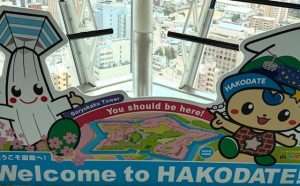
Hokkaido: The northern most region and a separate island. The least populated region of Japan. But it contains the city of Sapporo which we wanted to visit because of their famous beer. It also contains the Mt. Niseko Ski Resort. The cities of Otaru and Hokadate provided a pleasant surprise.
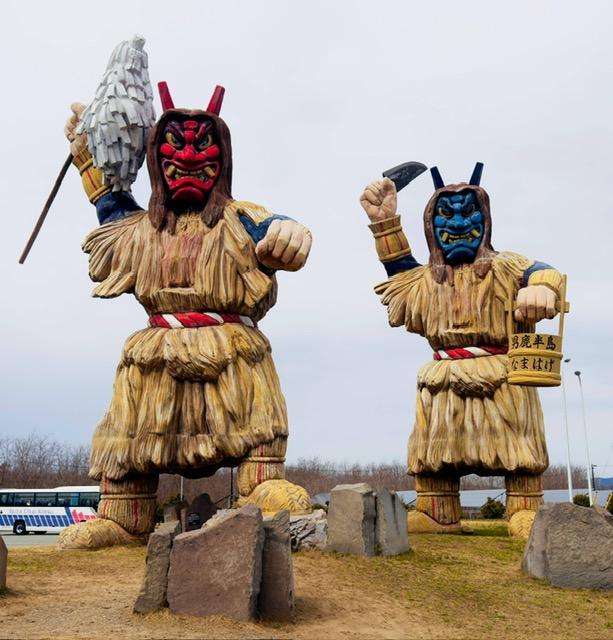
Tohoku: While in Tohoku we visited the city of Akita. Since Tohoku is the northern most part of Japan’s largest Island, Honshu, like Hokkaido it is a colder part of Japan and will get a fair amount of snow in the winter.
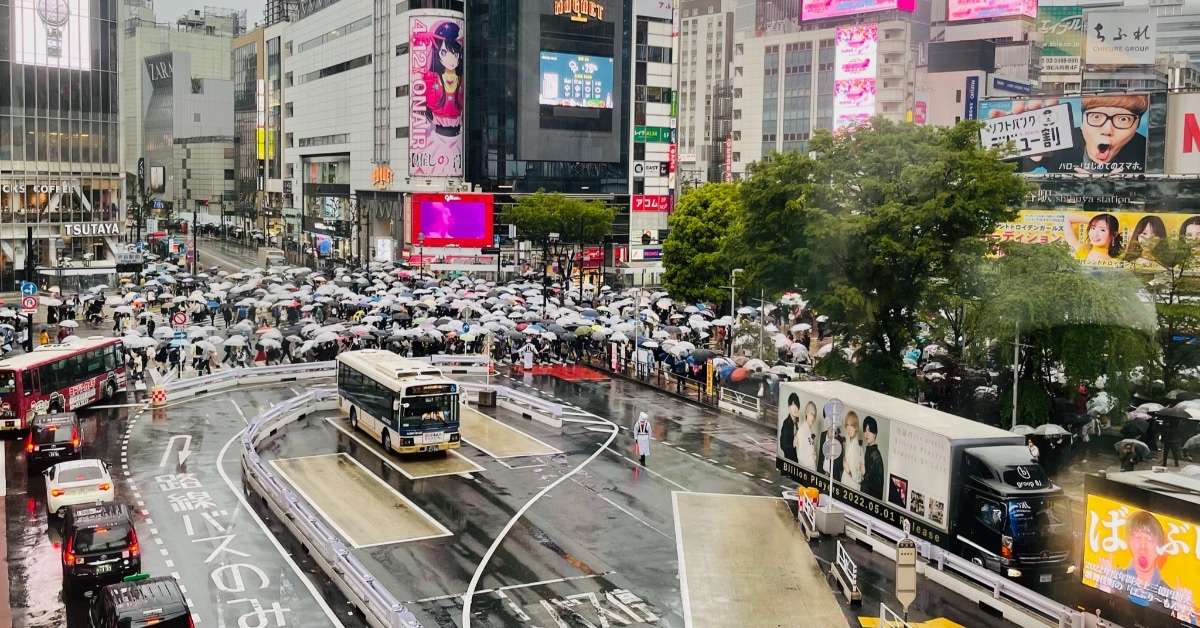
Kanto: Home to Tokyo, this is the most populous region of Japan with approximately 40 million people living in this region. Many of them travel through the Shibuya Crossing daily. Yokohama is also located here and is often considered an extension of Tokyo.
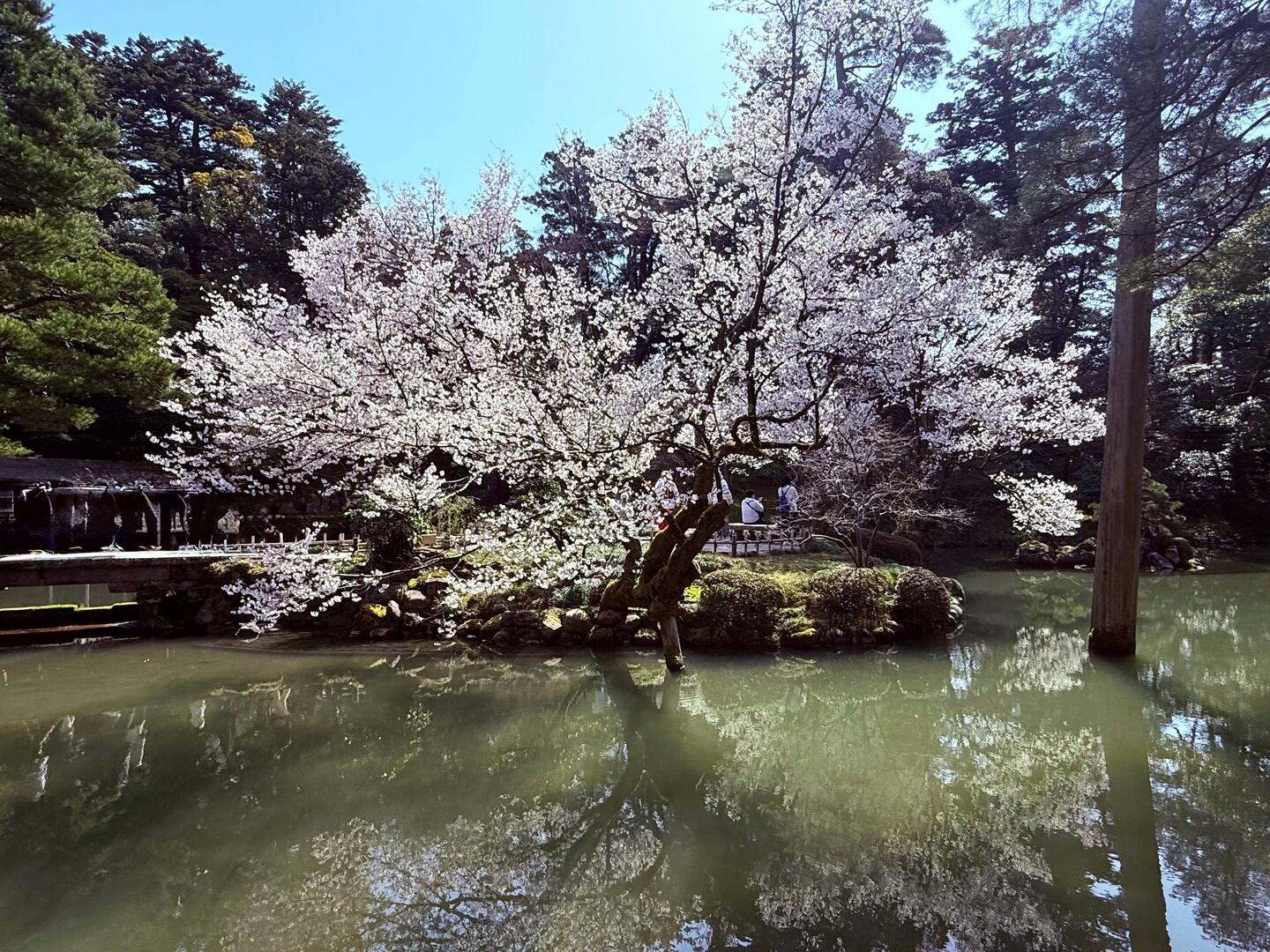
Chuba: Chuba has historically been the second-most popular Japan region (after Kanto) due to Mt. Fuji. However, there’s plenty else to discover here, from the Japanese Alps, to the underrated cities that we visited like Kanazawa and Nagoya. Kanazawa was one of the best places to travel in Japan for Cherry Blossoms while we were there.
Kinki (Kansai): From a tourist perspective, Kinki, or the Kansai region, as it is better known, is the heart of Japan. Ancient Kyoto with it’s Golden Temple and modern Osaka anchor it; just a few of the can’t-miss attractions. Kobe’s Mt. Rokko, and the Himeji Castle are two other places worth a visit.
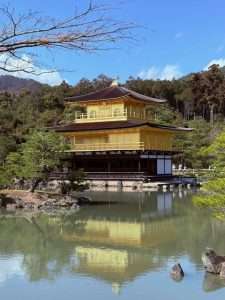
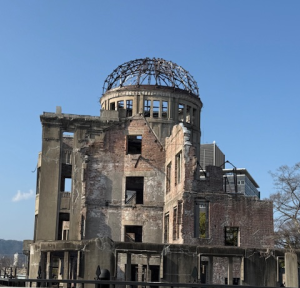
Chugoku: Home to Hiroshima, this is a must visit to understand the Japanese perspective of WWII. Visit the Atomic Bomb Dome to see a reminder of the horrors from the atomic bomb.
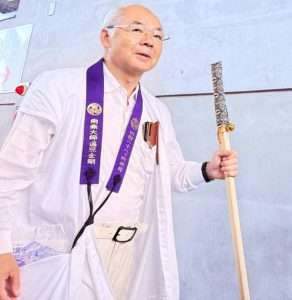
Shikoku: Shikoku is both Japan’s smallest main island and also one of the most underrated regions of Japan. Among Japanese, it is most famous for the Junrei, a pilgrimage route that snakes through 88 temples that more or less circumnavigate the island. On Shikoku we visited Kochi and Tokushima where we visited some of the temples on the pilgrimage route.
Kyushu-Okinawa
As a separate island, Okinawa is sometimes separated and considered the ninth region. In any case it is best known for beautiful beaches, the best in all of Japan. Kyushu hosts the cities of Kagoshima and Nagasaki and like Hiroshima is a must visit if you want to understand Japan’s perspective of WWII.
Travel to Japan Tips: Best Places to Travel In Japan
To provide some better tips for for travel to Japan and to help you understand the best places to travel in Japan, we have developed a series of posts highlighting different parts of the country. We arranged the posts roughly along the same regions that organize Japan’s 47 prefectures. We combined the Hokkaido and Tohoku Regions into what we called Northern Japan, and Kyushu Island and the Chugoku Region into what we called Southern Japan. Here are the links to the different posts about Japan from our “Whispers of the Orient 2025 Tour”:
⦁ Northern Japan: Hokkaido Island and Tohoku Region, Akita, Sapporo (Otaru) and Hakodate
⦁ Central Japan: Kanto Region, Tokyo and Yokohama
⦁ Mountains: Chuba Region, Shimizu (Mt. Fuji), Kanazawa and Nagoya
⦁ Tourist Popular Region: Kansai Region, Osaka, Kyoto, Kobe and Himeji
⦁ Pilgrimage Route: Shikoku Island, Tokushima and Kochi
⦁ Southern Japan: Kyushu Island and Chugoku Region, Hiroshima, Nagasaki, and Kagoshima
We also created a separate post for Akita, Japan, and we have developed a recommended 10-Day Japan Trip Itinerary.
Tips for Travel To Japan: Best Time of Year to Travel to Japan
Japan is a fantastic year-round destination, but the best time of year to travel to Japan depends on what you’re looking for:
- Spring (March–May) – One of the most popular times to visit, thanks to cherry blossoms and mild temperatures.
- Autumn (September–November) – Stunning fall foliage, comfortable weather, and fewer crowds than spring.
- Winter (December–February) – Ideal for skiing in Hokkaido, soaking in Onsens (hot springs), and experiencing New Year celebrations.
- Summer (June–August) – Great for festivals, but expect hot and humid weather. Okinawa is perfect for beach lovers.
For the best balance of weather and crowds, late spring (May) and autumn (October–November) are ideal. To view the Sakura (Cherry Blossoms) while vary by region.
Tips for Travel to Japan: Best Time for Cherry Blossoms in Japan
Our 2025 travel thru Japan started in Mid-March and continued into early April, what we expected would be the” best time for cherry blossoms in Japan.” We expected that our travel schedule should be the perfect timing to see the famous Sakura, or Cherry Blossoms. Unfortunately, because of the colder than normal winter in Japan, what we saw in March was mostly plum blossoms and not cherry blossoms.

Actually, the Japan plum blossoms are “easier” to enjoy than Sakura. They last longer and are less prone to fluctuations in their bloom due to winter weather, since they tend to bloom in winter anyway.
Some of the best places in Japan to see the Plum Blossoms doesn’t reach full bloom until March, some of them not until mid or even late March. Therefore, our timing for visiting Osaka and Kyoto was perfect for plum blossoms, as these are two well-visited cities where the plum trees are popular. Osaka Castle, being the most popular place to visit, was our best view of them. They are also easy to spot in Kyoto if you visit the Kitano Tenman-gu temple on your way between Kinkaku-ji (The Famous Golden pavilion) and the Arashiyama Bamboo Forest.
Fortunately, when we arrived in Shimizu on March 26, 2025 we finally saw the Cherry Blossoms. Here is a picture of a large Sakura (Cherry Blossom Tree) at the garden near the Shimizu Castle.

The best time to travel to the Southern Regions and Northern Regions of Japan can vary greatly. Unfortunately we were a little late in the Southern regions and a little early in the Northern Regions. Our best time for Cherry Blossoms in Japan was actually when we were in Kanazawa on the 5th of April.

If you are interested in a tour to help you spot the cherry blossoms, or to travel anywhere in Japan, check out Get Your Guide.

Interested in traveling and taking a tour? Get Your Guide is the best place to find the best tours and the best guides in most places around the world. Find out for yourself, click below.
Summary Travel Tips for the Best Time for Cherry Blossoms in Japan
While we have heard that it is easier to see the Plum Trees, because they last longer, no question the Cherry Trees are much more beautiful. So, when you travel to Japan to see the Cherry Blossoms, check ahead to see when they will peak in the different Regions of Japan.
Tips for Travel to Japan: People and Culture of Japan
Let’s end our “Tips For Travel to Japan” on a really positive note. The people of Japan are friendly and are known for their rich cultural traditions, strong sense of community, and adaptability. Here are some key insights about the Japanese people:
- Values and Traits: Respect and Politeness: Manners and respect for others are deeply ingrained in Japanese society, which you can see in daily interactions, bowing, and attentive customer service.
Hard Work and Dedication: There’s a strong work ethic, often reflected in Japan’s technological advancements and global contributions. The concept of “gaman” (endurance) is a cultural cornerstone - Harmony and Community: The idea of “wa” (harmony) influences how people interact, aiming to avoid conflict and maintain balance within groups.
- Cultural Traditions: Deep Connection to Nature: Many customs, such as hanami (cherry blossom viewing) and respect for seasonal changes, reflect this bond with the natural world.
Festivals and Celebrations: Vibrant festivals like Obon and Matsuri highlight community spirit, history, and cultural pride.
Appreciation for Aesthetics: Japanese people value beauty in everyday life, evident in their architecture, design, and rituals like tea ceremonies. - Modern Characteristics: Innovation and Adaptability: While rooted in tradition, Japanese society embraces modernity and technological progress, balancing the old with the new.
Individuality in Expression: Cities like Tokyo reveal unique fashion subcultures, creative arts, and self-expression amidst collective societal values. - Diversity Within: While certain traits are widespread, Japan is not monolithic. Regional identities, dialects, and local customs offer fascinating diversity across the country.
The Japanese people embody a captivating blend of discipline, creativity, and cultural richness.
General Information about Trips to Travel to Japan
Japan is an island country in East Asia located off the northeast coast of the Asian Mainland. The Japanese archipelago consists of four main islands and thousands of smaller islands. It covers 377,975 square kilometers (145,937 square miles). Japan has a population of over 123 million as of 2025, making it the eleventh-most populated country in the world.
Government and Politics
Japan is a constitutional monarchy in which the power of the Emperor is limited to a ceremonial role. Executive power is instead wielded by the Prime Minister and his Cabinet, whose sovereignty is vested in the Japanese people. Here’s a breakdown of its political structure:
- Emperor – The Emperor of Japan, currently Naruhito, serves as a symbol of the state but holds no governing power.
- Prime Minister – The head of government, currently Shigeru Ishiba, leads the Cabinet and is appointed by the Emperor after being nominated by the National Diet.
- Legislature (National Diet) – Japan has a bicameral parliament, consisting of:
- House of Representatives – The lower house, responsible for passing laws and electing the Prime Minister.
- House of Councillors – The upper house, which reviews legislation and provides oversight.
- Judiciary – The Supreme Court and lower courts ensure legal interpretation and enforcement.
Japan’s political landscape has been dominated by the Liberal Democratic Party (LDP) since 1955, though it lost its parliamentary majority in 2024 and now leads a minority government. The country follows a civil law system, and its 1947 Constitution renounces war and guarantees fundamental human rights.
Japan Economy Rank
The Japanese economy rank has had its ups and downs over the years. While the Japan economy is still ranked as the fifth largest economy in the world, the following charts tell the full story. Despite a strong upswing from 1985 to 1995, the economy has been virtually flat, unlike many of the other Asian countries, and recently has seen negative growth. Projections for growth going forward are very mild.


Here are some main reasons behind its slower growth compared to the “Asian Tigers” (South Korea, Taiwan, Hong Kong, and Singapore):
1. Demographics: Japan has an aging population. With fewer people in the workforce, productivity and economic growth tend to slow down. This is in stark contrast to the younger populations in the Asian Tiger countries.
2. Stagnant Wages: Japan has seen a decline in real wages, which affects consumer spending and overall economic growth.
3. Deflation: Japan has struggled with deflation for decades. Consumers expect prices to fall, so they delay spending, which perpetuates the problem.
4. Capital Investment: Japan’s investment in capital services has been sluggish. In contrast, the Asian Tigers have focused heavily on infrastructure and technology.
5. Economic Policies: The policies termed “Abenomics” (monetary easing, government spending, and deregulation) had mixed results. Despite efforts, the economy hasn’t seen the desired boost.
The Asian Tigers adopted export-led growth strategies, focusing on manufacturing and technology-intensive industries. Additionally, their governments heavily invested in education, infrastructure, and human capital, which contributed to their rapid growth.
Japan vs Taiwan
Japan’s low birth rate has played a major issue. Currently, the birth rate in Japan is 7.1 births per 1000 people. This is much lower than in most other Asian countries with the exception of Taiwan where their birth rate is even lower, approximately 5.8 births per 1,000 people in 2023. Although Taiwan has a slightly lower birth rate than Japan, its economic growth has been faster. Here are some reasons for this:
⦁ Demographics: Japan has a higher proportion of elderly citizens compared to Taiwan. This means fewer people in the workforce, leading to slower growth.
⦁ Economic Policies: Taiwan has adopted more effective economic policies, fostering innovation and growth. For instance, Taiwan invests heavily in technology and manufacturing, helping drive its economy forward.
⦁ Debt: Japan has a much higher government debt ratio compared to Taiwan (over 205% vs. about 26%). This restricts Japan’s ability to invest in growth initiatives.
⦁ Investment in Infrastructure: Taiwan has consistently invested in infrastructure and technology, ensuring a steady and rapid growth.
⦁ Labor Market: Taiwan has a more flexible labor market, encouraging productivity and economic expansion.
These factors combined create a stark difference in the overall growth trajectories of both countries. Now let’s change the subject to something more pleasant.
Cos and Robin’s 2025 Visit to Japan
Our 72-day “Whispers of the Orient” 2025 trip to Asia was the second time we visited Japan. On this second visit, prior to visiting Japan we stayed in the tropics and were treated to nice warm weather. Getting weather in Japan that was below 45 degrees was an unpleasant surprise. Unfortunately, we had a wardrobe with us that was more oriented to the warmer temperature. We learned the hard way about the Best Time of Year to Travel to Japan, or at least the right clothes to wear.

Our first visit in 2023 focused on Tokyo, Kyoto and Osaka. If you want to learn more about that visit please see our post “Traveling to Japan for the Frist Time”.
Our 2025 return included revisits to those three cities, but also included visits to other amazing Japanese cities including Kobe, Kagoshima, Hiroshima, Nagasaki, as well as a visit to Mt. Fuji in Shimizu. This was our third cruise of the overall trip, and we cruised around the southern and eastern part of Japan returning to Tokyo (Yokohama).
Return to Japan: Northern Route
After a five day visit to South Korea we boarded our fourth and final cruise from Incheon in South Korea back to Tokyo, but this time traveling around the North and Western parts of Japan and visiting Kanazawa, Akita, Sapporo, and Hakodate on the western and northern side of Japan, and Tokushima, Shimizu, Kochi, and Nagoya back on the eastern side, ending again in Yokohama. All in all, we have now visited sixteen different cities in Japan providing a pretty good understanding of the country.
Normally, we feel that land-based travel is a better way to learn about the culture, food, religion and to meet the people of the country. However, with almost all of the major Japanese cities being along the coast visiting Japan by cruise ship provides an even better way to tour and learn about the country.
Conclusion
To learn more about the culture of the Japanese people and to help you decide where you should visit on your trip to Japan, please follow any of these regional links:
- ⦁ Akita, Japan
- Northern Japan: Hokkaido Island and Tohoku Region, Akita, Sapporo (Otaru) and Hakodate
- Central Japan: Kanto Region, Tokyo and Yokohama
⦁ Mountains: Chuba Region, Shimizu (Mt. Fuji), Kanazawa and Nagoya
⦁ Tourist Popular Region: Kansai Region, Osaka, Kyoto, Kobe and Himeji
⦁ Pilgrimage Route: Shikoku Island, Tokushima and Kochi
⦁ Southern Japan: Kyushu Island and Chugoku Region, Hiroshima, Nagasaki, and Kagoshima
Travel smarter, dine better and explore deeper: we’d love to share our handpicked insights and exclusive guides in our monthly newsletter below.
0 Comments