
If you’re wondering about the best time to visit Lake Michigan, or simply the best time to visit Michigan, you have come to the right place. The answer depends on what kind of adventure you’re seeking. We will explore all the options, based on our personal two-week tour completely around the lake in 2026.
Contents
- 1 Best Time to Visit Lake Michigan
- 2 Summer: Michigan’s Peak Season (June through August)
- 3 June: Perhaps the Perfect Time
- 4 July and August: Classic Michigan Summers
- 5 Fall: Michigan’s Hidden Gems.
- 6 Spring: Fresh Beginnings
- 7 Winter: A Different Kind of Adventure
- 8 Highlights of Our Lake Michigan Tour
- 9 Following M-22 and the Road to Traverse City
- 10 Exploring Traverse City
- 11 Traverse City to Mackinac Island
- 12 Mackinac Island: A Unique Experience
- 13 The Upper Peninsula: Michigan’s Wild Side
- 14 Should You Combine Michigan with Door County?
- 15 So, When Is the Best Time to Visit Michigan?
Best Time to Visit Lake Michigan
One of the most diverse destinations in the United States, Michigan offers everything from pristine beaches and charming waterfront villages to vibrant cities, spectacular forests, and dramatic coastlines. Surrounded by four of the five Great Lakes, few destinations in North America offer such a variety of landscapes and experiences year-round.
Whether you’re planning beach days along the shores of Lake Michigan, exploring the waterfalls of the Upper Peninsula, or enjoying colorful fall foliage, there’s something special to offer every time of year.
Here’s a complete guide to choosing the best month for your Lake Michigan vacation, starting with a map of our two-week tour completely around the Lake. We started and ended our trip in Chicago, Illinois, so we actually hit four states, including Indiana and Wisconsin. However, this post will focus on Michigan. To learn about our visit in Chicago, please see our post: Ultimate & Perfect 3 Days Chicago Itinerary.
Map of Lake Michigan Two-Week Tour
Summer: Michigan’s Peak Season (June through August)
For most travelers, the summer months are unquestionably the best time to experience Michigan.
This is peak season, when nearly every attraction is open, lake towns are buzzing with visitors, and outdoor festivals fill the calendar. We visited in the last week of June, 2026, and the first week of July, 2026. It was a perfect time to explore the coastal shores of Lake Michigan. We spent the 4th of July, 2026, on Mackinaw Island to help celebrate America’s 250th birthday.
Why Summer is So Popular
Michigan’s summers are pleasantly warm rather than excessively hot. Daytime temperatures typically range from the mid-70s to low 80s, while evenings remain comfortably cool. Unfortunately, we were there when the entire Eastern half of the United States was experiencing a “Heat Dome”, with temperatures reaching over ninety degrees throughout much of Michigan. Fortunately, it was a little cooler while we were visiting Mackinaw and the Upper Peninsula.
By late June, nearly everything is operating at full capacity—from ferry service to island attractions, wineries, beach restaurants, and scenic boat cruises. We did encounter some service challenges while we were in Traverse City, as they were training the summer staff at one of the popular eateries. Aside from that experience, everything was perfect, especially at the wineries, where we were surprised by some really good Michigan wine.
Some of the state’s biggest highlights truly shine during summer; we visited the first four:
- Mackinac Island
- Traverse City
- Sleeping Bear Dunes National Lakeshore
- Charlevoix
- Holland
- Petoskey
- Harbor Springs
If this is your first visit, summer offers the easiest opportunity to see Michigan at its very best.
June: Perhaps the Perfect Time
Many experienced Michigan travelers will tell you that early June or late June may actually be the perfect time to visit.
Schools are just finishing for the summer, crowds remain manageable, and temperatures are comfortably warm.
By late June, gardens are blooming, cherries begin appearing around Traverse City, and nearly every seasonal business has reopened after winter.
If you’re looking for beautiful weather without the busiest crowds, June is a great time to visit. Another advantage is lower hotel prices compared with July and August. Here are the places we stayed at during our tour of Michigan.
Our Hotel Stays: Recommendations & Non-Recommendations:
Generally speaking, we like to stay in nicer hotels, and we prefer the Hilton brand, as we have many Hilton and Hilton Grand Vacations points that allow us to stay in nice hotels at a relatively low cost. Here are the hotels where we stayed and our recommendations:
- Grand Rapids: Embassy Suites – This is a nice, modern hotel and offers the usual Embassy Suites benefits, including a good full American breakfast and a free cocktail hour. The hotel also includes a nice sports bar where we enjoyed watching the 2026 FIFA World Cup.
- Manistee: Hampton Inn and Suites: As Hampton Suites go, this was an upgraded one with a nice restaurant and an outdoor bar right on the beach. Clearly, the best place to stay in this small beach town.
- Traverse City: The Great Wolf Lodge: Our first stay at a Great Wolf Lodge. All we can say is that this is a family-oriented place to stay, and if traveling as a retired couple without the grandkids, this may not be your first choice. There aren’t many brand-name hotels in Traverse City.
- Mackinac Island: The number one place to stay in Mackinac Island is the Grand Hotel. Unfortunately, since we were staying there during the July 4th, 2026 weekend, the cost was way beyond our budget. Instead, we decided to stay at the Island House Hotel, which is also very nice, but more reasonably priced. We loved the Island House, but next time we visit, if we can afford it, we will stay at the Grand Hotel. We had dinner there one evening in the Jockey Room.
- Marquette, Upper Peninsula: Hampton Inn by Hilton. Not many good choices; this was just fine.
If you wish to make a reservation, or just check out the wide selection of Hilton Hotels, please click below:

Use loyalty points and save money. Whenever possible, we book five nights and get the fifth night free.
July and August: Classic Michigan Summers
July and August represent Michigan at its most iconic.
Long sunny days invite visitors to enjoy:
- Kayaking
- Paddleboarding
- Sailing
- Fishing
- Hiking
- Beach picnics
Winery Tours
Two days, two wine trails, and one wonderful surprise. We explored both the Leelanau and Old Mission Peninsulas, discovering that northern Michigan produces wines far better than we ever expected.
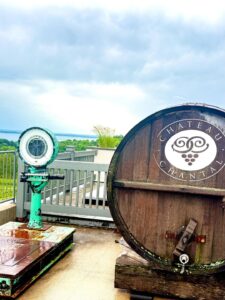
Summer is also when water activities become especially popular. The water temperatures of Lake Michigan gradually warm throughout the summer. While the lake never feels tropical, many beaches become surprisingly comfortable by late July. With the above-normal temperatures we experienced in late June, we weren’t surprised to see many people already enjoying the lake’s cooler waters to cool down.
Protected bays and inland lakes often have even warmer water, making swimming especially enjoyable.
Popular beach destinations include:
- South Haven
- Grand Haven
- Holland State Park
- Silver Lake
- Ludington
These communities offer beautiful sandy beaches, lighthouses, marinas, and spectacular sunsets over Lake Michigan.
Fall: Michigan’s Hidden Gems.
Many locals believe autumn is actually the best month—or at least the best season—to experience Michigan. Beginning in late September, cool temperatures arrive, humidity disappears, and the state’s famous fall foliage begins its spectacular display.
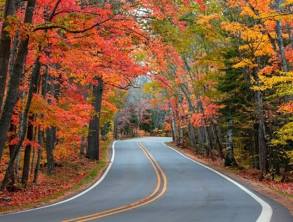
The colors typically peak:
- Late September in the Upper Peninsula
- Early October in Northern Michigan
- Mid-October in southern Michigan
This season is ideal for:
- Scenic drives
- Apple orchards
- Pumpkin farms
- Wine tasting
- Hiking
- Photography
If your priority is scenery rather than swimming, autumn may be the perfect time for your visit.
Spring: Fresh Beginnings
Michigan awakens gradually after winter.
Early spring can still be unpredictable, with cool temperatures and occasional snow in northern regions.
By late spring, however, gardens bloom, golf courses reopen, and outdoor festivals begin appearing.
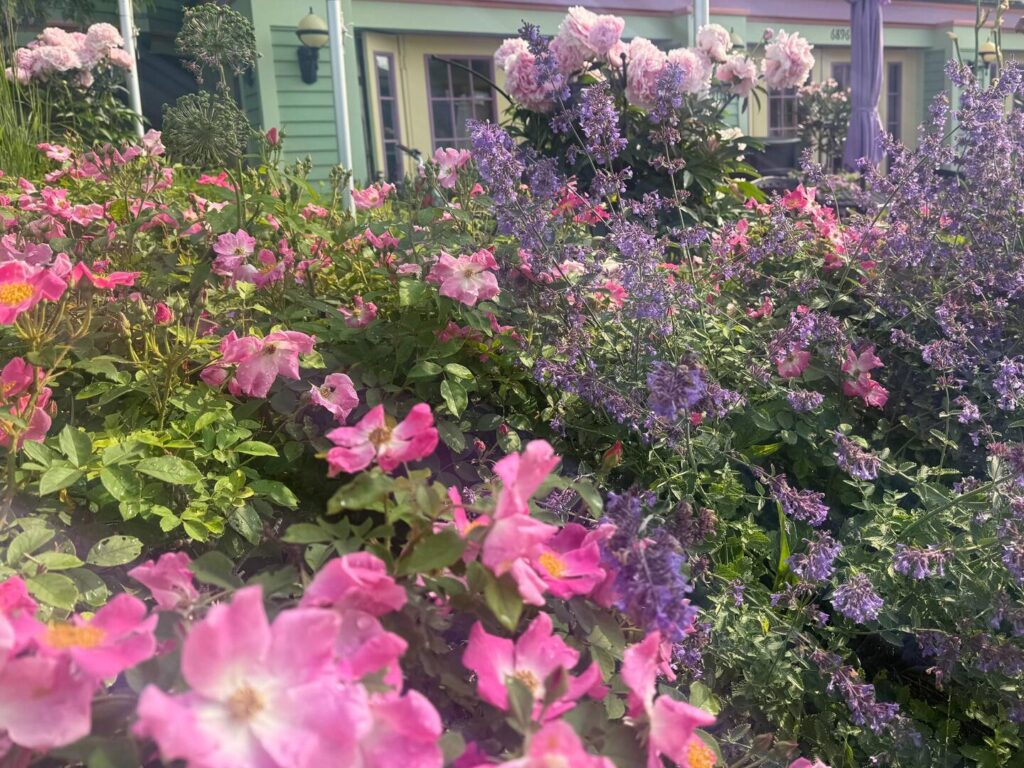

The period between late May and Memorial Day often signals the unofficial beginning of Michigan’s travel season.
Hotels remain reasonably priced, and many attractions reopen before the summer crowds arrive.
Winter: A Different Kind of Adventure
Although many visitors focus on warmer months, winter offers another side of Michigan.
Popular activities include:
- Downhill skiing
- Cross-country skiing
- Snowmobiling
- Ice fishing
- Holiday festivals
Northern destinations like Boyne Mountain and Crystal Mountain become major winter playgrounds. Even Mackinaw Island can be a winter wonderland, as shown below with a snowmobile trail on the island.

The Upper Peninsula receives tremendous snowfall, creating excellent conditions for winter sports.
Highlights of Our Lake Michigan Tour
After departing from Chicago and transiting the less interesting I-90 highway in Indiana, we toured Michigan’s West Coast, starting in Grand Rapids and ending in Mackinaw, before venturing into the Wilder Upper Peninsula. Following are descriptions of the places we visited on this eight-day Lake Michigan Coastal Tour.
Grand Rapids: More Than a Gateway
Many travelers use Grand Rapids simply as a starting point before heading north. That was our original plan, but we soon realized that would be a mistake.
Michigan’s second-largest city has evolved into one of the Midwest’s premier destinations for:
- Craft breweries
- Art museums
- Sculpture parks
- Fine dining
- Live music
The internationally acclaimed Frederik Meijer Gardens & Sculpture Park alone is worth planning into your itinerary. Our first stop was the Park in Grand Rapids, and it completely exceeded our expectations. This truly is a world-class botanical garden, but the real highlight for us was the special exhibition of Dale Chihuly’s breathtaking glass sculptures, on display through November. The brilliant colors and imaginative forms were beautifully woven throughout the gardens, creating an unforgettable experience.



For more information about Dale Chihuly’s beautiful glass works, please see our Seattle, Washington post.
Southwest Michigan’s Beach Towns
The coastline of Southwest Michigan has become increasingly popular for weekend getaways.
Communities like South Haven, Benton Harbor, St. Joseph, Manistee, and Saugatuck feature:
- Sandy beaches
- Lighthouse piers
- Waterfront restaurants
- Boutique shopping
- Family attractions
- Vineyards
The scenic coast of Lake Michigan rivals many better-known coastal destinations, yet remains surprisingly affordable.
Many visitors are amazed by the enormous freshwater beaches that resemble ocean coastlines.
Manistee: Our Lake Michigan Coastal Beach Visit
We decided to make our beach visit in the small town of Manistee, about halfway up Lake Michigan, on Michigan’s Western coast. Unlike the other Southwestern Michigan Beach towns, Manistee is further up the coast than the other beach towns, and thus was a great place to stopover on out trip up the coast.
Grand Haven: Michigan’s Beach Capital
Among Michigan’s waterfront communities, Grand Haven consistently ranks as a favorite. Its broad sandy beach, famous lighthouse, musical fountain, and lively downtown create an ideal summer destination. It is farther north on the Lake Michigan Coast than the other coastal beach towns, making it more of a destination than a day trip from Michigan’s more populated areas.
Visitors enjoy sunset walks, boat watching, fishing charters, waterfront dining, and festivals.
The town perfectly captures the relaxed atmosphere that makes Michigan’s lake communities so memorable.
Following M-22 and the Road to Traverse City
Leaving Manistee, we traveled North and soon found ourselves on Michigan’s scenic M-22 route, rather than take the faster inland route to Traverse City. Our road trip took us from Inspiration Point in Arcadia, through the breathtaking Sleeping Bear Dunes National Lakeshore to Traverse City. We weren’t quite sure what to expect, but quickly discovered why this drive is one of Michigan’s most beloved destinations.
Arcadia Bluffs
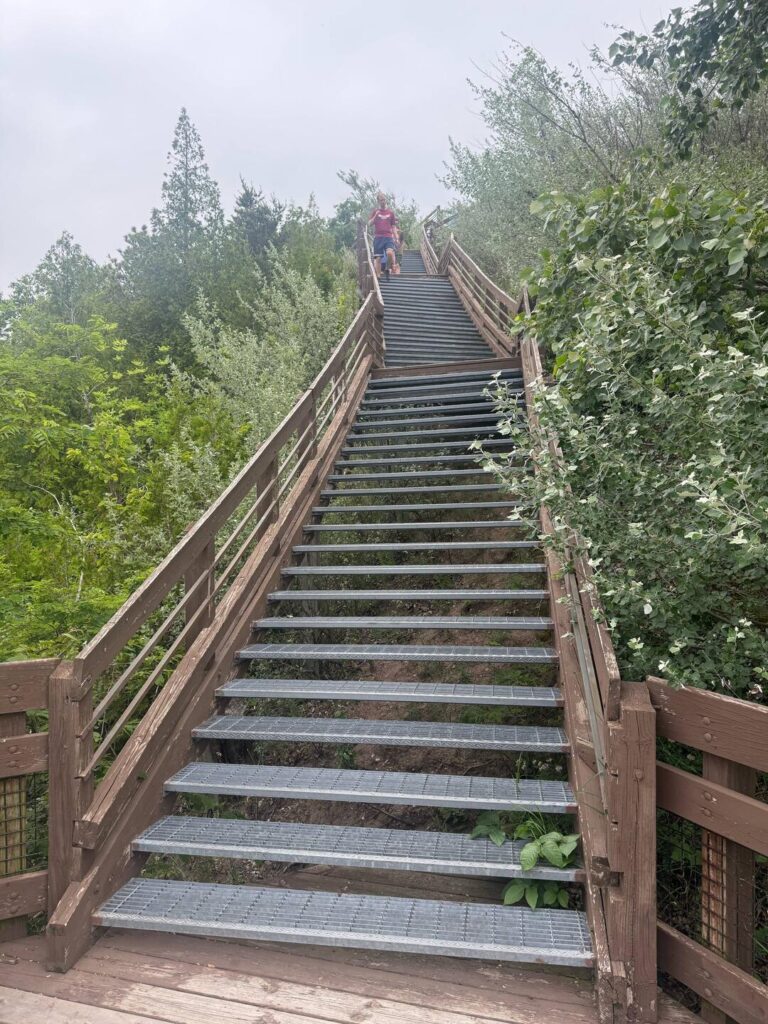
Inspiration Point in Arcadia, our first stop, is a great spot for a view of Lake Michigan.
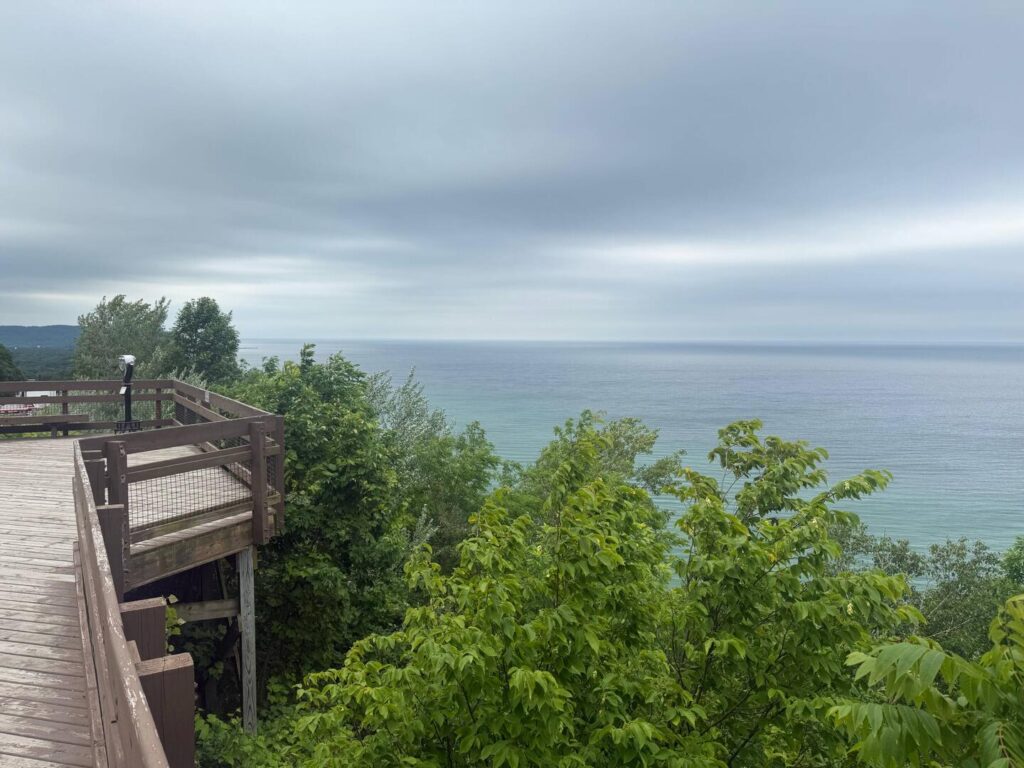
We viewed the lake from the lower viewpoint, but there is an even better view if you are willing to climb up the staircase.
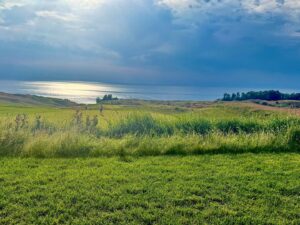
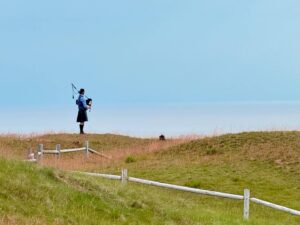
However, the first highlight for us of the Arcadia Bluffs was the night before our trip up the M-22, when we decided to drive a short stretch of the M-22 and visit the Arcadia Bluffs Golf Course & Lodge, where we stopped for dinner overlooking Lake Michigan. The setting immediately reminded us of places like Half Moon Bay, Bandon Dunes, and Whistling Straits—dramatic scenery, impeccable golf, and spectacular views. We enjoyed cocktails from white Adirondack chairs perched above the 18th green as the sun slowly sank into Lake Michigan. Just as the sky turned golden, a lone bagpiper appeared, providing the perfect soundtrack to an already magical evening. It was one of those travel moments we’ll never forget, and we both agreed we’ll have to return someday to play one of Arcadia Bluffs’ three outstanding courses.


Sleeping Bear Dunes
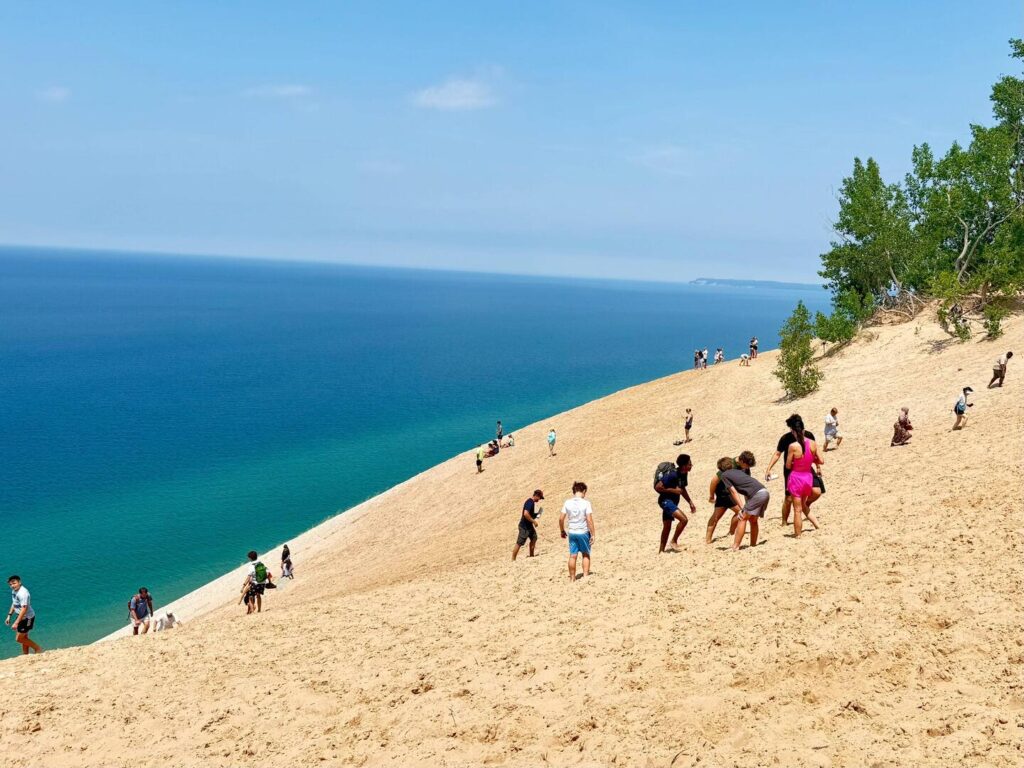
As we continued up the M-22 coastal route, our next stop was the Sleeping Bear Dunes National Park. Stretching for 35 miles along the shores of Lake Michigan, Sleeping Bear Dunes features towering freshwater sand dunes, pristine beaches, and picturesque islands. Sleeping Bear Dunes National Lakeshore is consistently ranked among America’s most beautiful natural attractions.
Its towering sand dunes, sweeping Lake Michigan views, and miles of hiking trails create unforgettable memories.
Whether you’re climbing the famous Dune Climb or driving the Pierce Stocking Scenic Drive, this area alone provides a compelling good reason to visit Michigan.
Although there are numerous hiking opportunities—including the famous Dune Climb—we opted for the scenic Pierce Stocking Drive, a leisurely route with spectacular overlooks. The undisputed highlight was Stop #9. Standing at the edge of the towering dunes, we finally appreciated their immense scale. No photograph can truly capture the grandeur or the breathtaking beauty of this place. It is simply one of the most awe-inspiring natural landscapes we’ve ever experienced.
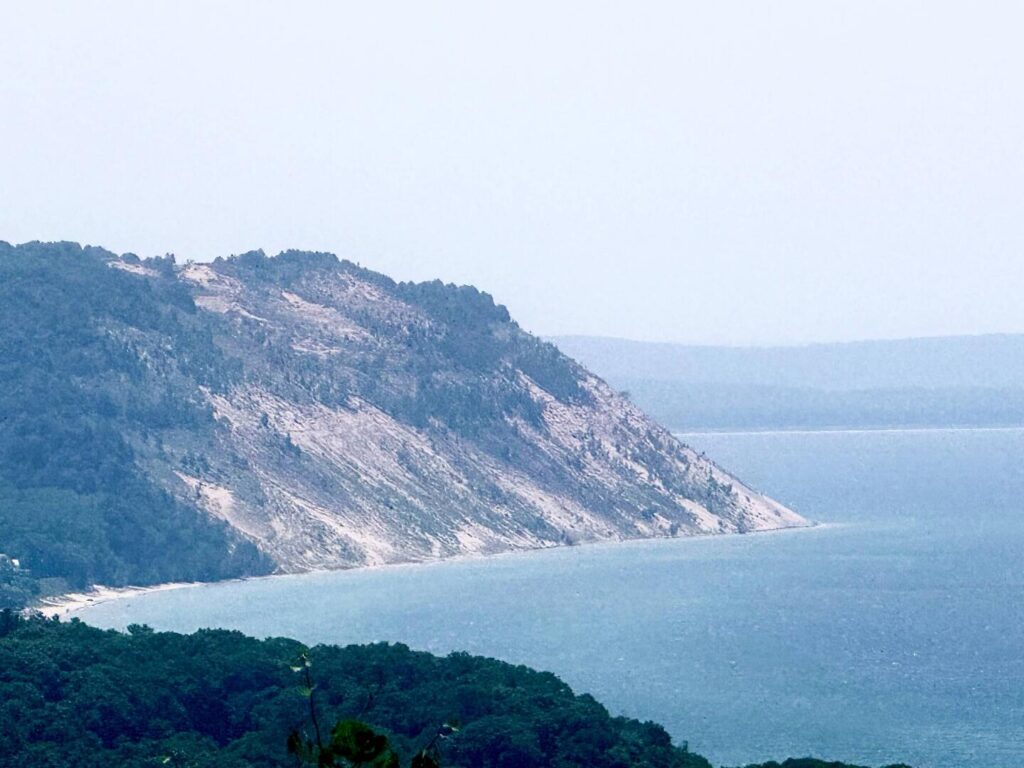
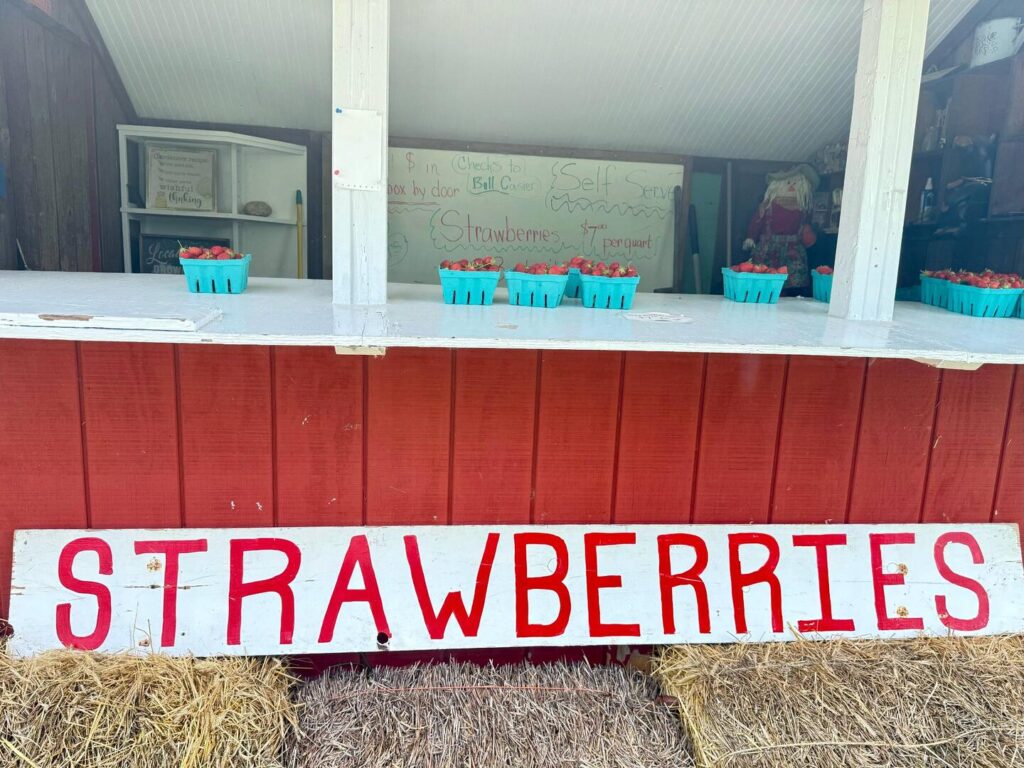
As we continued our drive, we passed several roadside farm stands overflowing with freshly picked strawberries and asparagus. We couldn’t resist stopping, and the strawberries were among the sweetest and most delicious we’ve ever tasted—a perfect ending to another memorable day exploring Michigan.
We’ll make Traverse City our home base for the next few days.
Exploring Traverse City
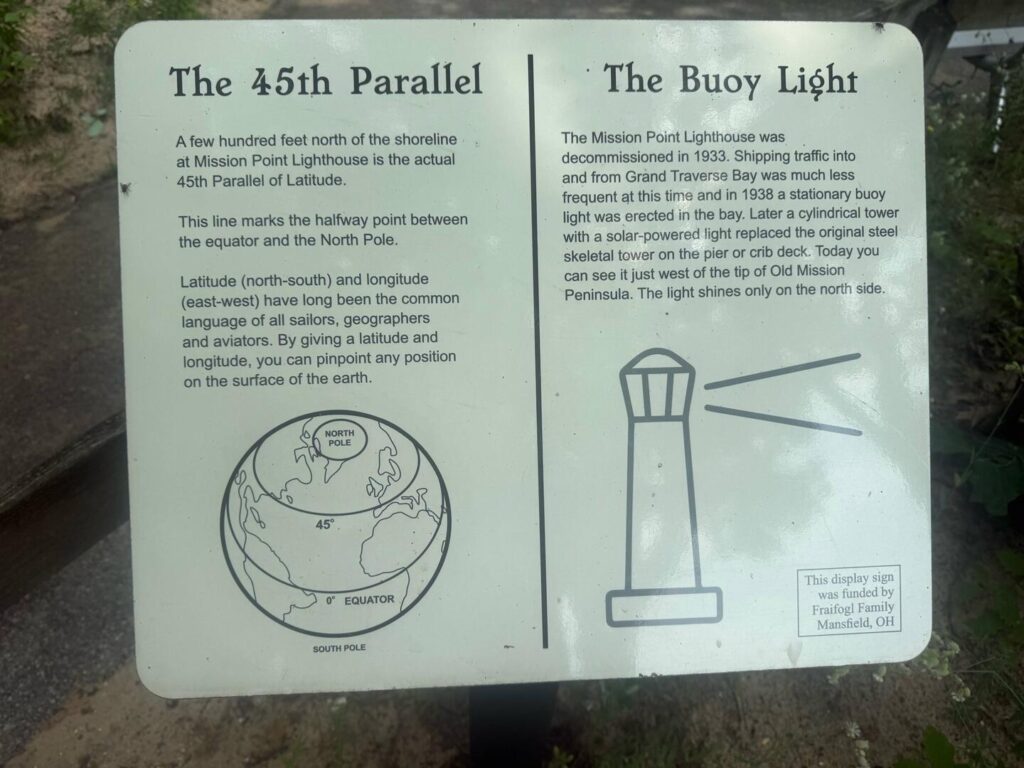
Few destinations capture the spirit of Michigan better than Traverse City. Located in Northern Michigan, just south of the 45th parallel, this vibrant waterfront town combines outdoor recreation, wineries, outstanding restaurants, and easy access to Sleeping Bear Dunes, one of America’s most beautiful national park units, which we visited on the way to Traverse City. The 45th parallel is significant, as many of the world’s best wine regions are located between the 44th and 45th parallels.
Visitors can spend days enjoying:
- Cherry orchards
- Scenic wine trails
- Farm-to-table dining
- Crystal-clear bays
- Boat cruises
- Local breweries
- Boutique shopping
We highlighted our two days in the area with wine tours on both the Leelanau and Old Mission Peninsulas, discovering that northern Michigan produces wines far better than we ever expected. After a memorable breakfast at Sugar 2 Salt, we wandered through charming Leland and Fishtown before visiting several wineries, including Château Fontaine, MAMBY, and tiny Three Trees Vineyard. Knowing Three Trees’ wines had recently been featured at a James Beard Foundation dinner made tasting them even more special—and we left with six bottles.

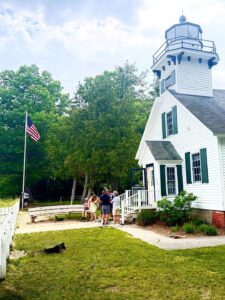
The next day, we drove to the beautiful Old Mission Peninsula lighthouse and the Dougherty Mission House before powerful thunderstorms knocked out power across the peninsula, shortening tastings at Château Chantal and Brys Estate and closing restaurants for lunch.


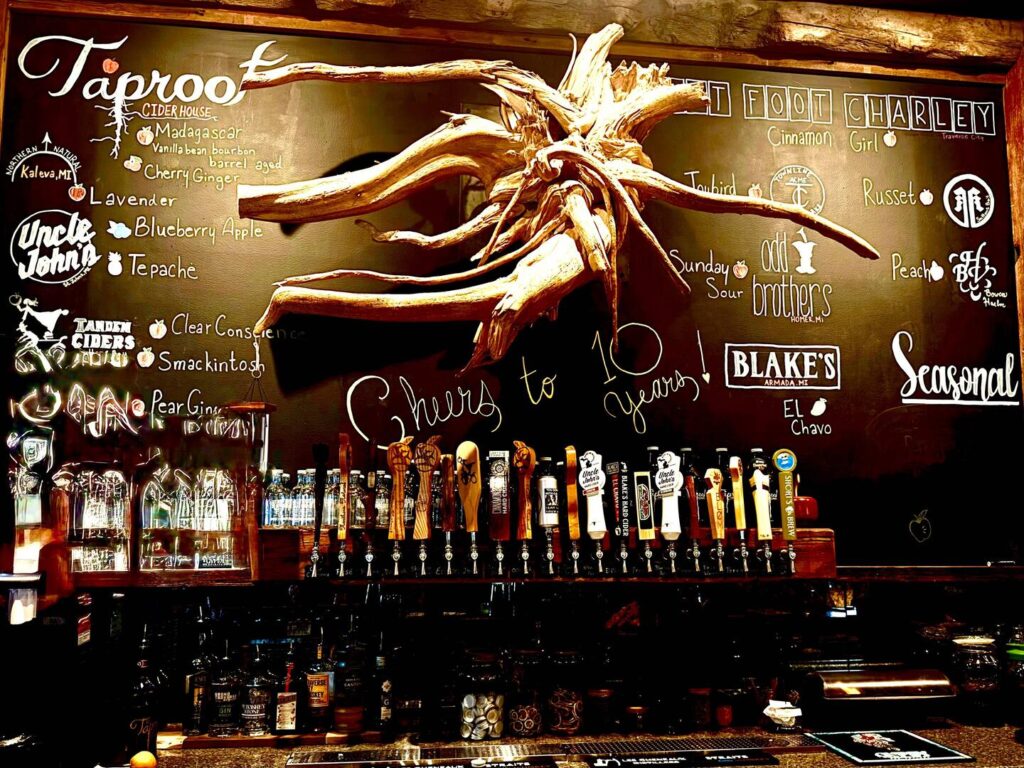
As a result, we decided to have lunch in the Taproot Cider House on East Front Street back in Traverse City, where we learned that cider can be pretty tasty.
Traverse City Flags
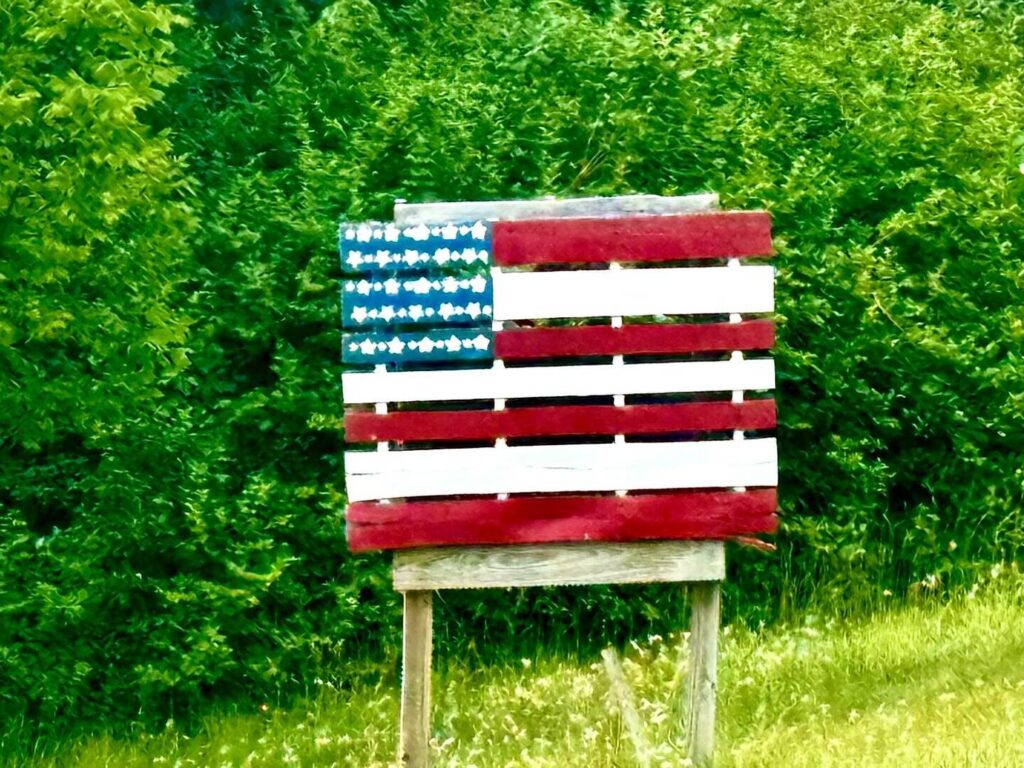
As we spent time in Northern Michigan a few days before the 250th July 4th celebration on Mackinaw Island, we started to notice more flags, particularly in Traverse City, which held a lot of meaning. The first flag that really got our attention was the following homemade flag.
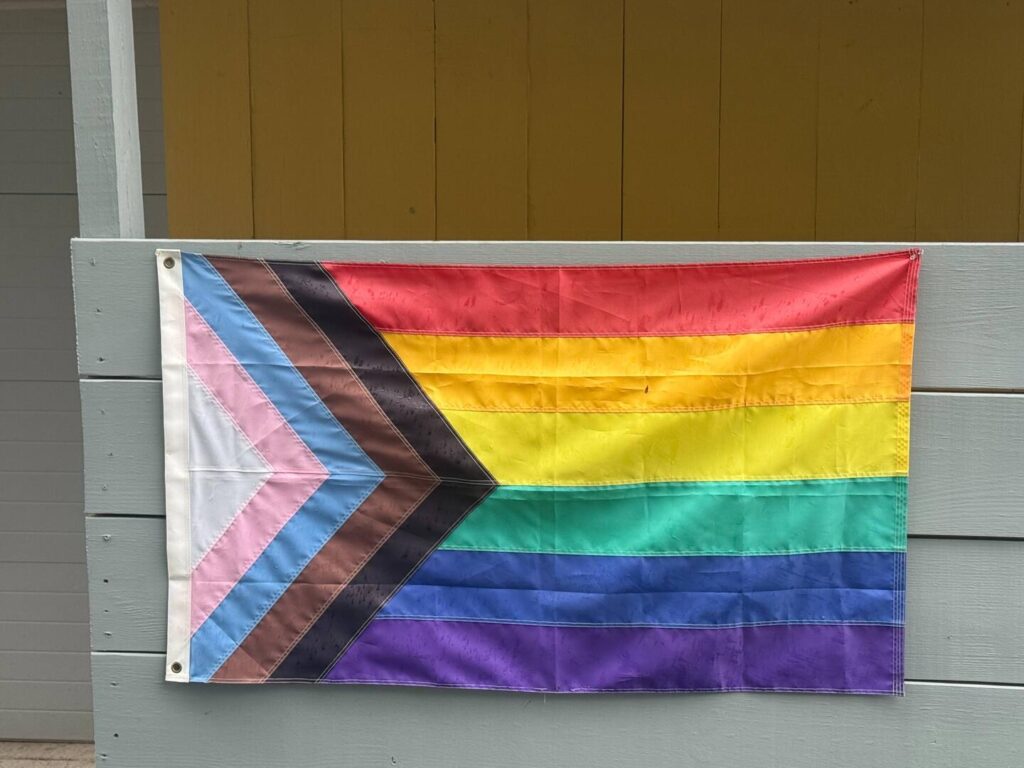
The second flag we saw was a good indicator that Traverse City was a welcoming place. The following flag isn’t just a Pride Flag; it is a Progressive Pride Flag, indicating that they are much more inclusive than just gay and lesbian people. It was an education for us to learn the meaning of this flag, and giving us a better understanding of the welcoming nature of Traverse City.
Traverse City: The Cherry Capital of the United States
As the Cherry Capital of the United States, Traverse City was setting up all over town for the 100th annual National Cherry Festival while we were there. One final surprise: despite Traverse City’s famous Cherry Festival happening in July, the local cherries themselves don’t ripen until later in the summer. We picked up some cherries while we were there, but they were from Washington State, reminding us of Dale Chihuly’s glassworks in Grand Rapids (see above), and once again suggesting a visit back to Seattle, Washington.
Traverse City Biggest Takeaway
Nevertheless, despite missing the Cherry Festival and learning that it is held before the cherries ripen in the region, our biggest takeaway is that Michigan wines are excellent, reasonably priced, and absolutely worth seeking out. The only problem is that if you don’t buy them here, they’re hard to find elsewhere in the United States.
Traverse City to Mackinac Island
Next on our tour around Lake Michigan was the final drive in Michigan’s Lower Peninsula before we reached Mackinaw. We had two main places we planned to visit: the City of Charlevoix and the famous Tunnel of Trees drive between Harbor Springs and Cross Village, where we planned to have lunch at the famous Legs Inn in Cross Village. Unfortunately, the Tunnel of Trees Drive, became the Road Less Traveled… Literally.
Our plan for Michigan’s famous Tunnel of Trees didn’t exactly go as expected. Powerful storms earlier in the week had brought down trees and washed out sections of the road, leaving much of the scenic route closed. We gave it our best effort, following detours and trying different approaches, but eventually found ourselves right back where the detour signs had begun. Sometimes Mother Nature wins. Fortunately, the day had plenty of other surprises.
Charlevoix and the Mushroom Houses
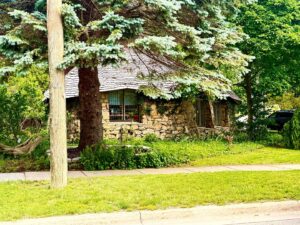
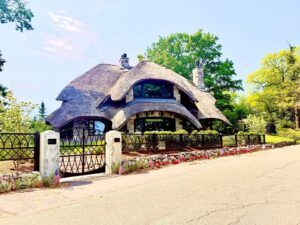
Before our unsuccessful Tunnel of Trees adventure, we explored Charlevoix, a charming town, famous for its whimsical mushroom houses. Designed to look as though they had grown naturally from the landscape, these storybook cottages are unlike anything we’ve seen elsewhere.
The Mushroom Houses of Charlevoix, Michigan are a cluster of whimsical, stone-built homes designed by self‑taught architect Earl Young between 1918 and the 1950s. They’re famous for their wavy, mushroom‑cap rooflines, massive Lake Michigan boulders, curved walls, and fairy‑tale silhouettes — earning nicknames like Hobbit Houses, Gnome Homes, and Hansel & Gretel Houses. The last of the three pictures below was our favorite, and we suspect how they got the name “Mushroom Houses.”

Old Dixie Highway
We stumbled upon the historic Old Dixie Highway. Our first impression was “What was something named “Dixie” doing in Michigan?.” We shortly learned that it was Ione of America’s early auto routes that once carried travelers all the way from Miami to northern Michigan long before the Interstate system. It’s fascinating to imagine, a hundred years ago, generations of families making that epic summer pilgrimage north and then in the winter, in reverse, to escape the cold and snowy weather. Much of its role has now been replaced by I-75, allowing drivers to make the journey in much less time, but missing some of the great beauty of the travel.
Before we got to Charlevoix, as we drove up US Highway 31, we saw a sign for the Dixie Highway. As Floridians, we were not sure why the Dixie Highway was in Michigan. We soon learned that before the introduction of the United States Interstate Highway System, the Dixie Highway was the main road that ran from Mackinaw in Michigan to Florida, perhaps even more significant than the famous Route 66, which ran across the US from Chicago to Los Angeles.
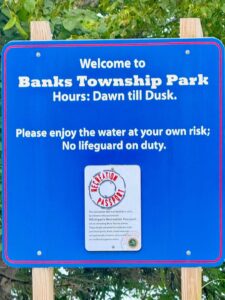
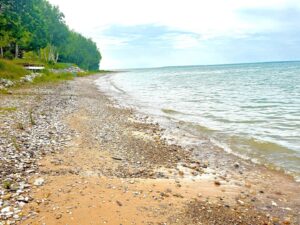
Leaving US Highway 31 and driving on the old Dixie Highway, realizing we were much closer to the Lake Michigan Shoreline than if we stayed on the main highway, we started looking for places where we could step out and see the lake. We found a hidden gem in Banks Township, where we could walk out to their beach. Paul was able to practice his rock skimming, but he did not enter the 4th of July competition on Mackinaw Island, as he decided he had lost much of this prior skill.
Legs Inn
After admitting defeat to the road closures, we rewarded ourselves with a hearty Polish lunch at the Legs Inn. With both Cos and Robin having Slavic roots, comfort foods like stuffed cabbage and walnut cake felt especially familiar. The surrounding area may not be polished or glamorous, but it has an authentic charm and is filled with genuinely friendly people—sometimes the best discoveries happen when Plan A falls apart.



Mackinac Island: A Unique Experience
One destination deserves special attention. Mackinac Island offers a truly unique experience unlike anywhere else in the country. Automobiles are prohibited. Therefore, transportation consists primarily of bicycles, horse-drawn carriages, and walking. Historic hotels, Victorian architecture, waterfront dining, and breathtaking scenery combine to create an atmosphere that feels timeless.
The island is best visited between late May and early October. Most everything closes down in the off-season. Summer offers the fullest schedule of activities, while early fall brings fewer crowds and gorgeous weather.
The most famous landmark on the island is the Grand Hotel. The hotel opened in 1887, and has been a haven for travelers ever since.
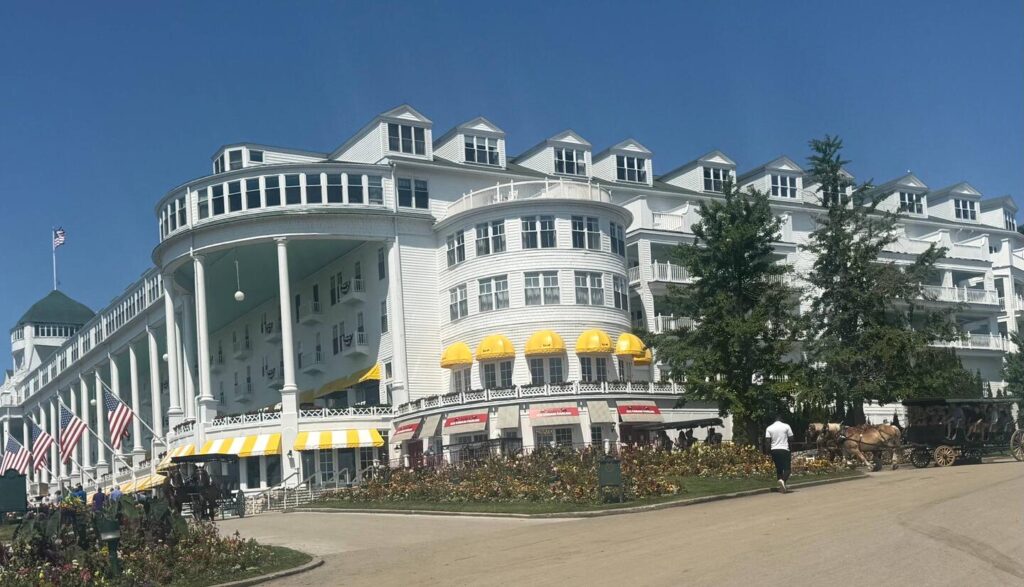
For more information about the Grand Hotel and Mackinac Island, please visit our post: Ultimate Guide to Plan a Trip to Mackinac Island.
The Upper Peninsula: Michigan’s Wild Side
If rugged wilderness is more your style, head north to the Upper Peninsula.
Here you’ll discover:
- Hundreds of waterfalls
- Dense forests
- Scenic hiking trails
- Dramatic cliffs
- Remote beaches
Popular attractions include:
- Pictured Rocks National Lakeshore
- Tahquamenon Falls
- Porcupine Mountains Wilderness State Park
- Keweenaw Peninsula
Summer provides the easiest access to these destinations, while early fall transforms the forests into brilliant displays of red, orange, and gold. As part of our trip around Lake Michigan, we spent four days and three nights touring the UP, as the natives like to call it. We explored some wonderful places and documented them in our post . However, three days was not enough time, as we barely made a dent in the things to do in the UP. In addition to visiting our UP post: “Things to do in The Upper Peninsula Michigan,” we also suggest you might want to see the official Michigan.gov guide: 20+ Things to Do in the Upper Peninsula.
Visitors often ask whether they should explore Lake Huron or Lake Michigan.
The answer is simple: both.
Lake Michigan offers:
- Classic sandy beaches
- Spectacular sunsets
- Charming harbor towns
- Extensive dunes
Lake Huron provides:
- Rocky shorelines
- Historic lighthouses
- Beautiful islands
- Excellent boating
Each major lake has its own distinct personality, and together they showcase why Michigan is unlike anywhere else.
Should You Combine Michigan with Door County?
Many travelers planning a Great Lakes road trip pair Michigan with Wisconsin’s Door County. The combination works beautifully. Door County is the Peninsula that stretches north of Green Bay between the Bay and Lake Michigan.
Ferries, scenic highways, and waterfront villages create one of the finest road trips in the Midwest. Together they offer two distinctly different but equally beautiful Great Lakes experiences.
We didn’t take the ferries from Michigan over to Door County, but we visited it on our Wisconsin swing around Lake Michigan after visiting Michigan’s Upper Peninsula. To learn more about it please see our post “Best Coastal Wisconsin Cities Near Lake Michigan.”
So, When Is the Best Time to Visit Michigan?
If you can visit only once, here’s a simple guide:
- Late June through August: Best overall weather and full access to attractions.
- Early June: Wonderful weather with fewer crowds.
- Late September: Gorgeous fall foliage, wineries, and scenic drives.
- Late May: Excellent value before the busy season begins.
- Early Fall: Crisp air, beautiful colors, and smaller crowds.
Ultimately, the best time depends on your interests.
If swimming and water activities top your list, choose July or August, when water temperatures are warmest. If photography, hiking, and wine tasting appeal more, late September and early fall may be your ideal season.
No matter when you visit, Michigan delivers unforgettable scenery, welcoming small towns, incredible freshwater coastlines, and countless tourist attractions. From the towering sand dunes of Sleeping Bear Dunes National Lakeshore to the horse-drawn streets of Mackinac Island, the state offers experiences that surprise first-time visitors and keep travelers returning year after year.
Whether you’re chasing sunsets along the shores of Lake Michigan, exploring the forests of the Upper Peninsula, or relaxing on a beach in South Haven or Grand Haven, there’s never really a wrong time of year to discover one of America’s most underrated travel destinations.
0 Comments