
If you are like many people, you might feel that if you have seen one or two famous cathedrals in Europe, you have seen enough. We are writing this post to convince you that it may not be the case. We just returned from a trip through Europe and can give you firsthand knowledge of some of the best cathedrals we have seen. However, before we discuss the actual cathedrals, we have a recommendation for you before your next trip to Europe.
Contents
- 1 Recommendation: Two Books About Beautiful Cathedrals to Read Before You Visit Europe
- 2 Architecture Style of the Famous Cathedrals in Europe
- 3 The Grandest and Most Beautiful Cathedrals in Europe
- 3.1 Methodology
- 3.2 Famous Cathedrals in Europe: Our Ranking System
- 3.3 Famous Cathedrals in Europe Ranked by Geographical Area
- 3.3.1 Famous Cathedrals in Europe: The United Kingdom and Ireland (London and Dublin)
- 3.3.2 Famous Cathedrals in Europe: France, Belgium, Netherlands & Germany
- 3.3.3 Famous Cathedrals in Europe: Italy
- 3.3.4 Famous Cathedrals in Europe: Spain & Portugal
- 3.3.5 Famous Cathedrals in Europe: Northern & Eastern Europe
- 4 Analysis of the Famous Cathedrals in Europe
- 4.1 Unusual Disagreements Among the Experts
- 4.2 Westminster Abbey vs Westminster Cathedral
- 4.3 Famous European Cathedrals in Paris: Notre Dame
- 4.4 Famous Cathedrals in Europe: Strasbourg, France
- 4.5 Famous Cathedrals in Europe: Cologne Cathedral
- 4.6 Famous Cathedrals in Milano: Milan Cathedral
- 4.7 Famous European Cathedrals in Italy: St Marks, Venice
- 4.8 Famous Cathedrals in Europe: Florence Cathedral
- 4.9 Famous European Cathedrals in Spain: La Sagrada Familia, Barcelona
- 4.10 Famous European Cathedrals in Spain: Barcelona Cathedral
- 4.11 Famous Cathedrals in Europe: St. Stephen’s Vienna
- 4.12 Famous Cathedrals in Europe: St. Vitus in Prague
- 5 Conclusion
Recommendation: Two Books About Beautiful Cathedrals to Read Before You Visit Europe
Here are two books you might want to read about the famous cathedrals in Europe before you venture over to the "Old World".
#1 "Pillars of the Earth", by Ken Follett
What we have learned is that before we visit a new place, we develop a much more focused understanding of where we are venturing by reading great historical fiction based on the place's actual historical events. This piques our interest in learning more when we visit. We first discovered this before visiting Hawaii and Alaska by reading James Michener’s fabulous books on their histories. Please visit our posts on both destinations to see what we mean: Alaska and Hawaii, or our post “Travel Planning Aids”.
Therefore, it became obvious that we would turn to Ken Follett to find the right book to help us better understand the Cathedrals of Europe. Indeed, his book, “The Pillars of the Earth,” is a fascinating read about the unique aspects of building a cathedral. He highlights the different styles of cathedrals and explains it in a way that is truly captivating. As a result, we highly recommend that you read his book before your next trip to Europe. You can get it by clicking on the title at Amazon.

A great historical novel to read before you go to Europe and visit cathedrals.
#2 "Cathedrals: Masterpieces of Architecture, Feats of Engineering, Icons of Faith", by Simon Jenkins
Interested in a non-fiction view of the cathedrals of Europe? Then you might want to consider reading "Cathedrals: Masterpieces of Architecture, Feats of Engineering, Icons of Faith". This book is also available on Amazon. Simon Jenkins is the author of the book. He is is a British Journalist. And, a critically acclaimed, award-winning author of best-selling works. In fact, blending insight and authority with personal reflections and experiences, he deftly reveals the history, design, and significance of each of these enduring, beautiful cathedrals. He covers popular favorites like St. Paul’s and the Duomo in Florence to less well-known masterpieces that are also well worth a trip.

Beautifully illustrated with color photographs throughout, this joyous exploration of the history of Western civilization showcases the cathedral’s central role in the European imagination.
Architecture Style of the Famous Cathedrals in Europe
European cathedrals are among the most impressive and influential buildings in the history of architecture. Various styles are used in the design of the cathedrals. They reflect the artistic, cultural, and religious trends of different periods and regions. Here is a brief overview of some of the main architectural styles used in European cathedrals.
First, here are some important terms that you would find helpful to know:
- The nave is the central area of the church where the congregation sits. It is flanked by aisles. And separated from the apse by the transept. The nave is often the longest and widest part of the church, and it may have a high ceiling or a vaulted roof.
- The apse is a semicircular or polygonal recess that usually houses the altar. It is most often located at the eastern end of the church and is often decorated with mosaics or frescoes. The apse is the focal point of the liturgy and the place where the bishop or priest presides over the Eucharist.
- The transept is a transverse part of the church that lies across the nave and the apse. It forms the shape of a cross with the nave and the apse as the arms.
Early Christian:
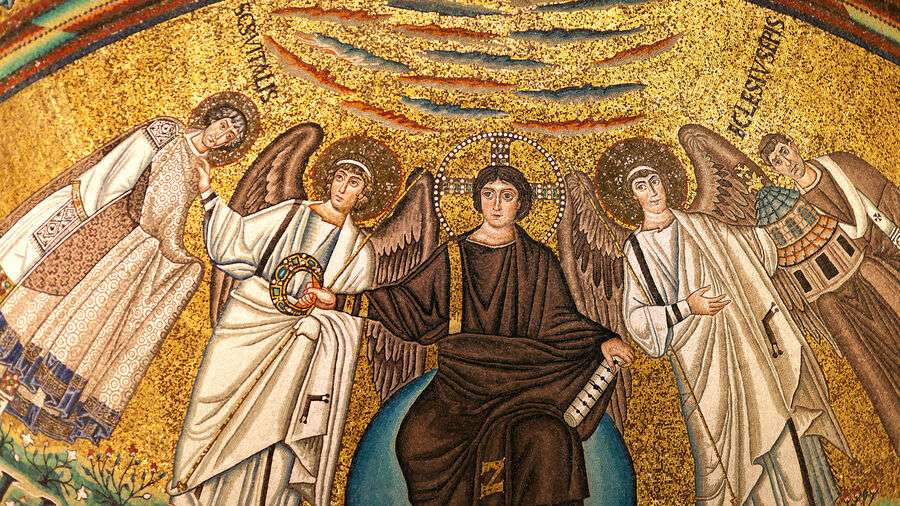
The Early Christian style emerged in the late Roman Empire. This was, when Christianity became the official religion. The growing number of believers caused the need for churches. As a result, early Christian cathedrals were often based on the basilica plan, with a long nave, side aisles, an apse, and a transept. They used classical elements such as columns, arches, and domes, but also introduced new features such as mosaics, frescoes, and symbols of the faith. An excellent example of this style is the Basilica of San Vitale in Ravenna, Italy.
Byzantine:
This style originated in the Eastern Roman Empire and was characterized by domes, vaults, arches, mosaics, and rich colors. Byzantine cathedrals were often decorated with gold and icons, and had a complex plan with a central dome and multiple apses. Some examples of Byzantine cathedrals are Hagia Sophia in Istanbul, San Vitale in Ravenna, and St Mark’s Basilica in Venice. Byzantine architecture flourished from the 4th to the 15th centuries, and influenced later styles such as Romanesque and Renaissance.
Romanesque:
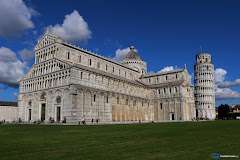
This style emerged in Western Europe in the 10th century and lasted until the 12th century. Roman, Byzantine, and Carolingian architecture influenced the design. The design featured thick walls, round arches, sturdy pillars, small windows, and simple geometric shapes. Romanesque cathedrals were often built with stone and brick, and had a basilica plan with a nave, aisles, transept, and apse. Some examples of Romanesque cathedrals are Pisa Cathedral, Durham Cathedral, and Speyer Cathedral. Romanesque architecture was also known as Norman in England and Lombard in Italy.
Gothic:
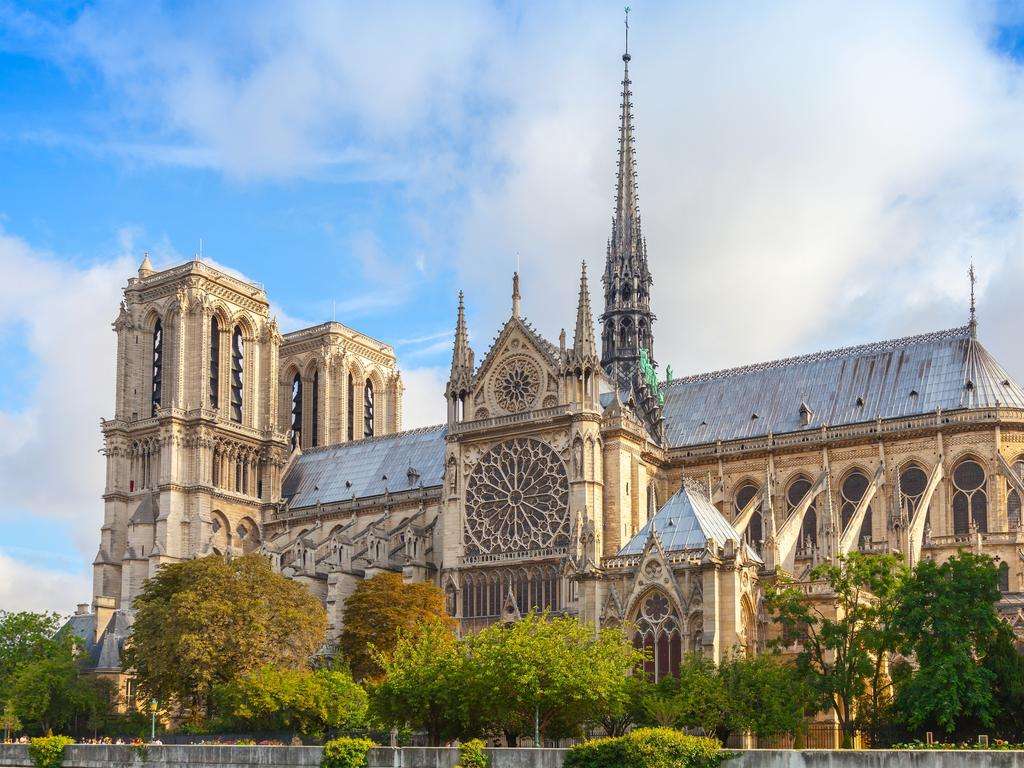
This style developed in France in the 12th century and spread throughout Europe until the 16th century. Romanesque, Islamic, and Classical architecture influenced the design. The design featured pointed arches, ribbed vaults, flying buttresses, large stained glass windows, and intricate sculptures. Consequently, stone was used to build Gothic cathedrals. They had a cruciform plan with a nave, aisles, transept, choir, and radiating chapels. Some examples of Gothic cathedrals are Notre-Dame de Paris, Cologne Cathedral, and Salisbury Cathedral. Gothic architecture was also known as French, English, or German depending on the regional variations.
Baroque:
Baroque architecture was used in many cathedrals in Europe and Latin America from the late 16th to the 18th centuries. Indeed, lavish decoration, dramatic effects of light and space, and complex shapes and forms characterized Baroque Cathedrals. Some of the most famous examples of Baroque cathedrals, and ones that we have visited and recommend, are:
St. Peter’s Basilica
St. Peter’s Basilica in Rome, Italy, is the largest and most renowned church in the world, and the seat of the papacy. However, it was designed by a succession of architects, including Michelangelo, Carlo Maderno, and Gian Lorenzo Bernini, who added the magnificent colonnade and the Baldachin over the altar.
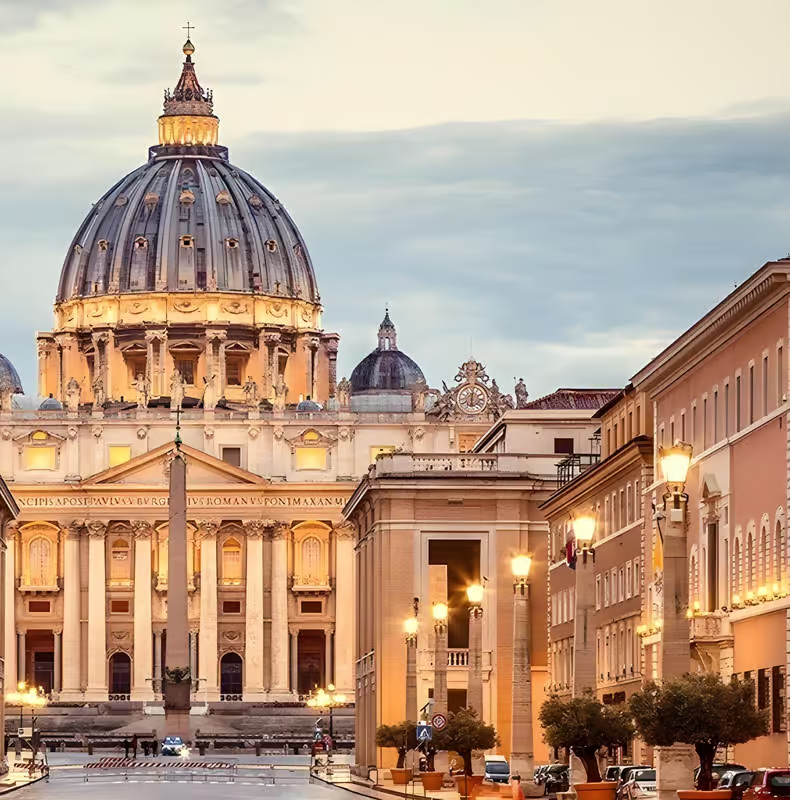
Markedly, the basilica's interior is richly adorned with marble, gold, bronze, and mosaics. The dome of the basilica is one of the most iconic symbols of Rome and Christianity. St. Peter’s Basilica is built over the tomb of St. Peter, one of the twelve apostles of Jesus and the first pope of the Catholic Church. The basilica contains many artistic and architectural treasures, such as the dome designed by Michelangelo, the Pietà sculpture by Michelangelo, and the Chair of St. Peter by Bernini.

Experience the Vatican Museums & Sistine Chapel with skip-the-line entry, expert guide, and curated route. Upgrade to include St. Peter’s Basilica and add a self-guided Dome visit for the best views!
St. Peter’s Basilica is not the original church built on this site in Vatican City. The first church was called Old St. Peter’s Basilica, and it was constructed by Emperor Constantine in the fourth century. The construction of the new basilica lasted for over a hundred years, and it was finally consecrated by Pope Urban VIII in 1626.
St. Paul’s Cathedral
St. Paul’s Cathedral in London, England, is the second largest church in the UK, and the main Anglican cathedral of London. It was designed by Sir Christopher Wren, who blended classical and Gothic elements in a harmonious and elegant way. The cathedral has a distinctive dome, the second-largest in the world after St. Peter’s. The interior of the cathedral is decorated with paintings, sculptures, and monuments. The cathedral is also famous for its Whispering Gallery, where a whisper can be heard across the dome.
Santiago de Compostela Cathedral
Santiago de Compostela Cathedral in Santiago de Compostela, Spain, is the final destination of the Camino de Santiago, a pilgrimage route that attracts millions of visitors every year.
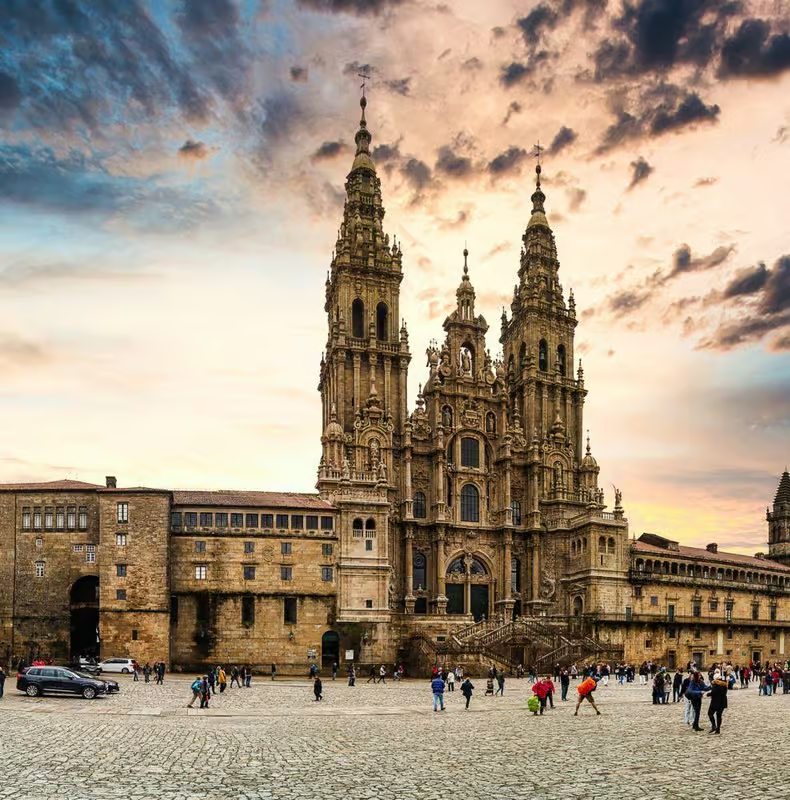
The cathedral was built in several stages, beginning in the Romanesque period, but the most prominent features are the Baroque façade and towers, which were added in the 18th century. The façade is a masterpiece of Spanish Baroque, with elaborate sculptures, columns, and niches. The interior of the cathedral is equally impressive, with a silver altar, a golden reliquary, and a giant incense burner.

Skip the lines and discover the heritage of Santiago Cathedral. Learn about the cathedral's history through the centuries and enjoy an optional visit to the Portico of Glory.
Melk Abbey in Wachau, Austria
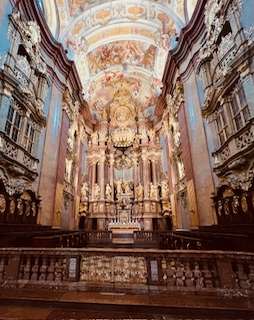
Okay, the Melk Abbey in Wachau, Austria isn't exactly one of the famous cathedrals in Europe. But having visited it in 2023, we can recommend it as one of the best examples of baroque architecture in the world. We visited it on a two-week river cruise from Budapest to Amsterdam, and we both recall that it was one of the true highlights of the entire trip.


The Grandest and Most Beautiful Cathedrals in Europe
There are more than six hundred cathedrals in Europe. Some are considered to be among the most impressive and beautiful buildings in the world. However, there is no definitive answer to which ones are the best, as different people may have different preferences and opinions. Some may prefer more ancient cathedrals, while others may favor more modern or unique ones. Some may value the artistic and architectural quality of a cathedral, while others may consider its historical and cultural significance. Consequently, we had a hard time picking the top fifty.
Another potential issue to consider before we select the 50 Most Famous and Beautiful Cathedrals in Europe is defining exactly what we will consider a cathedral. A cathedral is different from a church or abbey. By definition and in physical reality, a cathedral is literally the seat of a Bishop. However, our goal is to steer you to the most beautiful and most famous churches in Europe. Therefore, we will slightly revise our definition to include famous churches, such as Westminster Abbey, that are technically not cathedrals. Church officials may have a problem with our definition. So be it. We want to steer you to the most famous and most beautiful churches for your enjoyment.
Methodology
One possible way to measure the best cathedrals in Europe is to use a ranking system based on various criteria, such as:
- The age and history of the cathedral
- The style and design of the cathedral
- The size and capacity of the cathedral
- The decoration and ornamentation of the cathedral
- The influence and impact of the cathedral on society and culture
Using this method, some sources have attempted to compile lists of the best cathedrals in Europe. This includes Simon Jenkins, who identifies one hundred cathedrals in his book. However, he highlights eleven of them in an article about the book that he wrote for the Guardian. We selected Simon and four other sources to inform our selection. With Simon, we only counted the eleven cathedrals he described in his Guardian article.
The other sources are the travel company, Orbitz, and three other bloggers who have written on this topic prior to our publication. They are:
- Kenny at Globoloko.com, who also has his own travel blog, KYNCK Journeying
- Musement.com, a website that books tours
- Cate at Sacred Wanderings
Sacred Wanderings is the most well-thought-out listing
Of the three blogs, we found Sacred Wanderings to be the best written and most informative. Cate’s Blog is not only focused on Cathedrals, but also on other religious activities such as pilgrimages and churches. Cate is a Mennonite Pastor in the United States when she is not traveling to visit the Cathedrals. Cate provides freelance travel journalism related to spirituality, pilgrimages, and meaningful/sustainable travel.
In developing her list of 34 Cathedrals, she stays focused and only selects churches that are truly cathedrals. Some of our other sources have ranked Cathedrals and Churches. We decided to include both. Both churches and cathedrals in Europe serve as places for Christian worship but differ in important ways. Aside from size and grandiosity, cathedrals are typically the primary church for a diocese or an archdiocese. They are both literally and figuratively the seat of a bishop. Cathedrals should (literally) have a seat or throne for a bishop somewhere near the altar.
Famous Cathedrals in Europe: Our Ranking System
Nevertheless, in developing our rankings we weighed all five sources equally. Plus we considered a sixth source, ourselves. However, in our case, only if we visited and recommend visiting the cathedral. In addition to the twenty cathedrals in Europe that we have already visited, we will be visiting five additional cathedrals in 2024. But, since we haven’t visited them yet, they are not included in the ranking. In any case, we will be half way home in 2024 in our goal to visit all fifty.
Our ranking can therefore be 1 to 6, depending on how many of our sources recommended the cathedral. Following is our analysis which is shown by geographic region of Europe.
Famous Cathedrals in Europe Ranked by Geographical Area
In each of the tables, if any Cathedral that is ranked a “3” or better and made our recommended list of cathedrals to visit, then we have described the Cathedral in detail in the later section of this post. If you click on the title of those cathedrals, the link will take you to our description. If you click on the title of any other cathedral, the link will take you to the cathedral's website.
Note: In the tables below, the codes for the columns are as follows:
- Rank – Overall Ranking Score (number of times mentioned)
- A – Simon Jenkins Guardian Listing
- B – Orbitz Listing
- C – Kenny at Globoloko Listing
- D – Musement.com Listing
- E – Sacred Wanderings Listing
- F – Our Own Visitation and Recommendation
Famous Cathedrals in Europe: The United Kingdom and Ireland (London and Dublin)
| The United Kingdom and Ireland | Rank | A | B | C | D | E | F |
| 1. Westminster Abbey | 3 | X | X | X | |||
| 2. Westminster Cathedral | 1 | X | |||||
| 3. St. Paul’s, London | 2 | X | X | ||||
| 4. Canterbury Cathedral | 1 | X | |||||
| 5. Ely Cathedral | 2 | X | X | ||||
| 6. Lincoln Cathedral | 1 | X | |||||
| 7. Coventry Cathedral | 1 | X | |||||
| 8. Durham Cathedral | 2 | X | X | ||||
| 9. York Minster Cathedral | 2 | X | X | ||||
| 10. Salisbury Cathedral | 1 | X | |||||
| 11. Exeter Cathedral | 1 | X | |||||
| 12. Christ Church Cathedral, Dublin | 2 | X | X |
Famous Cathedrals in Europe: France, Belgium, Netherlands & Germany
| France, Belgium, The Netherlands & Germany | Rank | A | B | C | D | E | F |
| 13. Notre-Dame de Paris | 6 | X | X | X | X | X | X |
| 14. Chartres Cathedral | 1 | X | |||||
| 15. Reims Cathedral | 1 | X | |||||
| 16. Amiens Cathedral | 2 | X | X | ||||
| 17. Strasbourg Cathedral | 3 | X | X | X | |||
| 18. Avignon Cathedral | 1 | X | |||||
| 19. Antwerp Cathedral, Belgium | 2 | X | X | ||||
| 20. Cologne Cathedral, Germany | 6 | X | X | X | X | X | X |
| 21. ‘s-Hertogenbosch (Den Bosch) Dutch | 1 | X |
Famous Cathedrals in Europe: Italy
| Italy | Rank | A | B | C | D | E | F |
| 22. Duomo di Milano, Milan Cathedral | 5 | X | X | X | X | X | |
| 23. Saint Marks Basilica | 3 | X | X | X | |||
| 24. Florence Cathedral | 5 | X | X | X | X | X | |
| 25. Siena Cathedral | 1 | X | |||||
| 26. Saint Peter’s Cathedral, Vatican | 4 | X | X | X | X | ||
| 27. Basilica of Saint Francis of Assisi | 2 | X | X | ||||
| 28. San Vitale in Ravenna | 1 | X |
Famous Cathedrals in Europe: Spain & Portugal
| Spain & Portugal | Rank | A | B | C | D | E | F |
| 29. Seville Cathedral | 2 | X | X | ||||
| 30. Santiago de Compostela | 2 | X | x | ||||
| 31. La Sagrada Familia | 6 | X | X | X | X | X | X |
| 32. Barcelona Cathedral | 3 | X | X | X | |||
| 33. Palma Mallorca Cathedral-Basilica | 1 | X | |||||
| 34. Porto Cathedral | 2 | X | X | ||||
| 35. Lisbon Cathedral | 2 | X | X | ||||
| 36. Leon Cathedral, Leon, Spain | 2 | X | X |
Famous Cathedrals in Europe: Northern & Eastern Europe
| Northern & Eastern Europe | Rank | A | B | C | D | E | F |
| 37. Salzburg Cathedral, Salzburg, Austria | 2 | X | X | ||||
| 38. St. Stephen’s Cathedral, Vienna, Austria | 3 | X | X | X | |||
| 39. St. Vitus Cathedral, Prague | 4 | X | X | X | X | ||
| 40. Alexander Nevsky Cathedral, Sofia | 2+ | X | X | 2025 | |||
| 41. Helsinki Cathedral | 2+ | X | X | 2025 | |||
| 42. Hagia Sophia, Istanbul | 2 | X | X | ||||
| 43. Hallgrimskivkja, Reykjavik | 3 | X | X | X | |||
| 44. Saint Basil’s Moscow | 2 | X | X | ||||
| 45. Saint Mary’s Basilica, Krakow, Poland | 1 | X | |||||
| 46. Melk Abbey, Austria | 1 | X | |||||
| 47. Church of the Lake, Lake Bled, Slovenia | 2 | X | X | ||||
| 48. Saint Stephen’s Basilica, Budapest | 2 | X | X | ||||
| 49. The Monasteries of Meteora, Greece | 2 | X | X | ||||
| 50. Saint Peter’s Church, Riga, Latvia | 1+ | X | 2025 |
Analysis of the Famous Cathedrals in Europe
Given the ranking system that we have developed we find a few interesting facts:
Only three Cathedrals made all six lists:
- Notre Dame Cathedral in Paris, France
- Cologne Cathedral in Cologne, Germany
- La Sagrada Familia in Barcelona, Spain.
Unusual Disagreements Among the Experts
- St. Peters Basilica in Vatican City only made 4 of the six lists. Why is this? Specifically, since it is probably the most famous church in the world. Well, according to Sacred Wanderings, St. Peter’s Basilica in the Vatican is not on their list of the famous cathedrals in Europe because it is not technically a cathedral. St. Peter’s Basilica is a papal basilica and the seat of the Pope, who is the bishop of Rome but also the head of the universal Church. Therefore, St. Peter’s Basilica is more than a cathedral and has a special status in the Catholic Church. In addition, Simon Jenkins did not consider St. Peter’s one of his top eleven Cathedrals.
- According to Sacred Wanderings, Seville Cathedral is the largest Cathedral in Europe at 11,500 square meters. It was a mosque before it was converted to a Cathedral. Unfortunately, of the six lists we are following, only Sacred Wanderings and ourselves recommended it. However, if you don't accept Sacred Wanderings definition of cathedrals, St. Peter's Basilica in Vatican City is actually the largest Church in the world.
- What is most interesting about the list of Famous Cathedrals in the UK and Ireland is that the only church that made at least three of the six lists is Westminster Abbey which is definitely not a cathedral. And, Westminster Cathedral only made one list, Sacred Wanderings. In fact, Westminster Abbey and Westminster Cathedral often get confused, so hopefully the following will help clear it up.
Westminster Abbey vs Westminster Cathedral
Westminster Abbey and Westminster Cathedral are not the same. They are two separate buildings with different histories, architectures, and functions. Here is a brief description of each:
Westminster Abbey
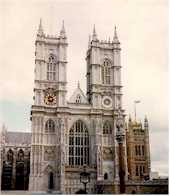
Westminster Abbey is an Anglican Church that was founded in the 10th century by Benedictine monks. It is the site of royal coronations, weddings, and burials, most recently the coronation of King Charles. But also remembered for the funeral of Princess Diana in 1997, wedding of Prince William and Kate Middleton in 2011, and the Diamond Jubilee of Queen Elizabeth II in 2012. It is also a UNESCO World Heritage Site that contains many monuments, tombs, and relics of historical and cultural significance. The Abbey is built in the Gothic style, with a cruciform plan, a central nave, two transepts, and a choir. The Abbey’s formal title is The Collegiate Church of St Peter, Westminster.
Westminster Cathedral
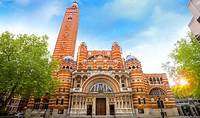
Westminster Cathedral is a Roman Catholic Church that was consecrated in 1910. It is the seat of the Archbishop of Westminster and therefore a true cathedral. It is the mother church of the Catholic community in England and WalesThe Cathedral is built in the Byzantine style, with a Greek cross plan, a central dome, five smaller domes, and a bell tower. The Cathedral is decorated with mosaics, marble, and sculptures that reflect the Catholic tradition and doctrine. The Cathedral’s formal title is The Metropolitan Cathedral of the Most Precious Blood of Our Lord Jesus Christ.
Famous European Cathedrals in Paris: Notre Dame
The Notre Dame Cathedral is a magnificent example of Gothic architecture and a symbol of Paris and France. It is located on the Île de la Cité, a small island in the Seine River, and was built on the site of a Roman temple and a Christian basilica. The construction of the cathedral began in 1163 and lasted for almost two centuries, with many modifications and additions over the years.
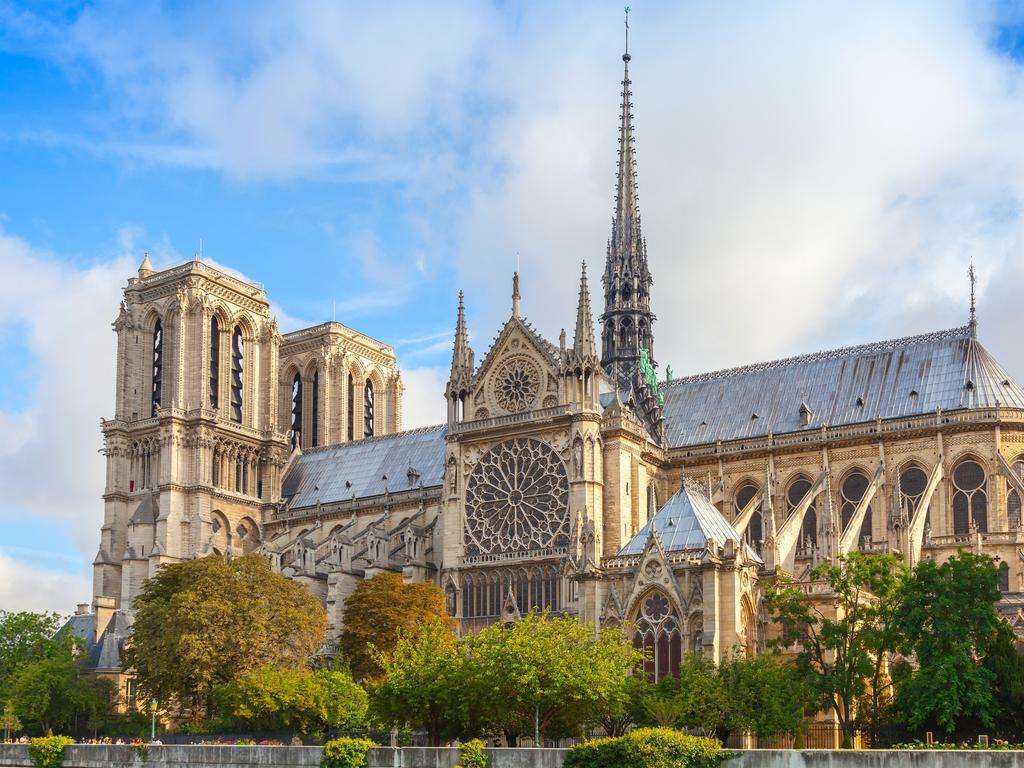
The cathedral is famous for its three rose windows, its flying buttresses, its three pipe organs, and its rich sculptural decoration. It also contains some of the most important relics in Christianity, such as the Crown of Thorns, a fragment of the True Cross, and a nail from the Crucifixion. The cathedral has witnessed many historical events, such as the coronation of Napoleon I, the liberation of Paris in 1944, and the funeral of Charles de Gaulle. It has also inspired many artists and writers, such as Victor Hugo, who wrote the novel The Hunchback of Notre-Dame in 1831. The cathedral is a UNESCO World Heritage Site.
Unfortunately, the cathedral suffered a devastating fire on April 15, 2019, which destroyed its spire and most of its roof. The fire also damaged some of the interior, the stained-glass windows, and the artworks. Since then, a massive restoration project has been underway to repair and rebuild the cathedral. The goal is to finish the reconstruction by 2024, in time for the Paris Olympics. The restoration project involves hundreds of workers, experts, and volunteers, who are working on the scaffolding, the vaults, the organ, and the artworks. We visited Paris for the Olympics in 2024, and we had hoped to re-visit the cathedral after the restoration. Unfortunately, it wasn't completed until after the Paris2024 Olympics. So, it is back on our bucket list.
Famous Cathedrals in Europe: Strasbourg, France
The Cathedral of Notre-Dame in Strasbourg is a magnificent example of Gothic architecture that has been a symbol of the city for centuries. It is located in the historic centre of Strasbourg, on the Place de la Cathédrale, and is the seat of the Archdiocese of Strasbourg. The cathedral of Notre-Dame in Strasbourg is a UNESCO World Heritage Site
The cathedral was built over several centuries, starting from 1015, and was completed in 1439. It features a remarkable façade with three portals, a rose window, and a gallery of statues depicting biblical scenes and saints. The façade also has a single spire that rises to 142 metres (466 feet), making it the tallest extant structure built entirely in the Middle Ages.
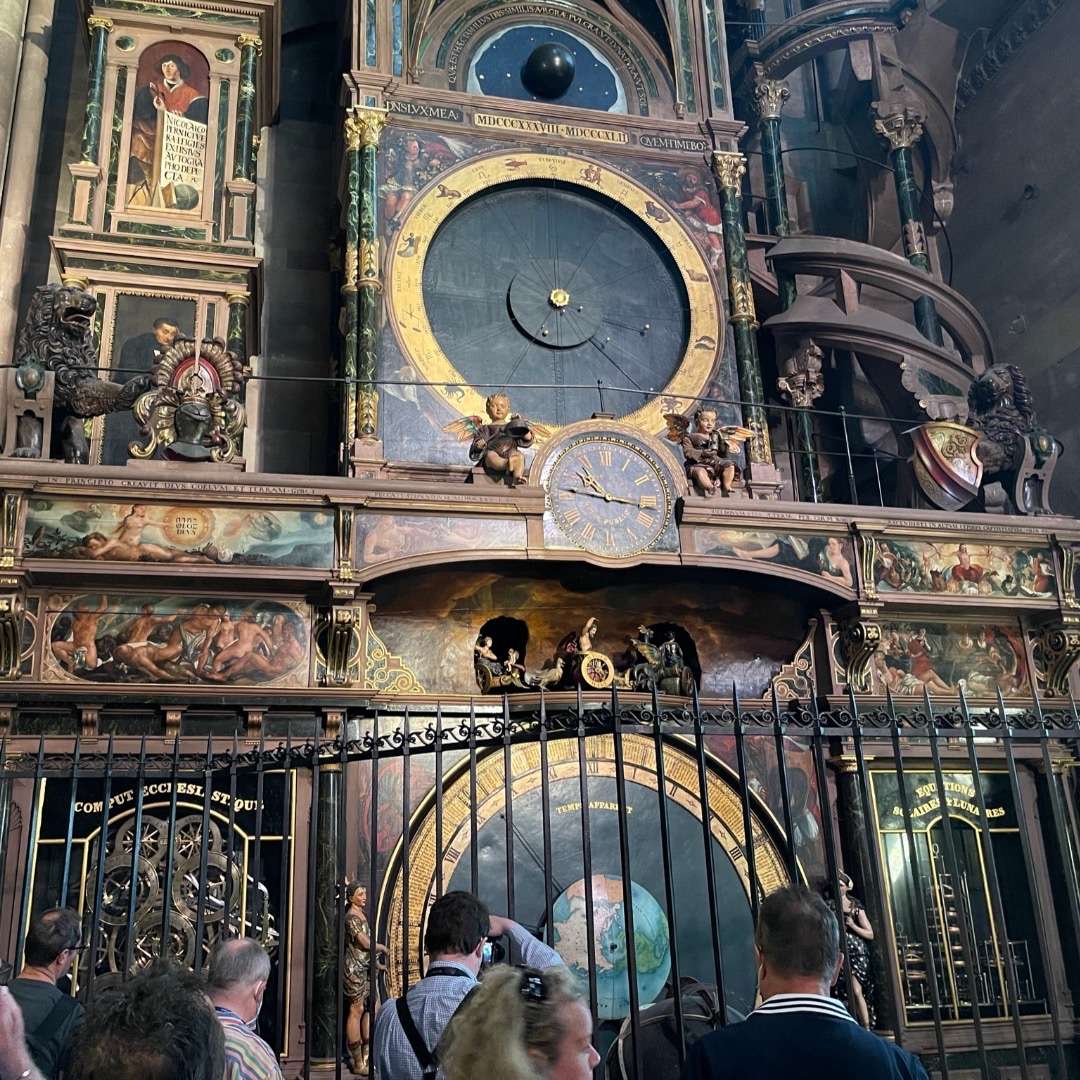
The interior of the cathedral is equally impressive., The cathedral houses the famous Astronomical Clock, a Renaissance masterpiece that includes various astronomical and religious phenomena, such as the phases of the moon, the position of the sun, the zodiac signs, the calendar of saints, and the procession of the apostles. The clock is activated every day at 12:30 p.m., when a mechanical rooster crows and a parade of figures moves across the stage. The large gathered crowd eagerly anticipates this and is never disappointed.
Famous Cathedrals in Europe: Cologne Cathedral
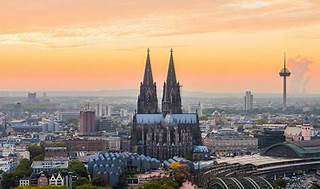
The Cathedral in Cologne, Germany, is a magnificent cathedral and a stunning example of Gothic architecture that has been a symbol of the city for centuries. The cathedral is a UNESCO World Heritage Site, and a popular tourist attraction that attracts millions of visitors every year. It is located in the heart of Cologne, on the banks of the Rhine river, and is the seat of the Archbishop of Cologne.
The construction of the cathedral began in 1248 but was left unfinished for over 600 years, until it was finally completed in 1880. It features a magnificent façade with two soaring spires that reach 157 metres (515 feet), making it the tallest twin-spired church in the world, the second tallest church in Europe, and the third tallest church of any kind in the world. The spires are visible from far away and serve as a landmark for the city. The façade also has three portals, a large rose window, and a gallery of statues depicting biblical scenes and saints.
Famous Cathedrals in Milano: Milan Cathedral
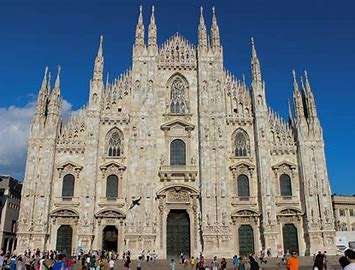
We highly recommend that you visit the Duomo in Milan because it is one of the most impressive and beautiful cathedrals in the world. It is a masterpiece of Gothic architecture that took nearly six centuries to complete. It is the largest church in Italy and the third largest in the world, with a capacity of 40,000 people. It is also home to the world’s second-largest organ, with 15,800 pipes.
The cathedral is decorated with thousands of sculptures, statues, and gargoyles that tell stories of faith and history. The most famous statue is the Madonnina, a golden figure of the Virgin Mary that stands on the highest spire of the cathedral, at 108.5 meters (356 feet).
Another famous statue is the one of St. Bartholomew, one of the twelve apostles of Jesus, who was skinned alive for his faith. The statue, made by Marco d’Agrate in 1562, shows the saint holding his own skin over his shoulders and around his body. We found it to be a remarkable work of anatomy and realism, and a testimony of the martyrdom of Bartholomew.
The cathedral also has many other attractions, such as the magnificent stained glass windows, the golden reliquary of the Three Kings, the Baroque astronomical clock, and the rooftop terrace that offers a stunning view of the city and the Alps. The cathedral is a UNESCO World Heritage Site.
Famous European Cathedrals in Italy: St Marks, Venice
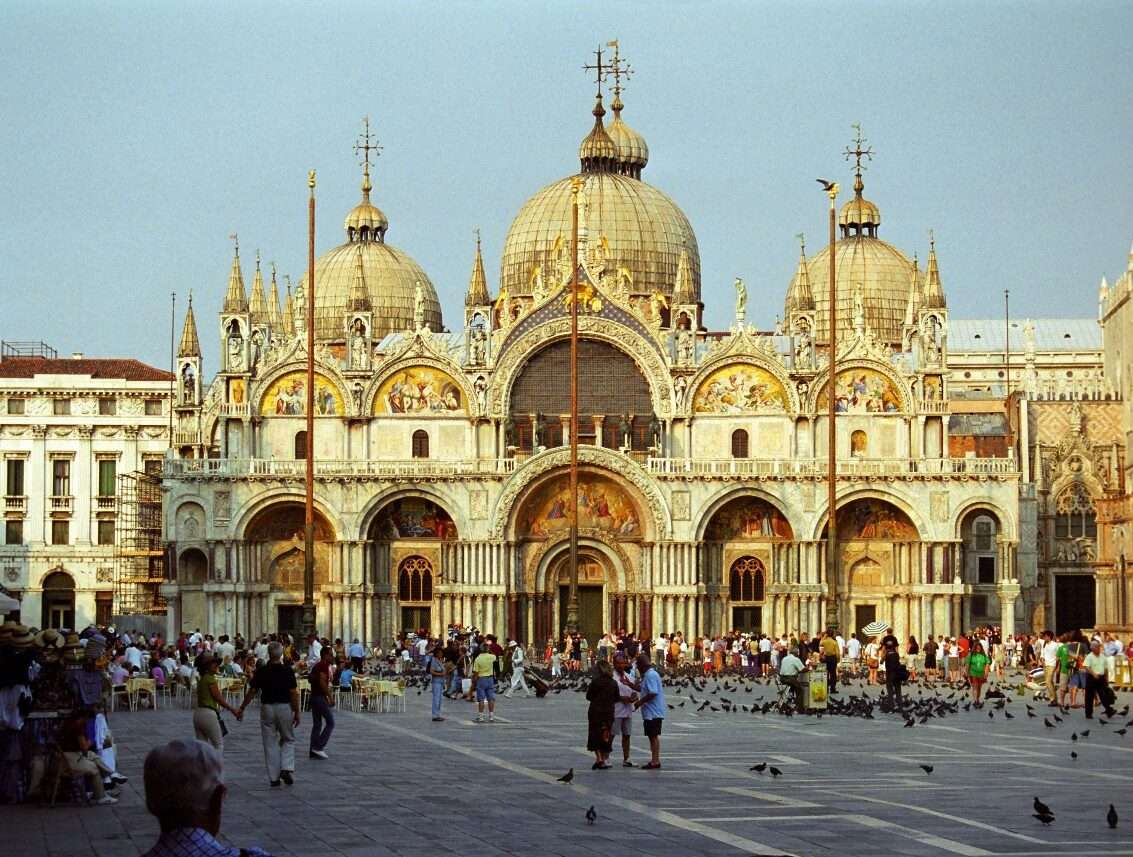
St Mark’s Cathedral in Venice is a magnificent example of Byzantine, Romanesque, and Gothic architecture, and a symbol of the wealth and power of the former Republic of Venice. It is also a treasure trove of art and history, as it contains the relics of St Mark the Evangelist, the patron saint of Venice, and many precious objects and mosaics that were brought from the East during the Crusades.
The cathedral is located on the eastern end of St Mark’s Square, the former political and religious center of Venice, and is attached to the Doge’s Palace, the residence of the ruler of Venice. The cathedral has five domes, each decorated with golden mosaics depicting scenes from the Bible. The main façade of the cathedral faces the square and has five portals, each with a mosaic above it. Above the portals are four ancient bronze horses that were taken from Constantinople during the Fourth Crusade. They are replicas, as the original ones are now inside the cathedral.
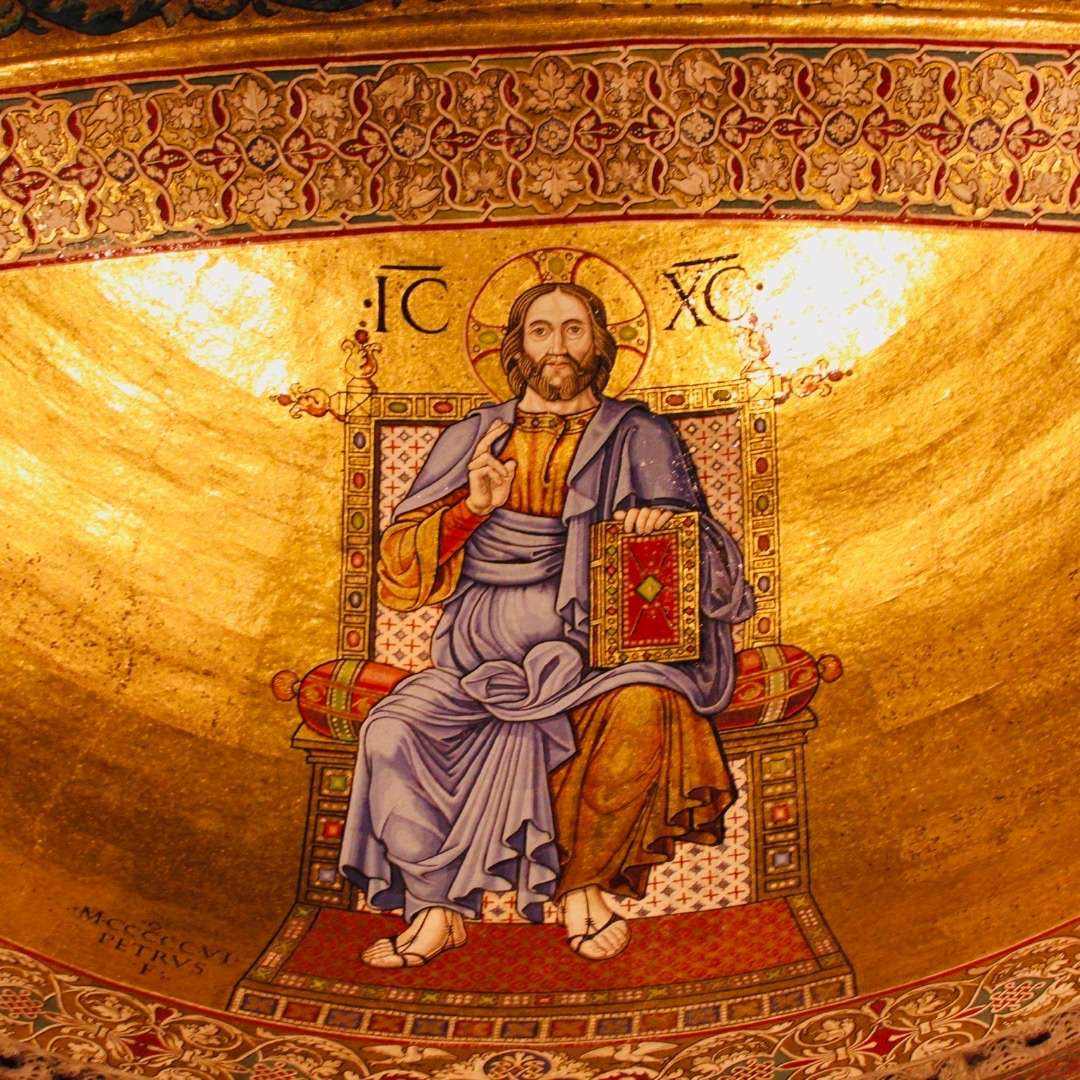
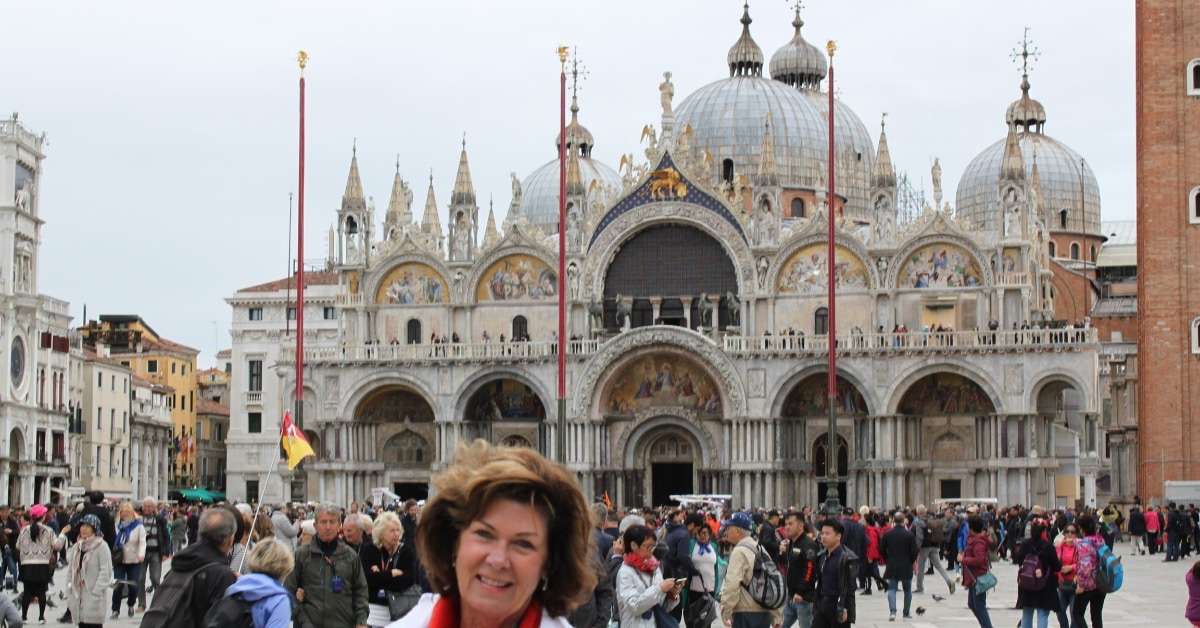
The interior of the cathedral is covered with more than 8,000 square meters of golden mosaics, which create a dazzling effect. The mosaics depict saints, prophets, and biblical stories, and reflect different artistic styles and periods.
St Mark’s Cathedral is a must-see attraction in Venice, as it offers a unique insight into the culture and history of this amazing city. To avoid the long lines, you can reserve your ticket online or visit early in the morning or late in the afternoon. You should also dress appropriately, as the cathedral has a strict dress code that requires you to cover your shoulders and knees.
Famous Cathedrals in Europe: Florence Cathedral
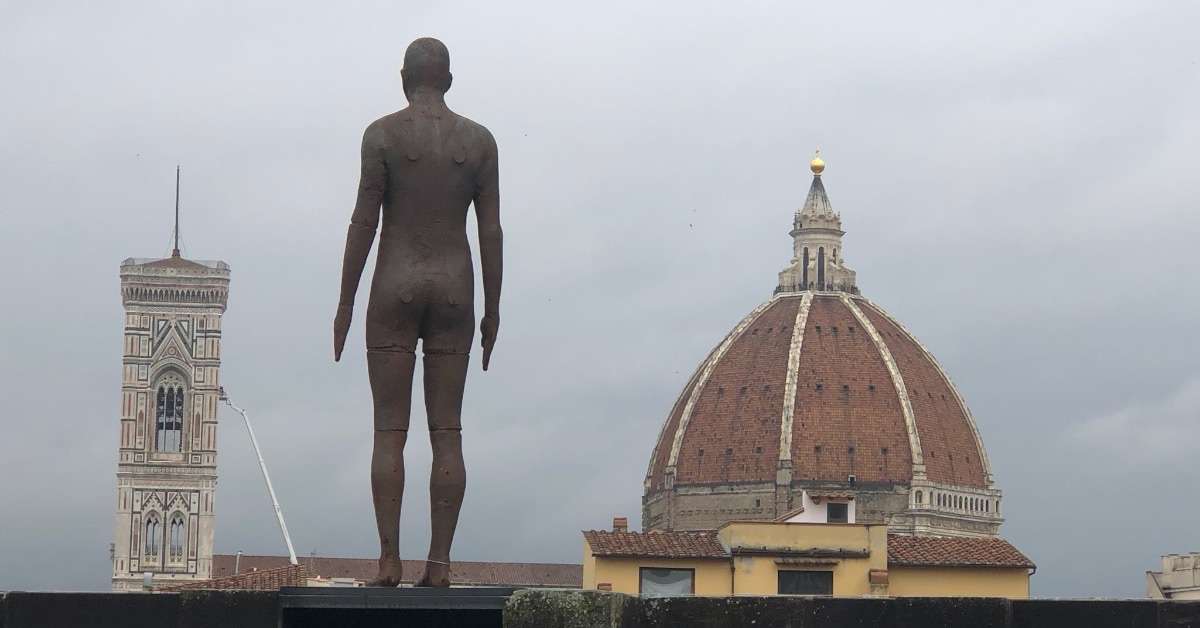
The Duomo of Florence is the cathedral of the city, formally called the Cathedral of Santa Maria del Fiore. It is a magnificent example of Gothic and Renaissance architecture, and it has the largest brick dome ever constructed.
Some interesting facts about the Duomo of Florence are:
- It was built on the site of an earlier church dedicated to Saint Reparata, whose remains can be seen in the crypt.
- It took over two centuries to complete, from 1296 to 1436.
- The dome was designed by Filippo Brunelleschi, who won a competition for the best solution to cover the huge space without using flying buttresses. He devised a double-shell structure with an inner and outer dome, supported by a complex system of ribs and chains.
- The exterior of the basilica is covered with polychrome marble panels in various shades of green and pink, bordered by white. The façade was added in the 19th century in a Gothic Revival style.
- The cathedral complex also includes the Baptistery and Giotto’s Campanile, which are both part of the UNESCO World Heritage Site covering the historic center of Florence.
Famous European Cathedrals in Spain: La Sagrada Familia, Barcelona
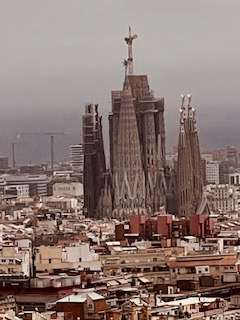
La Sagrada Familia is a magnificent church in Barcelona, Spain, designed by the famous architect Antoni Gaudí. It is one of the most popular tourist attractions in the city and a symbol of Catalan culture and identity. The church is still under construction, more than a century after it began, and it is expected to be completed by 2026, the 100th anniversary of Gaudí’s death.
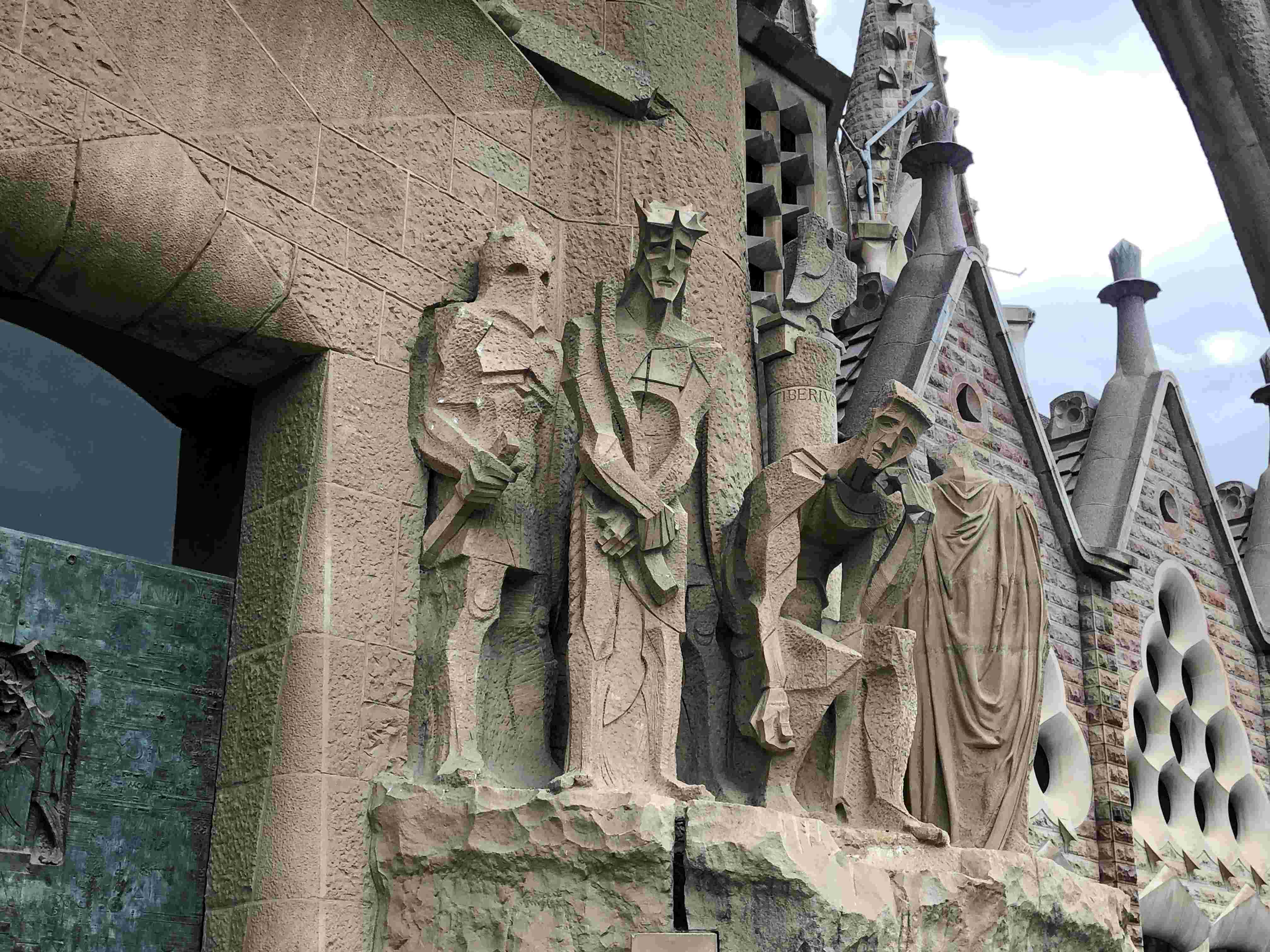
The church has a unique and innovative style, combining elements of Gothic, Art Nouveau, and Modernism. It is rich in symbolism and details, inspired by nature, religion, and geometry. The church has three grand facades: the Nativity, the Passion, and the Glory, each representing a stage in the life of Jesus Christ. The church also has 18 towers, 12 for the apostles, 4 for the evangelists, one for the Virgin Mary, and the tallest one for Jesus.
The interior of the church is equally impressive, with a spacious nave, a vaulted ceiling, stained glass windows, and colorful columns that resemble trees. The church also has a museum, a crypt, a cloister, and a school building. The church is a UNESCO World Heritage Site and a minor basilica, consecrated by Pope Benedict XVI in 2010.
Famous European Cathedrals in Spain: Barcelona Cathedral
Barcelona Cathedral is a magnificent Gothic cathedral that stands in the heart of the city. It is dedicated to Saint Eulalia, the patron saint of Barcelona, who was martyred by the Romans in the fourth century. The cathedral was built between the 13th and 15th centuries, and has a rich history and artistic heritage. Some of the highlights of the cathedral are:
- The façade: Inspired by the original medieval design of the 19th century, the cathedral's façade is in a neo-Gothic style. It features a large rose window, three portals, and a central tower with a spire. The façade is decorated with statues of saints, angels, and biblical scenes.
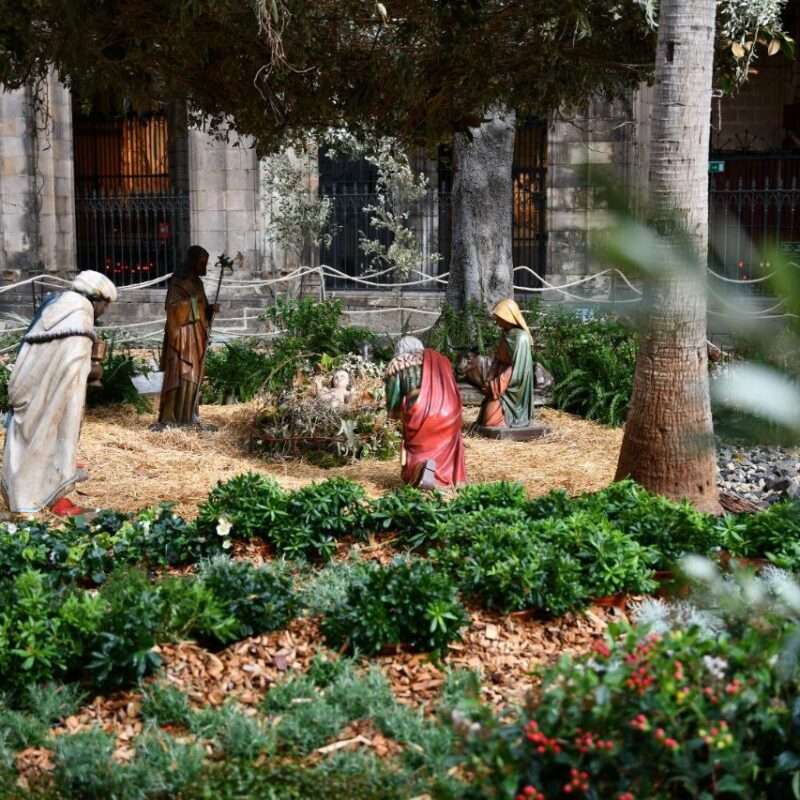
- The cloister: The cathedral's cloister is one of the most beautiful and peaceful places in the city. It was completed in 1448 and surrounds a garden with a fountain and 13 white geese. The number of geese represents the age of Saint Eulalia when she was martyred. The cloister also contains several chapels, such as the Chapel of Saint Olegarius, the Chapel of Saint Raymond of Penyafort, and the Chapel of the Holy Sacrament. The picture below shows the traditional nativity scene in the cloister during the Christmas Season.
- The crypt: The cathedral's crypt is located beneath the main altar and houses the sarcophagus of Saint Eulalia. Made of alabaster, the sarcophagus dates to the 14th century and depicts scenes from the saint's life and martyrdom. The crypt also contains a 15th-century altarpiece of the Holy Cross and a Romanesque mural of the Last Judgment.
Famous Cathedrals in Europe: St. Stephen’s Vienna
St. Stephen’s Cathedral is a historic and beautiful church in Vienna, Austria. It is the mother church of the Roman Catholic Archdiocese of Vienna and the seat of the Archbishop of Vienna. It is also one of the most recognizable symbols of the city, with its multi-colored tile roof and Gothic spire.
The cathedral, founded in 1137, has a long and rich history. Built on the ruins of two earlier churches, the first dating back to the Roman times, St Stephen's has expanded several times over the centuries. In addition to the expansion and reconstruction, it has survived fires, wars, and bombings. It has witnessed many important events in Austrian history, such as the weddings, funerals, and coronations of the Habsburg rulers.
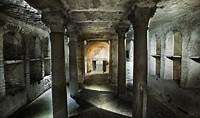
The cathedral has many artistic and architectural features that make it a masterpiece of Gothic and Baroque styles. The catacombs of the cathedral are located under the choir and the nave and contain the remains of over 11,000 people, including a burial place for the bishops, the nobility, and the citizens of Vienna until 1783, when Emperor Joseph II banned the practice. The catacombs also contain the hearts of 72 members of the Habsburg family, kept in silver urns.
Famous Cathedrals in Europe: St. Vitus in Prague
St. Vitus Cathedral is a stunning Gothic cathedral that is located within the Prague Castle complex. It is the seat of the Archbishop of Prague and the largest and most important church in the Czech Republic. It is also a national symbol and a treasure of Czech culture and history.
Duke Wenceslaus I, who acquired a relic of St. Vitus, the cathedral's patron saint, founded the cathedral in 930. Various architects, such as Matthias of Arras, Peter Parler, and Josef Kranner, influenced the design of this cathedral, from a Romanesque rotunda to a basilica, and finally to a Gothic masterpiece over several centuries.
The relics: The cathedral is home to many relics of saints and martyrs, including the arm of St. Vitus, the patron saint of the cathedral, who was tortured and killed by the Roman Emperor Diocletian. The relic is kept in a silver reliquary in the Chapel of the Holy Cross. The cathedral also houses the relics of St. Wenceslas, the first Czech saint and the Czech state’s patron saint, who was murdered by his brother Boleslav in 935.
For more information about visiting Prague, please see our post "How Many Days in Prague."
Conclusion
Travel smarter, dine better, and explore deeper: we'd love to share our handpicked insights and exclusive guides in our monthly newsletter below.
0 Comments