

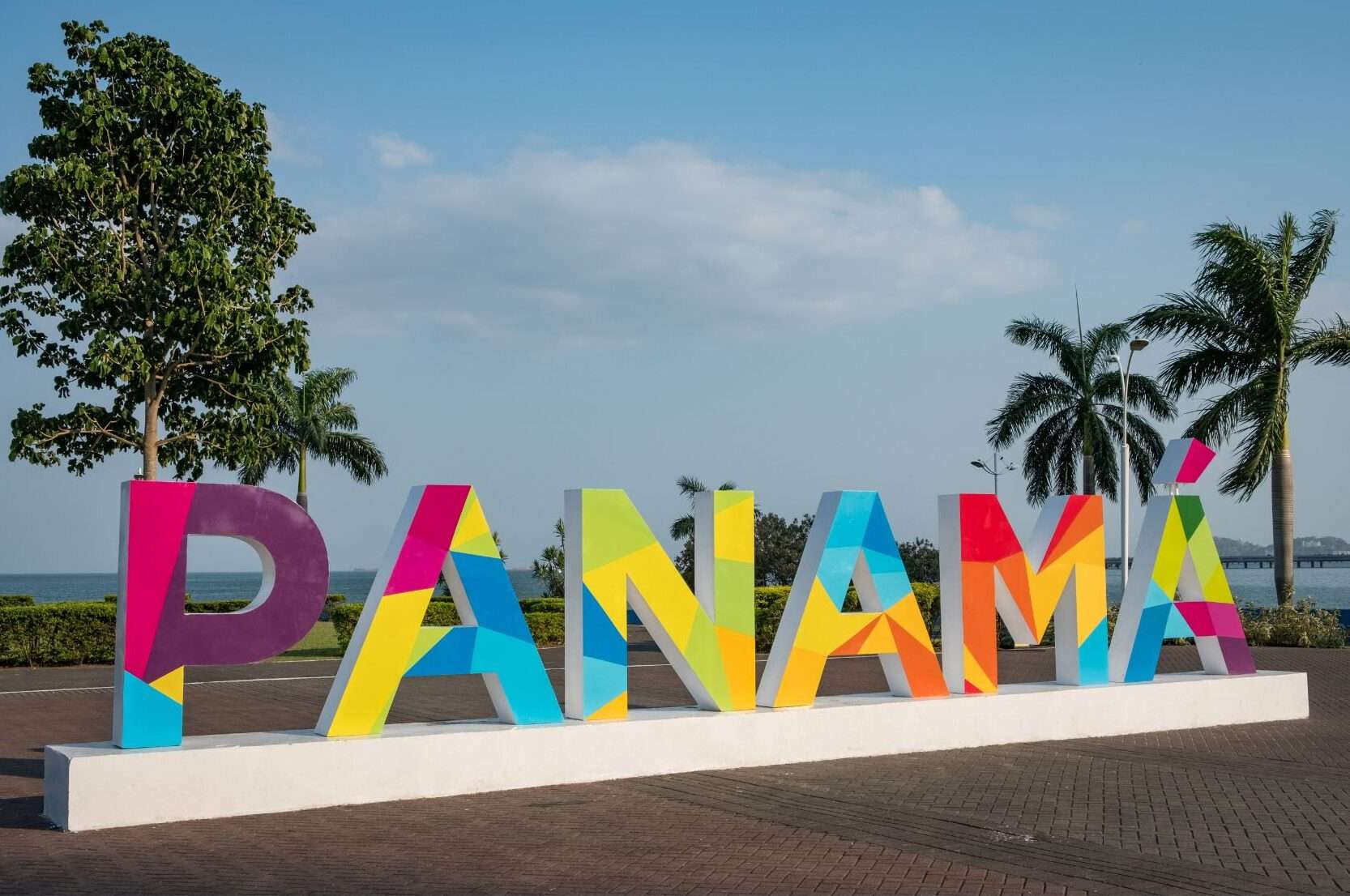
Panama is known for its canal, but there's so much more to this small Central American country. Here are 9 facts about Panama we bet you didn’t know!
In this blog post, we reveal at least 9 surprising facts about Panama. They will leave you amazed and wanting to learn more.
For example, do you know that Panama is the only place in the world where you can see the sun “rise on the Pacific Ocean and set on the Atlantic Ocean”? To learn why and other surprising facts that will change your perspective about Panama, please continue to read our blog. We will tell you more about the rich cultural history, the amazing biodiversity, the indigenous people, the food, and of course the Panama Canal.
Contents
- 1 Facts About Panama #1: See the Sun: Rise on the Pacific Ocean and Set on the Atlantic Ocean.
- 2 Facts About Panama #2: Rich Cultural History, Not All Spanish
- 3 Facts About Panama #3. Carnival
- 4 Facts About Panama #4: Seven Indigenous Tribes
- 5 Facts About Panama #5: The Panama Canal
- 6 Facts about Panama #6: The Panama Canal is not the Only Engineering Marvel in the Country
- 7 Facts About Panama #7: Biodiversity
- 8 Facts About Panama #8: Panama City
- 9 Facts About Panama #9: Restaurants in Panama City
- 10 Conclusion
Facts About Panama #1: See the Sun: Rise on the Pacific Ocean and Set on the Atlantic Ocean.
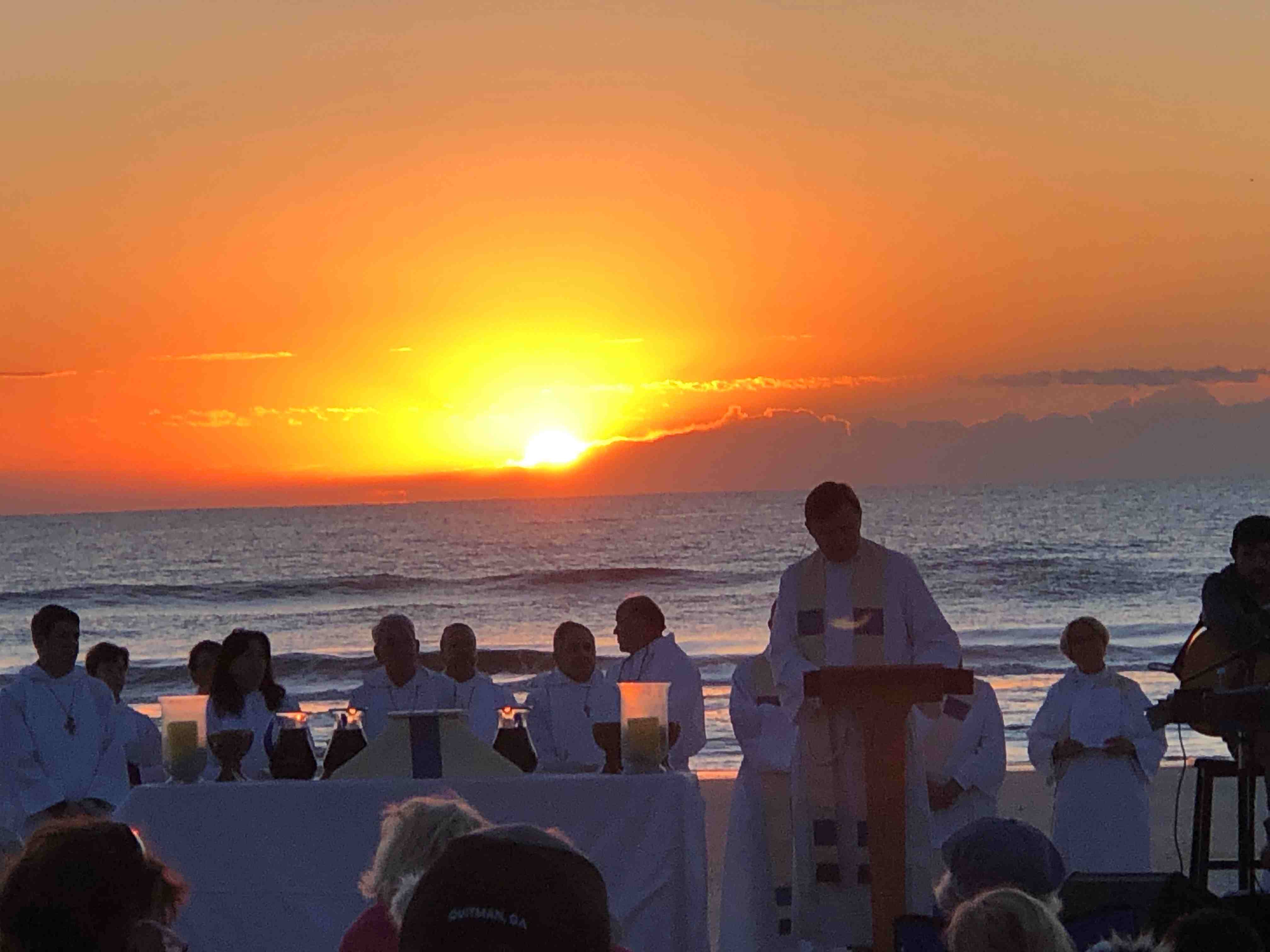
How can this be? We live on the beach on the Atlantic coast, and love our sunrises. Please see our pictures below. We even have one from Easter Morning Service on the beach.
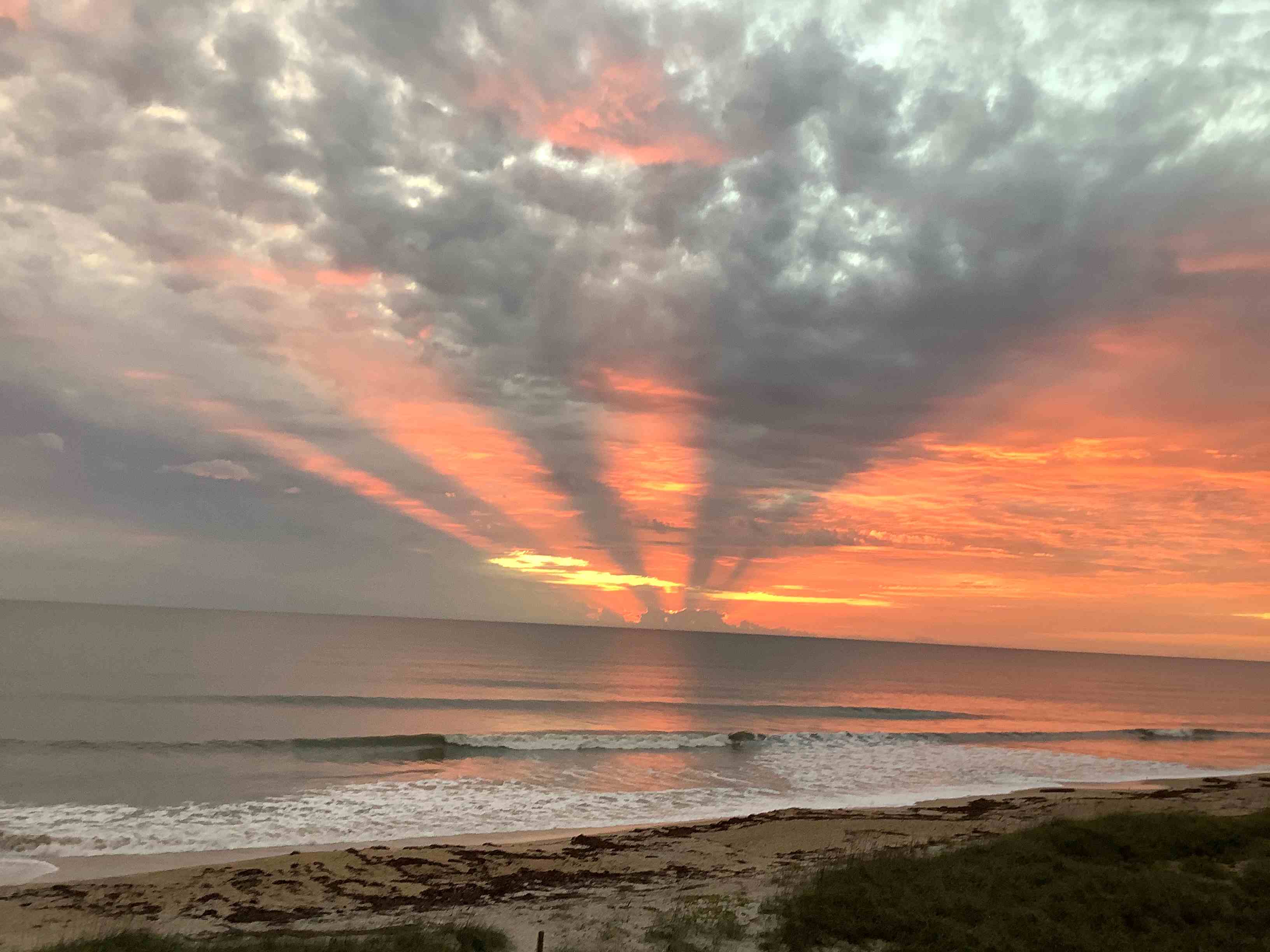
But we miss the sunsets. Sure, we can see the clouds light up pink in the evenings. But, can we see the actual sun set? We need to go to Key West or one of the islands in the Pacific to see a beautiful sunset. So how can they see sunsets from the Atlantic Coast in Panama and sunrises on the Pacific Coast?
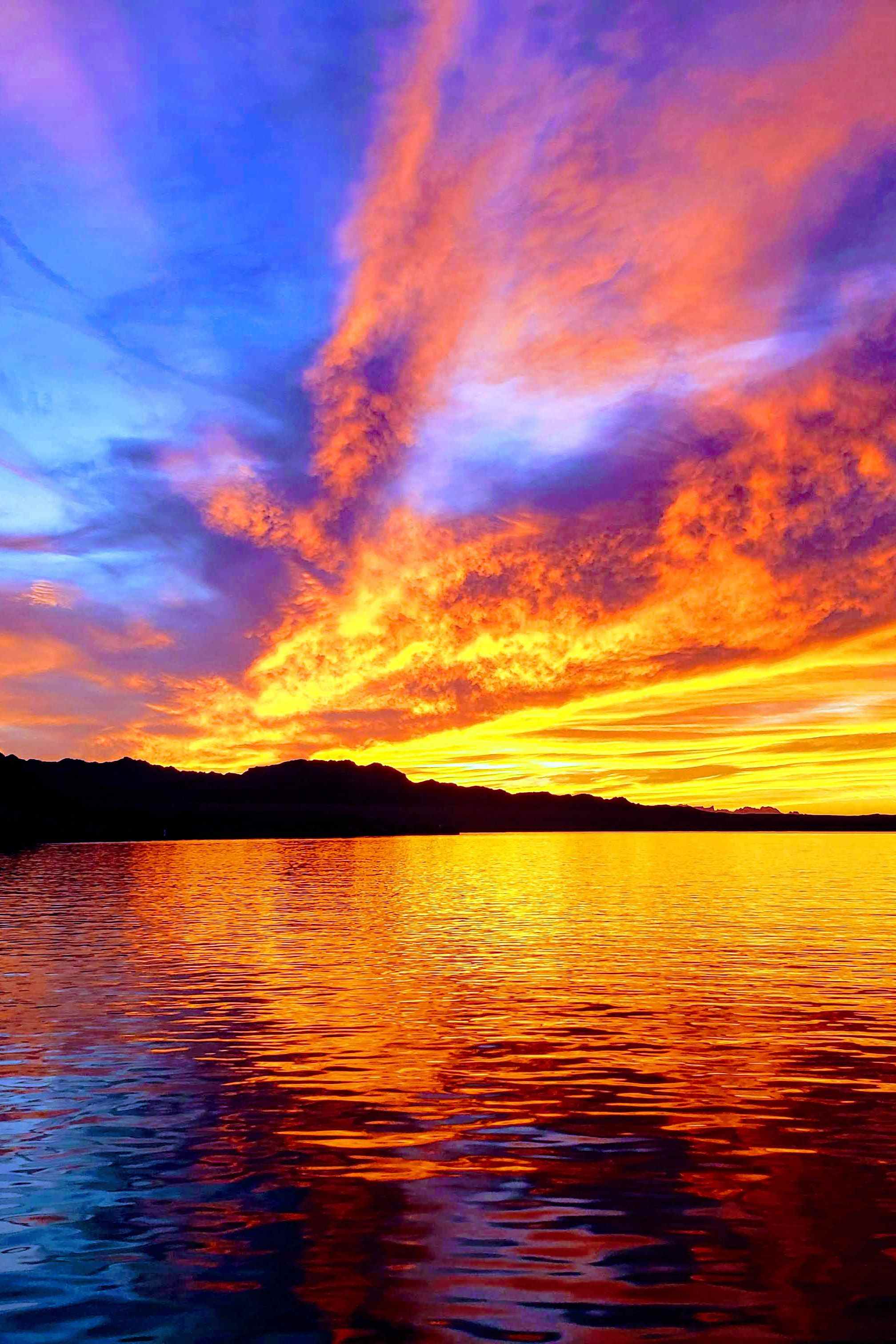
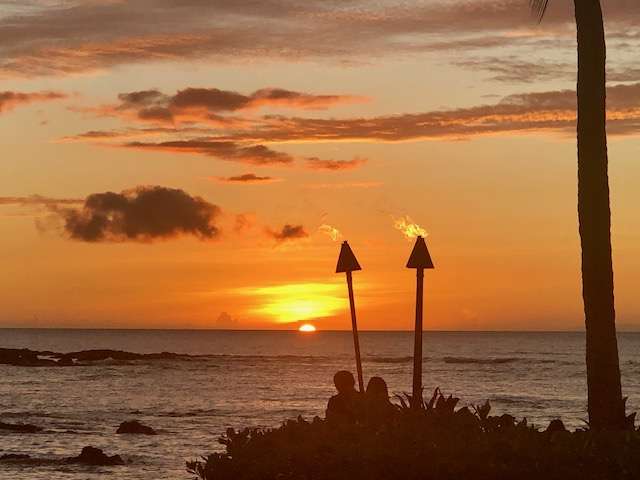
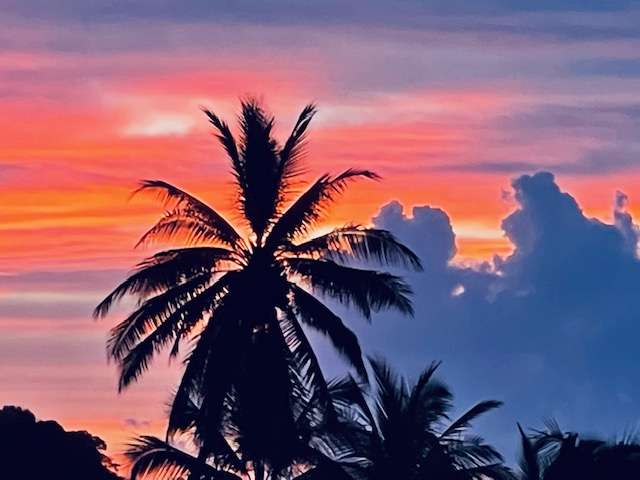
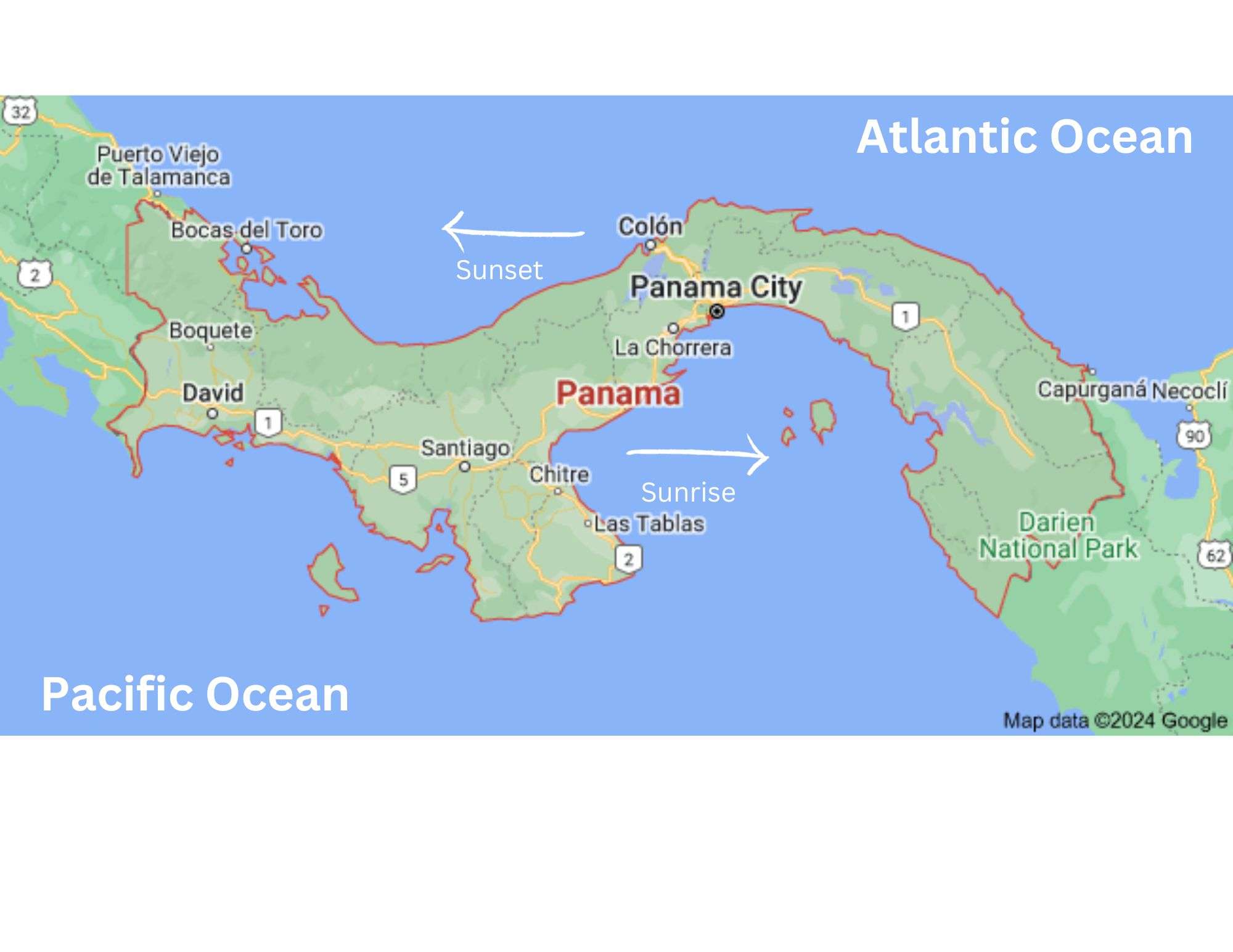
The answer is simple. Because the country curves from east to west, rather than from the north to south. Therfore, you can spot a sunset on the Atlantic side of the country. And a sunrise on the south side of the country. Perhaps, a map of Panama will help convince you of this surprising fact.
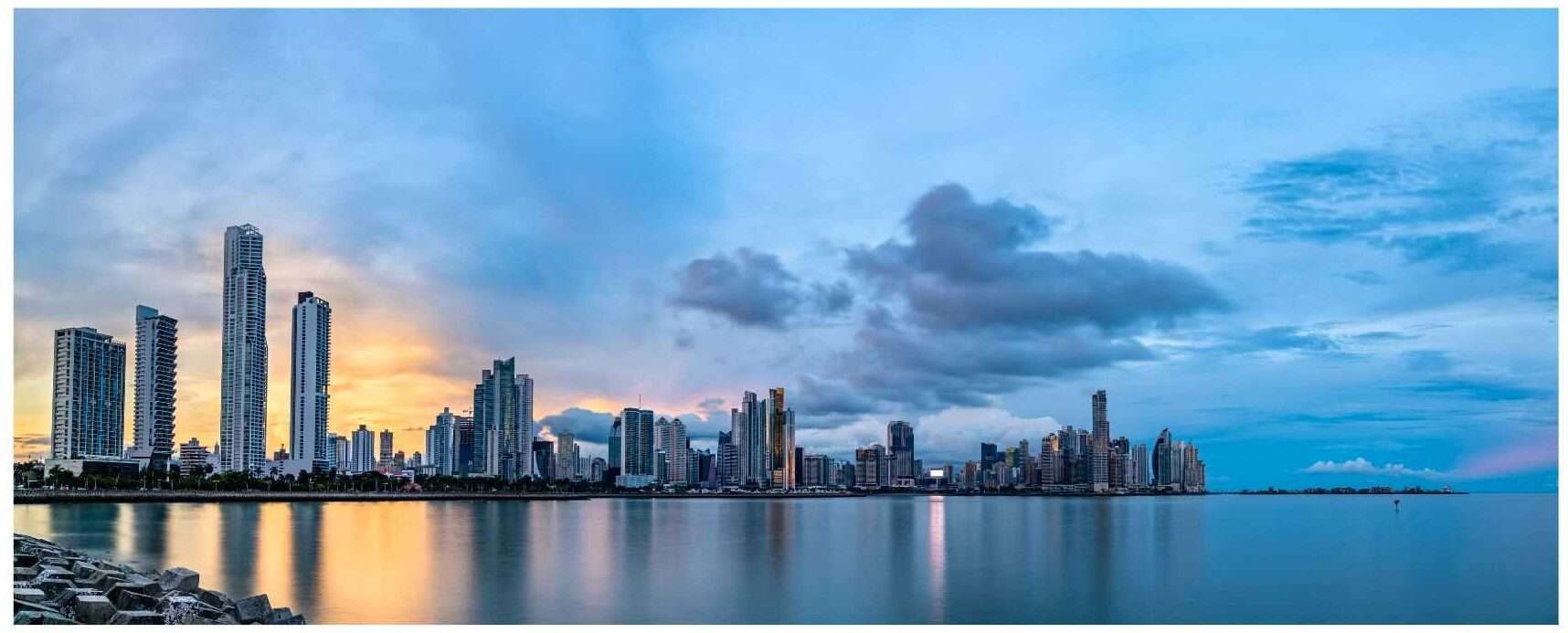
So, here is a test to see what you might have learned. This is the Panama City Skyline at night. Since this is a sunset, which way are you looking?
Facts About Panama #2: Rich Cultural History, Not All Spanish
Okay, when you think about Panama, you think of Spanish culture and history, correct? Well, that is a big part of Panama’s history and culture, but not all of it. Panama has a vibrant culture that is a blend of African, American Indian, North American, and European influences.
While Spain had a significant influence on Panama, other European countries such as France and Great Britain also played a role in the country’s history. For instance, the French attempted to build a canal in Panama in the late 19th century. However, it was later completed by the United States in the early 20th century.
In addition to European influences, Panama’s culture has also been shaped by African cultures. People with African origins, including Afro-Colonials and Afro-Antillanos, have lived in Panama since the 16th century. Afro-Colonials are the descendants of Spanish slaves, while Afro-Antillanos include people from Jamaica and other islands in the West Indies.
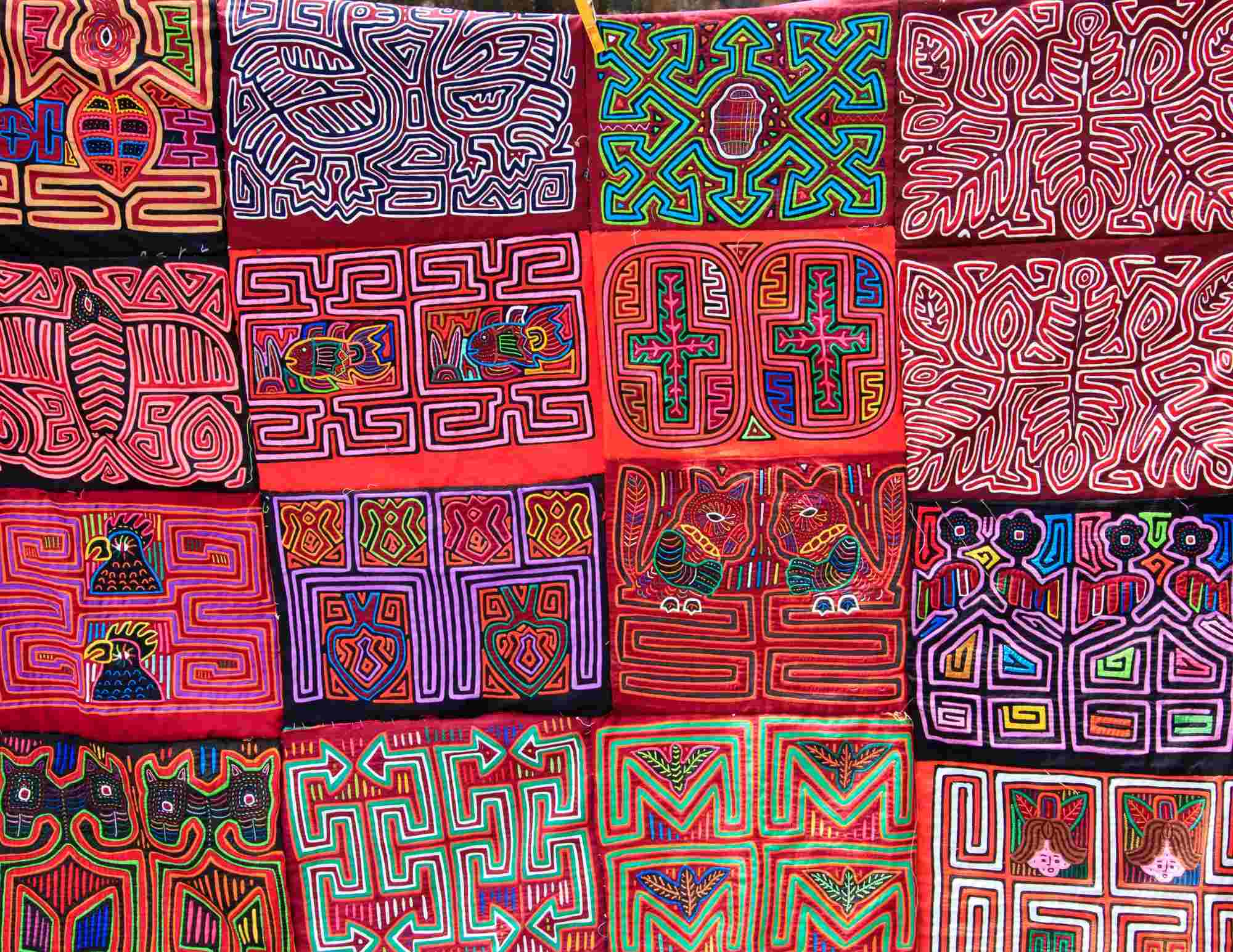
This interesting fact about Panama carries over to the country’s traditional arts and crafts, music, religion, sports, and cuisine. They all reflect this cultural diversity. Panamanian music is popular throughout Latin America, and the country is known for its many festivals. Surprisingly, Panama also hosts the world’s second-largest carnival, after Brazil.
Facts About Panama #3. Carnival
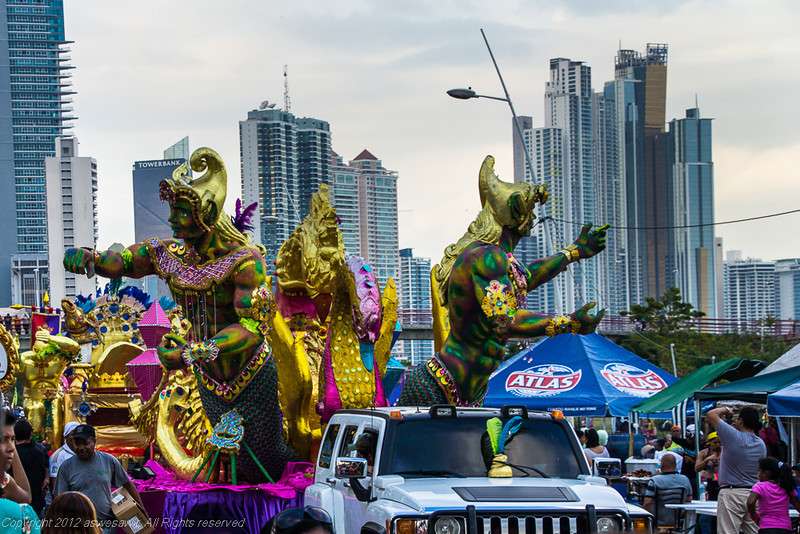
Carnival is a popular festival celebrated in Panama, which takes place four days prior to Ash Wednesday. The festival is characterized by lively music, dance, colorful costumes, and an upbeat atmosphere.
The first Carnival in Panama took place in colonial times. Back then individuals dressed as the king and queen of Spain. There were also conquering soldiers, slaves, and Indians who proceeded along a road while simulating battles. When they revived Carnival in the early 1900s, they added royal attendants, held a parade, and launched fireworks.
Carnival festivities include both traditional Spanish and Panamanian features. The Carnival festivities start in the morning hours in the central plaza or other open area. A popular feature are cistern trucks (culecos) that water-hose (mojadera) people for a few hours. This is along with loud music, entertainment, and lots of beer and seca.
In the evening, the parade starts. The parades typically feature floats (“topones”), bands of mostly trumpets and drums (“tunas”). And, of course, the Carnival Queen and her court in elaborate costumes. The parades have a different theme each night.
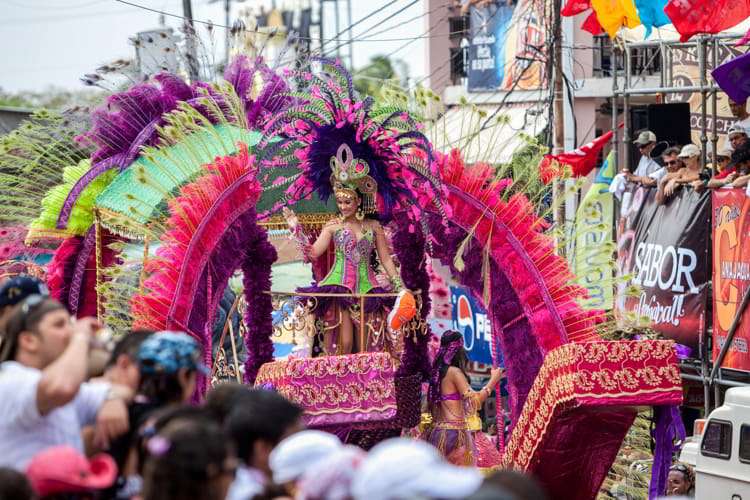
Just before sunrise on Ash Wednesday, the Carnival queen leads the last parade, a funeral procession. It is known as the Burial of the Sardine (“Entierro de la Sardina”). A symbolic sardine is carried in a tiny coffin by costumed mourners to its burial spot. This burial tradition is an import from Spain. The act signifies the end of the partying and the beginning of the 40 days of Lent.
Facts About Panama #4: Seven Indigenous Tribes
Before the Spanish explorers and colonizers came to Panama in the 16th century, the country was inhabited by various indigenous groups. This period of Panama’s history is known as the pre-Columbian era. The tribes practiced agriculture, fishing, hunting, pottery, weaving, and metallurgy, and traded with other regions of Mesoamerica and South America. The indigenous groups that lived in Panama before the Spanish arrival were prosperous. This included the Chibcha, the Choco, and the Cueva. However, they spoke different languages and had different cultures.
They also built impressive monuments, such as the stone sculptures at the Barriles site. Some of the most notable pre-Columbian civilizations in Panama were the Gran Coclé. They created elaborate polychrome pottery and gold ornaments. Also, the Kuna, who are known for their colorful textiles and autonomous social organization. However, the pre-Columbian era in Panama ended with the arrival of the Spanish conquistadors. They exploited the native population and resources, and established Panama as a strategic transit point for their empire.
The Seven Indigenous Tribes
As the table below shows there are still seven indigenous groups today. The chart indicates where they are located in Panama.
| Indigenous Group | Location |
| Bokota | Darien Province |
| Bribri | Unknown |
| Bugle | Chiriqui Province |
| Embera | Darien Province |
| Kuna (Dule) | Darien Province and Caribbean side |
| Naso (Teribe) | Bocas del Toro Province |
| Ngabe | Chiriqui Province |
Visit to the San Blas Islands
During a cruise that we took in 2023 we visited the San Blas Islands off the Panamian Coast. The indigenous people living on the San Blas islands are the Kuna Indians. They are a small but proud community of around 300,000 people in total. About 50,000 Kuna’s living on the 49 major islands of San Blas. The Kuna people are known for their rich culture and traditions, which have been preserved and embraced by modern Panamanians.

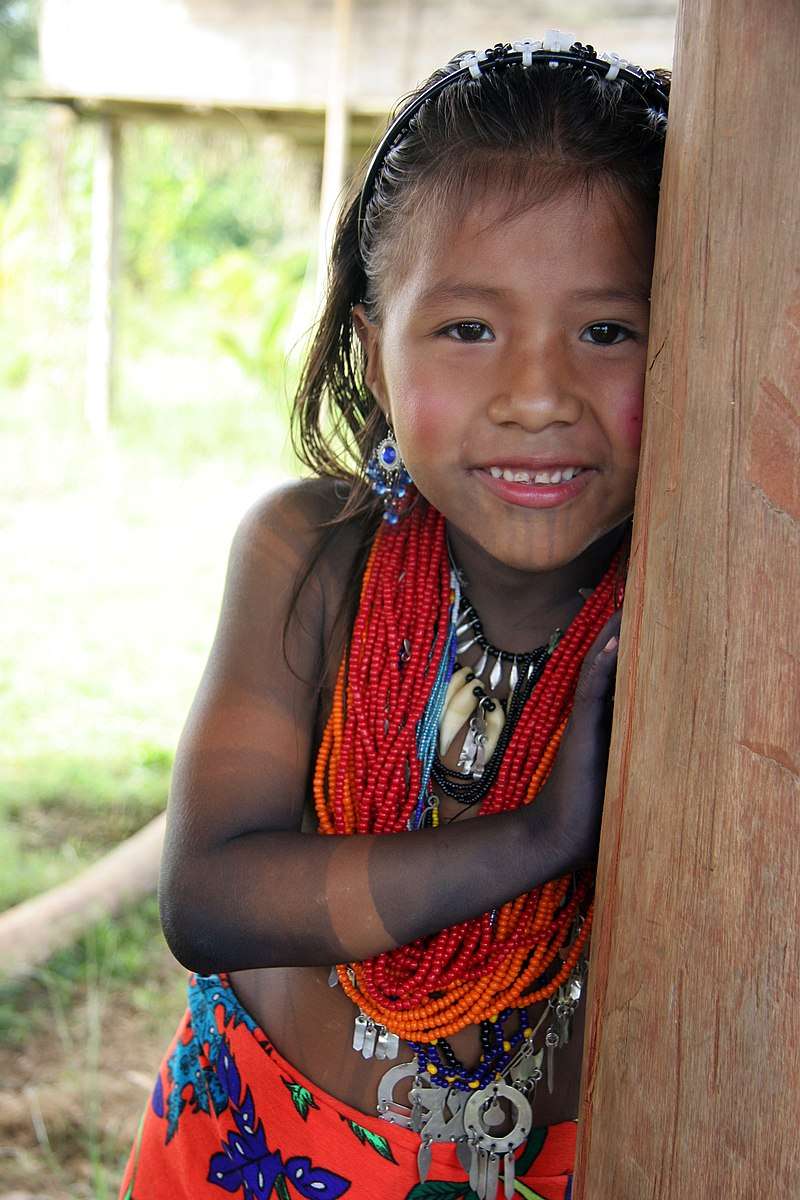
On a previous visit to Panama, I had the opportunity to visit the Embera Indians. We took a boat trip up a river to their reservation in the Darien Province.
In total, the various indigenous tribes comprise roughly 12% of the countries population. Panama has a diverse population of about 4.38 million people, of which 65% are mestizos. They are a mix of European and indigenous ancestry. The official language is Spanish. But many people also speak English and indigenous languages, such as Ngäbere and Kuna. To learn more about Indigenous Populations across the world, please see our post on Indigenous People.
Facts About Panama #5: The Panama Canal
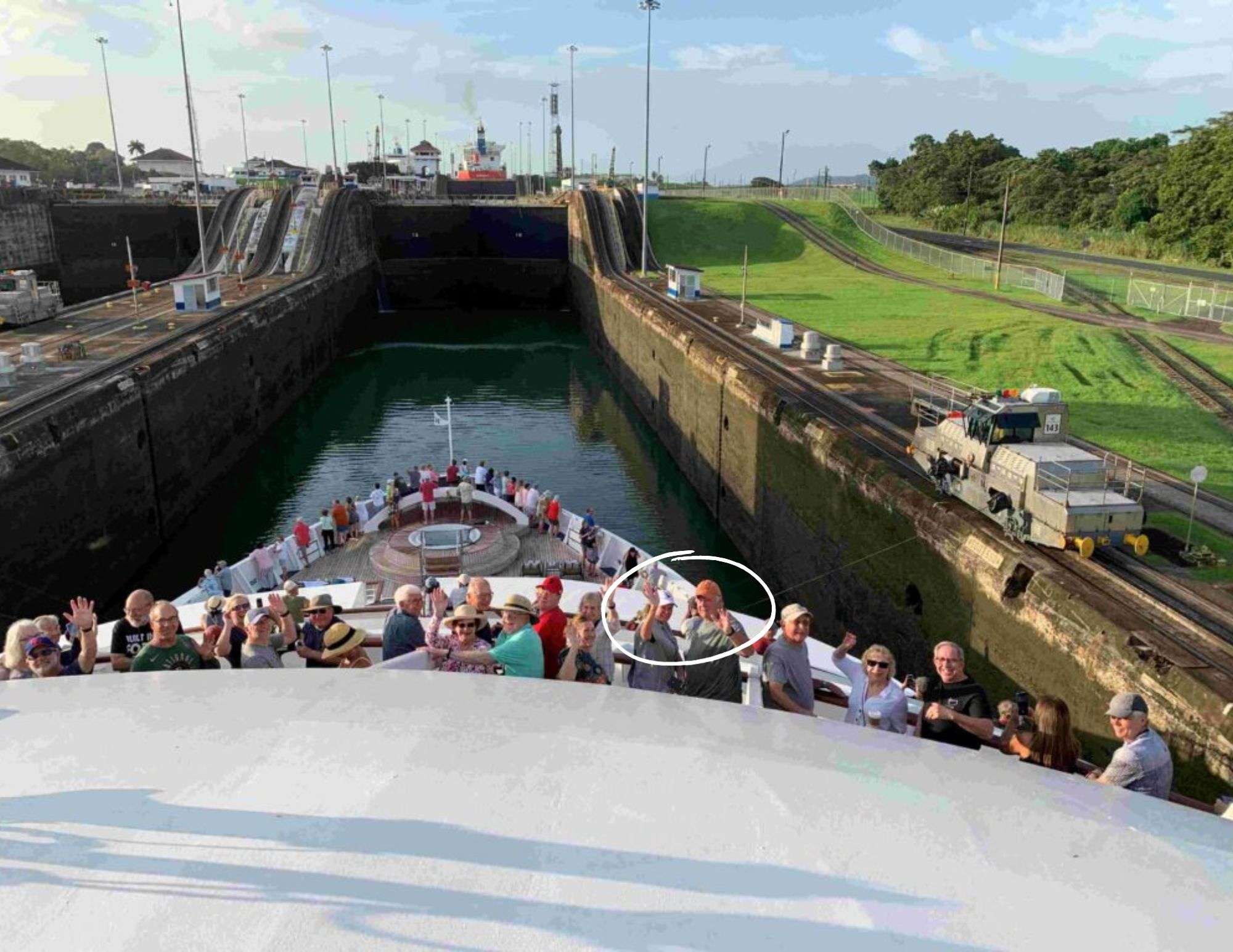
During that same cruise in December of 2023, after we visited the San Blas Islands, we ventured off to Colon and the next day started our trip under the Centenial Bridge and into the Canal. While I had seen the Canal before from the visitors gallery in Miraflores, I had never travelled through the Canal. Robin and I were excited to begin our voyage.
Dimensions of the Panama Canal
Panama is famous for its canal, which connects the Atlantic and Pacific oceans. The canal was built by the US between 1904 and 1914, and transferred to Panama in 1999. The canal is 48 miles (77 km) long and has three sets of locks that lift and lower ships to the level of Gatun Lake, a man-made lake at 85 feet (26 meters) above sea level.
There are a total of twelve locks in the Panama Canal, six on the Pacific side and six on the Atlantic side. The locks are located at three different sites: Miraflores, Pedro Miguel, and Gatun. Each lock chamber is 110 feet wide by 1,000 feet long, with a depth of 85 feet. The locks operate by filling and draining the chambers with water to raise and lower the vessels between sea level and the level of Gatun Lake.
Impact of Other Countries on Building the Canal
However, the US was not the first country with the idea to build the canal. The French began construction of the Panama Canal in the late 19th century, but the project was plagued by numerous challenges, including difficult working conditions, financial problems, and the outbreak of diseases like yellow fever and malaria. The French company headed by Ferdinand de Lesseps started to build a canal in 1881 but failed by 1889. The French effort to build a sea-level canal through Panama lead to financial devastation for investors and the loss of an estimated 20,000 workers.
Panama was actually part of Columbia from the time of the Spanish Conquest. This relationship between Panama and Columbia lasted until November 3, 1903. The reasons for the separation are complex and multifaceted. One of the primary reasons was the desire for greater autonomy and control over the Panama Canal. The Colombian government was seen as obstructing the canal project, and the Panamanian people felt that they would be better served by an independent government. The split occurred with the support of the United States. That said, there is still an affinity between the people of these countries.
Size of Ships Crossing the Canal
The size of the ship does matter when it comes to transiting the Panama Canal. The maximum size of ships that can transit the canal is determined by the size of the locks, which is known as Panamax. The maximum dimensions for a Panamax vessel are 965 feet (294.13 meters) in length, 106 feet (32.31 meters) in width, and 39.5 feet (12.04 meters) in draft. However, larger vessels known as New Panamax can now transit the canal since the completion of the Panama Canal expansion project in 2016. The new locks allow transit of larger ships with a greater cargo capacity than the previous locks were capable of handling.
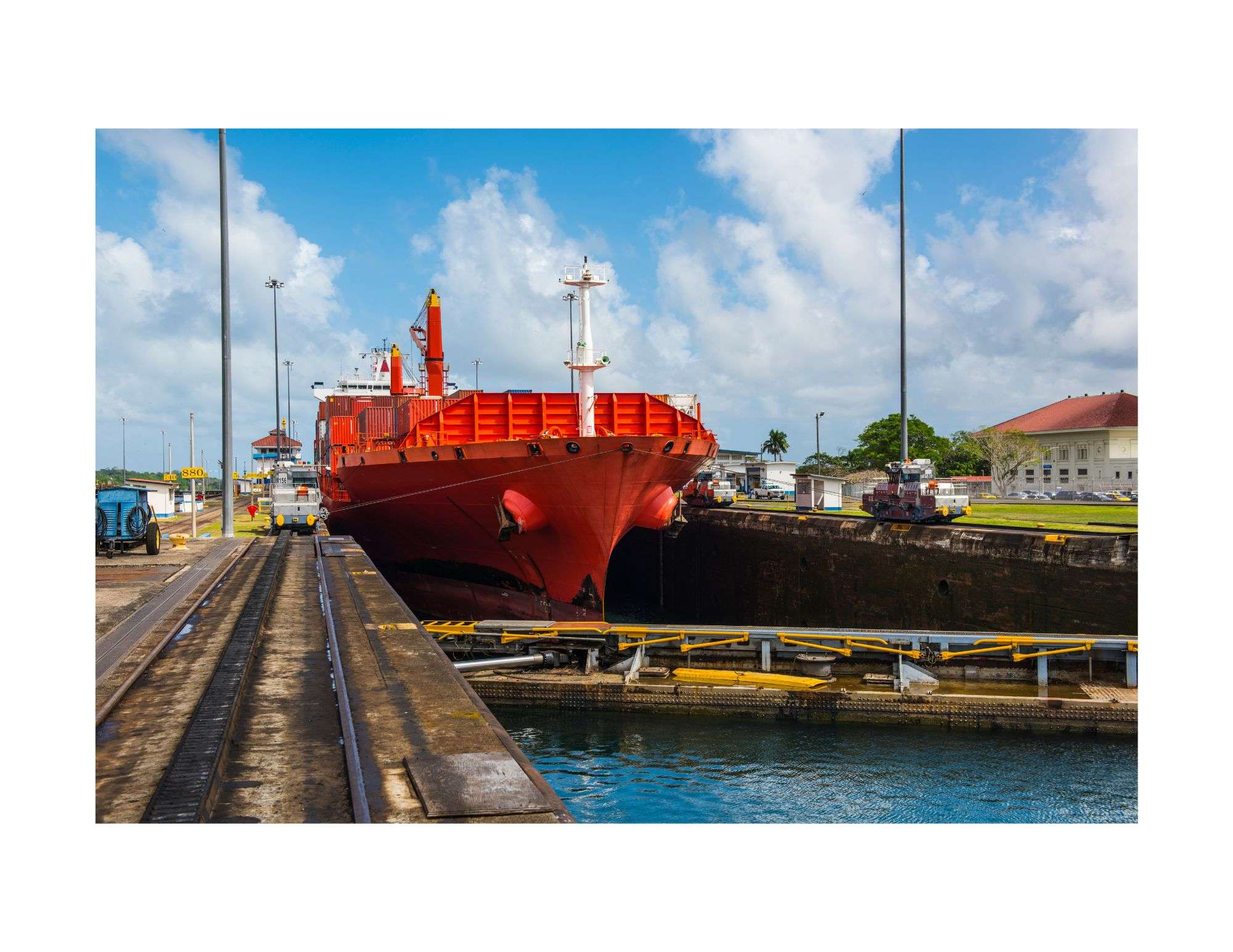
There are now two different paths that ships take through the canal. The smaller ships like the one we were on go through the traditional path. This path takes you through three different sets of locks. The Gatun locks on the Atlantic Side consist of three chambers that raise you up 85 feet to enter the Gatun Lake. The Pedro Miguel Locks, which are located on the Pacific side of the canal, have a lift of 31 feet. The Miraflores Locks, also located on the Pacific side, have a lift of between 64.5 feet and 43 feet due to the extreme tides.
The New Panamax ships only go through two sets of locks. One on the Atlantic side and one on the Pacific side. When the canal was first built there was concern that earthquakes could cause damage on the Pacific side of the canal. Therefore, they felt they needed two different sets of locks. With newer technology, there is only one set of locks for the Panamax ships to go through on the Pacific side.
Miraflores Lock
The Miraflores Lock is the final lock you go through on the North to South direction when exiting the canal.
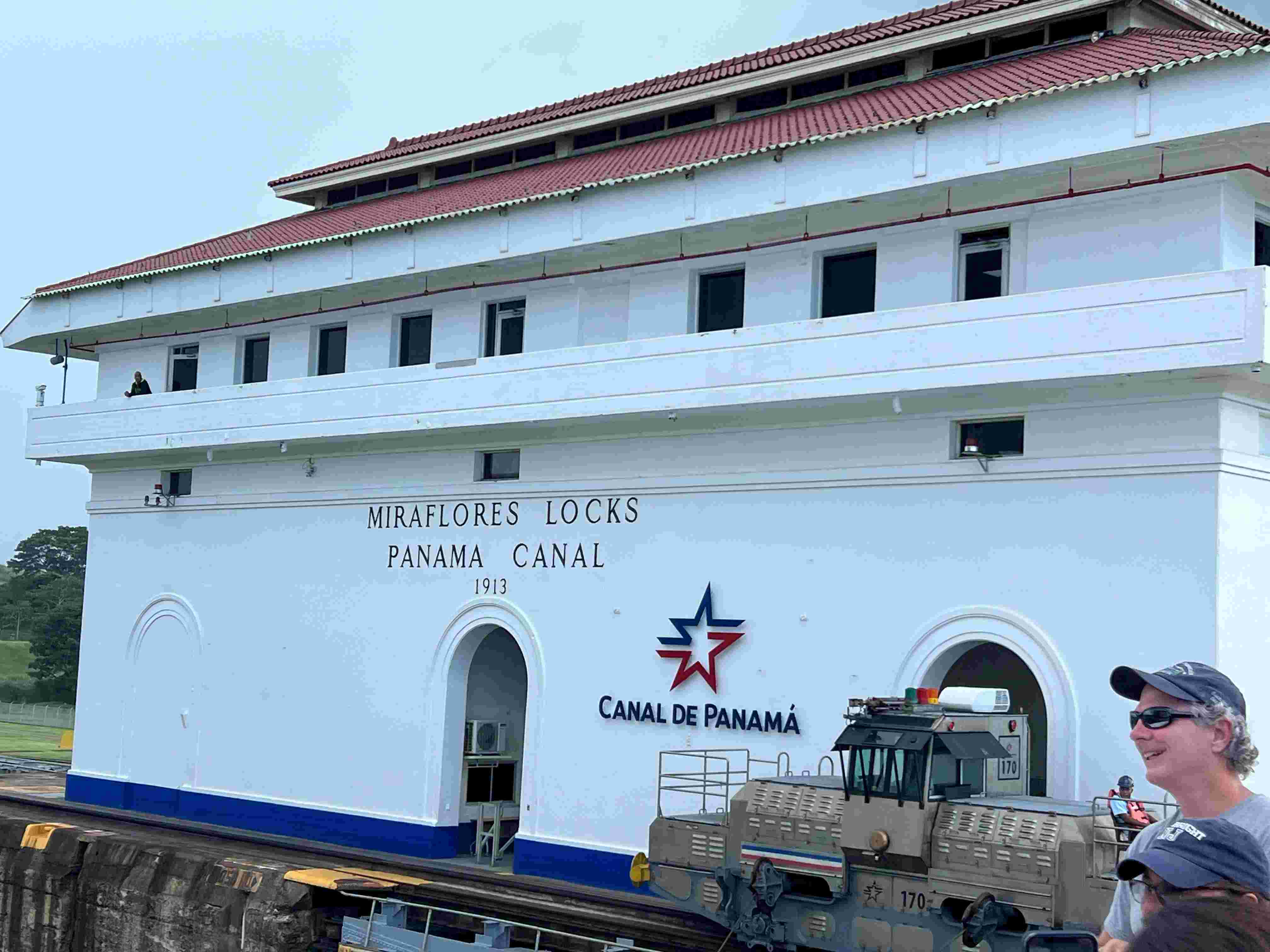
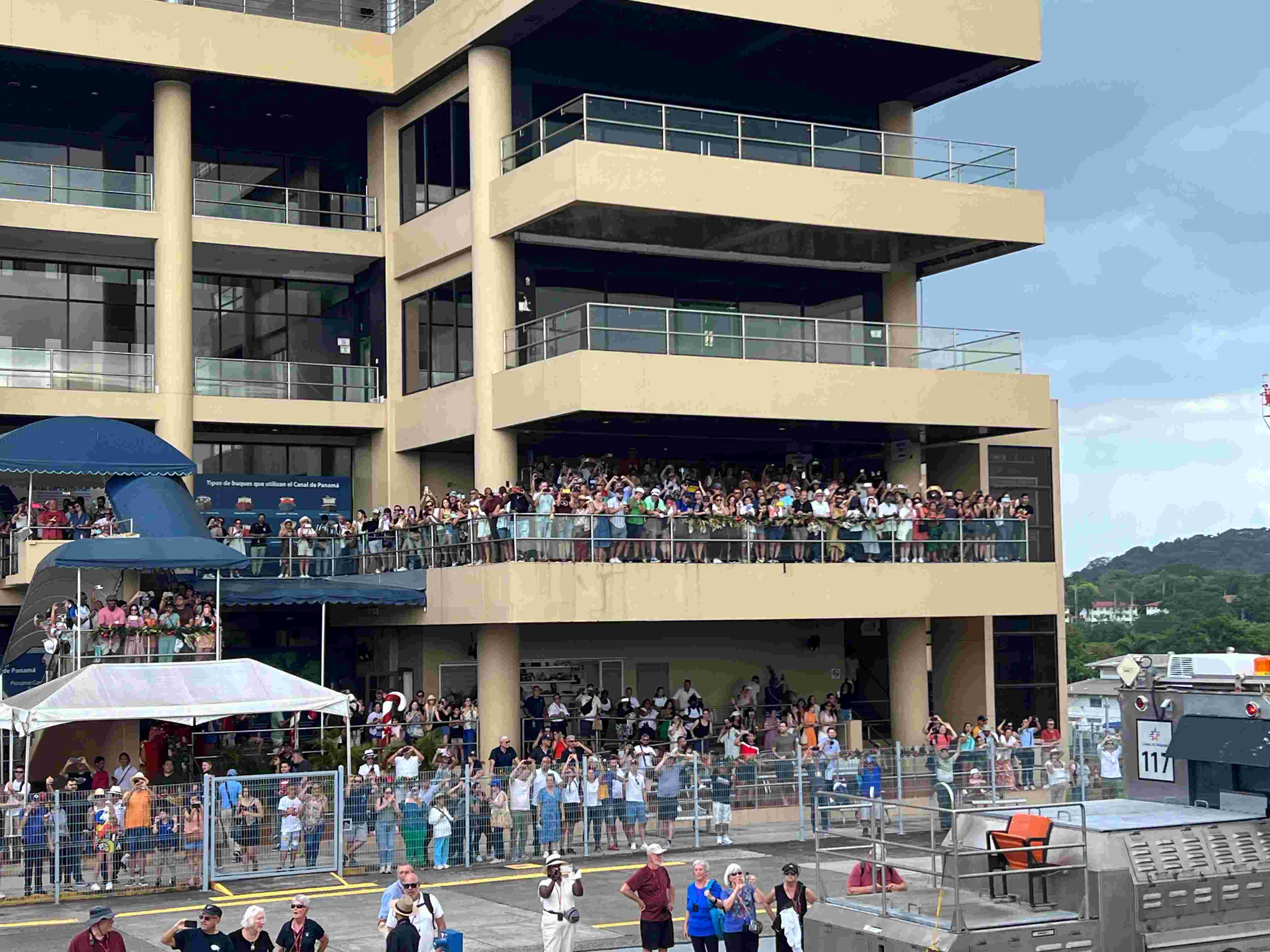
I had visited here when I was in Panama ten years before our canal crossing. I don't recall if the visitors gallery was as crowded as it was during our passing, but the fans were sure happy to see us go through the lock.
Facts about Panama #6: The Panama Canal is not the Only Engineering Marvel in the Country
In fact, there are a number of engineering marvels in the country in addition to the Panama Canal. Here is a description of a few of them:
Panama Canal Railway
The Panama Canal Railway is a railway line that links the Atlantic Ocean to the Pacific Ocean in Central America. The railway stretches 47.6 miles (76.6 km) across the Isthmus of Panama from Colón (Atlantic) to Balboa (Pacific, near Panama City). The construction of the railway was an international engineering achievement, costing US$ 8 million and the lives of an estimated 5,000 to 10,000 workers. The railway was opened in 1855, half a century before the Panama Canal was built, and was vital in assisting the construction of the canal in the early 1900s.
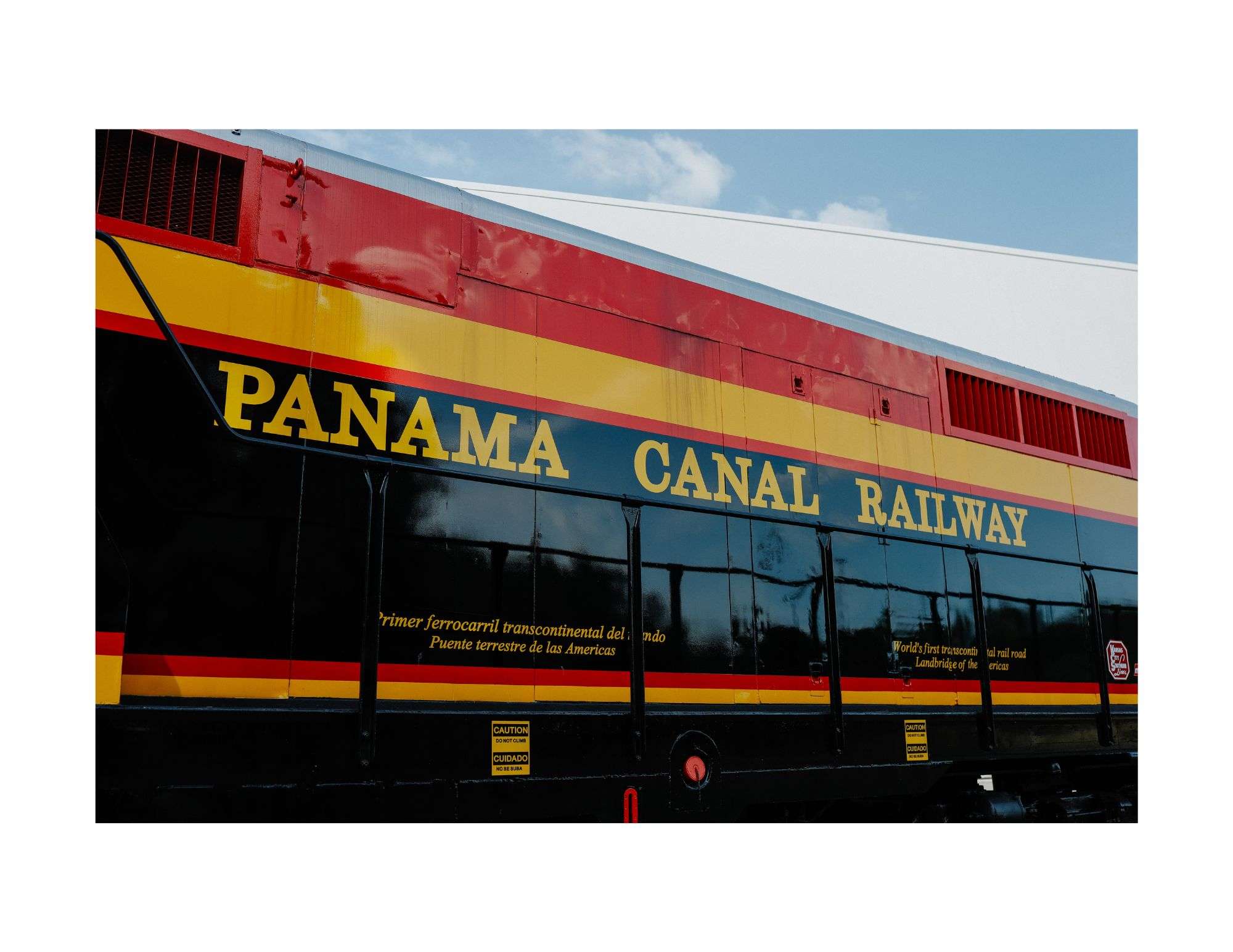
The Panama Railroad Company was founded in the 19th century and was later renamed as the Panama Canal Railway Company. The railway was primarily dedicated to freight transport, but it also operated a passenger service between Panama City and Colón.
The railway’s route was changed after the opening of the canal, as a result of the creation of Gatun Lake, which flooded part of the original route. Following World War II, the railroad’s importance declined and much of it fell into a state of neglect until 1998 when a project to rebuild the railroad to haul intermodal traffic began; the new railroad opened in 2001.
Centennial Bridge
The Centennial Bridge is a major bridge crossing the Panama Canal, located 15 km (9.3 mi) north of the Bridge of the Americas. It was built to supplement the overcrowded Bridge of the Americas and to replace it as the carrier of the Pan-American Highway. The bridge was inaugurated on schedule on August 15, 2004, although it was opened for traffic on September 2, 2005, when the new highways leading to it were finished. The Centennial Bridge is the second major road crossing of the Panama Canal, the first being the Bridge of the Americas. The bridge is a cable-stayed bridge with a total length of 1,052 m (3,451 ft) and a longest span of 420 meters (1,380 ft).

Amador Causeway
The Amador Causeway is a 6-kilometer-long road that connects the mainland of Panama City to the islands of Naos, Perico, and Flamenco in the Pacific Ocean . The causeway was built using soil excavated during the construction of the Panama Canal. It is named after Manuel Amador Guerrero, the first President of Panama.
The newly renovated land bridge is popular with walkers and cyclists, and it offers scenic views of the canal, the city, and the sea. The causeway is home to some of Panama’s top activities and attractions, including the Biomuseo, a museum that celebrates Panama’s incredible biodiversity. The Amador Bike Park caters to all levels of cyclists and offers four main areas, including a 4km cross-country trail that leads mountain bikers up to Isla Perico for fantastic views of the city.
For a day by the water, check into La Playita, the pool and bar area of a small hotel called The Beach House located between Isla Naos and Isla Perico. A $10 cover charge allows guests access to the pool and, when the tide is out, the beach too.
Facts About Panama #7: Biodiversity
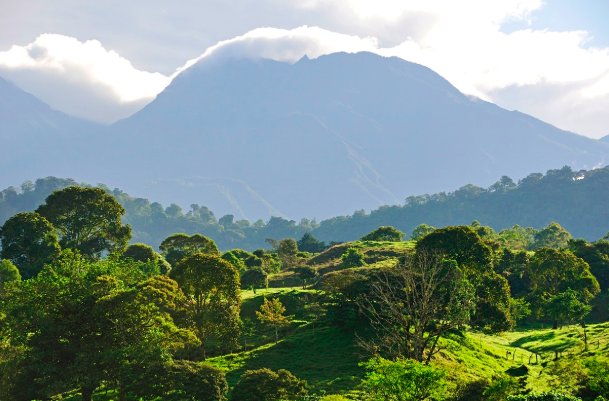
Panama has the largest rainforest in the Western Hemisphere outside the Amazon Basin. It is home to more than 10,000 species of plants and animals, including the harpy eagle, the national bird of Panama.
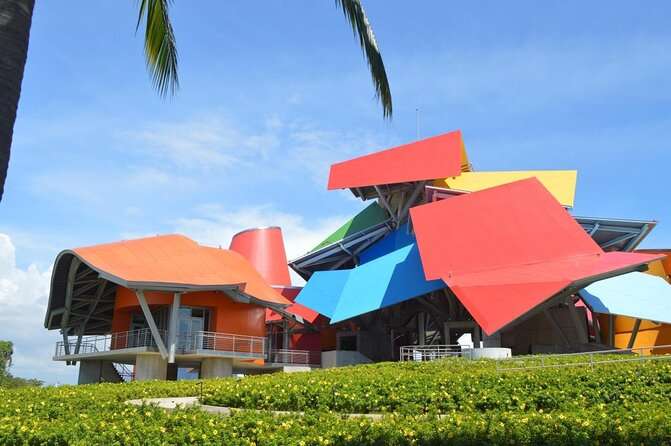
There are many places in Panama where you can experience biodiversity. One such place is Biomuseo in Panama City. It was designed by world-renowned architect Frank Gehry and tells the story of how the isthmus of Panama rose from the sea, uniting two continents, separating a vast ocean in two, and changing the planet’s biodiversity forever.
If you are interested in wildlife, you can visit Summit Botanical Gardens and Zoo. It is home to many species of animals, including jaguars, tapirs, and monkeys.
Another option is to visit San Blas and Bocas del Toro, two island regions on the Caribbean side of the country. They have beautiful clear water, white sand, palm trees, and lots of marine life. We visited The San Blas Islands, but our ship had an engine problem and we weren't able to reach Bocas del Toro.
Facts About Panama #8: Panama City
Surprisingly, Panama City has many skyscrapers due to several reasons. First, it is an important financial center, and businesses have built skyscrapers to avoid being out of luck in the event that their investments go bad. Secondly, the city is blessed with a temperate climate, which has helped to encourage the construction of skyscrapers. Third, Panama City is located in a region that is not prone to natural disasters such as hurricanes or earthquakes, which can wreak havoc on the engineering and construction costs of skyscraper projects.
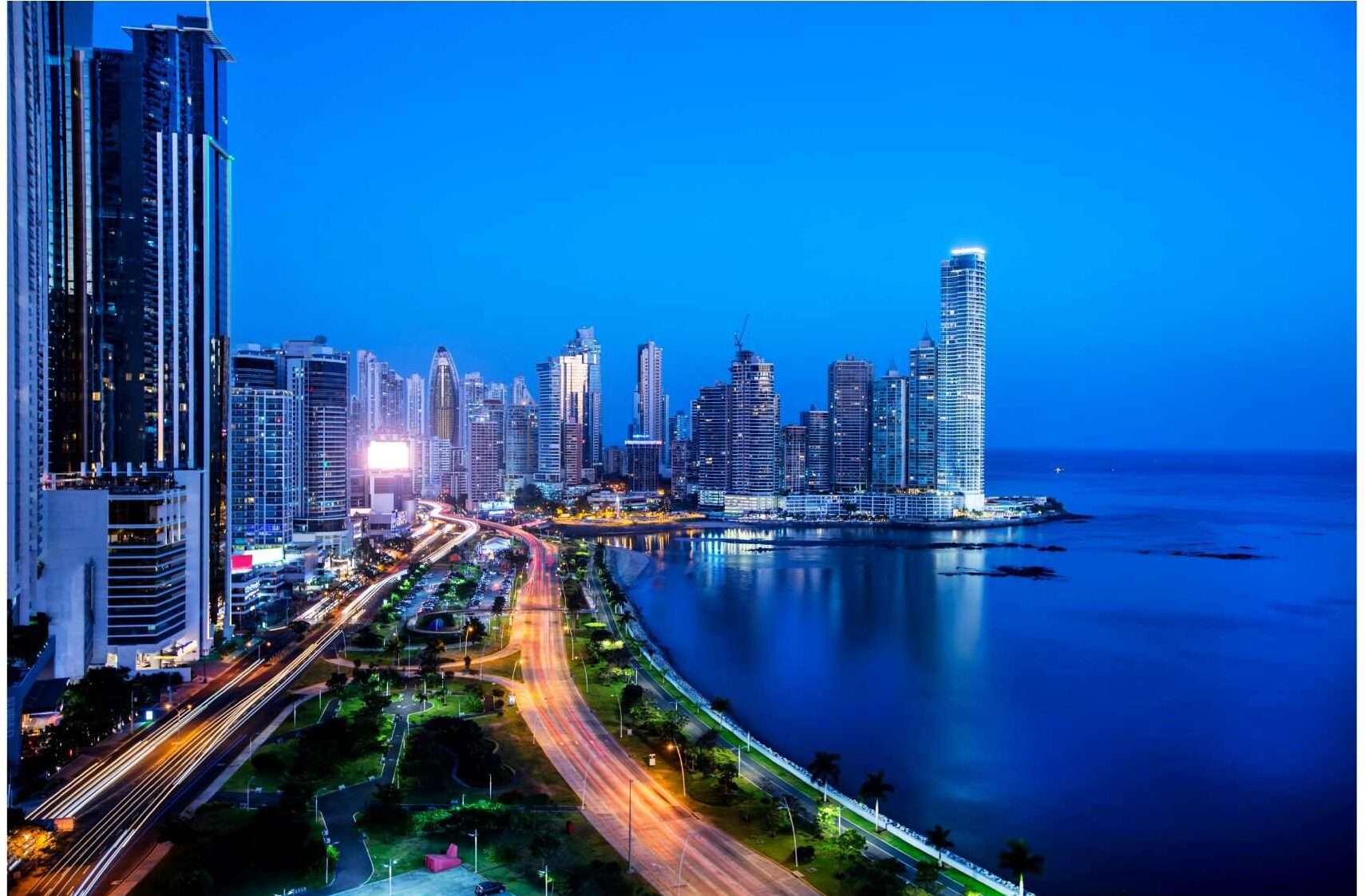
I first visited Panama in the 1980s when a flight I was taking from Miami to South America was diverted and I ended up staying overnight in the city. It was nothing then like it is today. The city’s skyline remained largely unchanged until the early 2000s, when it experienced a large construction boom, with new buildings rising up all over the city and two new tallest buildings since 2005. The tallest completed building in Panama City is The Ocean Club Tower - P.H. TOC JW Marriott Panama, which stands 284.4 meters (933 feet) tall.
Panana City Old Town: Casco Viejo
Panama City’s old town is known as Casco Viejo or Casco Antiguo. It is the historic and cultural heart of Panama City, and is considered a UNESCO Cultural World Heritage Site.
Casco Viejo is home to many attractions, including the Metropolitan Cathedral, which is located in the main square, Plaza Mayor. Officially named the Metropolitan Archcathedral Basilica of Santa María la Antigua, it was consecrated in 1796, although construction work began in 1688, 108 years earlier. It was designed by the military engineer Nicolás Rodríguez.
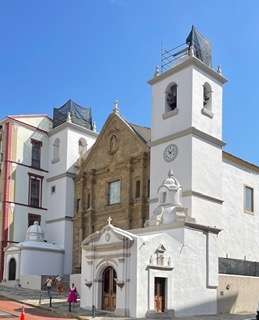
The Cathedral had many components moved from a previous church. After Santa María la Antigua del Darién was abandoned by order of Pedro Arias Dávila, who in 1519 had founded Panama on the shores of the South Sea, the cathedral of the new town inherited the transfer of insignia, bulls and relics from la Antigua del Darién. After Henry Morgan had sacked Panama in 1671, the city was transferred to the current Casco Antiguo of Panama City in 1673 and with this transfer the erection of the new cathedral was arranged.
The Interoceanic Canal Museum is another must-visit attraction, where you can learn about the epic saga of the Panama Canal. You can also learn more about the history of the Cathedral
In addition to its rich history, Casco Viejo is also a lively hub of gastronomy and nightlife. You can sample local delicacies, sip cocktails on rooftop terraces, and enjoy live music and art.
If you are interested in architecture, you can admire the colorful colonial architecture and picturesque brick-paved streets surrounded by colorful buildings.
Facts About Panama #9: Restaurants in Panama City
Panamanian cuisine is a delightful blend of African, Spanish, and Native American influences. The country’s diverse geography and climate have given rise to a wide range of ingredients and flavors that are unique to the region.
Gauchos Steak House

On the day we arrived at the Waldorf Astoria from the cruise ship, we were both craving a juicy hamburger, so we started walking to an English pub nearby. However, we spotted Gauchos Steak House across the street. Surely they would have a good burger. We were surprised to see a full-scale steakhouse with an open kitchen and smelled the smoky aroma of meat grilling. The dining room was comfortable with formal tablecloths and table settings at each seat. There is an elevated floor near the back of the dining rooms.
What started as an urge for a burger quickly evolved into a shared bone-in ribeye along with a classic Caprese salad. The specialty drink that day was a pitcher of red wine sangria, which was delicious. As you might guess, the ribeye was wonderful as was the charming service.
Azahar Panama
When we returned to the hotel, we sat down with the concierge to get some ideas of things to do and places to dine. Without hesitation, she insisted we must go to Azahar Panama, promising “you will love it!”
When it was time for dinner, she arranged for one of the employees to show us the shortcut; he brought us all the way to the restaurant. To say it was an unusual entrance is an understatement. Upon exiting the elevator, you walk through a flower shop and open the door to the restaurant. It was gorgeous with an amazing view.
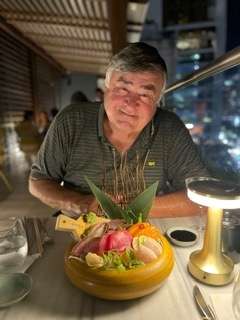
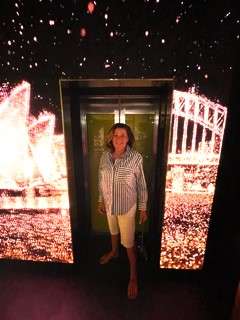
We were lucky to get an ocean view table on the balcony. The menu has everything from sushi, to traditional Panamanian dishes, to steaks and seafood. The inventive cocktails and dishes are more than reasonable in price. Looking inside you see a sushi bar which influenced our choices. The service, food and view were outstanding, so much so that we made a reservation for the following night as well. The head waiter proudly gave us a tour of the rest of the restaurant. Everything was sophisticated with beautiful lighting. As you leave and call the elevator, a vibrant video display of Moet and bubbles lights up the wall, perfect for a photo to remember this evening.
Exilio Bar at Hyatt's Hotel La Compania
The next day, we booked a tour of the Old Town through Get Your Guide. It would prove to be a blisteringly hot day with virtually no breeze for relief. While the tour was excellent (with a few blessed breaks from the heat when we visited churches), by the time it was finished, all we wanted was a nice air-conditioned lunch.

No luck with the local places, so we decided the Hyatt’s Hotel La Compania would have air conditioned dining. It did. Finding the Exilio Bar, we started with a cool drink, some Panamanian soup and a paella which we split. I’m not sure if it was the lunch or the air conditioning, but we felt fortunate to have found the hotel and especially the Exilio Bar. We were also intrigued with the obvious history of this gorgeous property.
Market Ristorante
Located an easy walk a block behind the Waldorf Astoria, you will come to a real find, Market Ristorante. It is a combination butcher shop, bakery, cheese monger, fish monger, wine merchant and prepared food merchant. But go a little further inside, you will see a bar and seating for a restaurant, frequented by locals and tourists alike. Market Ristorante is understated; you must have someone refer you to the place or you will walk by it.
Our meal was excellently prepared, from appetizers to fish and meat to dessert. The wine was also excellent. We loved seeing a large group of local young people at the next table, nicely dressed, taking photos of one another and having a nice dinner.
To see more about some of our favorite restaurants around the world, please see our posts Bib Gourmand vs Michelin Stars, or Ten Most Romantic Restaurants in Los Cabos, Mexico, or 19 Best Restaurants in Mid-Coast Maine, or Restaurants Near Houston Street, NYC.
Conclusion
Travel smarter, dine better and explore deeper: we'd love to share our handpicked insights and exclusive guides in our monthly newsletter below.
0 Comments