
Until you visit the place where a war was conducted, can you truly gain an understanding of war and the long-term impact of war on the people who live there? An interesting question, especially if you are interested in environmental degradation, the costs of war, or other historical narratives. However, as international tourists and individuals interested in the tourism industry and international tourism, your focus may be more on the negative or positive impact of recent wars on tourism as a future destination, sustainable development, or tourism development.
In any case, this post, in the form of a "Causes and Effects of War Essay," will examine the positive and negative impacts of recent wars (i.e., those that occurred in the 20th century). This post will help to answer the question by both discussing the places where wars have been conducted and by visiting museums where famous paintings, such as "The Consequences of War Peter Paul Rubens," and "Guernica," by Pablo Picasso, are displayed. Please note that the background painting behind the title is from the Rubens painting.
Contents
- 1 Why We Travel: To Become Better Educated and Learn About the Impact of Wars
- 2 Effects of Wars - Famous Paintings
- 3 Impact of Wars: The Vietnam War
- 4 Impact of Wars in Cambodia
- 5 Impact of Wars: The Great War and the Second World War - European Realignment
- 6 Impact of Wars in the Balkans
- 6.1 Impact of Wars Against the Ottoman Empire During the Middle Ages
- 6.2 Impact of Wars: Starting WWI in Sarajevo
- 6.3 Impact of Balkan Wars in the 1990s
- 6.4 Visoki Dečani Monastery.
- 6.5 Impact of Wars - The Siege of Sarajevo
- 6.6 Effects of War - Serbia and Croatia
- 6.7 Summary: Impact of the Wars in the Balkans
- 7 Impacts of War - Sri Lanka
- 8 Irreconcilable Conflicts in the Middle East
- 9 Summary - Why are the impacts of Wars Long-Lasting in Some Countries and Not all Conflicts
- 10 War Memorials
- 11 Conclusion
Why We Travel: To Become Better Educated and Learn About the Impact of Wars
One of the main reasons we travel is to become better educated. Robin and I have both lived on this planet for over 70 years. Yet, despite having lived through the 60s, the 70s, and the 90s, we realized how little we actually knew about those years and other tumultuous times. This became quite apparent when, during our own travel, we visited the conflict-affected countries of Southeast Asia and the Balkans and were confronted with the impact of wars in Vietnam and Cambodia.
Most recently, we lived through the Balkan Wars in the 1990s but didn't fully understand all that went on in those wars until we took our Balkan Tours in 2024 and 2025. See below for some conclusions of the Balkan Wars and view our post on the Balkans.
In addition, in 2025 we visited Colombo and Hambantota in Sri Lanka. We didn't observe much of the impact of the civil wars that occurred in the country from 1983 until 2009, since the fighting was primarily in the Northeastern part of the country. Nevertheless, like the Balkans, the impact of the wars is still felt strongly in the country. To learn more about the civil war in Sri Lanka, see below, and to learn more about Sri Lanka please see our post on the country.
During our travels, we have been personally moved by visits to memorials of many wars. For example, I am compelled to visit the Arizona and Missouri Battleships in Pearl Harbor whenever I am in Hawaii. And we have visited Nagasaki and Hiroshima in Japan. We have documented many of those memorials here, so please follow along, as there is much to share. We are also sharing our thoughts and feelings about the various memorials we visited. Some of our comments may be considered controversial, so we want to make sure you know that what we are saying are just our opinions.
Effects of Wars - Famous Paintings
Before we discuss some of the places we visited and our reactions to the effects of war on those countries, we want to highlight two paintings that we came across during our tours of famous museums in Europe. Both of these famous paintings depict the horrors of war in very practical, yet different ways—Rubens by drawing on Greek Mythology, and Picasso with his renowned Cubist modern art style.
Consequences of War Peter Paul Rubens
Rubens painted Consequences of War between 1638 and 1639 in response to the Thirty Years' War (1618–1648). The conflict's origins are complex and diverse, but animosity and conflict situations between Protestants and Catholics played a significant role. As depicted in "Consequences of War Peter Paul Rubens," the fighting led to the destruction of large areas of Europe, as well as outbreaks of both pestilence and famine. Much of the fighting took place in the German states, which suffered significant depopulation as a result.

Guernica - Pablo Picasso
- Subject: The painting is a protest against the brutality of war, particularly the bombing of civilians. The Republican government commissioned it for the 1937 Paris International Exposition.
- Style: Executed in a monochromatic palette of black, white, and gray, the painting uses Cubist style to convey its message.
- Symbolism: Guernica is rich in symbolism, including a bull, a horse, a light bulb resembling an eye, and a woman with a lamp, which can represent hope or a witness.
- Legacy: It has become one of the most famous and influential anti-war paintings in the history of art. A tapestry version hangs at the United Nations in New York as a reminder of the consequences of war.
- Current Location: The painting is currently housed at the Museo Reina Sofía in Madrid, Spain.

Impact of Wars: The Vietnam War
Of all the places we have visited in the 21st century, and of the wars that have impacted the world over the past century, none have had a greater impact on us than our visits to Vietnam and Cambodia. Perhaps because we lived through it, and also because the USA was so involved in this international war. Nevertheless, as this picture demonstrates, it is amazing how people, in some cases, can forget the horrors of the past, create a positive peace, and focus on future goodwill. Unfortunately, this is not true in all cases, as evidenced by our other visits, particularly in the Balkans and Estonia, where the war is not so distant. The impact of wars, essentially any military conflict, is that they instill fear and hatred in people towards their former enemies.
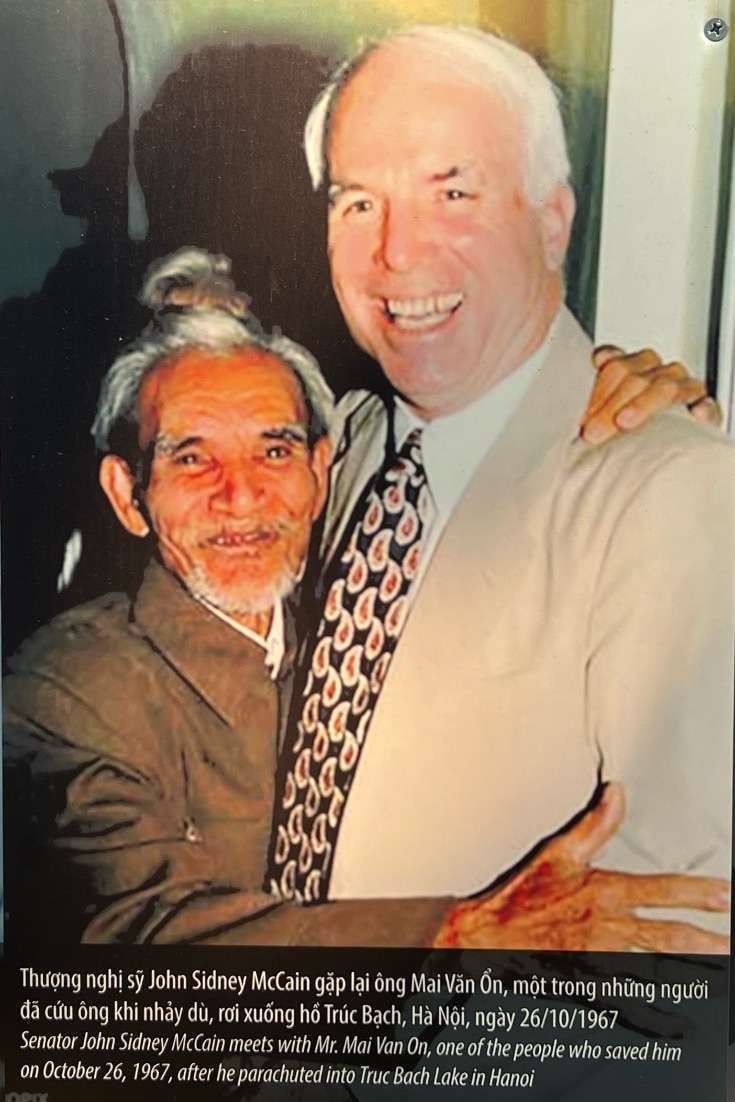
At many of the cultural sites in Vietnam, the impact of wars could be seen. This was particularly true in Hue, where the Viet Cong had hidden in the Citadel. Also, we met people who had lived through the war and, in some cases, suffered from either war wounds or the aftereffects of exposure to Agent Orange or other toxic exposures.
But surprisingly, the people we met did not show resentment to people from the United States. In fact, despite the damage done to the country and to individual people, there was a genuine sense of friendship. Perhaps time has healed the wounds of war that were so apparent when studying the history of the war.
We recently viewed the excellent PBS series on the Vietnam War by Ken Burns. Ken brought home the true horror and the unnecessary nature of this war. It filled in the gaps we both had about power shifting and political dishonesty. It made it more obvious the true forgiveness of the Vietnamese people.
Impact of Wars in Cambodia
However, the impact of wars is much more visible in Cambodia. Here, the Khmer Rouge had virtually eliminated the elderly Cambodians. While there, we met two individuals who had survived, Bou Meng and Chum Key. The men are now in their 80s and 90s. They had been tortured and spent time in captivity at the infamous prison S-21 in Phnom Penh. They lived because they had skills that the Khmer Rouge liked. Bou Meng painted pictures of the Khmer Rouge leader Pol Pot. Chum Key was a mechanic who could fix machines.


When we visited the "Killing Fields" Phenom Penh, we were horrified by what we saw. No other war memorial place that we have visited anywhere else in the world, had such an effect on us. Literally, the area where the killing had taken place skulls and bones from the deceased were displayed and still very visible.


 Everyone we met in Cambodia had a story to tell about those years in the late 70s. We were told stories by young Cambodians about parents who were taken away and never seen again. One of our guides told us how he survived by growing up in a refugee camp.
Angelina Jolie recently released a movie titled "First They Killed My Father: A Daughter of Cambodia Remembers."
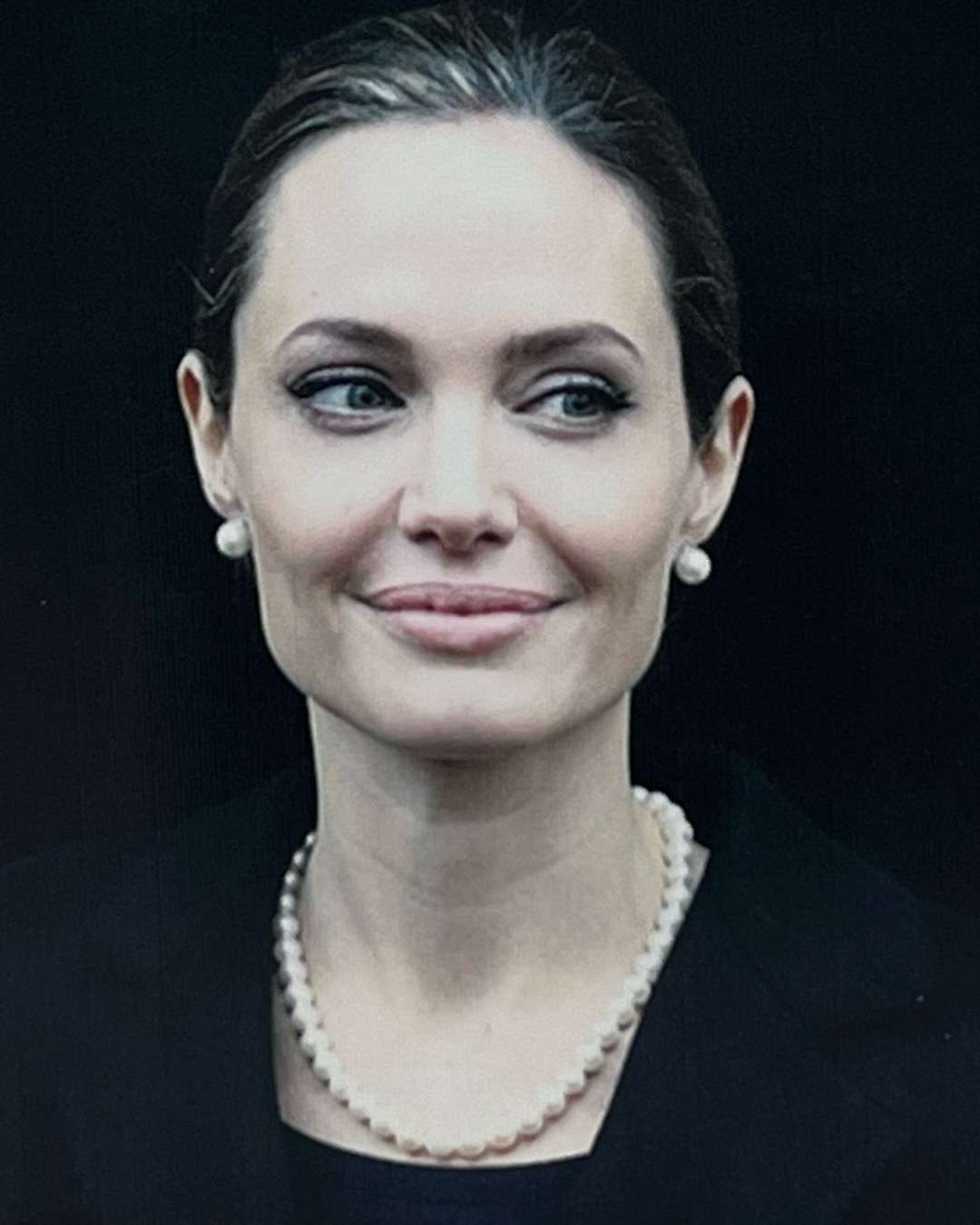
The movie is a screen adaptation of Loung Ung's memoir, also titled "First They Killed My Father." Angelina used local actors and even her adopted Cambodian son, Maddox Jolie-Pitt as an executive producer, to create the film. Critics loved the film. Roger Ebert named this film the second-best film of the year.
![(First They Killed My Father: A Daughter of Cambodia Remembers) [By: Ung, Loung] [Sep, 2001]](https://m.media-amazon.com/images/I/51QnEIlBMRL._SL500_.jpg)
Effects of War: WWII & Japan
Much like when we visited Vietnam, we were apprehensive about how, as Americans, we would be welcomed in Japan, especially in Hiroshima and Nagasaki. Fortunately, all was good, and we welcomed hearing about the Japanese version of why they started WWII against the United States. We won't provide the details; you will need to take a tour in Hiroshima to get their explanation. Here is the tour we took with GetYourGuide.

This tour is a great walking tour of the area where the atomic bomb was dropped in Horoshima, and a visit to the Peace Memorial. Highly recommended.
Impact of Wars: The Great War and the Second World War - European Realignment
It is possible that the most significant impact of wars occurred at the end of World War II with the realignment of the European continent. Clearly, allowing Russia to control so much of Eastern Europe in its authoritative, communist style impacted more people than perhaps even the war itself. This was most evident in Estonia, where the deaths from Stalin's Communist rule caused as many, if not more, deaths and damage than the German occupation. We didn't realize that until we actually saw the memorial in Estonia to honor all who died in resistance to the Russian, not the German, occupation. Furthermore, the impact of the USSR in most Eastern European countries is still evident in the Stalinist-style apartment buildings in the major cities, where people were forced to live after the government forced them out of their homes.
The lasting impact of the Soviet Union in countries like Estonia and Ukraine is most visible in demographics, identity politics, and security tensions—especially where large Russian-speaking populations remain. Soviet rule did not simply govern these regions; it actively reshaped them through migration, repression, and cultural engineering. As a result, independence did not erase Soviet influence but instead exposed unresolved questions about language, loyalty, and national belonging.
One major legacy is demographic and linguistic division. During the Soviet era, large numbers of ethnic Russians were relocated to republics like Estonia and Ukraine to support industrialization and strengthen Moscow’s control. After independence, these populations did not disappear. In Estonia, this created a sharp divide between ethnic Estonians and Russian-speaking minorities, leading to contested citizenship laws and language requirements. In Ukraine, Russian language and identity remained especially strong in the east and south, allowing Moscow to frame itself as a protector of Russian speakers—an argument later used to justify political pressure, intervention, and ultimately war.
Another enduring impact is institutional and psychological. Soviet governance discouraged local political autonomy and normalized centralized power, surveillance, and distrust of the state. Post-Soviet countries had to rebuild democratic institutions while simultaneously redefining national identity—often under the shadow of Russian influence. In Ukraine, this struggle became existential, as Soviet-era narratives and networks were actively leveraged to undermine sovereignty. In Estonia, strong integration with NATO and the EU helped limit this pressure, but tensions persist. In both cases, the Soviet legacy shows that when an empire collapses without fully addressing identity, borders, and historical trauma, its influence can continue long after the flag is lowered.
Realignment of Transylvania after WWI
However, there was also a significant realignment after World War I, when Transylvania was transferred back from Hungary to Romania. Before the Great War, Transylvania had been part of the Kingdom of Hungary for approximately 900 years.
-
It became an integral part of the Hungarian Crown around 1000–1003 AD, under King Stephen I of Hungary.
-
It remained under Hungarian rule (though sometimes semi-autonomous) until the end of World War I.
Unlike the realignments after WWII, did realigning Transylvania with Romania leave any long-term scars?
Short answer: no, it’s not entirely true—but compared to many border changes, the realignment of Transylvania with Romania did avoid large-scale, violent long-term conflict.
When Transylvania was transferred from Hungary to Romania after World War I (Treaty of Trianon, 1920), it left significant political and cultural scars, especially among the ethnic Hungarian population. Over one million Hungarians suddenly became a minority in a new state. Grievances over language rights, education, land reform, and political representation persisted throughout the interwar period and resurfaced under different regimes. Hungary, meanwhile, viewed the loss of Transylvania as a national trauma—a sentiment that still shapes Hungarian politics and identity today.
However, the key difference is how those tensions evolved. While discrimination and mistrust existed, they did not spiral into prolonged insurgency, civil war, or mass ethnic cleansing after World War II. Communist rule froze ethnic conflict rather than resolved it, but it also prevented open violence. After 1989, Romania gradually expanded minority rights, allowed Hungarian-language education, and integrated into the EU—creating institutional pathways for grievance management rather than armed resistance.
So, Transylvania was not scar-free; it carries enduring cultural, political, and emotional wounds, particularly for Hungarians. But compared to cases like the Balkans, the Caucasus, or parts of the post-Soviet space, those scars did not harden into chronic instability. This supports the broader theme: when borders shift without ongoing exclusion, militarization, or unresolved identity wars, the damage—while real—can remain manageable rather than explosive.
Impact of Wars in the Balkans
In 2024, we conducted a tour that started in Greece and traveled through Albania, North Macedonia, Kosovo, Montenegro, and Bosnia & Herzegovina. Our tour guide was an Albanian Christian, even though most of the population in Albania and many of the countries we visited are Muslim. He got along with everyone quite well, but there was always a feeling of tension among people of different backgrounds.
Impact of Wars Against the Ottoman Empire During the Middle Ages
Many of the wars fought in these countries were influenced by religious beliefs. During the years of Ottoman rule, the locals consistently made efforts to resist Ottoman expansion. Ali Pasha of Ioannina was a 19th-century Muslim leader. Surprisingly, Albanians revere Muslim leaders, such as Ali Pasha of Ioannina, for their resistance to Ottoman expansion. Ali Pasha's military prowess and diplomatic skills were his great strengths. He managed to extend his control over various regions, including parts of Albania, Epirus, and Macedonia, through strategic alliances and military campaigns. His rule brought economic development to the area. He invested in infrastructure, such as roads and buildings, which facilitated trade and commerce.
The Albanians also recognize Skanderbeg as a great leader. He was born Gjergj Kastrioti and was originally a Christian. The Ottomans captured him at a young age and converted him to Islam. He served in the Ottoman military. However, when he returned to Albania, he renounced Islam and reverted to Christianity. He aligned with Italian leaders from Naples and then led a Christian resistance rebellion against the Ottoman Empire in what today is Albania, North Macedonia, Greece, Kosovo, Montenegro, and Serbia. Skanderbeg's palace in Krujë is an interesting place to visit. It sits high on a hill overlooking the city. We visited it in 2024, and we described it in our Albanian Post.
Similarly, in Romania, we traveled around the country and spent time in Transylvania in late October of 2025 to learn about Vlad the Impaler, also known as Dracula. He is very famous in the country for also fighting against the Ottomans. To learn more, see our post: "10-Day Itinerary in Romania."
Impact of Wars: Starting WWI in Sarajevo
When visiting Bosnia & Herzegovina, we stayed overnight in Mostar and took a day trip to Sarajevo. This was the first time in all our travels through the Balkan Muslim-majority countries that we saw visible indications of the Islamic religion, as women were wearing scarves and hajibs. This more visible showing of symbols of Islam is the result of a long-standing lack of trust among the Bosnian people towards those of other beliefs, an impact of wars for many years in the Balkans.
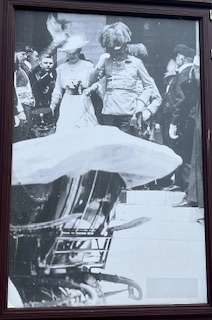
Sarajevo remembers the assassination of Archduke Franz Ferdinand. It was one of the key events that contributed to the outbreak of World War I. Bosnian Serb student Gavrilo Princip assassinated Archduke Franz Ferdinand of Austria, heir presumptive to the Austro-Hungarian throne, and his wife, Sophie, Duchess of Hohenberg, in Sarajevo on 28 June 1914.
Impact of Balkan Wars in the 1990s
Before we visited the Balkans, we thought the Balkan Wars of the 1990s were primarily the Serbians wanting to keep all the countries together as they were during the Yugoslavian era. We believed that the Kosovo Conflict in the late 1990s was about ethnic cleansing. And while that is true, it has left most Muslims fearful to this day of the Serbians. However, as with most things, there are two sides to every story.
Visoki Dečani Monastery.
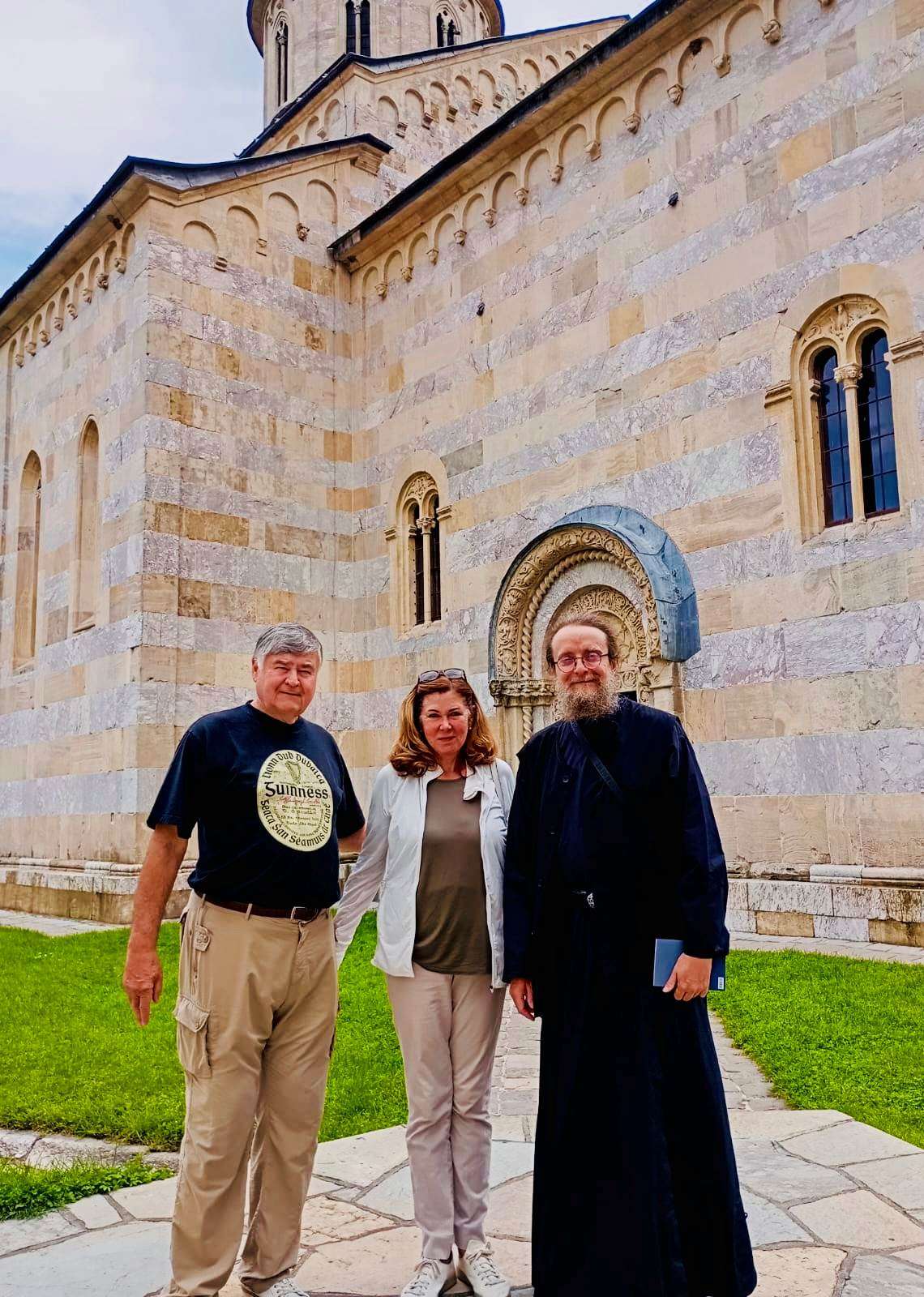
While in Kosovo, we visited the Visoki Dečani Monastery. The Serbian King, St. Stefan of Dečani, built the Monastery in 1335. It is a UNESCO World Heritage Site and holds significant meaning for Orthodox Serbian Christians. It is a very spiritual place, and we felt it when we were there.
Dečani possesses a unique church constructed in Romanic, Gothic, and Byzantine styles. The church has more than 1000 well-preserved original frescoes. It has been a target of conflict situations, as the monastery has been targeted by Islamic Fundamentalists who have entered Kosovo since the Serbian Wars.
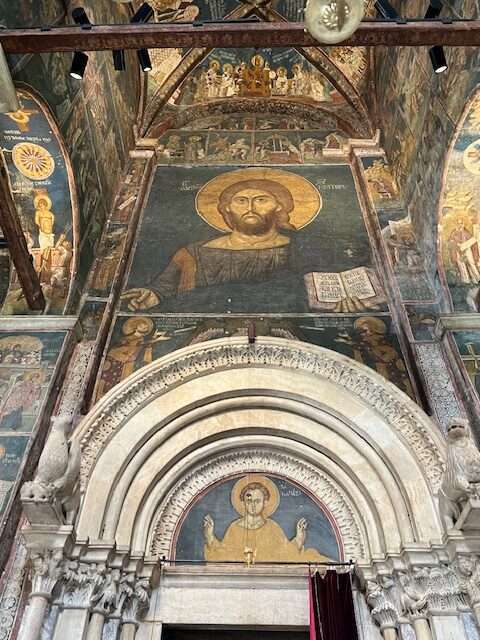
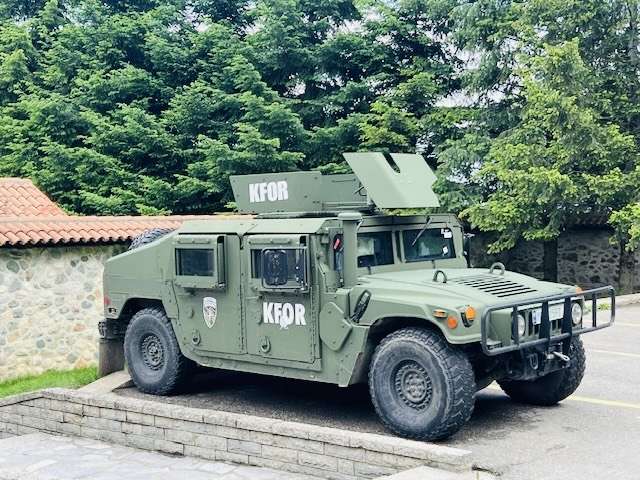
. NATO forces still to this day protect the monastery to provide a safety barrier against future attacks. To visit, you must leave your passport with the NATO guards.
Impact of Wars - The Siege of Sarajevo
While in Sarajevo, we toured the Tunnel of Hope, also known as the Tunnel of Hope (Tunel Spasa). This tunnel, which crossed the Sarajevo Airport, was used to bring food, humanitarian aid, and weapons into Sarajevo. It now serves as a museum, preserving the memory of the city’s resilience. It is also a remembrance of the severity of the war and the siege of Sarajevo. This has made many Bosnian Muslims wary of the Serbians and their future intentions.
Effects of War - Serbia and Croatia
In 2025, having extensively visited the Western Balkan Countries the previous year, we decided to venture east from Budapest in Hungary and begin exploring the Eastern Balkan Countries, including the eastern region of Croatia, as well as Serbia, Bulgaria, and Romania. This leaves Moldova as the only Balkan country that we have not visited, as it was too close to the current War in Ukraine for our comfort. Once the war is finally ended, we hope to see both Moldova and Ukraine and report on the more recent effects of the war. In the meantime, what we learned in Croatia and Serbia was a complete contrast to what we had previously understood about the Balkan Wars.
In the Eastern Region of Croatia, we visited the towns of Osijek & Vukovar, near the Serbian Border. Here, unlike the Western Region of Croatia, where there was less fighting, we witnessed significant effects of Croatia's War of Independence. This region of Croatia incurred aggressive behavior and a massive attack and siege during the 1990s, resulting in thousands of deaths from the Serbian Army. There was a definite sense that all has not been forgotten. Many Serbian's still live on the Croatian side of the Border, and to this day, there remains separation and hatred between the Serbs and Croatians. This is a significant issue, as there is a sense that war could break out again.
Summary: Impact of the Wars in the Balkans
Because of the role of the European Union, as a force to find of Russian aggression in this part of Europe, the reconciliation level in the Balkans among the various ethnic groups is better than in some of the ethnic conflicts described below. Nevertheless, long term violent behavior is still possible given the need for continual NATO peacekeeping presence to protect against violent behavior from terrorist organizations. Terrorist groups, rather than ethnic wars, can also be a negative long term impact of terrorism effecting future generations.
Impacts of War - Sri Lanka
In many of the places we visited, there are incredible historical sites, and war memorials that recall the impact of wars. Pearl Harbor in Hawaii, Civil War sites throughout the United States (such as Gettysburg), Omaha Beach and Utah Beach in France, or the Korean and Vietnam Memorials in Washington, DC, are all places we have visited. The Arlington National Cemetery, also known as the National Memorial Cemetery of the Pacific, also referred to as the "Punchbowl" or the Normandy American Cemetery and Memorial, will bring a tear to your eye.
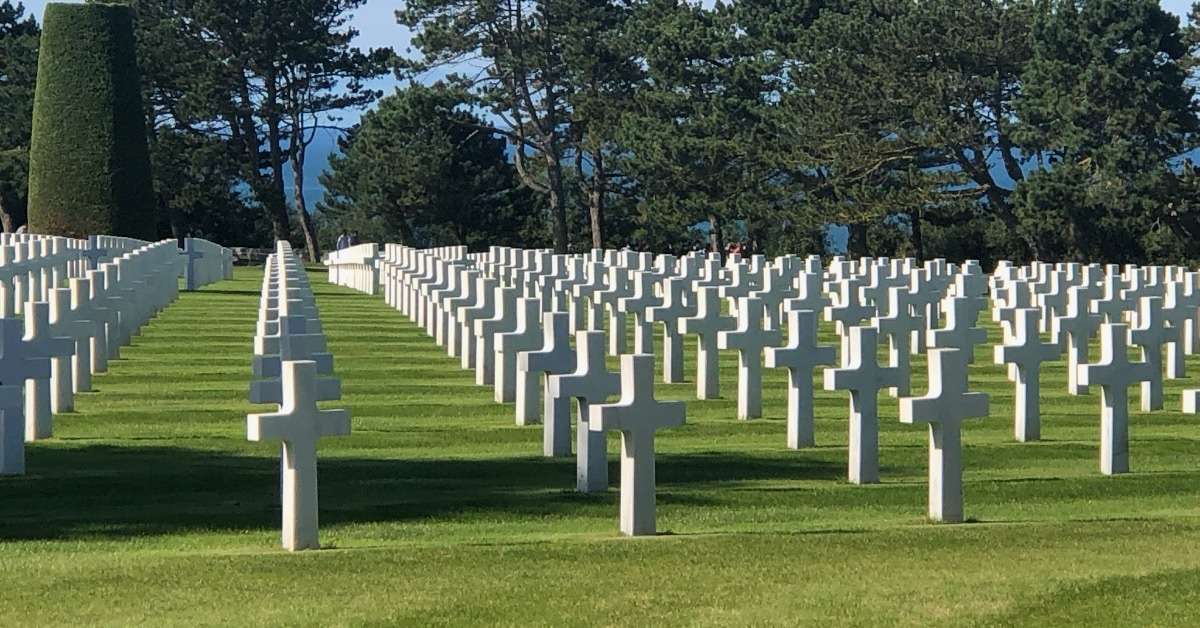
Most war memorials are all about remembering the people who gave their lives to fight for freedom. The memorials in Japan and Nagasaki are more focused on stopping future nuclear wars. The eternal flame in Hiroshima, which will not be extinguished until there are no more nuclear weapons, like the paintings that we discussed earlier in the post, is an excellent example of that kind of memorial that says why war is bad.

The memorials we saw in places like Osijek & Vukovar in Eastern Croatia, as well as those in Estonia, are a beautiful way to show respect for the people who died fighting for freedom. Still, they also convey another message about fear. In Estonia, it was about the fear of the Russians returning and attempting to retake control of their country, much like they are currently doing in Ukraine. In Eastern Croatia, we felt the fear and hatred of perhaps another war with the Serbians. Unfortunately, it overshadowed the remembrance of the people who fought for their freedom.
War Memorials in New Zealand and Australia
But what made us very curious as we traveled around the world were the war memorials in New Zealand and Australia, particularly those dedicated to WWI. In fact, we found only WWI memorials in New Zealand, which led us to ask, Why? Also, why WWI? The Pacific was not a battleground for WWI. Well, we got answers to both our questions, clearly demonstrating our lack of historical knowledge.
Impact of Wars - Why WWI? Answer: Great Britain
Great Britain was still in control of New Zealand and Australia at the time of WWI. They ordered many people in both countries to support the mother country in its war in Europe. Many Australians and Kiwis died fighting in Europe.
The Te Papa Tongarewa Museum in Wellington is New Zealand's national museum. It contains a major WWI exhibit. We learned that many soldiers from both New Zealand and Australia died in a major WWI battle in Gallipoli, Turkey. The museum features impressive reenactments of the battle and the challenging times the soldiers endured during their stay.
In New Zealand, Why Only WWI?
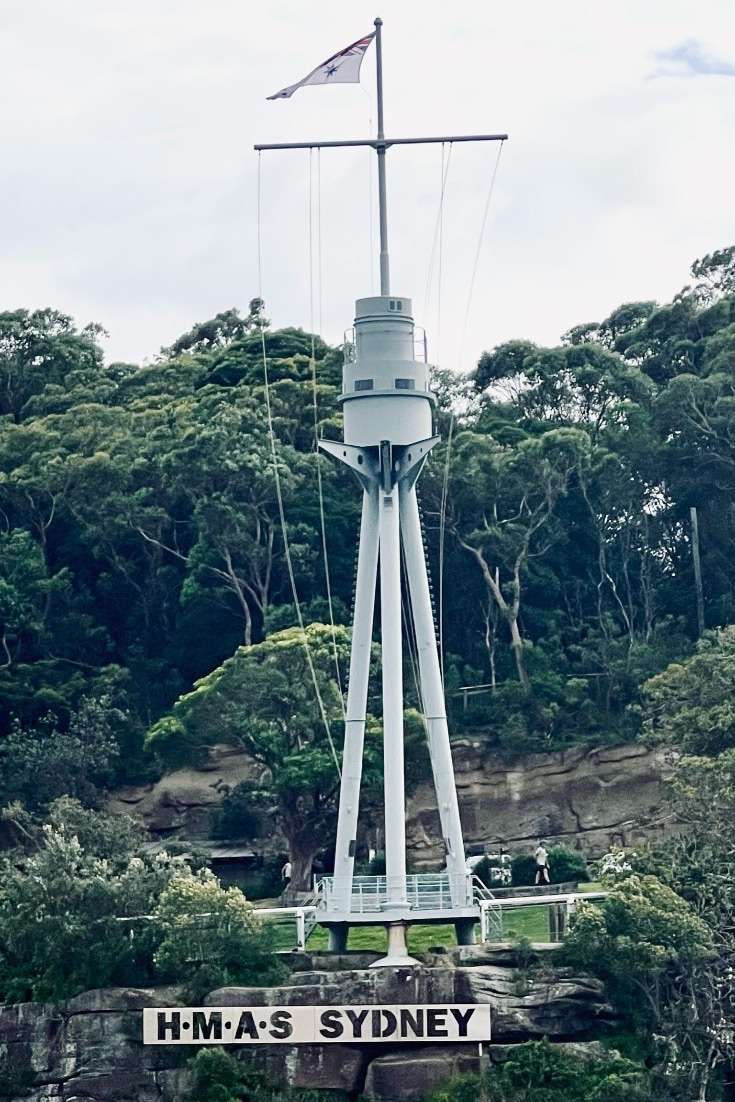
The real mystery for us was why the memorials in New Zealand were only for WWI? Well, we didn't get our answer to that question until we got to Australia. There, we learned that while the Japanese attacked Australia in WWII, New Zealand was not attacked. As a result, Australia was entirely in WWII and has memorials to that effect, but New Zealand, now independent of Great Britain, chose to sit it out. We didn't sense any hard feelings in Australia about that decision, but our guide in Sydney, who was a history buff, clearly made us aware of the historical fact. He also pointed out the Australian World War II Memorial, pictured to our left.
Conclusion
As our journey through war-torn lands, memorials, and art has shown, the impact of wars extends far beyond the battlefield. Whether we’re standing in the shadow of the citadel in Hue, walking the halls where the horrors of the Khmer Rouge unfolded in Phnom Penh, or reflecting on the strokes of Pablo Picasso in Guernica, we witness how war reshapes hearts, cultures, and landscapes alike. It reminds us that history is alive in every memorial plaque, in each survivor’s voice, and in the layers of memory we carry with us as travelers.
When we travel with our eyes open, we don’t just check another destination off the list — we engage with stories of resilience, loss, hope, and healing. We learn how communities remember and rebuild, how art and architecture reflect trauma and transformation, and how the human spirit continues to strive for peace. In doing so, we bring home more than just photographs — we gain understanding, empathy, and perhaps a small glimpse of how we might contribute to a more peaceful world.
So, as you plan your next trip — whether to the silent fields of Europe, the busy streets of Vietnam, or the quiet corners of the Balkans — consider pausing for the stories behind the sights. Let curiosity lead you not only to discover places, but to understand them. Travel well, travel deeper, and may your adventures leave you richer in perspective, shaped by the places where history still speaks.
0 Comments