
Contents
- 1 Where are Kagoshima, Nagasaki & Hiroshima?
- 1.1 Map of Southern Japan
- 1.2 Important Places in Japan: Hiroshima & Nagasaki Bombings
- 1.3 Traveling Hiroshima to Tokyo and Southern Japan
- 1.4 Things to do in Hiroshima Japan – Tour of Hiroshima
- 1.5 Hiroshima Nagasaki Bombings
- 1.6 The Peace Memorial Park and Museum Recall the Hiroshima Nagasaki Bombings
- 1.7 Other Things to do in Hiroshima City: Mazda Museum
- 2 Japanese Perspective of WWII
- 3 Japanese Perspective of Americans
- 4 Important Places in Japan: Things to Do in Kagoshima
- 4.1 Things to do in Kagoshima: Excursion to Samurai Gardens & Chiran Peace Museum, Home of the Japan Kamikaze Pilots
- 4.2 Chiran Gardens
- 4.3 Chiran Peace Museum; Home of the Japan Kamikaze Pilots
- 4.4 Important Cities of Japan: Returning to the Kagoshima City
- 4.5 Sengan-en Garden and House
- 4.6 Things to Do in Kagoshima: Observatory
- 4.7 Things to Do In Kagoshima: Museum of the Meiji Restoration
- 4.8 Departure from Kagoshima
- 5 Important Cities of Japan: Nagasaki
- 6 Departing One of the Important Places in Japan: Nagasaki
Where are Kagoshima, Nagasaki & Hiroshima?
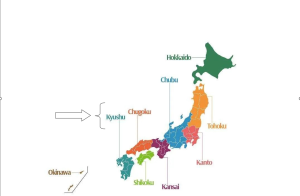
You may ask, “Where are Kagoshima, Nagasaki & Hiroshima? Two of Japan’s regions comprise what we are calling Southern Japan, and that is where you will find the two cities that were bombed to end WWII, plus Kagoshima, which played a critical role in WWII. They are:
- Chugoku: Home to Hiroshima, in Honshu Island in Southern Japan.
- Kyushu: The Island of Kyushu hosts the cities of Kagoshima and Nagasaki, and, like Hiroshima, is a must-visit if you want to understand Japan’s perspective of WWII.
In this article, we will focus on these three cities in Southern Japan: Hiroshima, Nagasaki, and Kagoshima. We visited the lesser-known town of Kagoshima twice, and we will highlight “things to do in Kagoshima” and “things to do in Hiroshima, Japan,” as well as discuss Nagasaki. In each city, our guides told the story of Japan’s role in WWII from the Japanese perspective. We’ll do our best to share that information as we discuss each of the three cities. Here is what you can find in the three towns on the “Map of Southern Japan:”
Map of Southern Japan
Important Places in Japan: Hiroshima & Nagasaki Bombings
When you think of Hiroshima and Nagasaki you think of one thing: the Hiroshima and Nagasaki atomic bombings. It is only natural. However, Hiroshima and Nagasaki are deeply significant important cities of Japan, offering a mix of history, resilience, and cultural richness. Here’s why they’re worth visiting:
- Historical Reflection – Both cities house powerful memorials, including the Hiroshima Peace Memorial Park and Nagasaki Peace Park, which honor the victims of the atomic bombings and promote global peace.
- Museums & Education – The Hiroshima Peace Memorial Museum and Nagasaki Atomic Bomb Museum provide moving exhibits that detail the events of 1945 and their lasting impact.
- Cultural & Scenic Beauty – Nagasaki’s Mt. Inasa offers breathtaking views, while Hiroshima’s Miyajima Island is home to the iconic floating torii gate.
- Resilience & Recovery – Both cities have transformed into vibrant, thriving communities, showcasing Japan’s ability to rebuild and move forward.
Traveling Hiroshima to Tokyo and Southern Japan
The most popular way to travel between Hiroshima to Tokyo and the other cities in Southern Japan is to travel on the high speed Bullet Train (Shinkansen) and to use the JR Pass.
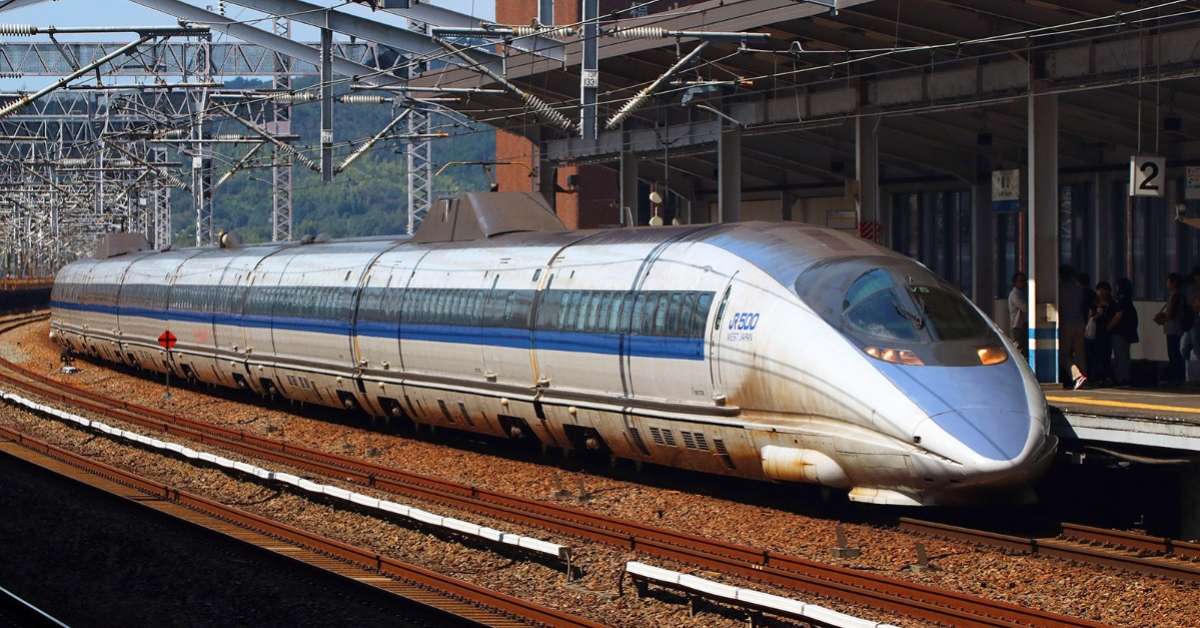
The train will leave Hiroshima Station and arrive in the Tokyo Train Station between four and five hours later. The cost is between $120 and $135 USD one way, but can be included in the JR Pass. In addition to taking the train direct between Tokyo and Hiroshima, with a connection you can also go between Tokyo and Kagoshima taking about seven hours. The connection to Nagasaki is more complicated and requires a connection from Tokyo in Hakata (Fufuoka) and then a limited express train to Nagasaki.
For more information about the Shinkansen and the JR Rail pass please see our Japan for First-timers Post.
Public transport is available in Hiroshima, but we found the connections from the cruise terminal to the city center of Hiroshima where the Hiroshima Peace Memorial is located to be a bit complicated and lengthy. So, we took a taxi into the City of Hiroshima which was not very expensive. A ride share service is also available and fares can be paid with a credit card on both the ride-share service and in the taxis.
Things to do in Hiroshima Japan – Tour of Hiroshima
In order to truly understand Hiroshima, we recommend a guided tour of Hiroshima, similar to the one that we took when we visited. We had an excellent Hiroshima Travel Guide and we recommend that you find one as well on Get Your Guide.

We took this walking tour when we visited Hiroshima in 2025 and we highly recommend it. The tour guide will likely provide you with a good understanding of Japan's view of WWII.
Hiroshima has a profound and emotional history tied to World War II. On August 6, 1945, it became the first city to be devastated by an atomic bomb, dropped by the United States in a bid to end the war. The decision to bomb Hiroshima was influenced by its military significance—being home to major army bases and logistical hubs. The bombing resulted in devastating human and environmental loss, leading to Japan’s eventual surrender and the end of World War II.
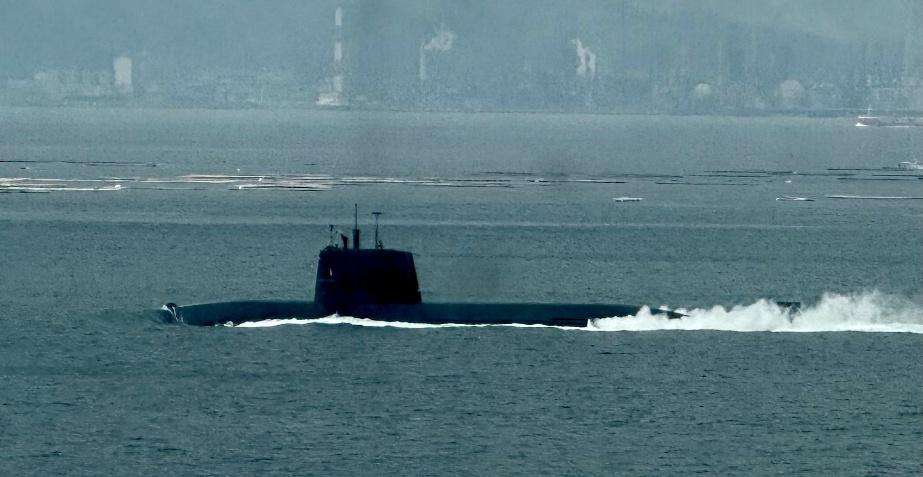
Hiroshima was largely destroyed by the atom bomb. Today it has been rebuilt into a surprisingly large modern city. Our visit to Hiroshima started with Our first reminder of WWII and the Hiroshima Nagasaki Bombing when we saw this Japanese submarine on our entry to the port.
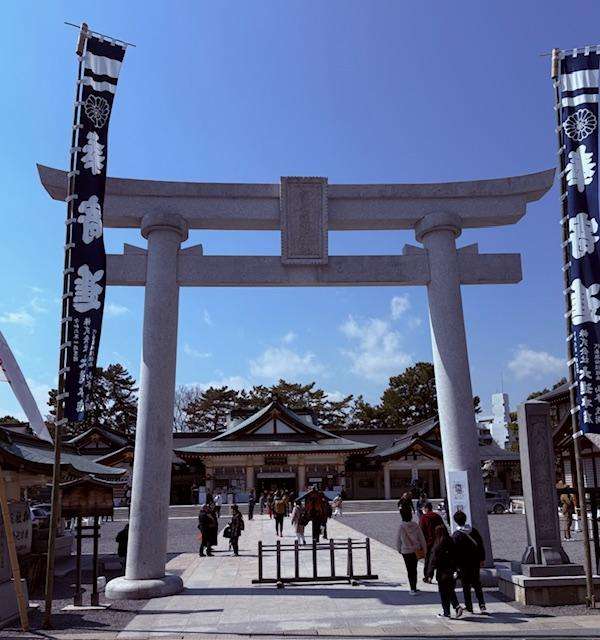
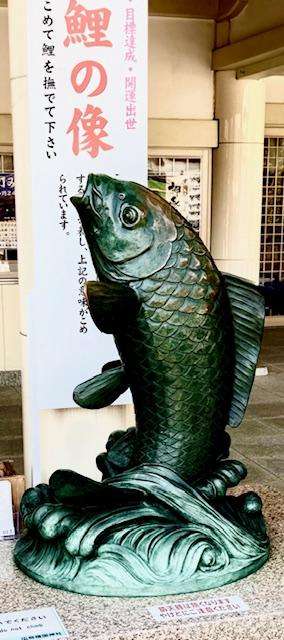
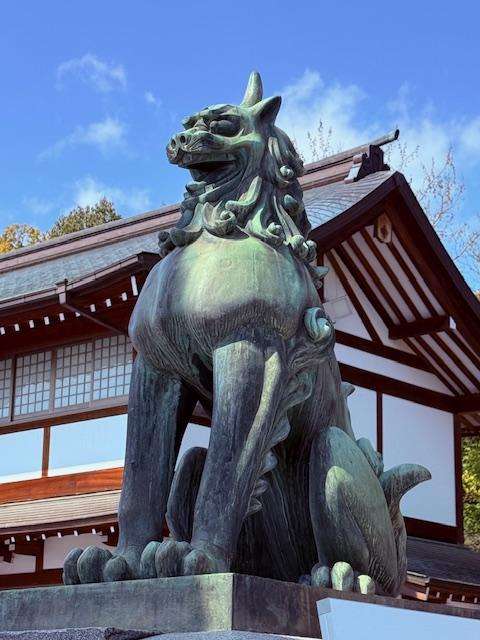
Our tour of downtown Hiroshima started at the Hiroshima Gokoku Shrine. The shrine is a Shinto Shrine which is Japan’s historical religion. Most Japanese practice the Shinto Religion, with Buddhism being the second most popular religion in Japan. While important, the Shrine is not considered a National Treasure of Japan. National Treasures in the Hiroshima area are the Itsukushima Shrine on Miyajima Island and the Fudoin Temple in Hiroshima City.
Animal symbols are very prominent at the Shinto Shrines, each having a special meaning. Rubbing the back of the carb, will bring good luck.
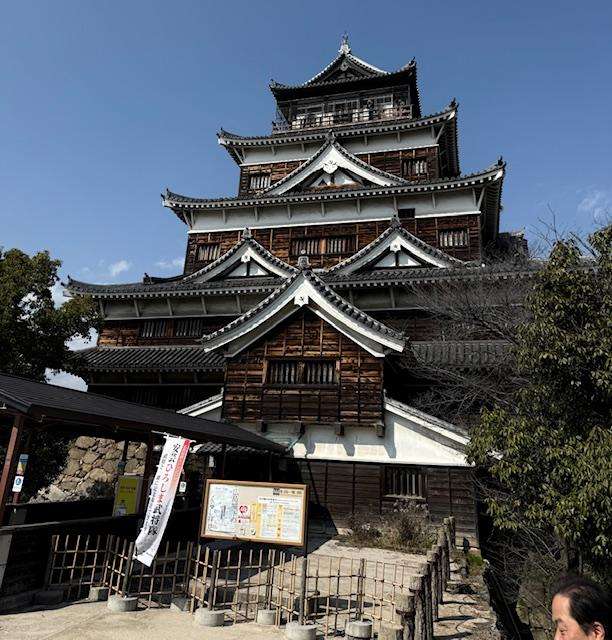
Next, we progressed to Hiroshima Castle. The castle had been rebuilt twice. We didn’t go into the castle as it isn’t considered one of the best historic Japanese Castles, having been rebuilt twice.
Hiroshima Nagasaki Bombings
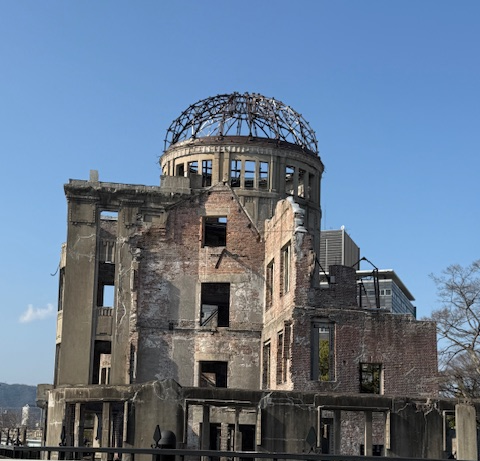
After visiting the castle our tour continued to the ruins of Genbaku Dome, also called the Atomic Bomb Dome, one of the few buildings left standing near ground zero. It is an incredible reminder of the Hiroshima Nagasaki Bombings.
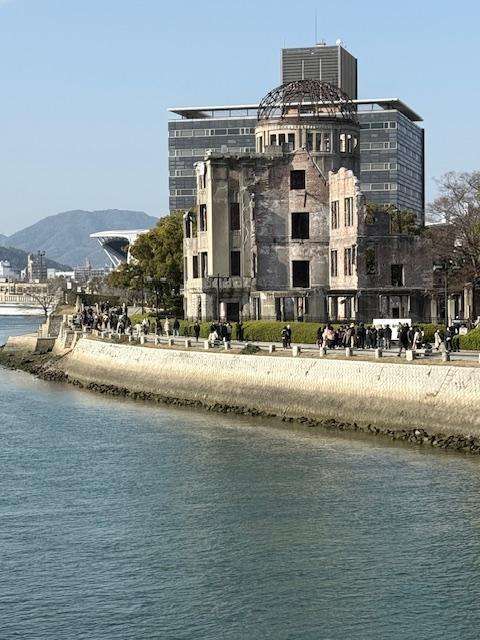
Next we visited the Hiroshima Peace Memorial Park, but unfortunately ran out of time and didn’t go into the Hiroshima Peace Memorial Museum. We made sure when we visited Nagasaki, where the second atom bomb was dropped, not to miss their peace museum.
Visiting Hiroshima City today offers a powerful perspective on the resilience of humanity. Key sites like the Hiroshima Peace Memorial Park and Museum pay tribute to the victims while promoting a message of peace. The Atom Bomb Dome, a haunting remnant of the tragedy, is a UNESCO World Heritage site. The Flame of Peace is an important symbol of the power of atomic warfare. The flame will continue to be lit until atomic weapons are eliminated from the planet.
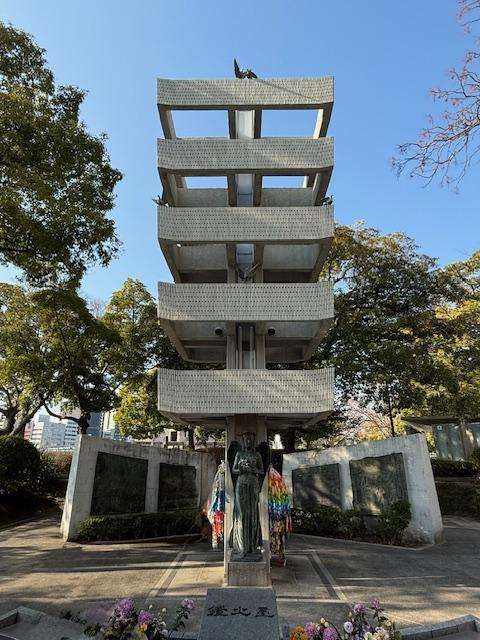
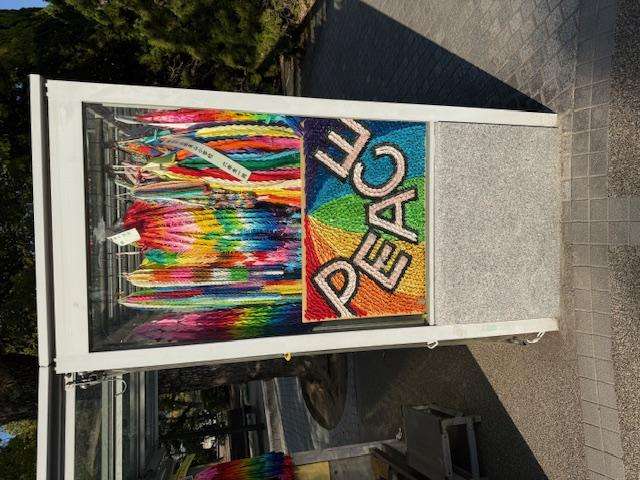
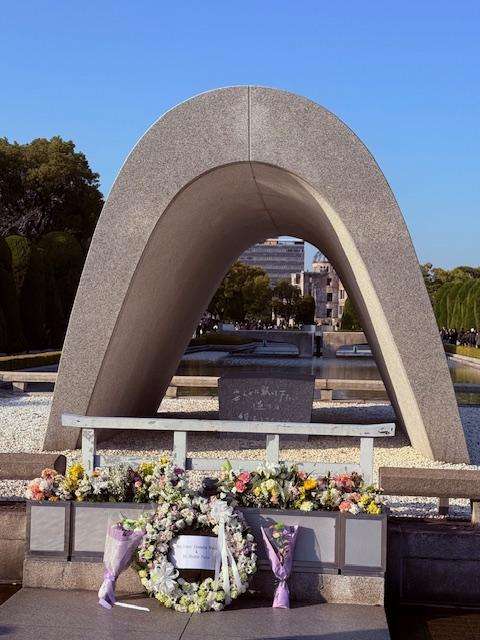
Beyond Hiroshima’s history, Hiroshima also boasts beautiful attractions like Itsukushima Shrine on Miyajima Island, celebrated for its “floating” torii gate. Unfortunately, we didn’t have time to visit the island.
The Peace Memorial Park and Museum Recall the Hiroshima Nagasaki Bombings
The Hiroshima and Nagasaki Bombings are well remembered with a spirit to never happen again at both the Hiroshima Peace Memorial Park and the Hiroshima Peace Memorial Museum.
- Hiroshima Peace Memorial Park: This tranquil park is dedicated to remembering the victims of the atomic bombing in 1945. Located where Hiroshima’s bustling commercial district once stood, it features numerous monuments like the Cenotaph for the A-Bomb Victims and the Children’s Peace Monument. The Atomic Bomb Dome, a skeletal structure near the park, remains as a poignant symbol of the devastation and is a UNESCO World Heritage Site.
- Hiroshima Peace Memorial Museum: This museum vividly recounts the events surrounding the bombing and its aftermath. Through personal artifacts, photographs, and survivor testimonies, visitors gain a harrowing but essential understanding of the human cost of nuclear war. It’s a powerful reminder of why peace and disarmament are vital for humanity’s future.
While its past is heart-wrenching, Hiroshima’s transformation into a symbol of hope and peace makes it a meaningful destination. When you visit, allow some time to reflect in the serene surroundings—it’s a truly emotional experience.
Other Things to do in Hiroshima City: Mazda Museum
Hiroshima has done an incredible job of recovering from the destruction of WWII. The city is once again an important industrial city for the country of Japan as evidenced by Mazda’s presence in the city. You can visit the Mazda Museum which is located alongside of Mazda’s International Headquarters in Hiroshima Prefecture.
Japanese Perspective of WWII
The Japanese involvement in WWII began much earlier than when the war actually started in Europe, primarily because Japan was involved in a war with China starting in the 1930s. Japan lacks many natural resources, most significantly petroleum. As a result, they felt the need to conquer neighboring lands on the mainland, primarily in China, to obtain necessary natural resources.
Despite a prior friendship dating back to when Commodore Perry first visited Japan, the United States wanted Japan to stop its expansion and in 1941 decided to cut off sending any petroleum resources. Japan felt threatened by this action and ultimately bombed Pearl Harbor and started the war in the Pacific with the United States.
Japanese Perspective of Americans
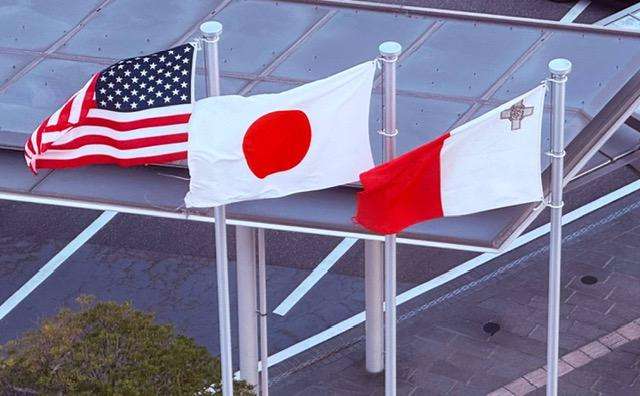
During our tour we felt a warm welcome in Southern Japan and never felt that the Japanese people, particularly the guides, having a dislike of Americans for dropping the bomb. Perhaps it because time has passed or because America did much to help Japan recover from the War. The Japanese and American flags flying together at the Nagasaki port and the friendly people at Kagoshima waving flags of our countries to us as we departed their port, says it all.

In any case, it was clear, that the Japanese are not willing to forget the Hiroshima Nagasaki Bombings, but promote the memorials and the museum as evidence that nuclear weapons should never be used again. That message was clear in all the memorials, particularly the eternal flame, which is meant to stay lit, until the day when there are no longer nuclear weapons in the world. Seeing it, in the center of the Peace Memorial Park, behind the Peace Memorial, sent a clear message that this should never happen again.
Important Places in Japan: Things to Do in Kagoshima
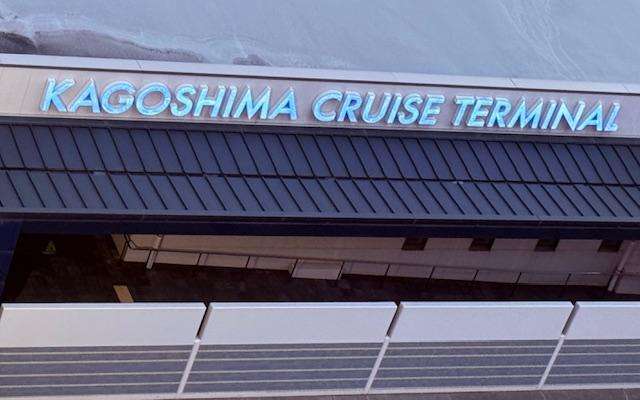
During our 2025 “Whispers of the Orient” Cruise Tour we were fortunate to visit Kagoshima twice which gave us a better understanding of “Things to Do in Kagoshima.” Once on the way from Singapore to Tokyo, and the second time on our southern tour roundtrip back to Tokyo.
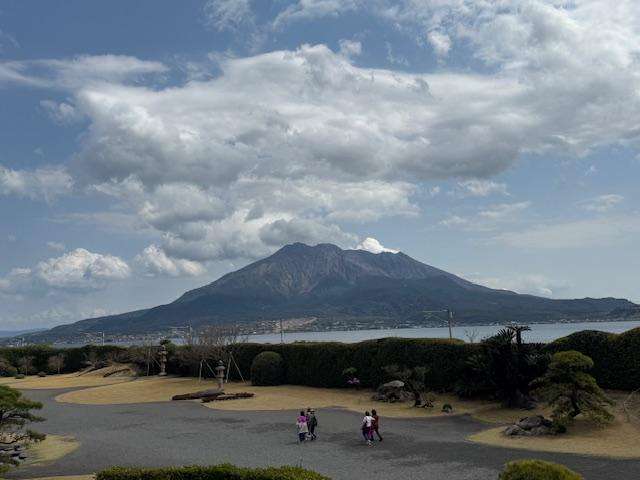
Kagoshima is well known for the Sakurajima Volcano which is said to be active and goes off almost every day. Sakurajima is one of Japan’s most active volcanoes. It was once an island but became connected to the mainland after a massive eruption in 1914. There are frequent eruptions, often depositing volcanic ash on nearby Kagoshima City. One of the things to do In Kagoshima is to explore lava trails, hot springs, and observation points to witness eruptions safely. Sakurajima is closely monitored due to its explosive potential, and local authorities issue warnings when necessary
Things to do in Kagoshima: Excursion to Samurai Gardens & Chiran Peace Museum, Home of the Japan Kamikaze Pilots
The first time we visited Kagoshima we took an excursion tour up the mountain to the village of Chiran, the home to the Japan Kamikaze Pilots. There are plenty of interesting and important things to do In Kagoshima Japan. Not only is it one of the southernmost places in Japan, but it also has played a big role in the political changes that Japan has gone through over the last few centuries. The people there are very proud of their heritage.
Our favorite thing to do in Kagoshima Japan, is the village of Chiran. It was very instrumental in WWII, as the home of the Japan Kamikaze Pilots. There we also went to the Chiran Gardens, where many Samurai lived, and we visited the Chiran Peace Museum, which honored the Japan Kamikaze Pilots.
Chiran Gardens
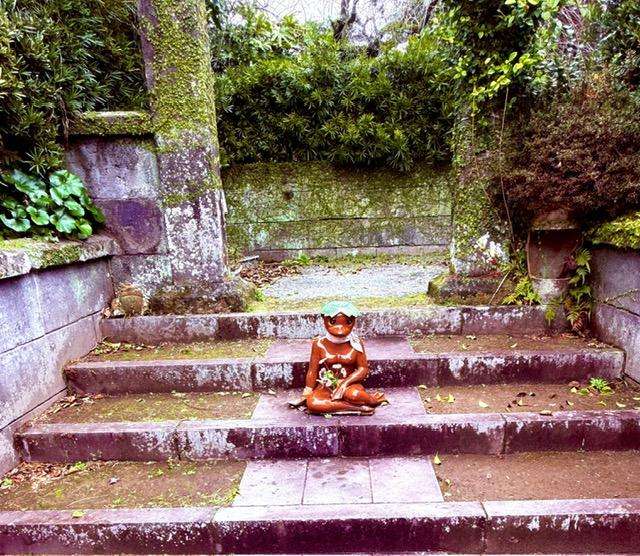
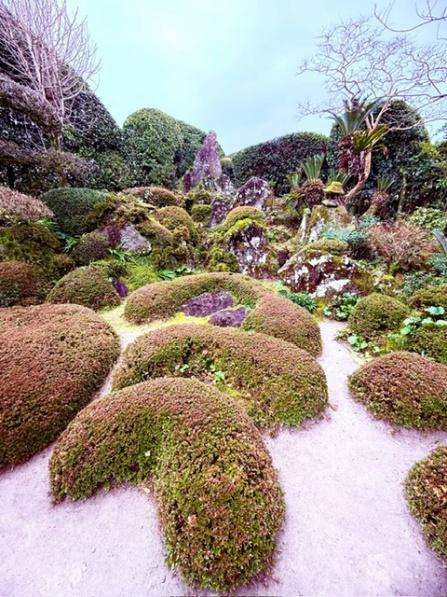
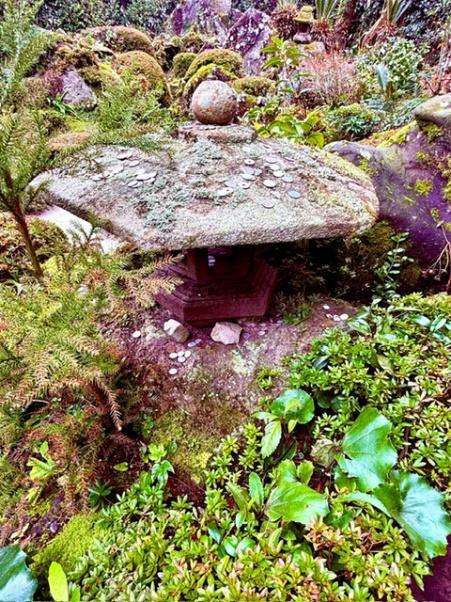
The Chiran Samurai Residence Gardens in Kagoshima Prefecture are widely regarded as some of the most beautiful Japanese gardens in southern Japan. The Chiran Gardens were selected in March, 2007 as one of the 100 Most Beautiful Historic Locations in Japan. It is a collection of preserved traditional Samurai Houses and their typical Japanese gardens located along a 700 meter beautifully landscaped walkway.
Yes! These gardens, attached to samurai residences, date back over 250 years and showcase traditional Edo-period landscaping.
Why They’re Special:
- Historical Significance – The gardens are part of a preserved samurai district, offering a glimpse into Japan’s feudal past.
- Unique Designs – Seven gardens feature dry landscape (Karesansui) styles, trimmed shrubs, and even a pond garden.
- Serene Atmosphere – Unlike many tourist-heavy spots, Chiran’s gardens maintain a peaceful, authentic charm.
- Seasonal Beauty – Spring brings vibrant azaleas, adding bursts of color to the tranquil scenery.
Unfortunately, we visited the gardens in March, 2025 and they weren’t yet in their full glory.
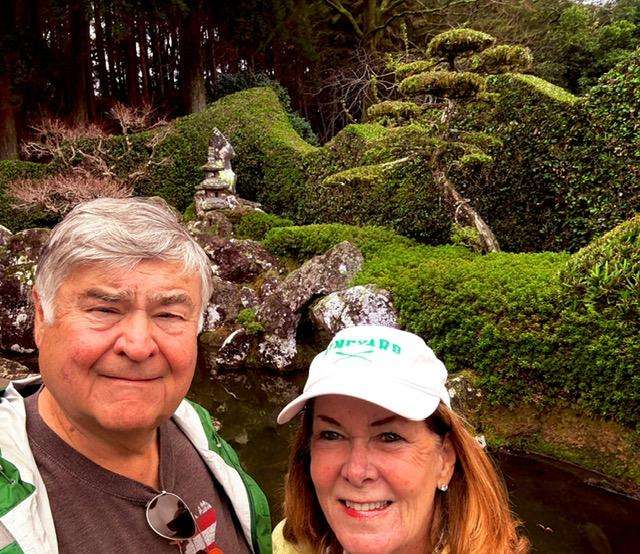
The stone walls and the hedges along the long walkway are stunningly beautiful and of tremendous value. The preservation work and the well landscaped path was very impressive.
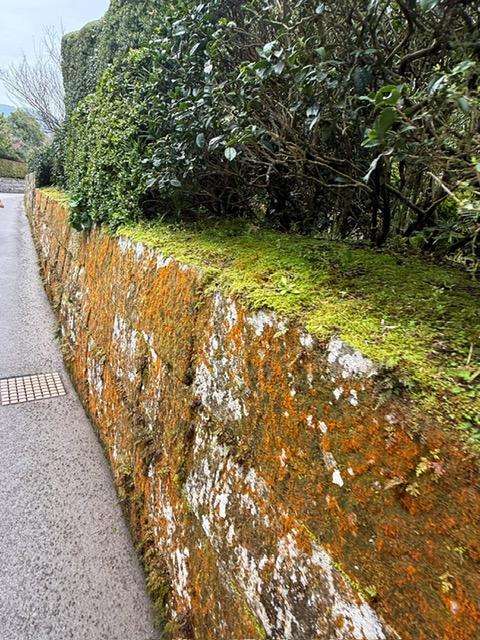
There are seven well preserved houses open to the public. The houses and their gardens were built in either the late 17th or early 18th century. These were family residences that were separated by stone walls. The houses were owned by the “Sata Family,” who were granted the land rights in Chiran in the 17th century. The gardens are beautiful.
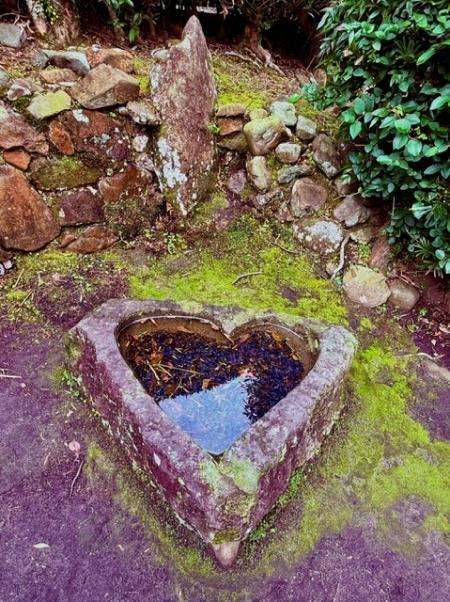
Other Famous Gardens Around the World
If you wish to check out other famous Gardens around the world, please go to our World Botanical Gardens Post.
Chiran Peace Museum; Home of the Japan Kamikaze Pilots
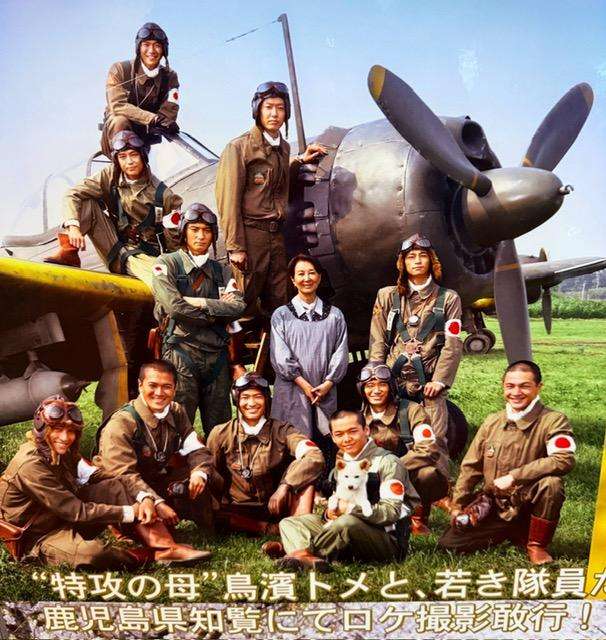
Chiran played a major role in WWII. It was a place where the Kamikaze Pilots trained and where many of them flew off to their final destiny. We learned that these pilots were chosen to be part of the Japan Kamikaze Pilots Program because of their youth and skill. As a result of their loyalty to the Emperor, who believed was God, they felt obligated to take their lives in performing this suicide operation. Over 1000 of these Japan Kamikaze pilots died in the battle over Okinawa.
The Chiran Peace Museum told their story. One of the more moving parts of the Chiran Peace Museum was a movie showing many of the pilots and how they were “recruited” to die for their country. Most of the Japanese people who we saw leaving the theater were obviously emotionally moved and many were crying.
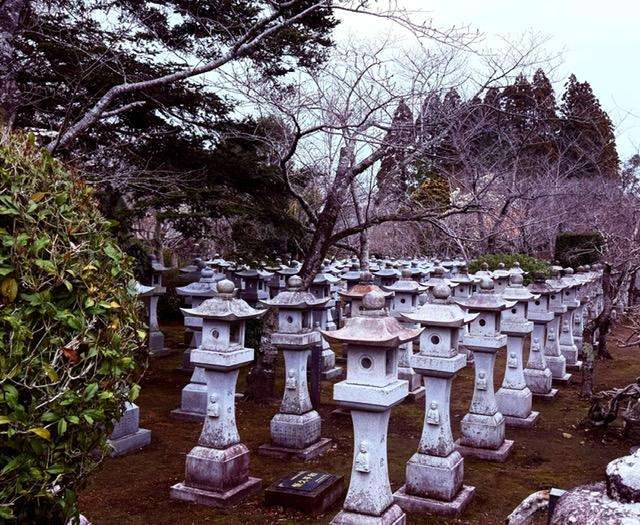
Since most of the pilots were buried at sea, at the museum there is a very moving cemetery with lanterns with faces of each of the pilots on them.
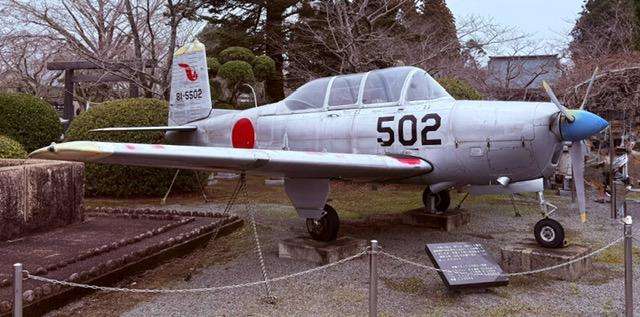
Here is a picture of one of the many WWII planes that are on display.
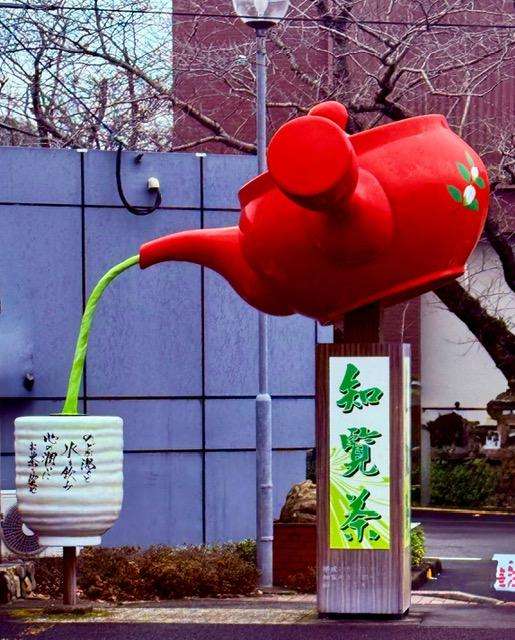
On a lighter note, one of the first things you notice when you reach the Peace Museum is the local Tea House and its very obvious marketing sign.
Important Cities of Japan: Returning to the Kagoshima City
On our second trip to Kagoshima we stayed in the area of the city. We visited the Sengan-en Garden and House, an Observatory where we could see Kagoshima from high above, and we completed our visit at the Museum of the Meiji Restoration.
Sengan-en Garden and House
Sengan-en is a historic Japanese garden and residence in Kagoshima, Japan, originally built in 1658 by the Shimazu clan. It is famous for its stunning borrowed scenery, incorporating views of Sakurajima volcano and Kinko Bay.
Highlights:
- Beautiful Edo-period gardens with ponds, shrines, and bamboo groves.
- Iso Residence, a mix of Japanese, Chinese, and Western architectural influences.
- Shoko Shuseikan Museum, showcasing Kagoshima’s role in Japan’s early industrialization.
- Matcha Café, offering traditional Japanese tea experiences.
- Seasonal beauty, including cherry blossoms and autumn foliage.
The Sengan-en Shoko Shuseikan Museum contains a beautiful Japanese Garden and the House of the Shimazu family. The Shimazu family, one of Japan’s most powerful samurai clans, lived in the Sengan-en residence for centuries. The house was built in 1658 by Shimazu Mitsuhisa, the 19th head of the Shimazu clan, and was passed down through generations.
The Shimazu clan ruled southern Kyushu for over 700 years, playing a crucial role in Japan’s modernization. The residence reflects their international influences, incorporating Japanese, Chinese, and Western architectural elements
The property was located directly across the bay from the Sakurajima Volcano.
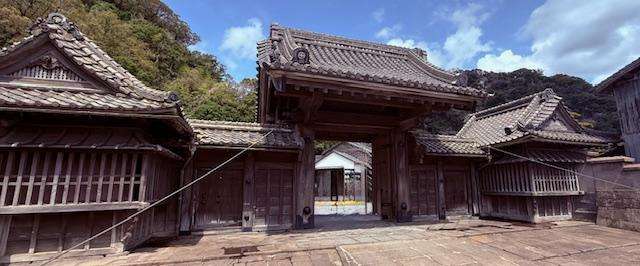
The main gate to the property is a very traditional Japanese entrance gate.
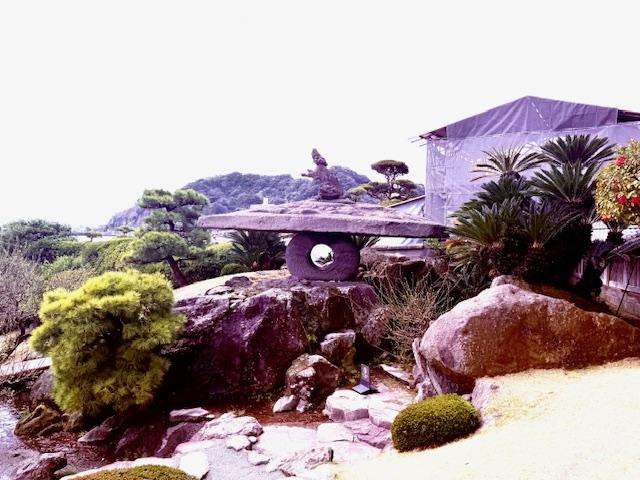
The garden is very professionally planed and is a perfect example of a beautiful Japanese Garden.
Things to Do in Kagoshima: Observatory
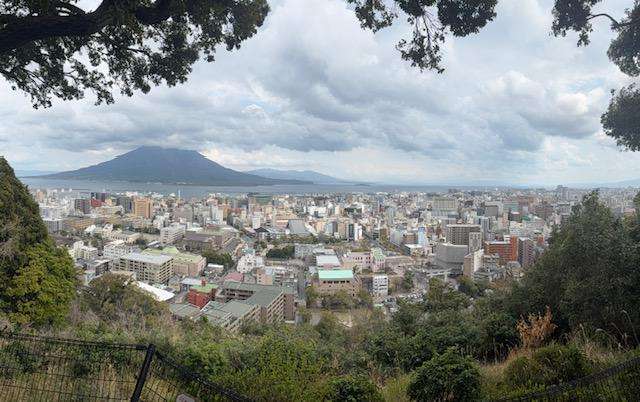
Our next stop in Kagoshima was to climb up the mountain and observe the city. The views were spectacular.
Things to Do In Kagoshima: Museum of the Meiji Restoration
Our final visit of the day was a stop at the Museum of the Meiji Restoration. The Meiji Restoration was a significant political event in 1868 that marked Japan’s transition from feudal rule under the Tokugawa Shogunate to direct imperial governance under Emperor Meiji. It sparked dramatic reforms, leading to the modernization and Westernization of Japan, transforming it into a major global power.
Key Changes:
- Abolition of Feudalism – The samurai class lost its privileges, and Japan adopted a centralized government.
- Industrialization & Modernization – Rapid advancements in railroads, factories, and military technology.
- Western Influence – Japan embraced Western-style education, legal systems, and military structures.
- Economic Growth – The country shifted from an agricultural economy to an industrial powerhouse.
- Constitution & Parliament – Japan introduced a constitutional monarchy with a parliamentary system.
The Meiji Restoration set Japan on a path to becoming a leading world power, influencing its role in global affairs. The museum is located in Kagoshima because many of the leaders of the Restoration were from that city. Following is a picture of those leaders, and of Saigo Takamori who was one of the more important leaders.
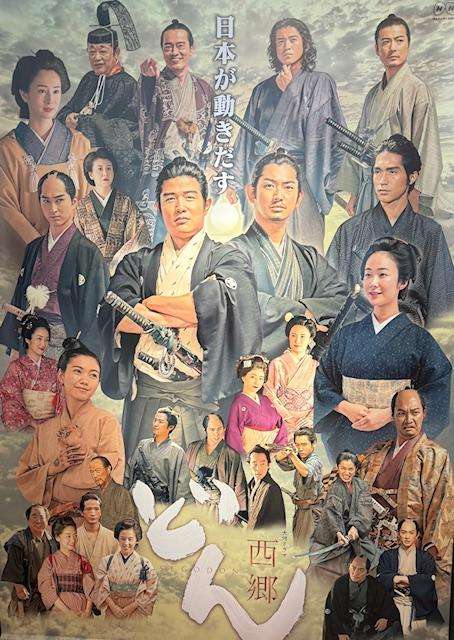
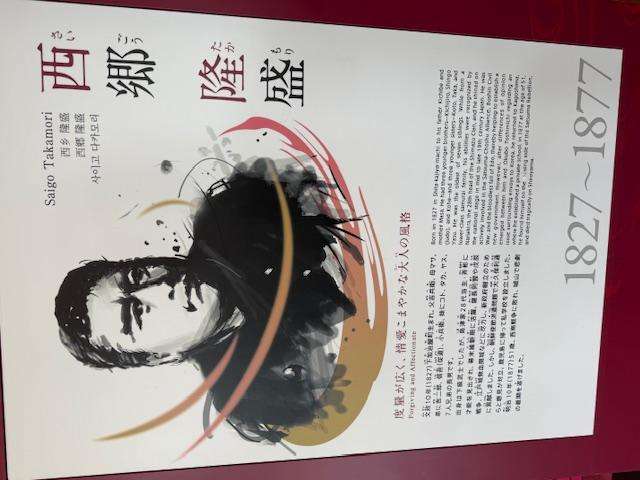
Saigō Takamori, sometimes called “The Last Samurai,” was one of Japan’s most influential historical figures. He was played by Tom Cruise in the Last Samurai movie. Born in Kagoshima in 1827, he was a samurai and a pivotal leader in the Meiji Restoration, which overthrew the Tokugawa Shogunate and brought about modernization in Japan. Saigō believed in the preservation of samurai honor and traditional values, even as the country embraced rapid reforms.
However, his dissatisfaction with the Meiji government’s direction—particularly its treatment of the samurai class—led him to spearhead the Satsuma Rebellion in 1877, where he met his end. Despite his rebellion, he’s remembered as a symbol of loyalty, bravery, and conviction. There’s even a statue of him in Tokyo’s Ueno Park, commemorating his legacy.
As one of the things to do in Kagoshima, you should absolutely visit the Museum of the Meiji Restoration in Kagoshima. It’s not just a history exhibit; the museum creates an engaging experience with sound, light, and even robotic displays, bringing the Restoration and its key figures to life. Plus, Kagoshima itself played a pivotal role in this historical era, making the museum’s location deeply meaningful. If you enjoy history or immersive learning, it’ll definitely be worth your time!
Departure from Kagoshima
As we left Kagoshima on both of our visits, the friendly people in the city sent us off with a drum performance.
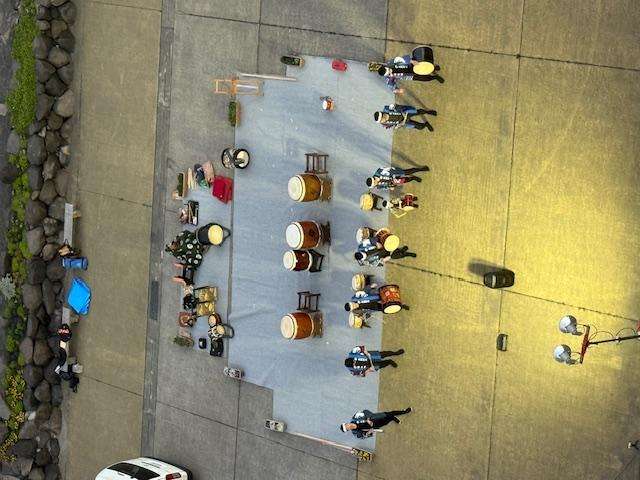
It was excellent, as was the view from the ship.
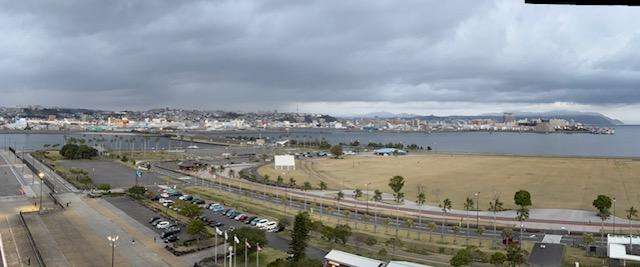
Kagoshima is not on everybody’s must visit list when traveling to Japan, but it clearly is one of the Important Cities of Japan, and a very interesting place to learn a lot about Japanese history.
Important Cities of Japan: Nagasaki
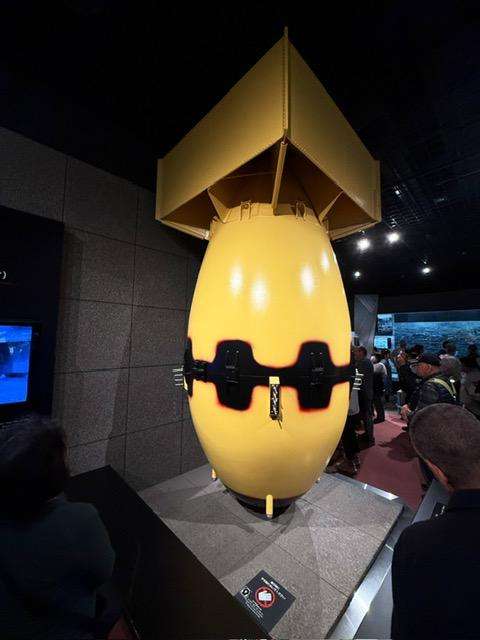
The last city in the Southern Japan that we visited was Nagasaki. Like Hiroshima and Kagoshima, Nagasaki is one of Japan’s major cities. Often forgotten, or playing second fiddle to Hiroshima, the bomb that was dropped on Nagasaki, called “Fat Boy” was actually a much stronger bomb than the one dropped on Hiroshima. Here is a picture of a replica of the bomb, it is over 15 feet tall.
Damage from Hiroshima and Nagasaki Bombings Compared
Like the first bomb dropped on Hiroshima, the second bomb dropped on Nagasaki also caused much destruction and destroyed the entire city, but statistically less people were killed and the bomb’s impact covered a smaller area. The reason it did slightly less damage statistically, was that there were less people in the city at the time of the bombing, and Nagasaki is surrounded by mountains while Hiroshima is mostly flat. the mountains tended to contain the radiation.
Nagasaki Peace Park
The Peace Park in Nagasaki is one of the cities’ major attractions. It is a deeply symbolic and tranquil site built near the hypocenter of the atomic bomb blast on August 9, 1945. Its most striking feature is the towering Peace Statue, created by local sculptor Seibou Kitamura. Calling it towering is an understatement, it is truly impactful and huge.
The Statue’s raised right hand points to the skies, symbolizing the threat of nuclear weapons, while the horizontal left arm represents eternal peace. Its closed eyes offer a prayer for those who lost their lives as a result of the Hiroshima Nagasaki Bombings.

Another important monument is the Nagasaki Peace Bell.
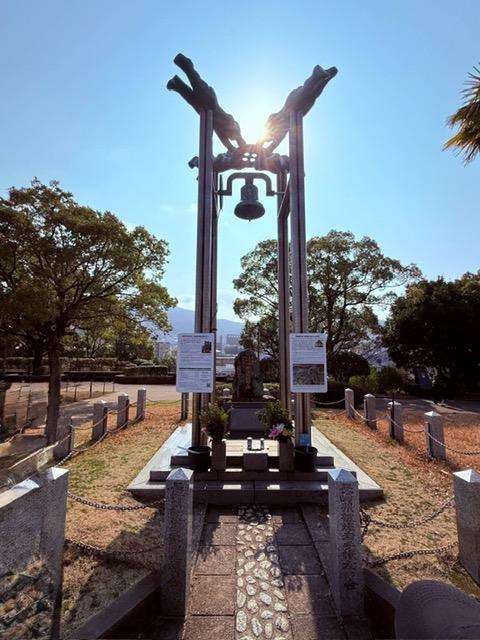
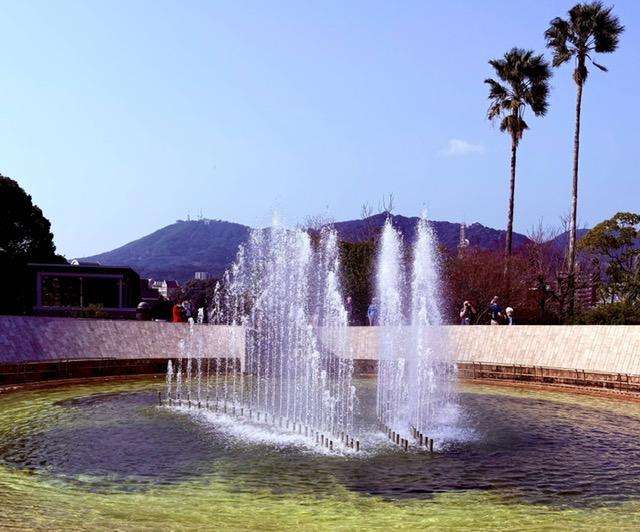
The park also features the Fountain of Peace, inspired by a young girl’s search for water after the bombing. It’s surrounded by monuments gifted by countries around the world, each representing a shared hope for global harmony. It’s a serene place for reflection and a powerful reminder of the importance of peace.
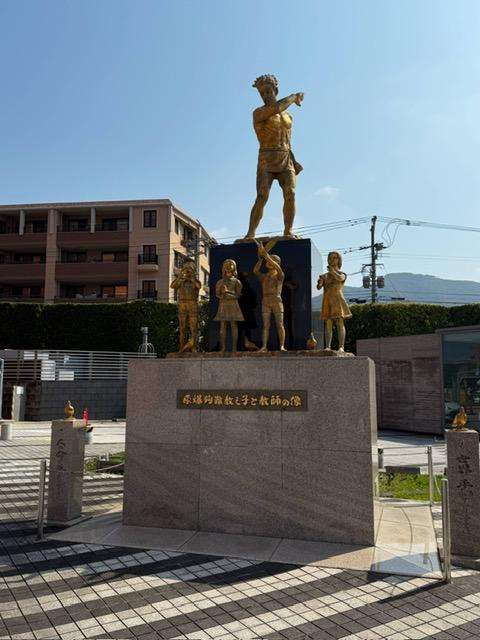
There is also a monument representing the large number of school children who were in school that day, a school not far from ground zero where the bomb was dropped.
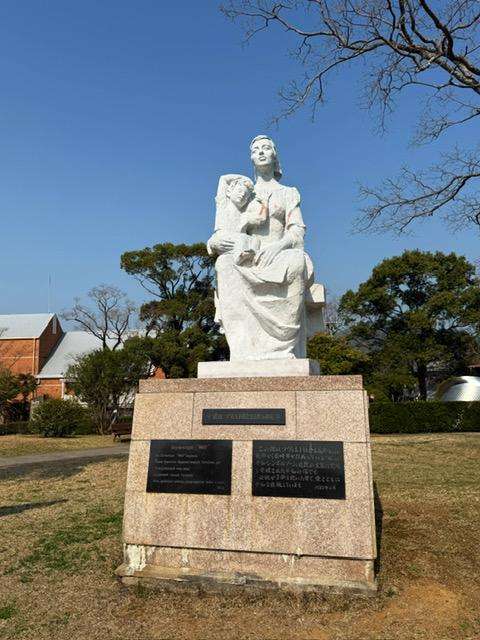
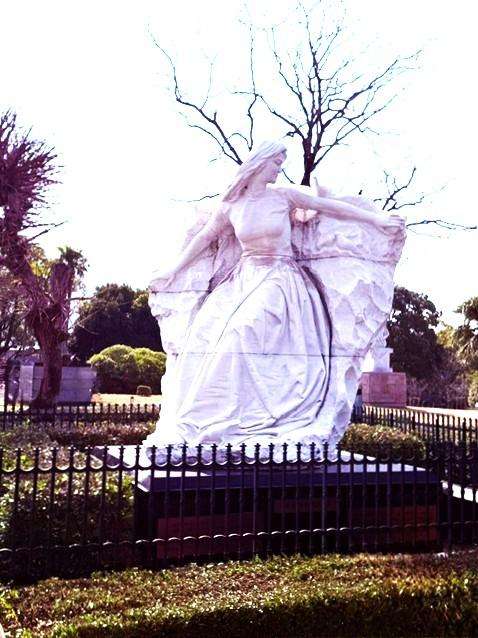
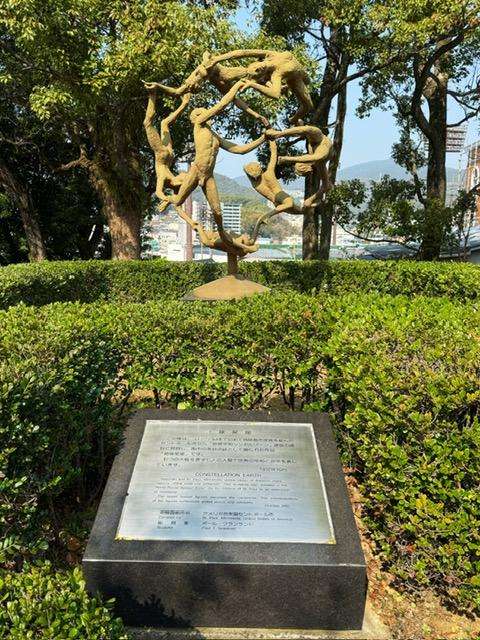
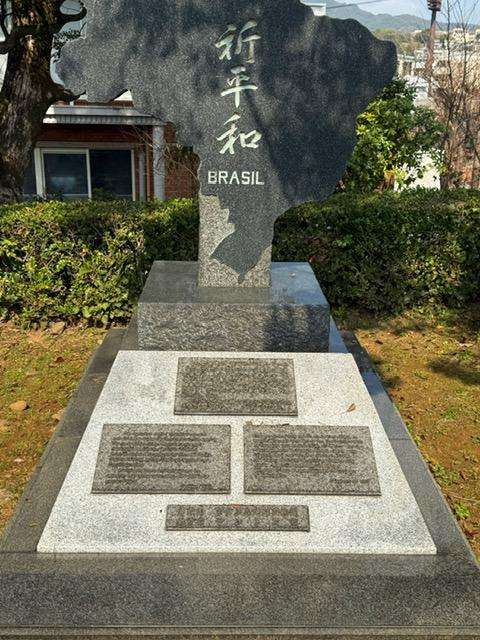
Other monuments in the park are gifts from foreign nations. Here are the gifts from the United States, China, The Netherlands, and Brazil in that order. The Netherlands monument is particularly moving as it shows a mother protecting her child. The death of children was a particularly difficult message in both Hiroshima and Nagasaki.
Nagasaki Peace Museum
Having missed the Peace Museum in Hiroshima, it was a must that we stop and visit the one in Nagasaki. The Peace Museum in Nagasaki is a deeply meaningful place to visit. It commemorates the tragic atomic Hiroshima Nagasaki Bombings during World War II and serves as a powerful reminder of the importance of peace and the devastating consequences of war.
The museum features testimonies from survivors, historical artifacts, and interactive exhibits that emphasize humanity’s resilience and the necessity for a world free of nuclear weapons. Exploring the museum is an emotional journey, and its poignant displays often leave visitors profoundly moved.
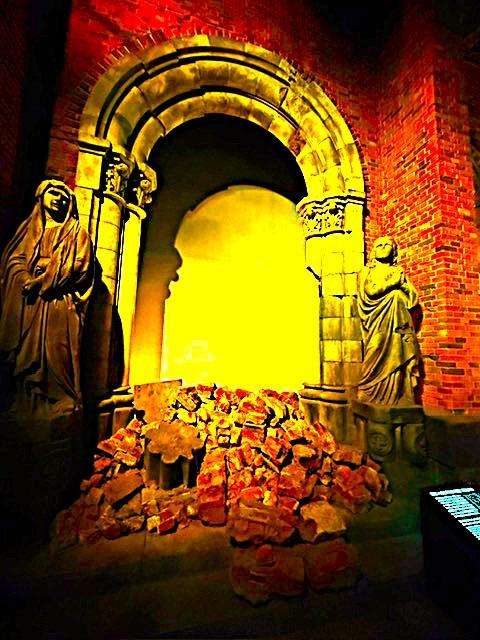
If you’re ever in Nagasaki, we recommend visiting the museum. It’s a place that truly makes you reflect on the past and hope for a peaceful future. One of the first things you see in the museum is a replication of the damage that was done to the Urakami Cathedral which was located very close to the ground zero site..
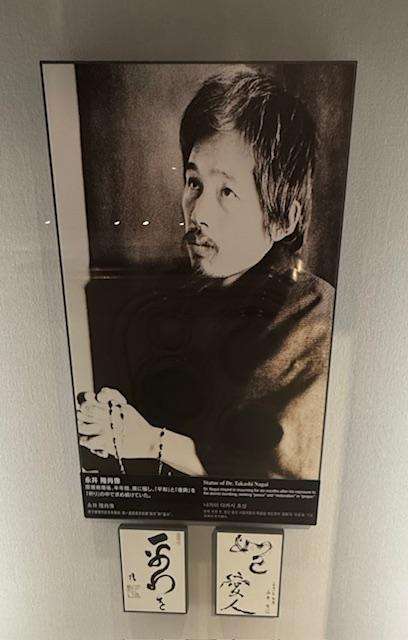
Another very impactful story in the museum is that of Dr. Nagai. Despite exposing himself to the radiation, he worked tirelessly to save people after the bombing, He eventually died from cancer, resulting from the radiation. A statue in the park is the Sinaloa Poetry Memorial, dedicated to Dr. Nagai’s two children who survived him.
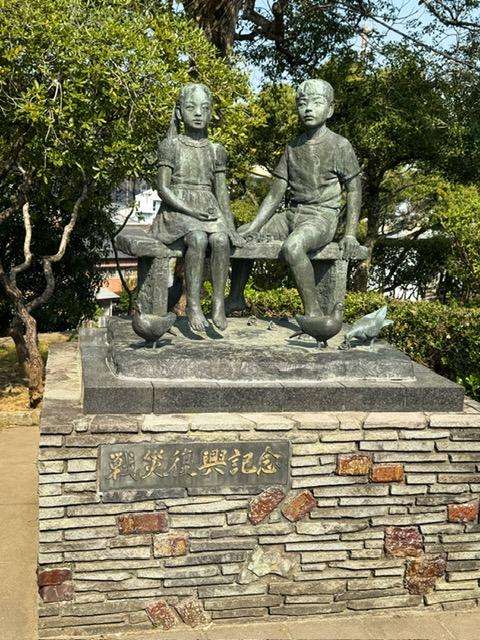
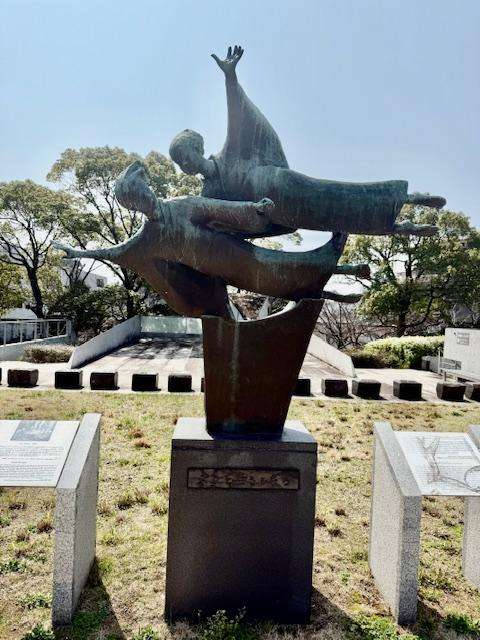
One final story that we learned about at the museum, were the two children who were dressed in kimonos lying dead as they were being prepared for cremation. A picture was taken of them, and it hangs in the museum. Outside the museum is a stature remembering them.
Final Visit in Nagasaki, a Trip to the Top of Mt. Inasa
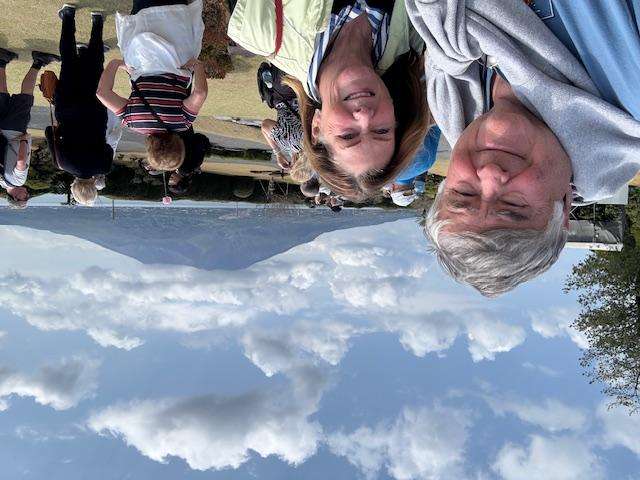
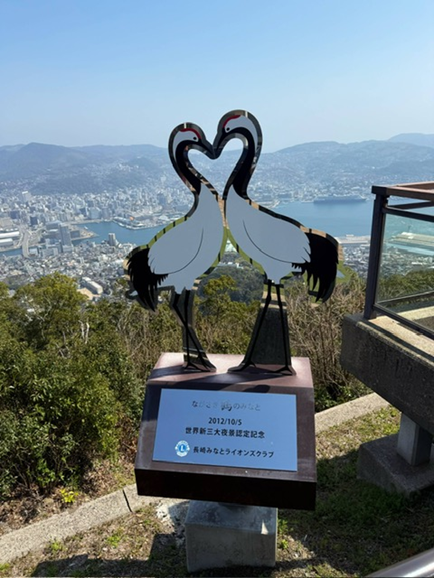
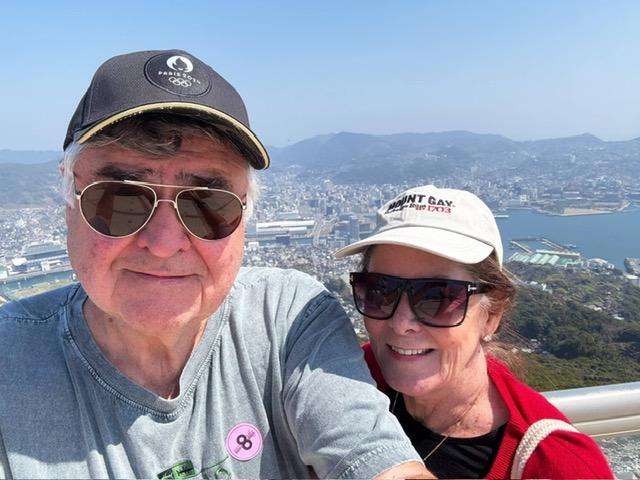
Like some of the other cities we visited, a trip to one of the mountains overlooking Nagasaki was a great way to see the city. Here is one of our famous selfies, don’t we just look like the love birds besides us.
Departing One of the Important Places in Japan: Nagasaki
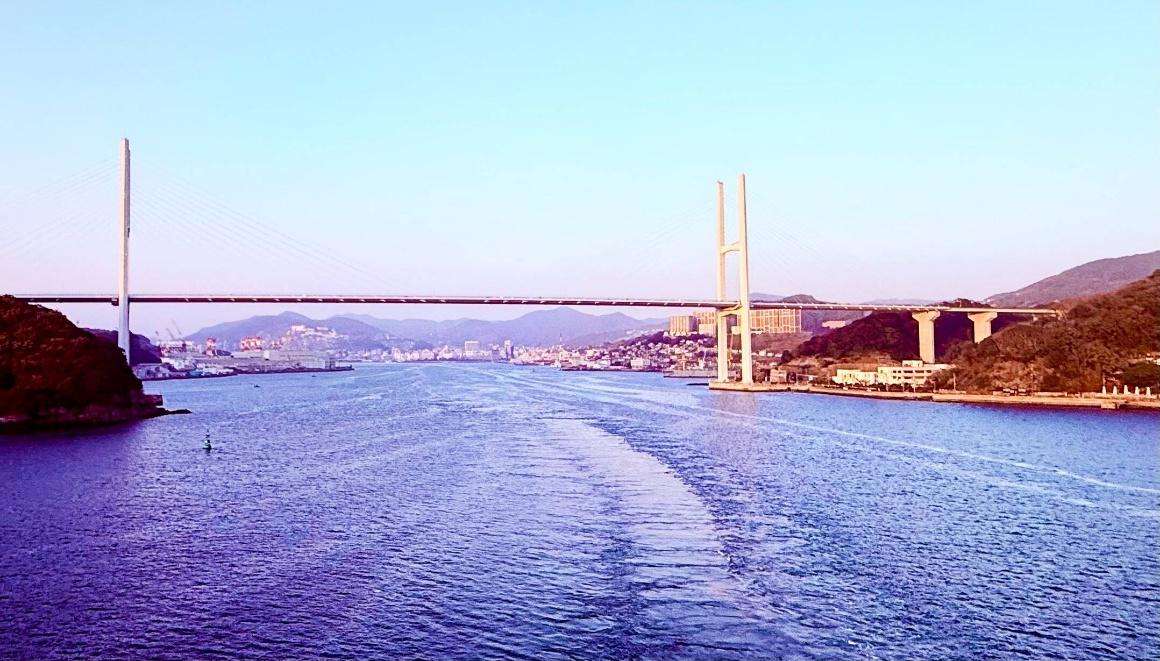
One of the great reasons to visit all these wonderful cities in Japan, by cruise ship, is that wonderful views you get on the sail offs. One of the “Important Places in Japan,” Nagasaki was no different. We loved the departure.
What was even more important from our visit to Hiroshima, Kagoshima and Nagasaki is what we learned about the Japanese perspective of WWII and the history of the Samurais. You will not be disappointed if you decide to visit this part of Japan.
0 Comments