
Contents
- 1 Sakura Japan: Shimizu (Mt. Fuji), Nagoya, and Kanazawa
- 2 Getting Around the Mountains Region
- 3 Sakura Japan
- 4 Mt Fuji Visibility: Visiting Shimizu Japan
- 5 Our First Visit to Shimizu and Our Trip to Mt. Fuji
- 6 Places to Visit in Japan for First Timers: Kanazawa
- 7 Places to Visit in Japan for First Timers: Nagoya
- 8 Toyota Commemorative Museum of Industry and Technology
- 9 Noritake Garden Nagoya
- 10 Conclusion
Sakura Japan: Shimizu (Mt. Fuji), Nagoya, and Kanazawa
The Mountain Region of Japan, also known as the Chūbu Region, includes the cities of Shimizu, Nagoya, and Kanazawa, and contains some of the best places to visit in Japan for first timers, especially to see the famous Sakura Japan (Cherry Blossoms). The region is located in the central part of Japan’s Main Island. In addition to exploring Mt Fuji Visibility, and seeing the Fuji Sakura Festival and the Mt. Fuji World Heritage Centre, we were able to visit the following historical attractions and popular points of interest depicting Japanese History:
- Nihondaira, Shimizu
- Milto no Matsubara, Shimizu
- Noritake Garden Nagoya
- Toyota Museum Nagoya
- Kanazawa Castle Park
This region is often referred to as the “Japanese Alps” because it boasts some of the country’s most breathtaking and mountainous terrain, reminiscent of the European Alps. This nickname comes explicitly from the Hida, Kiso, and Akaishi mountain ranges that stretch across the region. These ranges feature towering peaks, lush forests, and pristine rivers that attract hikers, climbers, and nature lovers from all over the world. Mount Fuji is by far the most well-known and the tallest of all the peaks.
Map of the Mountains Chūbu Region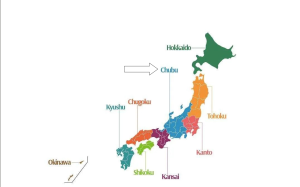
Just like the European Alps, the Japanese Alps offer alpine scenery and a variety of outdoor activities, from skiing and snowboarding in winter to hiking and hot springs in summer.
During our trip to see Mt. Fuji Visibility, and through the rest of the Chuba Region we visited Kanazawa Castle on the Western side of Japan, and Shimizu and Nagoya on the Eastern Side. Shimizu offers the best views of Mt. Fuji, and is home to the Mt. Fuji World Heritage Center, and the Fuji Sakura Festival. Nagoya is home to the Noritake Garden Nagoya and the Toyota Museum Japan. Kanazawa Gardens Japan are beautiful and are where we saw the best Sakura Japan, and is home to the famous Kenrokuen Gardens.
Getting Around the Mountains Region
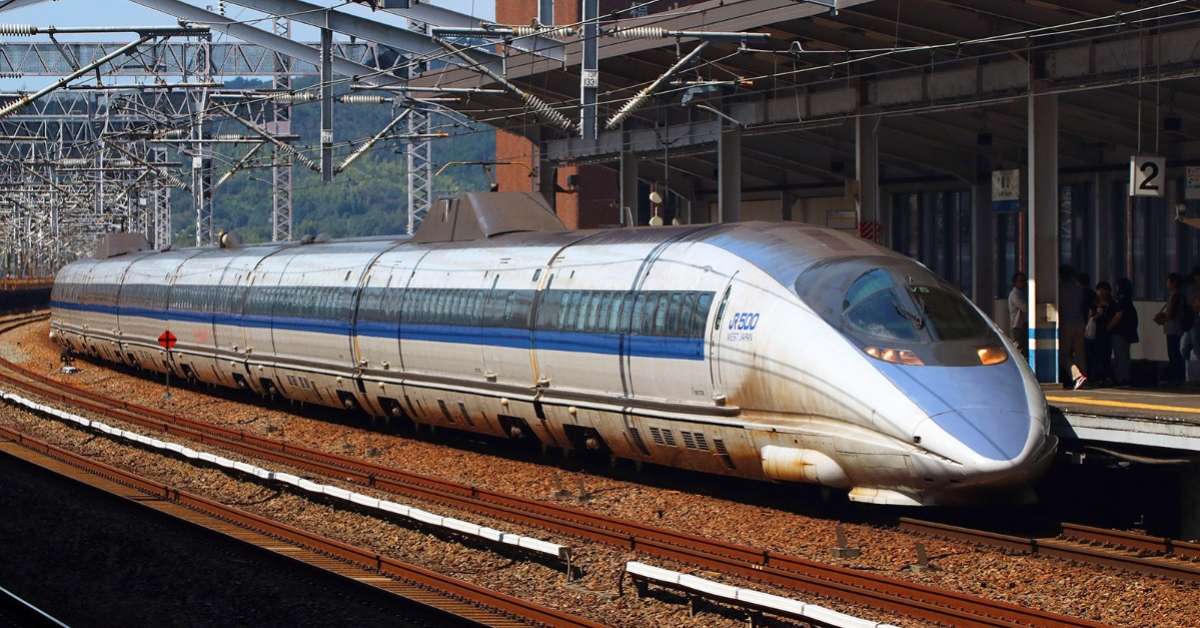
Getting around Japan’s Main Island is easy if you take advantage of Japan’s Rail System and purchase a Japan Rail Pass before you come to the Island. The Japan Rail Pas is a ticket offered jointly by the six JR Group companies, and it is convenient and reasonably priced for traveling throughout Japan by train. Travel between the Kanazawa Station, the Nagoya Station, and the Shimizu Station is very easy and if traveling on the Hokuriku Shinkansen Bullet Train can be very efficient.
Sakura Japan
Sakura is the Japanese term for the Cherry Blossoms. The best time to see cherry blossoms (Sakura) in Japan varies by region, but generally falls between late March and early April in central areas like Tokyo, Kyoto, and Osaka. Our trip to Mt. Fuji and to the rest of the Chubu region was timed to see the Sakura Japan at their best. This is a challenge as the Sakura Japan are only in bloom for about ten days. We were able to catch the Sakura Japan in Shimizu and in full bloom in Kanazawa.
Mt Fuji Visibility: Visiting Shimizu Japan
During our “Whispers of the Orient” 72-day journey, we visited Shimizu Japan twice. The first time was on the last day of a cruise (Celebrity) that started 36 days previously in Mumbai, India. The cruise circulated around Singapore up to Tokyo, and traveled around the south of Japan, ending in Shimizu Japan on our way back to Tokyo. What a trip.
The second visit was part of our 12-day NCL cruise starting in Seoul (Incheon) South Korea and bringing us back to Tokyo (Yokohama). On both visits, one of our primary goals was to see and get great pictures of Mt. Fuji. If you are interested in more information about cruising, please see our Cruise Post.
The highlight of Shimizu for us on the first visit were the Cherry Blossoms or Sakura which were finally blooming. Unfortunately, seeing Mt. Fuji on the first trip was not in the cards, as Mt Fuji Visibility can be a challenge.

However, on the second trip to Shimizu Japan, we did see the great mountain, and it was magnificent in all its glory.

Why Visit Shimizu Japan?
Shimizu, nestled in Shizuoka Prefecture, is a gem for travelers seeking stunning scenery and cultural experiences. Here are a few reasons to visit:
- Breathtaking Mount Fuji Views: Shimizu offers unparalleled vistas of Japan’s iconic Mount Fuji.
- Miho no Matsubara, a scenic pine tree-lined beach that’s part of a UNESCO World Heritage site. The juxtaposition of the sea, sand, and the majestic mountain is unforgettable.
- Shimizu Japan Port: As one of Japan’s most picturesque ports, it bustles with activity. You can enjoy fresh seafood at the port market or take a boat cruise to enjoy the views of the coastline.
- Cultural Heritage: Temples and traditional spots like Seiken-ji Temple showcase the region’s history and offer a serene atmosphere for visitors.
Mt Fuji Visibility
The most famous of the mountains in the Japanese Alps is of course Mt. Fuji which we visited from our cruise stop in Shimizu. Unfortunately, the first day we were there the sky was overcast and we didn’t get a good view of the mountain. Here is the picture that we should have seen from the beach at the Pine Forest (Miho no Matsubara).

Nevertheless, we did get a good picture from our previous trip in 2023 when we passed by on the Bullet Train on our way from Tokyo to Kyoto.
Here is Robin’s photo as we arrived into Shimizu for the second time.

And, we also got a view of the mountain from our plane taking off from Tokyo.

Our First Visit to Shimizu and Our Trip to Mt. Fuji
As we stated earlier we visited Shimizu and the Mt. Fuji area twice on the 72-day “Whispers of the Orient Tour. Here are the details of the first visit, all great places to see.
Sengren Shrine Complex
On our first excursion through Shimizu our first stop was at the large Sengen Shrine complex.

The complex has many shrines, here is one of the smaller ones:

Momijiyama Gardens
These gardens are located as part of the Shimizu Castle complex, and are truly a beautiful, traditional Japanese garden, parts of the old castle town.

This garden included a waterfall;

And a miniature mountain structure that was actually tea leaves being grown.

However, the most impressive tree we saw was actually before we got to the garden and it was the largest Cherry Tree that we had seen on the trip to this point.
Places to Visit in Japan for First Timers: Nihondaira Park
On the first visit, one final stop we made before lunch, was to visit the Nihondaira Park. It is a captivating destination in Shizuoka Prefecture, offering a blend of natural beauty and cultural significance. The Kunozan Toshogu Shrine is located at the park. The shrine is dedicated to Tokugawa Leyasu, the founder of the Tokugawa Shogunate.
The only way to visit this historic Shrine is to take the Nihondaira Ropeway. The ropeway ride itself is a scenic experience. Ropeways in Japan can be cable cars or gondolas. In this case it was a large gondola carrying upwards of 30 people. When we reached the Shine we were met by a fierce guard.

The trip on the ropeway was over a huge canyon, with very scenic views. It was worth the trip as we once again came upon some brilliant Chery Blossom trees at the Shrine.

Miho no Matsubara (Pine Forest)
Finally, after lunch we took a fifteen minute walk down a beautiful truly unique pine tree lined walk way in the middle of a residential neighborhood. This walk down the Pine tree lined walkway led to the beach and Miho no Matsubara, a sacred pine forest.

At the end of the walk, we came to Miho no Matsubara, a pine forest leading to the ocean. It is absolutely a unique historical and spiritual site.

Miho no Matsubara is a magical destination that captivates visitors with its natural beauty and cultural significance. Here’s why it’s worth a visit:
⦁ Stunning Scenery: The dense grove of over 30,000 pine trees stretches along the coast, offering breathtaking views. The setting becomes even more picturesque with Mount Fuji towering in the background. It’s a spot where nature paints its most beautiful landscapes.
⦁ UNESCO World Heritage Site: Miho no Matsubara is part of the World Heritage designation for Mount Fuji. Its natural and cultural value makes it a must-see for travelers seeking deeper connections to Japan’s history and spirit.
⦁ Cultural Legend: The forest is tied to the famous Japanese legend of “Hagoromo,” where a celestial maiden left her robe on one of the pines. A fisherman took the robe and to get it back she needed to dance the Celestial Dance wearing the robe before she could return to heaven. There is even a Hagoromo no Matsu tree celebrated as part of this folklore.
⦁ Serene Atmosphere: Walking through the pine forest provides a sense of calm and an opportunity to connect with nature, far from the rush of city life.
⦁ Photographer’s Paradise: Whether you’re a professional or just love snapping photos, the combination of pine trees, the ocean, and Mount Fuji makes for iconic and memorable shots. Unfortunately, we were not able to get a photo of Mt. Fuji the day we were there. The sky was not clear.
Second Visit to Shimizu in Time for the Fuji Sakura Festival
By the time we made our second visit to Shimizu, about a week after the first visit, the Cherry Trees had already seen their peak and were beginning to fade. However, we did find at least one place where they were close to full bloom.

The most important part of our second trip was Mt. Fuji, who didn’t show up during our first visit, but it was here is all its glory. We were able to get some spectacular pictures at the Mt. Fuji World Heritage Centre in Shizuoka.

Shizuoka is where we spent the morning. Shizuoka is about an hour drive from the port in Shimizu, so about half our morning was spent driving.
Mt. Fuji World Heritage Centre, Shizuoka
Mt. Fuji World Heritage Centre, Shizuoka was built as a key facility for conveying to posterity the wonder of “Fujisan, sacred place and source of artistic inspiration,” which was inscribed as a UNESCO World Cultural Heritage Site in June 2013. The Center introduces various aspects of Mt. Fuji such as its history, culture, and nature to a diverse range of people from Japan and abroad.

The building is built as a reverse image of Mt. Fuji and encourages visitors to climb a spiral slope up to the sixth floor. There you will find a wonderful place to observe the mountain and to take photos such as the one of Robin and Cos, above.
The complex is also set off with a beautiful Tori gate, framing Mt. Fuji.

Fuji Takashi Sake Brewery
The 296 year old Fuji Takashi Sake Brewery in Shizuoka was the other important place we visited on our second visit to Shimizu.

We learned a lot more about the process of making sake, building upon on first visit to the Sake Brewery Museum in Kobe, Japan. Sake requires two ingredients: rice and water. The quality of the Sake is based on the quality of these two ingredients. Both areas of Japan, Kobe and Shizuoka are known for growing high quality rice and having an excellent water supply. In Shizuoka the water is taken from underground springs that are fed by the rain and snow that fall on Mt. Fuji.
We were pleased to see many of the beautiful containers that are used to store and ship the sake


You will notice that all three pictures from the brewery contain the same Japanese letters which spell out the word “Mysterious.”
Places to Visit in Japan for First Timers: Kanazawa
We visited Kanazawa on the final of the four cruises of our 72-day Whispers of the Orient Tour. This was the first day on this cruise that we reentered Japanese waters on the tour for the third time. We were once again subjected to the formal Japanese Immigration Inspection which includes biometric testing and the third landing permission stamp added to our passport. I think the Japanese Inspectors are getting tired of us.

Kanazawa turned out to be one of the biggest hidden gems of the whole tour. Being on the west side of Japan, they clearly do not get as much tourist travel as the cities on the eastern shore. However, we had the perfect day for visiting Kanazawa as the weather was perfect and the Cherry Blossoms were at full bloom.

Why Visit Kanazawa?
Kanazawa is a hidden gem in Japan that offers a blend of tradition, artistry, and scenic beauty. Here’s why it’s worth a visit:
- Historic Charm: Stroll through Kanazawa’s preserved geisha districts, like Higashi Chaya, where you can experience the old-world ambiance of narrow streets, traditional houses with small rooms, and wooden teahouses.
- Kenroku-en Garden: One of Japan’s most celebrated gardens, Kenrokuen is stunning in every season with its meticulously designed landscapes, ponds, and flowering trees.
- 21st Century Museum of Contemporary Art: For art lovers, this museum features thought-provoking exhibits.
- Kanazawa Castle: Immerse yourself in history by exploring this castle and its surrounding grounds, which are rich in samurai heritage.
- Gold Leaf Artistry: Kanazawa is known as Japan’s gold leaf capital. You can see incredible craftsmanship and even try gold leaf-covered delicacies like soft serve ice cream! The gold leaf on the Golden Pagoda in Kyoto comes from Kanazawa.
- Local Cuisine: Savor fresh seafood, especially crab, as Kanazawa is located by the Sea of Japan. Don’t miss the vibrant Omicho Market for local culinary delights.
Given our limited time in Kanazawa we were limited into how many places we could visit. Since we visited and spent considerable time in the Geisha district in Kyoto, we passed on the Geisha district. However, we thoroughly enjoyed the Kenrokuen Garden, the Kanazawa Castle and the Omicho Market. Descriptions of all three follow. We also saw the gold leaf ice cream, but passed it up as the line was too long. Gold leaf is a significant part of the local culture of Kanazawa. The Kanazawa Yasue Gold Leaf Museum is a great place to learn about the Gold Leaf local culture that is a highlight of any visit to Kanazawa.
When to Visit Kanazawa
We were fortunate to visit at the height of the Sakura Japan Season as the Kenrokuen Garden and the Kanazawa Castle were in rare form. Visiting this time of year, late March – early April, is highly recommended, as traveling in the winter can result in having to battle heavy snow.
Kenrokuen Garden
Robin was so impressed with the Kenrokuen Garden that she claimed it was her favorite place so far on day 52 of our 72 day tour. You can’t blame her because the cards were totally lined up. We had a beautiful, clear and warm weather day and the Cherry Blossoms were at their peak. And what a show they gave us. This first picture almost looks like it is snowing on the city.

The second picture is another example of the full bloom.

Here is a picture at the entrance to the garden, quite impressive.

But, without a doubt here is our favorite Cherry Blossom picture at the garden overlooking Hisago Pond.

Waterfalls at the Kanazawa Gardens Japan: Kenrokuen Garden
The first waterfall is actually on the walkway entrance to the Garden. The second photo is the Mildori Waterfall which is at the Hisago Pond. Both are spectacular.


Places to Visit in Japan for First Timers: Kanazawa Castle
The Kanazawa Castle is a veritable museum of stone walls. Kanazawa Castle faced multiple devastating fires throughout its history, including major ones in 1602, 1631, and 1759. After the Meiji Restoration in 1868, the castle’s role as a feudal stronghold ended, and much of its land was repurposed. By 1871, it was handed over to the Imperial Japanese Army, and later, parts of the site were used by Kanazawa University.
The main building (tenshu) of Kanazawa Castle, which burned down in 1602, was never rebuilt. Instead, the focus shifted to other structures within the castle grounds, such as turrets and gates. Over time, some of these structures were reconstructed, like the Ishikawa-mon Gate and Sanjikken Nagaya, which are now designated as Important Cultural Assets.
In recent years, efforts have been made to restore parts of the castle using traditional methods, but the main castle building remains absent. The site is now a historical park, preserving its legacy while serving as a cultural and recreational space.
The Ishikawa-mon Gate is incredibly impressive, especially surrounded by all the Sakura Japan (Cherry Blossom Trees), around the outer wall.

The inner moat stone wall with the Hashizume-mon Bridge and the Kahoku-mon gate are also equally impressive. However, no Cherry Blossoms, so they must stand on their own.


Omicho Market
One thing we are introduced to in most of the cities we visit is their market. Cities tend to be very proud of their markets, even if they are essential tourist traps selling souvenirs that you will probably either discard when you get home, or stick away some place not to be seen for many years.
The Omichi Market was very different. Yes, there were plenty of places to buy souvenirs, but there was access to some of the best food we have ever tasted. It was incredibly fresh fish and local delicacies. Some of it like the sea urchin, shown below, was prepared to eat on the spot. While the really fresh crabs, in some cases still alive, where packed to go home.


In addition to the wonderful food at the market, perhaps you would like to buy a miniature version of a Samurai’s outfit.

Departing Kanazawa Gardens Japan – The Japanese People
While beautiful garden view, Cherry Trees and Waterfalls always make for a nice visit, what truly makes a place great are the people, and Kanazawa was no exception. This is why we have named Kanazawa the real hidden-gem of our visit to Japan. We were greeted warmly both as we entered and as we departed the city.
Here are the beautiful young women welcoming us to the city.

Here are young girls performing for us as our ship departs the city. The hundreds of people on shore who were watching the performance waved at us for at least an hour as our ship departed the pier.

The harbor is incredibly peaceful and well protected.

Protected, not just by the well- developed jetty system, but also by the mountains to the east of the city. We will miss Kanazawa.

Places to Visit in Japan for First Timers: Nagoya
Back on the east coast, Nagoya is a city that is industrial, but with an enormous amount of history. Located in central Japan, is the fourth-largest city in the country and serves as the capital of Aichi Prefecture. It’s a vibrant metropolis with a mix of modern attractions and rich historical significance, making it a fascinating destination to explore. Nagoya is only 150 miles from Shimizu and Mt. Fuji, so it is easy to visit both cities in a single trip.
Why Visit Nagoya?
Nagoya offers something for everyone:
⦁ History Buffs: Visit Nagoya Castle, a stunning reconstruction of a 17th-century castle, and the Atsuta Shrine, one of Japan’s most important Shinto shrines.
⦁ Automotive Enthusiasts: As the hub of Japan’s automotive industry, a must visit in the Toyota Museum Nagoya where you can learn about the history and future of Toyota.
⦁ Art and Culture Lovers: Explore the Tokugawa Art Museum and Noritake Garden, which showcase the city’s artistic and cultural heritage.
⦁ Foodies: Nagoya boasts unique local dishes like hitsumabushi (grilled eel) and miso katsu (pork cutlet with miso sauce), offering a delightful culinary experience.
Toyota Commemorative Museum of Industry and Technology
There are a few museums in the world, where you come away with an entirely new understanding of history. This is one of them. Here is what we learned:
⦁ The family that foundered Toyota is not named “Toyota” but Toyoda. The reason for this change is that it takes eight strokes to spell Toyota in Japanese script. Eight is a lucky number.
⦁ The company did not start out in the car industry, but in the textile industry.
⦁ The future of the company is probably in the robotics industry. Hear that Elon?
The Toyota Museum Nagoya: The Early Days
We loved this place. The founder, Sakichi Toyoda, started to make industrialized textile equipment, because his mother, who worked in the industry, worked too hard.

As a result, he visited the United Kingdom and began the process of building and introducing industrial technology into the Japanese textile industry. He was very successful. A perfect example of don’t be the person who creates the end product, but be the person who builds the technology for others to use. Here are some of his greatest products.


Back then the company was called the Toyoda Spinning and Weaving Company and neither the name Toyota or Automobiles were part of the story. However, there a definite interest by the family to get into the Automobile Business
Toyota Museum Japan: Start of the Automobile Business
Sakichi Toyoda wasn’t around to see the start of the automobile business; instead his oldest son, Kiichiro, took the lead. But Sakichi left a legacy that has led the company to this day. He said, “Be studious, but strive to stay ahead of the times. Make things for future generations.” Kiichiro took the charge seriously, and let Toyota into the future.
Kiichiro started the automobile business in 1937 just before WWII, so it wasn’t an easy start-up. The government asked him to make trucks, not cars and that delayed his entry into the high-end automobile business. His first car was developed after taking apart a Chevrolet and building a testing lab to test the strength of various materials. Here is the equipment he used to test material strength.

He built a mold from which he could produce the car parts. He even introduced early “just-in-time” manufacturing principles that are the heart of manufacturing today. Here are pictures of the mold and the original Toyota automobile. Just like Ford, he built them in black.

 The first truck was also a good looking vehicle, but it and the first cars had some technical support issues.

Since the original cars and trucks needed a lot of post-sales support, it taught Kiichiro the need of having a post-sales support structure, and the introduction of a dealer network. Here is a picture from the first meeting of the original Toyota Dealer Network.

Toyota Today and the Future
Toyota is currently the world’s largest automobile manufacturer by sales volume. In 2024, Toyota and its luxury brand Lexus sold over 10.1 million vehicles, maintaining a significant lead over Volkswagen, which sold 9.03 million units.
Toyota’s rise to dominance is a fascinating story of innovation, efficiency, and strategic expansion. Over the decades, Toyota refined its manufacturing processes, pioneering the Toyota Production System, which emphasized lean manufacturing and waste reduction. This approach not only improved efficiency but also set new industry standards.
Toyota’s global expansion accelerated in the 1980s and 1990s, with the introduction of luxury cars (Lexus), pickup trucks, and hybrids. Here is a picture of one of the more famous Lexus cars that was manufactured in a small quantity and broke the $100,000 mark for a car.

The launch of the Toyota Prius in 1997 marked a turning point, as it became the world’s first mass-produced hybrid vehicle. Toyota’s commitment to reliability, affordability, and fuel efficiency helped it gain a strong foothold in markets worldwide.
By 2008, Toyota surpassed General Motors to become the world’s largest automaker. Today, it continues to lead the industry with advancements in hybrid and electric vehicle technology while maintaining its reputation for quality and durability. It is also building a hydrogen powered engine soon to be released. Its only by product is water.
Robotics
Toyota is one of the most advanced automobile manufacturers in the use of robotics. Here are some pictures of the types of robots being used.


While many of the robots in use today are made by other manufacturers, Toyoda is definitely interested in building its own robots in the future. Here is one of their creative ideas.

Noritake Garden Nagoya
If you grew up in a middle to high income family, you were probably like many other American Families. You had this expensive set of china that rarely even came out of the cupboard. Well, the manufacturer of that china often was Noritake, and they are based in Nagoya.
The company was founded by the Morimura brothers who spent time in New York City to learn what the American Consumer wanted in the way of designs. And did they ever deliver.

We visited their museum and factory after leaving the Toyota Commemorative Museum of Industry and Technology. We saw some of the most beautiful china, porcelain and stoneware products.


This same fish/dragon, shown below, was on display at the Osaka Castle museum and was used on the top of the roof. What a beautiful piece of artwork.

And, of course, here is the formal dinner table with the full display of Noritake’s best.

Unlike Toyota where robotics and high-tech manufacturing processes are critical to the business, Noritake is still making their products the old fashioned way. They follow a ten-step process that involves artists who do much of the creative work. 
Conclusion
A trip to Japan is not complete without a visit to the Japanese Alps. Whether it is the beautiful Cherry Blossoms in Kanazawa, Toyota or Noritake in Nagoya, or Mt. Fuji in Shimizu a trip to the Chūbu Mountain region is well worth the journey. On your first or next trip to Japan, don’t just visit Tokyo and Kyoto, head to the mountains.
0 Comments