
Contents
Where is Sri Lanka on the Map?
Have you never heard of Sri Lanka or asked, “Where is Sri Lanka on the Map?” In this post, not only will we show you where Sri Lanka is on the Map of the World, but we will also tell you about the “Best Places to Visit in Sri Lanka,” “Hambantota Harbor,” and “Colombo Harbor Sri Lanka.” We will also tell you about going on a “Safari in Sri Lanka.”
Sri Lanka Map of the World

Why Visit Sri Lanka?
Have you ever dreamt of stepping into a world where history whispers its secrets at every turn? Join us on a journey to “Hambantota Harbor“, and “Colombo Harbor Sri Lanka”, where the vibrant culture and rich history of this bustling city beckon to be explored.
Beyond the typical tourist spots lies a treasure trove of hidden gems waiting to be discovered. From indulging in Sri Lanka’s rich history and culture to uncovering the secrets of Old Colombo, prepare to be enchanted by the allure of Colombo’s lesser-known attractions. Embark on a journey that will leave you with a newfound appreciation for the city and the country’s past and present. Take the road less traveled and uncover the whispers of the Orient in Sri Lanka, formerly Ceylon.
Our Expectations about Visiting Sri Lanka
Neither Robin nor Cos had ever been to Sri Lanka. It is February of 2025, and we had just left India, where we visited Mumbai and Goa. Please see our posts on Mumbai and Goa. We ventured by Cruise Ship first into the Colombo Harbor and on the second day of out visit into the Hambantota Harbor in Sri Lanka. We sailed on the Celebrity Millennium which is a comfortable cruise ship with about two thousand passengers. Click here if you would like to learn more about Celebrity Cruises.
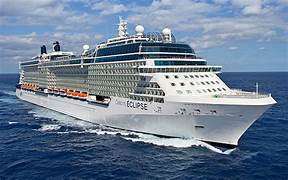
Robin and Cos love Celebrity Cruises. We took a 36-day back-to-back cruise from Mumbai, India, to Tokyo, Japan in 2025 and loved every moment. In 2026, we took a 30-day back-to-back from Singapore to Hawaii. We usually choose Aqua Class as it has its own restaurant.
Cos had been to Delhi and Chennai back in 1998 on a business trip and needless to say the impressions of India varied between “most chaotic and dirtiest place in the world”, to “such friendly people with a wonderful culture.”
We knew that Europeans, Portuguese and English in particular, had a strong influence on both countries. We also knew that Sri Lanka was primarily a Buddhist Country where India was principally Hindu with a Muslim presence. Given the strong role Portugal played in both Goa and Sri Lanka (formerly Ceylon) our expectations were correct that Sri Lanka would be more like Goa than Mumbai. In fact, Colombo wasn’t anything like Mumbai at all.
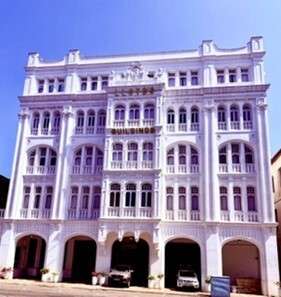
However, what surprised us was just how developed the city of Colombo is, despite a very complex history. But, definitely in need of foreign investment to help bring back many of the abandoned colonial era buildings that were a major presence in the “Columbo Harbor Sri Lanka” Fort area. For example, here are two classic colonial buildings, Lloyds of London and the famous Cargill’s Department Store, modeled after Harrods in London. Both are virtually empty today and in need of an investor to restore them to their previous glory. Behind Cargill’s you can see Colombo’s modern residential development.

Role of Buddhist Temples in Sri Lanka
Even more surprising to us, was the impact of the “Buddhist Temples in Sri Lanka.” Buddhism is deeply embedded in Sri Lankan culture and significantly influences various aspects of life on the island. It is the religion of the majority, with about 70% of the population identifying as Buddhist. This rich cultural heritage shapes social norms, traditions, festivals, and even laws and governance in Sri Lanka. We witnessed this not only in our visit to Kelaniya Raja Maha Viharaya, one of the revered “Buddhist Temples in Sri Lanka,” but also in our visit in Hambantota where we enjoyed a number of traditional Sri Lankan dances.
Here are a few ways in which Buddhism directs life in Sri Lanka:
- Cultural Celebrations: Festivals such as Vesak (celebrating the birth, enlightenment, and death of Buddha) and Poson (commemorating the introduction of Buddhism to Sri Lanka) are major events that bring communities together in celebration.
- Architecture and Art: Many iconic landmarks, such as the ancient city of Anuradhapura and the Dambulla Cave Temple, showcase the intricate relationship between Buddhism and Sri Lankan architecture and art.
- Education and Ethical Conduct: Buddhist teachings influence moral and ethical conduct, guiding people’s behavior and interactions. Many schools and universities incorporate Buddhist values and teachings in their curriculum.
- Governance and Politics: Buddhist principles have historically influenced governance and politics, with many leaders seeking guidance from Buddhist monks and institutions.
- Daily Life: Buddhism permeates everyday life, from the rituals of daily worship to the way people interact with each other and their environment.
The presence of Buddhism is palpable in the temples, stupas, and statues that adorn the landscape, and it continues to shape the identity and values of the Sri Lankan people. The harmony and compassion promoted by Buddhism are central to the way of life on the island.
Discovering Buddhist Temples in Sri Lanka

Discovering “Buddhist temples in Sri Lanka“, especially in Colombo and “Hambantota Harbor” where we visited, is a journey in itself, offering a glimpse into the spiritual heart of the country. The ornate architecture, intricate carvings, and serene ambiance of these temples provide a place for both locals and tourists to find peace and reflection. As you wander through the halls filled with the scent of incense and the sound of chanting monks, you can’t help but feel a sense of calm wash over you. Each temple holds its own unique history and significance, showcasing the deep-rooted traditions and beliefs of the Sri Lankan people.
The Kelaniya Raja Maha Viharaya, one of the revered “Buddhist Temples in Sri Lanka,” that we visited outside of Colombo was truly inspiring. Not only did we get to walk around the entire temple complex and enter the temple where Buddha’s remains are claimed to be stored, but we also had the opportunity to spend 45 minutes with a monk who explained to us the Buddhist philosophy. We say philosophy and not religion, because Buddhism is a way of life, more in the Monk’s opinion, than just a religion. To see the people honor Buddha, their God, then it was clear that what he said was in fact true.

This exploration of “Buddhist Temples in Sri Lanka” sets the stage for our next adventure in Colombo, as we delve into the bustling streets of the Pettah Market District, where the vibrant markets and lively atmosphere will transport you to a world of sensory delights.
Best Places to Visit in Sri Lanka, Indulging in the Rich History
As you delve into the streets of “Colombo Harbor, Sri Lanka,” you’ll find yourself immersed in the rich history of Sri Lanka, where each corner holds stories waiting to be told. Join us as we uncover the hidden treasures of Old Colombo, exploring the city’s past and present to truly understand its cultural significance. Get ready to be captivated by the charm of Colombo’s unexplored gems.
Exploring the Pettah Market District of Colombo Harbor, Sri Lanka
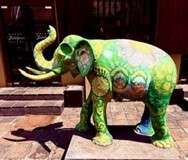
The market district in Colombo, Sri Lanka, is known as the Pettah Market. This bustling area is one of the most vibrant and chaotic places in the city, offering a unique glimpse into the daily life and culture of “Colombo Harbor, Sri Lanka.” The Pettah District is a kaleidoscope of sights, sounds, and smells, beckoning travelers to immerse themselves in the vibrant energy of this bustling market area.
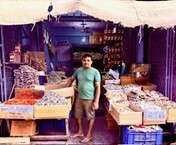
Narrow alleyways are lined with colorful stalls selling everything from fresh produce and spices to handcrafted textiles and traditional jewelry. The chaotic symphony of vendors calling out to passersby mingles with the hum of traffic and the occasional clang of a tuk-tuk bell, creating a sensory experience like no other. As you navigate the maze of streets, you’ll discover hidden gems and local treasures that offer a glimpse into daily life in Colombo. From savoring street food delicacies to bargaining for souvenirs, every step in Pettah brings new surprises and delights.
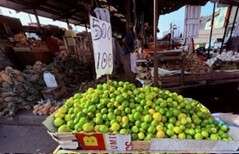
Importance of the Pettah Market:
- Economic Hub: Pettah Market is a major commercial center where locals and tourists alike can find a wide variety of goods, from fresh produce and spices to electronics and clothing. It plays a crucial role in the local economy by providing a space for small businesses and vendors to thrive. It is like no other central market that we have experienced in any other country.
- Cultural Experience: The market is a melting pot of cultures, with people from different backgrounds coming together to trade and interact. It offers a sensory overload with its sights, sounds, and smells, giving visitors an authentic Sri Lankan experience.
- Historical Significance: Pettah Market has a long history and has been a central part of Colombo’s trade and commerce for centuries. Its narrow streets and colonial-era buildings add to its charm and historical value.
- Tourist Attraction: For tourists, Pettah Market is a must-visit destination. It provides an opportunity to purchase unique souvenirs, taste local street food, and immerse yourself in the lively atmosphere of Colombo.
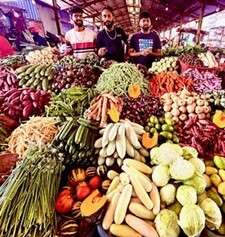
If you ever find yourself in Colombo, a visit to Pettah Market is a must, to truly experience the heart and soul of the city.
This eclectic mix of culture and commerce in the market sets the stage for your next adventure in Colombo, where you will uncover the secrets of the “Colombo Harbor Sri Lanka” Fort District and delve deeper into the city’s rich history and heritage.
The People of Sri Lanka
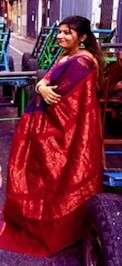
The people of Sri Lanka are very friendly and dress in very colorful clothes. They are very committed to their religion and will bring flowers and other goods to honor their Gods at the “Buddhist Temples in Sri Lanka.”

We visited Colombo on a Sunday, which brought out some fine, colorful dress.
Uncovering the Secrets of Colombo Harbor Sri Lanka, the Fort District
As you explore the charming streets of Old Colombo, you’ll find yourself transported back in time, surrounded by colonial architecture and remnants of a bygone era. Stately buildings with intricate facades stand as silent witnesses to the city’s tumultuous past, each telling a story of conquest and resilience. Wandering through the cobblestone lanes, you’ll stumble upon hidden courtyards and quiet squares that seem frozen in time, offering a glimpse into the lives of generations past.
The crumbling walls of ancient forts and the faded grandeur of colonial mansions whisper tales of heroes and villains, of triumphs and tragedies that have shaped the destiny of this vibrant city. From the elegant arcades of the Galle Face Green to the imposing towers of the Old Parliament Building, each architectural marvel in Old Colombo holds a piece of the city’s history, waiting to be uncovered by curious travelers like yourself.

So, set forth on your journey through the winding streets and hidden alleys of Old Colombo, where every corner holds a new mystery and every step reveals a piece of the cities’ storied past. As you unravel the secrets of this historic enclave, you’ll come to understand and appreciate the rich tapestry of cultures and traditions that make Colombo truly unique.
Why Visit the Colombo Harbor Sri Lanka Fort District
The Fort District in old Colombo, Sri Lanka, is a fascinating area that offers a blend of historical charm and modern vibrancy. Here are some reasons why it’s worth a visit:
- Historical Significance: The Fort District has a rich history dating back to the colonial era. It was initially fortified by the Portuguese in the 16th century, followed by the Dutch and the British. Each colonial power left its mark on the architecture and layout of the area. For example, the one building that is left from the Dutch, the old Dutch Hospital, is now a modern shopping and restaurant complex featuring the “Ministry of Crab” restaurant.
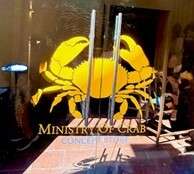
- Architectural Marvels: The district is home to several iconic buildings, such as the Old Parliament Building, which showcases neo-classical architecture, and the Old Dutch Hospital, one of the oldest buildings in Colombo, now transformed into a stylish shopping and dining precinct3.
- Cultural Experience: Walking through the Fort District, you’ll encounter a mix of colonial-era buildings and contemporary skyscrapers. The area is a melting pot of cultures, with diverse ethnic and religious communities contributing to its vibrant atmosphere.
- Scenic Views: The Fort District offers scenic views of the bustling harbor and the Galle Face Green Promenade, a popular spot for locals and tourists to relax and enjoy the sea breeze.
- Tourist Attractions: Key attractions in the area include the Colombo Lighthouse, the Clock Tower (originally a lighthouse), and the Colombo Fort Railway Station. The district is also home to several government buildings, hotels, and commercial centers.
- Shopping and Dining: The Fort District is a great place to shop for souvenirs and enjoy local cuisine. The Old Dutch Hospital, in particular, offers a variety of shops and restaurants, making it a popular destination for both locals and tourists.
Exploring the Fort District provides a unique opportunity to experience the historical and cultural richness of “Colombo Harbor Sri Lanka” while enjoying the modern amenities the city has to offer. It was a perfect way to prepare for our tour the next day in the town of Hambantota in the southern end of the Island.
Visiting Hambantota Harbor
Hambantota is a city located in the Southern Province of Sri Lanka. It has a rich history and is undergoing significant development to transform it into a major urban hub. However, it is still fairly rural as demonstrated by the number of times we had to stop on the road on our way from “Hambantota Harbor” to the “Safari Sri Lanka” to let the water buffalo pass:

Here are some key aspects of Hambantota:
Historical Significance
“Hambantota Harbor” has a long history dating back to ancient times. It was an important port for traders from Siam, China, and Indonesia. The name “Hambantota” is derived from “Sampan Thota,” meaning the port where sampans (boats) anchor.
Modern Development
In recent years, “Hambantota Harbor” has seen major development projects, including the construction of a new sea port and an international airport. These projects aim to boost the local economy and make Hambantota a significant urban center.
Hambantota Harbor Attractions:
- Ridiyagama Safari Park: A popular destination for wildlife enthusiasts.
- Walawe River Safari: Offers scenic boat rides and opportunities to observe local wildlife.
- Hambantota Cricket Stadium: A modern facility that hosts international cricket matches.
Safari Sri Lanka
Ridiyagama Safari Park is Sri Lanka’sfirst-ever safari park, located in the Hambantota District. Spanning500 acres, it offers a unique wildlife experience where animals roam freely in designated zones. The park is divided into six zones, with carnivorous animals like lions and tigers in four zones and herbivores in two. Visitors can explore the park via bus or safari jeep, encountering species such as zebras, giraffes, Bactrian camels, and Sri Lankan elephants. Opened to the public in 2016, it continues to be a popular attraction for wildlife enthusiasts. You can find more details here.

Cultural and Natural Beauty
Hambantota is known for its beautiful landscapes, including pristine beaches and lush greenery. The region is also home to several cultural and historical sites, making it a fascinating place to explore. During a visit to “Hambantota Harbor”, one of the “Best Places to Visit in Sri Lanka” is the Ridiyagama Safari Park. In fact, if you are staying in Hambantota for more than one day you might want to stay at the Chaarya Resort & Sap which is very close to the “Safari Sri Lanka.”
Where to Stay in Hambantota: Chaarya Resort & Spa
During our visit we decided along with five other people, to go on a small group tour to the Chaarya Resort & Spa.

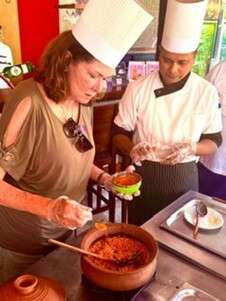
While there we had a wonderful cooking class learning how to make curry, Sri Lanka style. They use very different spices than the curries made in India. Here is a picture of Robin preparing a red lentil curry.
If you ever get the chance to visit, Hambantota Harbor offers a unique blend of history, culture, and modern development.
Exploring Traditional Sri Lankan Dance
Traditional “Sri Lankan Dance” is a mixture of drums and dancers in colorful costumes representing various aspects of the local life and customs. We were fortunate to be able to witness the following traditional dances:
Sri Lankan Dance: Puja Dance

Sri Lankan Dance: Devil Dance

Sri Lankan Dance: Kandyan Dance

Sri Lankan Dance: Traditional Drum Event

Sri Lankan Dance: Fire Dance

Sri Lankan Dance: Peacock Dance

Sri Lankan Dance: Monkey Dance

Each “Sri Lankan Dance” provided a rare look into the Sri Lankan culture and the wonderful traditions of the Island. The performers were very happy to share their love of the dance,
Conclusion
As we conclude our journey through “Hambantota Harbor”, and “Colombo Harbor Sri Lanka” we have delved into its rich history, explored Buddhist temples, observed traditional “Sri Lankan Dance”, learned to cook curry, wandered through the vibrant Pettah District, and unraveled the secrets of Old Colombo.
If you decide to visit Sri Lanka, be prepared to be enchanted by the allure of Sri Lanka’s unique culture. , We urge you to take the road less traveled and uncover the whispers of the Orient in this captivating country. Remember, the beauty of Sri Lanka lies not only in its past but also in the present moment. So, pack your bags, embrace the unknown, and let the whispers of the Orient guide you on an unforgettable adventure.
Travel smarter, dine better and explore deeper: we’d love to share our handpicked insights and exclusive guides in our monthly newsletter below.
“Travel far enough, you meet yourself.” – David Mitchell
0 Comments