
Contents
- 1 Travel the World: Visiting Malaysia on a Two Day Malaysia Itinerary
- 2 Geography of Malaysia: Thailand to the North, Singapore to the South
- 3 Is Malaysia Itinerary Safe to Visit?
- 4 Economic Growth of Malaysia as a Country
- 5 Visit Malaysia: Places to Visit to Learn About Religion
- 6 Places in Malaysia to Visit: Major Cities, Kuala Lumpur, and the Island of Penang
- 7 Visiting Malaysia Itinerary: Discovering the Architectural Wonders of Kuala Lumpur
- 8 Malaysian National Museum and Presidential Palace
- 9 Visiting Malaysia: Independence Park
- 10 Malaysia Places to Visit: Penang Island
- 11 Immersing in Off-the-Beaten-Path Cultural Experiences
- 12 Conclusion
- 13 Final Thoughts
Travel the World: Visiting Malaysia on a Two Day Malaysia Itinerary
Visiting Malaysia surprised us when we traveled there during our 2025 “Whispers of the Orient 72-day Tour.” Not only did we find many places to visit in Malaysia, but we also found the country to be very modern and welcoming to tourists. In short, visiting Malaysia is a great place to visit. In Malaysia, two of the best places to visit are the capital city of Kuala Lumpur and the contemporary, technologically advanced city of Penang. This was a significant change from the less developed country we knew in the 20th century.
This post will discuss some basic information about a Malaysia travel itinerary, including “places to visit in Malaysia,” and address “Is Malaysia safe to visit?” The Malaysia Itinerary is a two day Malaysia Itinerary.

Geography of Malaysia: Thailand to the North, Singapore to the South
Malaysia has a great location and has two distinct regions. The region we visited, including Kuala Lumpur and Penang, is the Peninsular Malaysia, which forms the country’s western portion. The Malay Peninsula, as it is better known, is famous for its diverse landscapes, including mountains, rainforests, and coastal areas. Thailand borders it to the north and Singapore to the south.

Places to Visit in Malaysia: Malaysian Borneo on the Island of Borneo
East Malaysia is situated in the northern part of Borneo. The South China Sea lies between the Malay Peninsula’s east coast and the island of Borneo, so Malaysia’s East Malaysia coastline (on Borneo) borders this sea. We did not visit the Malaysian Borneo Region. But we learned that it’s a breathtaking region known for its lush rainforests, diverse wildlife, and rich indigenous cultures. It consists of the states of Sabah and Sarawak, which make up about 26% of the island of Borneo.
What Makes Malaysian Borneo Special?
- Rainforests & Biodiversity: Home to orangutans, pygmy elephants, proboscis monkeys, and thousands of unique plant species.
- Mount Kinabalu: The highest peak in Southeast Asia, attracting climbers from around the world.
- Indigenous Cultures: The Iban, Kadazan-Dusun, and Dayak peoples have fascinating traditions, including longhouse living and intricate tattoos.
- Adventure & Eco-Tourism: Offers diving in Sipadan, jungle trekking in Danum Valley, and river safaris along the Kinabatangan River.
- Caves & Geological Wonders: Features Mulu Caves, one of the largest cave systems in the world.
Malaysian Borneo is a paradise for nature lovers, adventure seekers, and cultural explorers.
Is Malaysia Itinerary Safe to Visit?
The question that is asked by many first time visitors, “Is Malaysia safe to visit?”, is always a good question to ask before visiting any new country.
Compared to its neighbor, Singapore to the South, Malaysia is historically considered a much less developed country, which has given it a somewhat negative reputation. However, over the past thirty-plus years, Malaysia has evolved as a more sophisticated country and has been generally considered a safe country for both travelers making their first trip and seasoned travelers. It has a relatively low crime rate compared to other popular destinations in Southeast Asia. However, like any travel destination, it’s essential to be aware of potential risks and take precautions to ensure a safe and enjoyable trip. We had a safe and great time on our two day Malaysia Itinerary.
- Moderate Crime Rate: Malaysia has a moderate crime rate compared to other countries in the region, with petty theft and scams being the most common concerns for tourists. Violent crime is not very prevalent.
- Lower Crime in Kuala Lumpur: As a great city, Malaysia’s capital, Kuala Lumpur, has a lower crime index than many other major global cities.
Kuala Lumpur and Penang are generally safe for travelers, but like any major city, they have some safety concerns to be aware of:
Crime & Scams
Organized criminal groups are mainly involved in illegal gambling, drug trafficking, smuggling, and cybercrime, but they generally operate below the surface and do not target travelers. However, here are criminal activities to be aware of.
- Petty Theft & Pickpocketing: Common in crowded areas like shopping malls and public transport. As in most big cities, foreign nationals should protect their wallets and travel documents.
- Bag Snatching: Motorcyclists sometimes grab bags from pedestrians, leading to injuries.
- Taxi Scams: Some drivers refuse to use meters or overcharge tourists.
- Fake Monks & Child Sellers: Scammers posing as monks or children selling goods may approach tourists.
Health & Environmental Risks
- Food Safety: Some travelers experience food poisoning or bacterial infections from street food.
- Mosquito-Borne Diseases: Dengue fever is a concern, especially during the rainy season.
- Air Pollution & Haze: Seasonal haze from nearby forest fires can affect air quality.
Other Safety Issues
- Traffic & Road Safety: Kuala Lumpur has heavy traffic, and pedestrian crossings may not always be respected.
- Natural Disasters: Floods and landslides can occur during the rainy season.
- Terrorism Risk: While rare, Malaysia has experienced isolated incidents.
Despite these concerns, Kuala Lumpur and Penang remain popular destinations. Taking basic precautions—like staying aware of your surroundings, using reputable transport services, and avoiding unsafe areas—can help ensure a safe visit.
Official Language of Malaysia
The official language of Malaysia is Malay. It’s used in government, schools, media, and daily communication. English is also widely spoken, especially in business, tourism, and urban areas, and many Malaysians are multilingual, often speaking Chinese dialects (like Mandarin, Cantonese, Hokkien) or Tamil, depending on their heritage.
Malaysian Government and Local Police
Malaysia is a constitutional monarchy and federal parliamentary democracy — meaning it combines a king as head of state with an elected government.
The Royal Malaysia Police (Polis Diraja Malaysia – PDRM) is the national police force, recognizable by its dark blue uniforms and friendly manner.
- Tourists generally find police helpful and professional, especially in major cities and airports.
- Drug offenses are treated extremely seriously— penalties are harsh, including long prison sentences or even the death penalty for trafficking.
- Always carry a copy of your passport or ID, as police may request to see it.
Economic Growth of Malaysia as a Country
Since its formation in 1963, Malaysia’s economic performance has been one of Asia’s best. From 1988 to 1997, the Malaysian economy experienced broad diversification and sustained rapid growth averaging 9% annually. High levels of foreign and domestic private investment played a significant role as the economy diversified and modernized. Once heavily dependent on primary products such as rubber and tin, Malaysia today is an upper-middle-income country with a multi-sector economy based on services and manufacturing. Malaysia is one of the world’s largest exporters of semiconductor components and devices, solar panels, and information and communication technology products.
Malaysian Currency
The local currency of Malaysia is the Malaysian Ringgit. 1 Malaysian Ringgit (MYR) is worth approximately 0.25 United States Dollar (USD).
What Products Support the Malaysian Economy
Malaysia is known for a diverse range of products, from traditional handicrafts to globally exported goods. Here are some of the most famous Malaysian products:
Traditional & Cultural Products
- Batik – A beautifully patterned fabric made using wax-resist dyeing techniques.
- Pewter – Malaysia is a leading producer of pewter, used for decorative items, jewelry, and household goods.
- Dodol – A sticky, chewy toffee-like candy, often flavored with pandan or durian.
Food & Agricultural Exports
- Palm Oil – Malaysia is one of the world’s largest producers of palm oil.
- White Coffee – Originating from Ipoh, this creamy coffee is a Malaysian specialty.
- Musang King Durian – A highly sought-after durian variety known for its rich flavor.
Manufactured & Industrial Products
- Electronics & Semiconductors – Malaysia is a significant hub for semiconductor manufacturing.
- Rubber Products – Including gloves, tires, and medical supplies.
- Steel & Aluminum – Malaysia produces high-quality metal products used in construction and manufacturing.
Major Minerals Mined in Malaysia
Malaysia has a rich mining industry that produces a variety of minerals and other resources. Some of the key minerals mined in Malaysia include:
- Tin – Historically, Malaysia was one of the world’s largest producers of tin.
- Gold – Found mainly in Pahang, Kelantan, and Terengganu.
- Bauxite – Mined in Johor and Pahang, though operations have been restricted due to environmental concerns.
- Coal – Reserves are primarily located in Sabah and Sarawak.
- Iron Ore – Found in Perak, Kedah, and Pahang.
- Copper – Mined in Sabah.
- Limestone & Kaolin – Used in construction and ceramics.
- Silica Sand – Important for glass manufacturing.
Malaysia’s mining sector has evolved, with environmental regulations shaping its future.
Tin Mining
Tin mining played a significant role in Malaysia’s economic development, especially during the 19th and 20th centuries. Here’s a look at its history:
Early Tin Mining (1800s)
- Tin mining began in Perak in the 1820s and in Selangor in 1824.
- The industry attracted Chinese immigrants, who worked in the mines and helped develop the sector.
- By the late 19th century, Malaysia became the world’s largest tin producer, supplying over half of global tin output.
British Influence & Industrialization (1900s)
- The British colonial administration invested in railways and infrastructure to support tin mining.
- Dredging machines were introduced in 1912, revolutionizing the industry.
- By 1931, British firms controlled over 65% of Malaysia’s tin production.
Decline & Modern Era (1980s–Present)
- Tin mining declined sharply in the 1980s due to competition from Brazil and falling tin prices.
- In 1989, Malaysia established the Tin Products Manufacturers’ Association to support the industry.
- Today, tin mining is no longer a primary industry, but Malaysia still produces tin for electronics and industrial use
The Malaysian National Museum has an excellent exhibit about the history of tin mining in Malaysia. See below for more about the museum.
Visit Malaysia: Places to Visit to Learn About Religion
Our tour guide in Penang told us a lot about religion in the country. Malaysia is an Islamic country as per Article 3 of its Constitution.

Muslims make up roughly 65% of the population, with Buddhists, Hindus and Christians making up the majority of the other religions. Most importantly, people who originate from Malaysia, (Malays) must be Muslim and cannot renounce their Islamic faith. A child born from Malaysian parents is Muslim for life; before getting married, a mixed Muslim couple must convert to Muslim.
Religion plays a significant role in Malaysian culture, shaping traditions, celebrations, and even daily life. Here’s how different faiths influence the country’s rich cultural fabric:
Religious Influence on Malaysian Culture
- Festivals & Public Holidays: Major religious celebrations—such as Hari Raya Aidilfitri (Islam), Deepavali (Hinduism), Chinese New Year (Buddhism/Taoism), and Christmas (Christianity)—are observed nationwide, showcasing Malaysia’s diversity.
- Architecture & Landmarks: Malaysia features stunning religious sites, including the Putra Mosque, Sri Mahamariamman Temple, Thean Hou Temple, and St. George’s Church.
- Food & Dietary Practices: Islamic halal food regulations are widely followed, and Hindu communities avoid beef.
- Traditional Attire: Modesty in clothing is influenced by Islam, while cultural garments like baju kurung, sarees, and cheongsams reflect Malaysia’s ethnic mix.
- Community & Social Harmony: Despite religious differences, many Malaysians celebrate each other’s festivals, fostering unity.
Religion is deeply intertwined with Malaysia’s history and identity.
Places in Malaysia to Visit: Major Cities, Kuala Lumpur, and the Island of Penang
Step into the vibrant tapestry of Malaysia as we uncover the hidden gems of Kuala Lumpur and Penang, where the whispers of the Orient beckon you to explore beyond the surface. From the architectural wonders that tell stories of rich history to the off-the-beaten-path cultural experiences waiting to be discovered, this journey will take you on a unique understanding of these places in Malaysia to visit.
Prepare to be mesmerized by the authentic local charm that lies beyond the tourist hotspots, as we delve into the heart of Kuala Lumpur and Penang to reveal their secrets and treasures. So, pack your bags and get ready to immerse yourself in the vibrant culture, mouth-watering delicacies, and unforgettable memories that await in Malaysia.
Visiting Malaysia Itinerary: Discovering the Architectural Wonders of Kuala Lumpur
If you are flying to Malaysia, the Kuala Lumpur International Airport (KLIA) is likely the first place you will see in the country. KLIA is one of Southeast Asia’s major air hubs and is quite impressive. While not as architecturally significant as its neighboring airport in Singapore, KLIA has its own unique attributes, including the Jungle Boardwalk — a real rainforest preserved within the terminal, where you can take a short walk among tropical trees.
In Kuala Lumpur, the architectural wonders stand as testaments to the city’s rich heritage and diverse influences. As you wander through the bustling streets of Kuala Lumpur, you’ll encounter a blend of traditional Malay, Chinese, Indian, and colonial influences that have shaped the city’s vibrant tapestry. Prepare to immerse yourself in the unique cultural melting pot that is Kuala Lumpur, where every corner holds a new discovery waiting to be unveiled.
Things to see in Kuala Lumpur include the iconic Petronas Twin Towers towering over the city skyline, and the historic Sultan Abdul Samad Building showcasing Moorish-style architecture. Each structure tells a story of Malaysia’s past and present.
Things to See: Petronas Tower
The Petronas Twin Towers are an iconic landmark in Kuala Lumpur, Malaysia. Standing at 451.9 meters (1,483 feet), they were the tallest buildings in the world from 1996 to 2004 and remain the tallest twin towers in the world.
Key Features
- Architecture: Designed by César Pelli, the towers feature Islamic-inspired motifs and a postmodern style.
- Skybridge: A two-story bridge connecting the towers at levels 41 and 42.
- Observation Deck: Located on level 86, offering breathtaking views of Kuala Lumpur.
- Suria KLCC Mall: A luxury shopping center at the base of the towers.
- KLCC Park: A scenic park with fountains and walking trails.
Visiting Information
- Location: Jalan Ampang, Kuala Lumpur.
- Opening Hours: 9 AM – 9 PM daily (closed on Mondays).
- Tickets: Available online or at the entrance.

Places to go on the Malaysia Travel Itinerary: KL Tower
The KL Tower is one of the most popular attractions to see in Kuala Lumpur.

Unique & Fun Facts
-
It is claimed to be the only tower in the world located within a virgin tropical rainforest in the heart of a city (KL Forest Eco Park).
-
There’s an annual stair-race event up the tower’s stairs.
-
The tower is also used as an Islamic “falak” observatory to determine the new moon for marking months like Ramadhan and Zulhijjah
Things to See: Sultan Abdul Samad Building(
The Sultan Abdul Samad Building is one of Malaysia’s most iconic historical landmarks, across from Independence Square.

Key Facts
- Built in 1897, it originally housed the British colonial administration.
- Named after Sultan Abdul Samad, the reigning Sultan of Selangor at the time.
- Features Moorish, Indo-Saracenic, and Neo-Mughal architecture, designed by A.C. Norman, R.A.J. Bidwell, and A.B. Hubback.
- Once housed Malaysia’s superior courts, including the Federal Court, Court of Appeals, and High Court of Malaya.
- Today, it serves as the offices for Malaysia’s Ministry of Communications and Multimedia and the Ministry of Tourism and Culture.
Architectural Highlights
- Clock Tower: A 40-meter-high tower with a golden dome, often compared to Big Ben.
- Red Brick Facade: A blend of British and Islamic influences, reflecting Malaysia’s cultural heritage.
- Grand Arches & Colonnades: Stunning white arches and curved colonnades enhance its visual appeal.
Cultural Significance
- The building was a witness to Malaysia’s independence declaration on August 31, 1957.
- It serves as the backdrop for Malaysia’s annual Independence Day parades.
- At night, the building is illuminated with colorful lights, making it a popular photography spot.
Malaysian National Museum and Presidential Palace
Unveiling the Rich History at the Malaysian National Museum and the Presidential Palace, you’ll delve deeper into the historical significance of these iconic landmarks and gain a better understanding of Malaysia’s storied past.
Presidential Palace
Malaysia’s Presidential Palace is known as Istana Negara, which translates to National Palace. It serves as the official residence of the Yang di-Pertuan Agong, the King of Malaysia. On our guided tour we were able to see the palace from the outside, but were not able to tour inside,

Key Facts About Istana Negara
- Location: Situated along Jalan Tuanku Abdul Halim in Kuala Lumpur.
- Architecture: A blend of Malay, Islamic, and Western styles, featuring 22 domes and a grand golden dome.
- History: The current palace was inaugurated in 2011, replacing the old Istana Negara.
- Royal Guards: Visitors can see Royal Guards dressed in traditional Malay and British-inspired uniforms at the main gate.
- Public Access: While the palace itself is not open to the public, visitors can take photos outside the main entrance and witness the changing of the guard ceremony

Malaysia’s Monarchy System
Malaysia’s monarchy is a unique and fascinating institution that plays a key role in the country’s governance and cultural identity. Here’s a deeper look at its traditions and significance:
- Rotational Kingship: Malaysia has a rare system where the Yang di-Pertuan Agong (King) is elected every five years from among the nine Malay rulers of the country’s states.
- Ceremonial Role: While the King is the Head of State, Malaysia operates as a constitutional monarchy, meaning elected officials lead the government.
- Royal Family & Sultans: Each state with a monarch has its own Sultan or Raja, who maintains distinct traditions and customs.
Royal Traditions & Significance
- Istana Negara (National Palace) is the official residence of the King.
- The installation ceremony of a new King is a grand affair with cultural performances and religious rites.
- The monarchy symbolizes unity, history, and Malay heritage.
- The King’s role includes appointing the Prime Minister, safeguarding Islam, and upholding national traditions.
The monarchy is deeply respected in Malaysian society, and royal events—such as birthdays and coronations—are celebrated nationwide.
Malaysia Places to Visit: Malaysian National Museum
The Malaysian National Museum is a short trip from the Palace. It serves as a treasure trove of artifacts and exhibits showcasing the country’s diverse heritage, from ancient civilizations to modern-day Malaysia.

The Malaysian National Museum, known as Muzium Negara, is the country’s premier museum, showcasing Malaysia’s history, culture, and heritage. Located in Kuala Lumpur, it serves as a repository of Malaysia’s rich past, with exhibits ranging from prehistoric artifacts to modern history.
Key Features
- Four Main Galleries: Covering Prehistory, Malay Kingdoms, Colonial Era, and Malaysia Today.
- Architectural Design: Built in the style of a Malay palace, featuring traditional and modern elements.
- Historical Murals: Large Italian glass mosaic murals depicting Malaysia’s history.
- Special Exhibitions: Rotating displays on ASEAN culture, national heritage crafts, and historical events.
Visiting Information
- Location: Jalan Damansara, Kuala Lumpur.
- Opening Hours: 9 AM – 5 PM daily (closed on certain holidays).
- Admission Fees: RM2 for Malaysians, RM5 for non-Malaysians.
- Guided Tours: Free tours available with prior reservation.
Together, these two landmarks provide a comprehensive look into Malaysia’s past, setting the stage for further exploration of its journey towards independence at Independence Park.
Visiting Malaysia: Independence Park
Nestled in Kuala Lumpur’s city center, Independence Park stands as a symbol of Malaysia’s struggle for freedom and sovereignty. Here, visitors can walk in the footsteps of the country’s founding fathers and reflect on the sacrifices made to secure independence. It is the city’s most popular attraction. The park features statues, monuments, and plaques that honor the leaders and movements that shaped Malaysia’s destiny. As you explore Independence Park, you’ll gain a deeper appreciation for the resilience and determination of the Malaysian people in their fight for freedom.

With a newfound understanding of Malaysia’s journey towards independence, it’s time to head to Penang, where you’ll uncover even more hidden gems waiting to be explored.
Malaysia Places to Visit: Penang Island
Penang, known as the “Pearl of the Orient,” is a vibrant island off the west coast of Malaysia that offers a rich tapestry of history, culture, and natural beauty. From the colonial architecture of George Town to the sandy beaches of Batu Feringghi, Penang is a treasure trove of hidden gems waiting to be discovered. It is a UNESCO World Heritage City. Along with Malaca, Legong Valley, and the Forest Park in Selanga, Penang is also a UNESCO World Heritage Site in Peninsular Malaysia.
As you roam the streets lined with colorful street art and visit the bustling markets filled with local delights, you’ll soon realize that Penang is a place where the past seamlessly blends with the present, creating a unique atmosphere that enchants visitors from all walks of life. And when you’re ready to elevate your exploration to new heights, a ride on the Funicular will take you to Penang Hill, where breathtaking views of the island await.
Funicular
For a truly unique experience in Penang, hop on the Funicular Railway for a scenic ride up Penang Hill.

The Funicular Railway is a historic railway that takes passengers through lush tropical forests up to an elevation where panoramic views of the island await. As you ascend, you’ll feel a sense of excitement building, knowing that you’re about to witness something truly special. Once you reach the top, the breathtaking vistas of Penang and its surrounding waters will leave you in awe. This unforgettable journey on the Funicular is just a taste of the wonders that await you in Penang, setting the stage for your next adventure at the majestic Kek Lok Si Temple.,
Kek Lok Si Temple
Perched high on a hillside overlooking the bustling city of Penang, the Kek Lok Si Temple stands as a beacon of cultural and spiritual significance.

This sprawling complex is a true testament to Malaysia’s rich heritage, with its intricate architecture, colorful statues, and peaceful gardens offering visitors a serene escape from the hustle and bustle below. As you wander through the temple grounds, you’ll be enveloped in a sense of tranquility, with the sounds of chanting and the scent of incense filling the air.
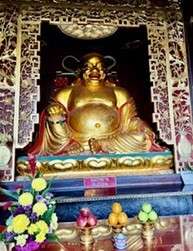
The Kek Lok Si Temple is a place where ancient traditions blend seamlessly with modern life, inviting travelers to immerse themselves in a world of wonder and spirituality. After experiencing the beauty and serenity of this sacred site, it’s time to delve even deeper into Malaysia’s hidden gems by immersing yourself in off-the-beaten-path cultural experiences.
Immersing in Off-the-Beaten-Path Cultural Experiences
Venturing beyond the well-trodden tourist paths of Kuala Lumpur and Penang unveils a world of hidden cultural treasures waiting to be discovered. From traditional village homestays to intimate cooking classes with local chefs, there are endless opportunities to immerse yourself in the authentic local culture and the heart of Malaysia. These off-the-beaten-path experiences offer a glimpse into the soul of the country, allowing you to connect with its people, traditions, and heritage in a meaningful way. As you peel back the layers of Malaysia’s cultural tapestry, you’ll find yourself on a journey of discovery and enlightenment, ready to uncover the next hidden gem around every corner.
Street Art
This exploration of Malaysia’s lesser-known cultural gems sets the stage for the vibrant street art scene that has taken both Kuala Lumpur and Penang by storm. In every alleyway, on every building façade, and around each corner, you’ll encounter a kaleidoscope of colors and creativity that breathe new life into the urban landscape. From intricate murals depicting historical events to whimsical graffiti showcasing local artists’ talents, the street art in Malaysia is a feast for the eyes and a testament to the country’s artistic spirit. Discovering these hidden masterpieces adds another layer of depth to your journey, offering a different perspective on Malaysia’s rich cultural tapestry.

As you continue to explore the streets of Kuala Lumpur and Penang, keep an eye out for these mesmerizing works of art that tell stories of the past, present, and future. Each mural, painting, and installation is a testament to Malaysia’s vibrant artistic community, inviting you to become part of its colorful narrative. So, grab your camera, lace up your walking shoes, and prepare to be swept away by the beauty and creativity of Malaysia’s bustling streets. The vibrant street art scene is just one more reason why Malaysia’s hidden gems are waiting to be uncovered and celebrated.
If you want to learn more about Street Art around the world, then please check out our post: Love Graffiti Art.
Conclusion
As we conclude our journey through the hidden gems of Kuala Lumpur and Penang, we have uncovered the architectural wonders, rich history, and off-the-beaten-path cultural experiences that make these cities truly special. Now is the time to pack your bags, embrace the local charm, savor the flavors of the region, and create unforgettable memories that will last a lifetime. So go ahead, dive into the vibrant streets, immerse yourself in the culture, and discover the magic that Malaysia has to offer. Make your own whispers of the Orient and let the adventure begin.
Final Thoughts
If you need some help getting started with your travel planning, the best way is to check out our Guide to DIY Travel.
If you wish to learn more about other Southeast Asian Countries, and the best time to visit, including when to miss the heavy rains of the monsoon season, please visit our blog post “Best Time of Year to Travel to Southeast Asia.”
All places in Southeast Asia are worth visiting. Whether you’re exploring ancient temples, enjoying lantern-lit river rides, or indulging in world-class cuisine, there’s something magical here for every traveler. Here are some additional posts that you might want to visit to get more details about each country that Robin and Cos have visited:
- Top 10 Places to Visit in Vietnam
- Vietnam Best Time to Visit for Your Dream Vacation
- Beach Resorts Near Ho Chi Minh City: Vung Tau Vietnam Beach
- Phuket Tourist Places to Visit in Phuket, Thailand
- Visit Thailand: Bangkok and Phuket
- Best Time to Visit Singapore
- Visit Cambodia
- Unique Intramuros Tour in Manila, Philippines
- How Many Days to Spend in Bali?
Instead, if you want to learn more about Places to visit in Malaysia, please visit TripAdvisor.

If you want to learn more about Places to Visit in Malaysia or where to stay in Malaysia then you have come to the right place. Please click below.
Travel smarter, dine better, and explore deeper: we’d love to share our handpicked insights and exclusive guides in our monthly newsletter below.
0 Comments