
Travel is one of life’s greatest joys, and for retirees, it offers the perfect opportunity to indulge in one of the most rewarding aspects of exploration food. Years of business trips and brief vacations gave me a taste of different cultures, but retirement opened the door to truly immersing myself in the culinary traditions of the places I visit. Food tells the story of a destination, offering a sensory experience that goes beyond sightseeing. Whether you’re a seasoned traveler or just beginning your post-retirement adventures, these culinary travel tips will help you savor the world, one bite at a time.
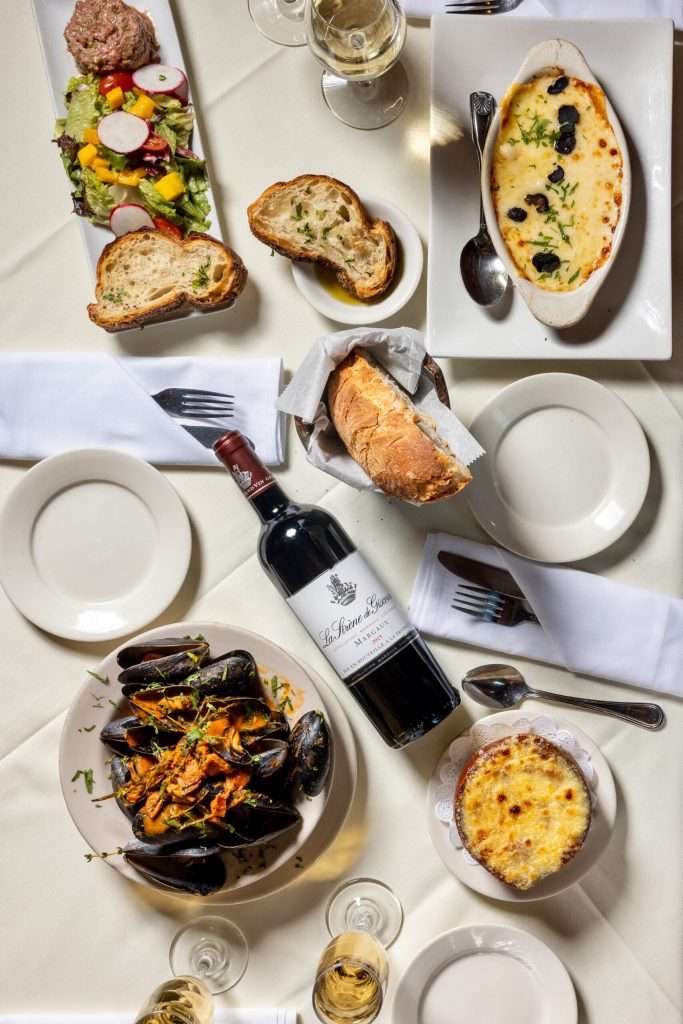
Contents
Missing Out on Authentic Culinary Experiences
Many travelers stick to tourist-heavy dining spots, missing out on the authentic flavors that define a culture. Chain restaurants and overpriced hotel buffets may offer familiarity, but they rarely capture the essence of a destination’s food culture. Without proper planning, it’s easy to fall into the trap of convenience, eating at places designed for tourists rather than experiencing meals prepared with tradition and local pride. For retirees who have the luxury of time, there’s an opportunity to approach travel differently. Instead of rushing from one attraction to another, the focus can shift to slow, intentional experiences like discovering a hidden trattoria in Italy, learning to make paella in Spain, or wandering through a bustling market in Thailand. The key is knowing where to go and how to immerse yourself in the local food scene without feeling overwhelmed.

Embracing Culinary Adventures in Retirement
Retirement provides the perfect chance to travel with an open mind and an eager palate. Unlike fast-paced business trips or rushed vacations, there’s now time to savor flavors, learn cooking techniques, and connect with locals over shared meals. Culinary travel isn’t just about eating it’s about engaging with traditions, meeting passionate food artisans, and creating lasting memories around the table. Imagine sipping fresh espresso at a café in Paris, sharing a home-cooked meal with a host family in Morocco, or strolling through a vineyard in Argentina as you sample regional wines. These experiences bring depth to your travels and make every trip more meaningful. By embracing food as a central part of your journey, you’ll find yourself learning more about history, culture, and people than any guidebook could teach you.
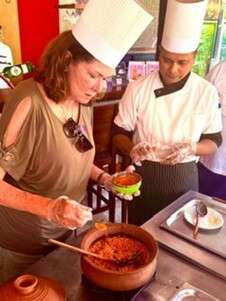
Robin Learning how to make curry in Sri Lanka.
Culinary Travel Tips for a Flavorful Journey
Research Local Specialties Before You Go
Every region has its signature dishes, and knowing what to look for enhances your dining experiences. Before arriving at a new destination, take time to learn about its food traditions. What is the national dish? What are the must-try street foods? Are there any seasonal specialties? This research helps you avoid generic tourist menus and instead seek out meals that define the local cuisine. Food blogs, travel guides, and even social media can provide inspiration. Look up restaurant recommendations from locals and food critics to find hidden gems instead of sticking to spots listed in mainstream travel brochures.
Visit Local Markets and Food Halls
Markets are the heartbeat of a city’s food scene. From fresh produce and spices to homemade pastries and seafood, they offer a glimpse into everyday life. Walking through a market allows you to sample a variety of flavors in one place while supporting local vendors. In places like Bangkok’s floating markets, Barcelona’s La Boqueria, or Mexico City’s Mercado de San Juan, you can interact with food sellers, learn about unique ingredients, and even pick up snacks for a picnic. Many markets also host food stalls where you can try affordable, authentic meals prepared right in front of you.

Take a Cooking Class
One of the best ways to connect with a destination’s food culture is by taking a cooking class. Learning to prepare traditional dishes gives you a deeper appreciation for local ingredients and techniques. Plus, it’s a skill you can bring home, allowing you to recreate flavors from your travels in your own kitchen. Cooking classes range from casual, hands-on workshops in family homes to professional culinary schools where you can master regional cuisine. Whether it’s rolling sushi in Japan, making fresh pasta in Italy, or baking traditional French pastries, these experiences make for unforgettable souvenirs.
Opt for Small, Family-Run Restaurants
Instead of dining at large, tourist-heavy establishments, seek out small, locally-owned eateries. Family-run restaurants often serve recipes passed down through generations, giving you a true taste of home-cooked authenticity. Ask locals for recommendations, whether it’s your hotel concierge, a tour guide, or even a friendly shop owner. They often know the best spots that don’t make it into travel books. If you’re feeling adventurous, try a “menu del día” (menu of the day) at a small café these meals are often made with the freshest ingredients and provide great value.
Embrace Street Food with Confidence
Some of the best meals in the world are found on the streets. From tacos in Mexico City to banh mi in Vietnam, street food showcases a country’s culinary heritage in its most accessible form. However, some travelers hesitate to try street food due to concerns about hygiene or food safety. To enjoy street food safely, observe where the locals eat if a stall has a long line of residents, it’s usually a good sign of quality and freshness. Look for vendors who cook food to order and have clean preparation areas. Bringing hand sanitizer and opting for bottled water can also help you avoid common travel stomach issues.
Pair Your Meals with Local Beverages
Food and drink go hand in hand, and trying regional beverages enhances the culinary experience. Whether it’s a locally brewed beer, a traditional herbal tea, or a glass of wine from a nearby vineyard, these drinks tell their own stories about a destination. Wine-tasting tours, brewery visits, and tea ceremonies offer a deeper look into the production process. Even something as simple as enjoying a traditional Turkish coffee or a pint of Guinness in Dublin can provide cultural insight beyond just the taste.

Plan Food-Centered Itineraries
While historical sites and natural wonders are must-sees, planning a few food-focused activities can make your trip even more enriching. Consider booking a food tour, dining at a Michelin-starred restaurant, or attending a local food festival. Many cities offer guided food tours that take you to the best eateries while sharing the history behind the dishes. Festivals like Spain’s La Tomatina, Japan’s Cherry Blossom Festivals with seasonal snacks, or Louisiana’s Crawfish Boil events are perfect for immersing yourself in local culture through food. Here are some recent posts that show how our itineraries were planned around certain food; types
- Mid-coast Maine, U.S. food:
- In Manhattan, we picked the best restaurants near Houston Street.
- When in Cabo San Lucas and San Jose del Cabo, we love to dine romantically.
- Brunch is a favorite of ours. We review best brunches in Park City.
In addition, we share our use of Bib Gourmand and Michelin ratings to find the best restaurants for our travels. We also share our best picks internationally.
Make Every Meal an Adventure
Culinary travel isn’t just about eating it’s about discovering the heart and soul of a destination through its flavors. By researching ahead of time, visiting local markets, embracing street food, and taking cooking classes, retirees can enjoy enriching experiences that make travel even more meaningful. Every meal tells a story, and every bite connects you to the history, people, and traditions of a place.
To find some great ideas for restaurants and our tips on making reservations, click here.
With these tips, you can embark on delicious adventures around the world, turning each trip into an unforgettable gastronomic journey. For more travel tips, exclusive discounts, and recommendations, visit COS’S TRAVEL GUIDE. Let’s explore the world one meal at a time!
0 Comments