

Contents
Why Visit the Mariana Islands: Saipan Vacations and Guam?
You might ask, “Why Visit the Mariana Islands, Guam, and especially Saipan?” That is a very Good Question. In any case, welcome to the Mariana Islands in Oceania.
In this installment of their 72-day Asian adventure, Cos and Robin share their unique discoveries from the Mariana Islands. On their way home from their 2025 “Whispers of the Orient” 72-day World Tour, they visited both Saipan and Guam on their path from Japan to Honolulu, Hawaii. The two Pacific islands share similarities but differ in several ways.
The Mariana Archipelago, including Saipan and Guam, offers a unique blend of natural beauty, rich history, and vibrant culture. Whether looking for pristine beaches, World War II sites, or adventurous outdoor activities, these islands have something for everyone. However, Saipan is much more known for Saipan Vacations, and Guam is known for the US Military Presence.
Why Visit Saipan Vacations? Capital of Commonwealth of the Northern Mariana Islands (CNMI)
- Managaha Island – A small, breathtaking island with white sandy beaches and crystal-clear waters.
- Bird Island – A scenic spot known for its wildlife and hiking trails.
- The Grotto – A famous cave diving site with stunning underwater views.
- House of Taga – A historic site featuring ancient Chamorro latte stones.
- War Memorials – Both the USA and the Saipan Memorial are worth a visit.
Why Visit Guam?
- Tumon Beach – A lively beach with resorts, restaurants, and water activities.
- War in the Pacific National Historical Park – A must-visit for history buffs, showcasing WWII battle sites.
- Two Lovers Point – A scenic cliffside lookout with panoramic ocean views.
- Chamorro Village – A cultural hub with local food, crafts, and traditional performances.
Both islands offer diverse experiences, from relaxing on the beach to exploring historical landmarks.
Mariana Islands: Saipan Vacations and Guam Similarities
Saipan and Guam share several similarities, as both are part of the Mariana Islands archipelago in the western Pacific Ocean and are territories of the United States. Here are some key points:
- Geographical Connection: Both islands belong to the Mariana Islands chain, which is known for its volcanic and coral formations.
- Relationship with the United States: Saipan is part of the Commonwealth of the Northern Mariana Islands (CNMI), while Guam is an unincorporated territory of the U.S. Both have close political ties to the United States.
- Cultural Influences: Both islands have strong Chamorro cultural roots, though Saipan also has significant Carolinian influences.
- Tourism: Tourism is a major economic driver for both islands, attracting visitors with their tropical climates, beautiful beaches, and rich histories. The resorts where we stayed on both islands were high quality.


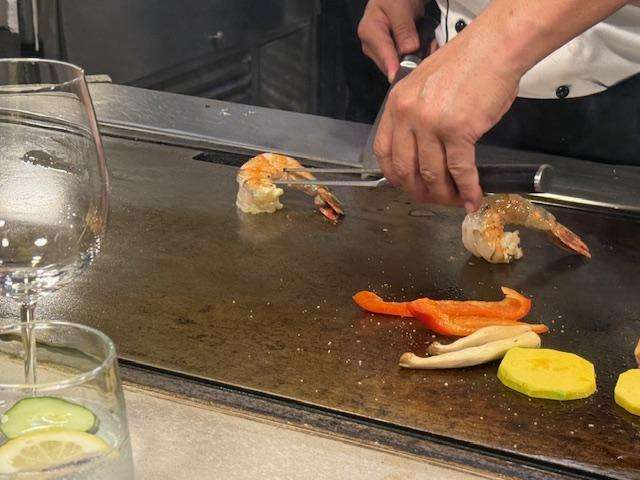
The restaurants on both islands were highly influenced by Japanese and Korean visitors. The Teppanyaki-based grilled food that we had for dinner was excellent.

Mariana Islands: Saipan Vacations and Guam Unique Differences
While there is a lot of cultural similarity between these two islands, there are actually quite a few differences. We spent three nights on Saipan and explored many of the WWII memorial places, but only one overnight layover on Guam. The economic aspects of the two islands couldn’t be more different.
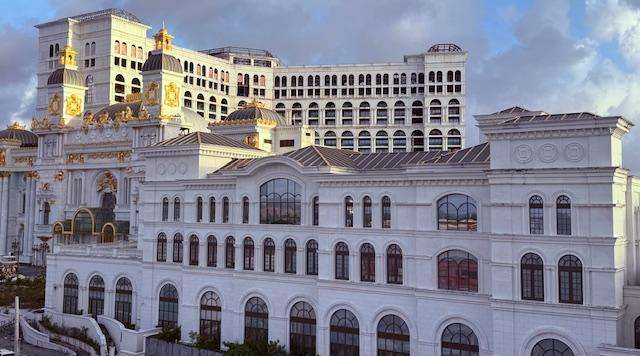
Given the large US Military presence on Guam, the economy on the southernmost of the Mariana Islands was actually quite strong. However, the opposite was clearly observed on Saipan, a Northern Island, where many stores and the streets of the capital, Garapan, were virtually empty at all hours of the day. The poor economy of Saipan was best represented by the bankrupt casino monstrosity that closed during the Covid pandemic, not reopened, and was never completely finished.
Saipan Vacations and Guam Unique Political Status
In addition to the economic difference between the two islands, the political arrangements with the United States are also somewhat different. Guam is an unincorporated territory of the United States, meaning it is directly governed by U.S. federal laws. Saipan, on the other hand, is the largest island and capital of the Commonwealth of the Northern Mariana Islands (CNMI), which has a degree of self-governance while still being a territory and maintaining a political union with the U.S.
Mariana Islands War Memorials
Saipan has several war memorials that honor those who fought and died during World War II, particularly in the Battle of Saipan. Here are two significant sites:
Mariana Islands American Memorial Park
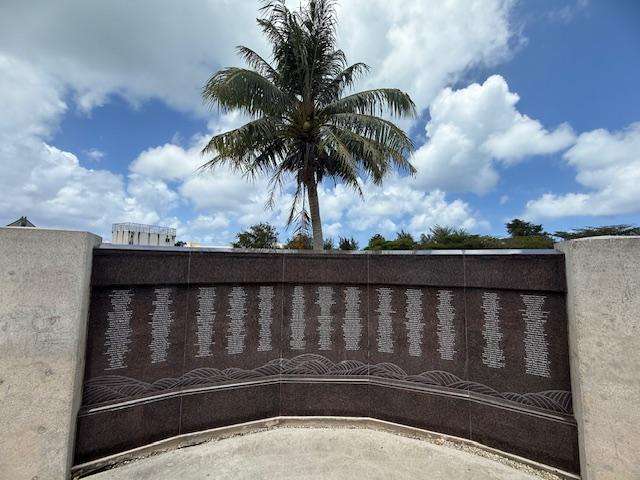
This park commemorates the American and Marianas people who lost their lives during the Marianas Campaign. It features a memorial inscribed with 5,204 names, a visitor center with exhibits about the battles of Saipan, Tinian, and the Philippine Sea, and a film titled An Island Called Saipan available in multiple languages.
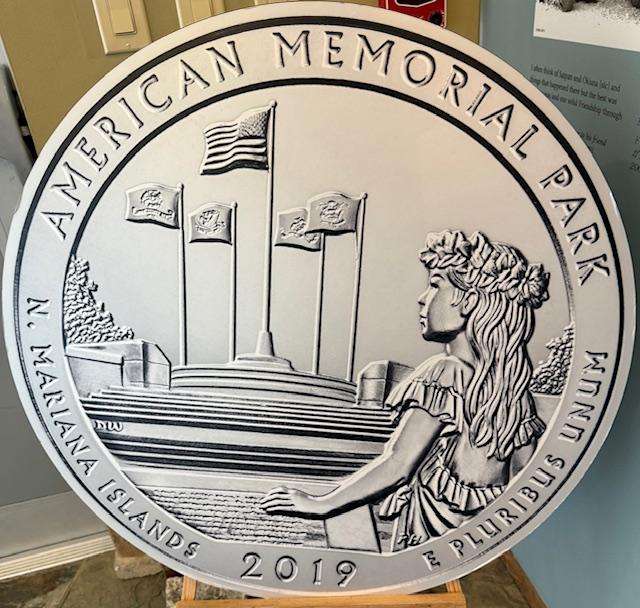
A visit to the American Memorial Park is very moving. There is a memorial to honor the American Soldiers who died in the Battle of Saipan, as well as other battles around the Philippine’s Sea.
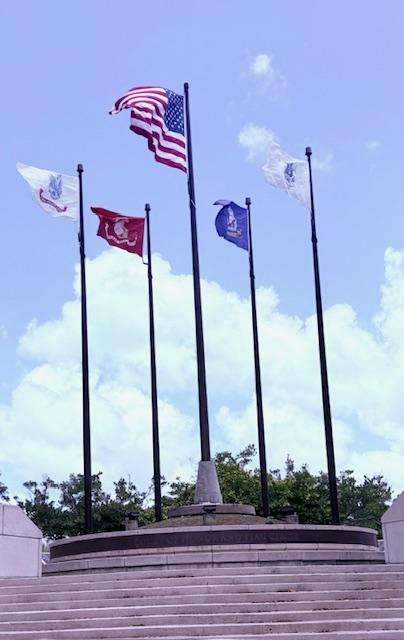
The memorial also honors the Marianas People who died in WWII. It is also quite impressive.
Mariana Islands Saipan Memorial
Located near Tanapag Harbor, this memorial honors the 24,000 American Marines and soldiers who were killed or wounded in the battles to recapture Saipan, Tinian, and Guam between June 15 and August 11, 1944. The site includes a 12-foot rose granite obelisk and a 20-foot tower enclosing a carillon. We didn’t visit the Saipan Memorial during our stay on Saipan. However, given that the memorial was built by the people of Saipan, it is definitely worth a visit.
Saipan’s Indigenous Chamorro and Carolinian People
Saipan is home to both Chamorro and Carolinian people. They are separate ethnic groups, each with distinct cultural identities and histories.
Chamorros People
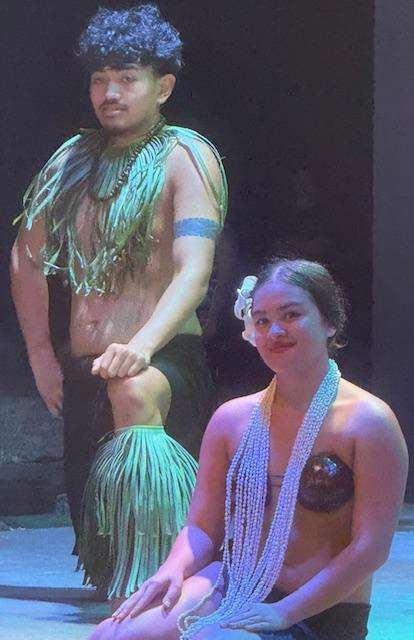
The Chamorros are the indigenous people of the Mariana Islands, including Saipan. Their ancestry traces back thousands of years to early Austronesian settlers. Chamorro culture is deeply rooted in traditions such as storytelling, dance, and the use of latte stones—ancient pillars that served as foundations for homes. Over centuries, Spanish, Japanese, and American influences have shaped their language, customs, and way of life.
Carolinian People
The Carolinians, also known as Refaluwasch, migrated to Saipan from the Caroline Islands in the 19th century. Their arrival was prompted by typhoons that devastated their homeland. Carolinians have a strong seafaring tradition and maintain their own language, which is distinct from Chamorro. Their society traditionally follows a matriarchal structure, and they have preserved many of their customs despite outside influences.
Similarities and Differences
The Chamorros and Carolinian peoples are both indigenous groups of the Mariana Islands, but they have distinct origins and cultural backgrounds.
Origins & Language
- Chamorros are native to the Mariana Islands, including Guam and the Northern Mariana Islands. Their language, Chamorro, is part of the Malayo-Polynesian language family.
- Carolinians originally came from the Caroline Islands (now part of Micronesia) and migrated to the Northern Mariana Islands, particularly Saipan, in the 19th century. They speak Carolinian, a Micronesian language.
Cultural Connections
Despite their different origins, the two groups have interacted for centuries, sharing traditions and customs. Both cultures emphasize strong family ties, respect for elders, and a deep connection to their land and heritage. Over time, Carolinians and Chamorros have intermarried, leading to a blending of traditions in the Northern Mariana Islands.
Historical Interactions
- Pre-European Contact: Archaeological evidence suggests early Carolinian-Chamorro interactions, including shared tools and artifacts.
- Spanish Era: Chamorros fleeing Spanish rule sometimes sought refuge in the Caroline Islands, while Carolinians voyaged to the Marianas.
- Modern Day: Today, both groups coexist in the Northern Mariana Islands, with Carolinians maintaining their seafaring traditions and Chamorros preserving their agricultural and fishing heritage
Mariana Islands: Maintaining the Cultures
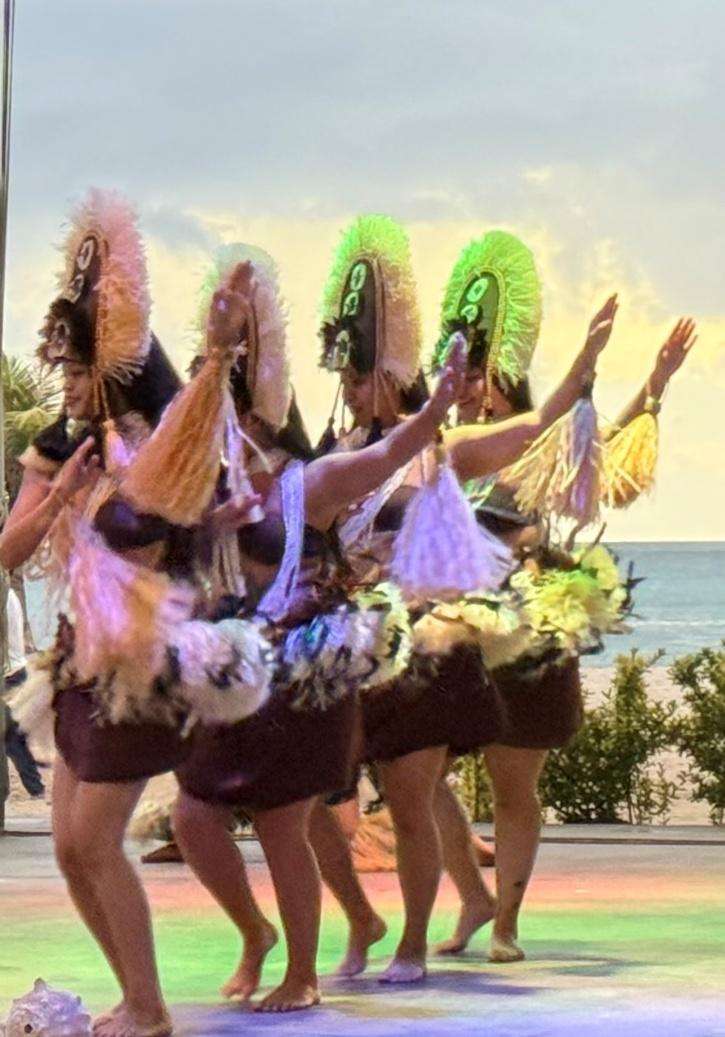
Like other Polynesian people, traditional dances are a large part of the how both of their cultures are being maintained
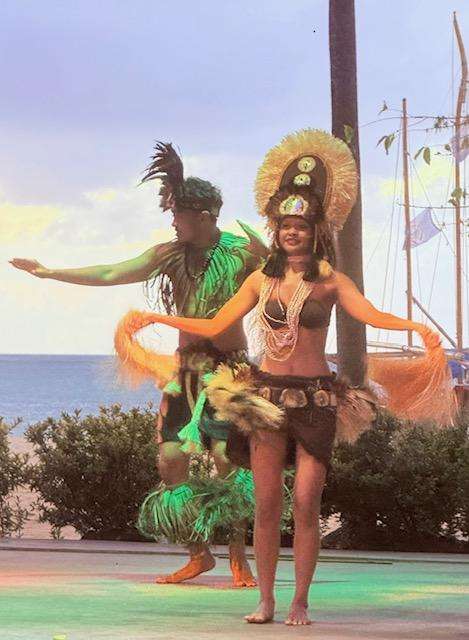
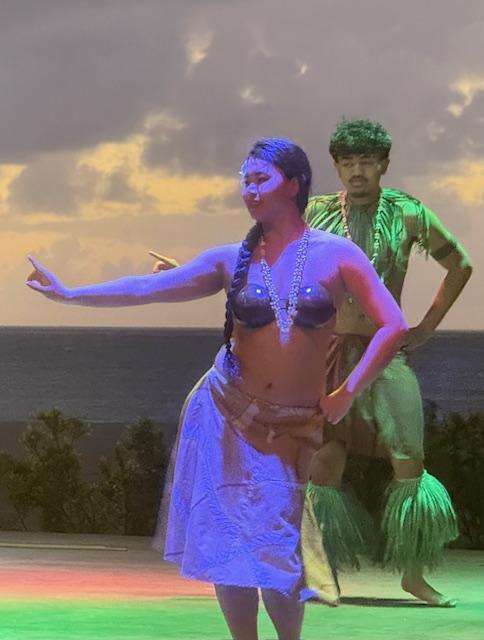
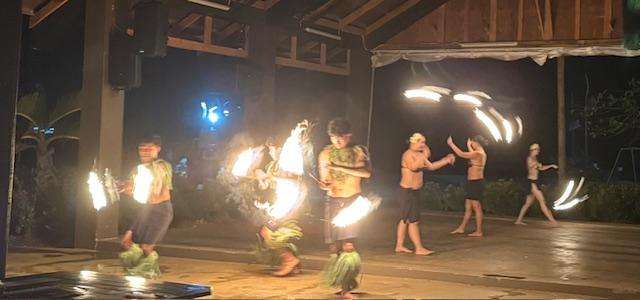
A Polynesian Dance performance is never complete without the fire dancers.
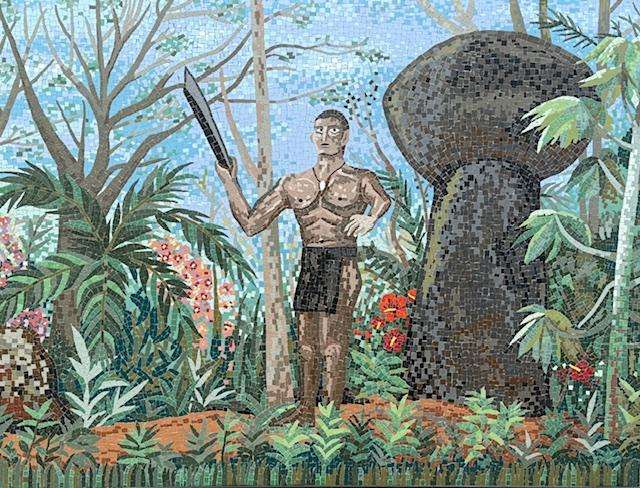
Guam Art Work
Another way that we observed how the Chamorro and Carolinian cultures are being preserved is the various art work murals that we found around the island.

Guam’s Military Presence
Guam plays a pivotal role in U.S. military strategy, especially in the Indo-Pacific region. Its proximity to Asia makes it a critical outpost for power projection, particularly amid rising tensions in areas like the South China Sea and Taiwan Strait.
The island hosts key facilities such as Andersen Air Force Base and Naval Base Guam, supporting operations with long-range bombers, nuclear submarines, and other assets. Additionally, the U.S. government is relocating five thousand Marines from Okinawa, Japan, to Guam as part of a long-term agreement with Japan to reduce the American military footprint on Okinawa. This move is part of a 2012 agreement between the two nations, aiming to ease the burden on Okinawa’s residents, who have long expressed concerns about noise, pollution, and military-related incidents.
Guam’s economy is heavily influenced by its military presence, sparking debates about its benefits and challenges. On one hand, the military contributes significantly to the local economy through job creation, infrastructure development, and federal funding. For instance, the ongoing construction of Marine Corps Base Camp Blaz and upgrades to Andersen Air Force Base and Naval Base Guam have generated employment opportunities and boosted local businesses.
However, critics argue that this reliance on military spending creates economic dependency, limiting diversification and resilience. Concerns also arise about the environmental impact of military activities and the strain on local resources and infrastructure.
In any case, when comparing the economies of the two islands, there is little question that the strong military presence on Guam is clearly helping the economy of that island, versus the difficult economy of Saipan. The GDP of Guam is approximately $7 Billion while it is only $1 Billion in Saipan.
0 Comments