

After visiting Las Vegas, one of the best ways to enjoy the natural wonders of the Western United States is to take a Las Vegas to Utah National Parks Road Trip. Of all the road trips we have ever taken (see our Road Trips Post), this trip had some of the most spectacular rock formations we have ever seen. The scenic viewpoints offer impressive views.
You may find that five days isn’t enough time to truly enjoy Utah’s Big Five national parks and the other national monuments in this beautiful state. Therefore, this post will also offer a 7-day Itinerary of Utah National Parks.
Contents
- 1 Utah National Parks Road Trip
- 2 Road Trip: Utah National Parks 5-Day Itinerary from Las Vegas
- 3 Las Vegas to St. George Utah National Parks – Day One and Day Two
- 4 Bryce Canyon National Park & Capitol Reef National Park– Day Three
- 5 Moab: Days Four and Five
- 6 2-day Moab Itinerary:
- 7 Alternative 7-Day Itinerary Utah National Parks
- 8 Alternative One-Way Path Through Southern Utah: Ends in Salt Lake City
- 9 Conclusion: Utah National Parks 5-Day Itinerary From Las Vegas
Utah National Parks Road Trip
While we love the Park City area for skiing, the true Utah lies in the southern part of the state. There you find some of America’s most spectacular national parks. In 2020, tired of being cooped up by the COVID pandemic, we undertook a National Parks tour nationwide. Leaving their home in Florida, we logged over 5000 miles as we toured national parks from Mount Rushmore and Yellowstone to the Grand Canyon.
We started our Utah National Parks Road Trip Itinerary in Moab and visited Arches National Park and Canyonlands National Park. We then went west to Capitol Reef National Park and Bryce Canyon National Park. Finally, they headed South and down through the Grand Staircase-Escalante National Monument. This led to Zion National Park, the North Rim of the Grand Canyon, Monument Valley, Horseshoe Bend, and Lake Powell on the Border of Arizona and Utah, and finally to Las Vegas. Of all the national monuments and national and state parks we visited on this magnificent journey, the national parks in Southern Utah were our favorites.
Road Trip: Utah National Parks 5-Day Itinerary from Las Vegas
Assuming you are starting your journey to Southern Utah from Las Vegas, you will want to visit Utah’s National Parks in reverse order from Robin and Cos’s path. This post will provide you with a 5-Day Itinerary from Las Vegas with two options: returning to Las Vegas or continuing north to Salt Lake City. Please enjoy the journey.
Las Vegas to St. George Utah National Parks – Day One and Day Two
We recommend staying in St. George Utah National Parks for your first day and second day in Southern Utah. It is a short, less than two-hour drive from Las Vegas, simply following I-15. St. George and Moab, which you will visit at the end of the five-day itinerary, are the two largest cities you will experience on your trip. So, we suggest you stay in these two cities to get good lodging accommodations. Also, the people who manage this website are based in St. George, so we plan to stay there during our next Utah National Parks Road Trip.

St. George Utah National Parks: Zion National Park
St. George is a 30-minute drive on I-15 to Zion National Park, a must-visit. The Visitor Center, where you must stop to visit Zion, is just off the highway. Here are some of the fun things to do at Zion:
Zion National Park at a Glance
- Located in southwestern Utah, Zion is famous for its towering sandstone cliffs, slot canyons, and dramatic desert landscapes.
- The park spans 229 square miles, with elevations ranging from 3,666 to 8,726 feet, creating diverse ecosystems from desert to coniferous forest.
- Its crown jewel is Zion Canyon, carved over millions of years by the North Fork of the Virgin River.
The Virgin River: Nature’s Sculptor
- This 162-mile-long river flows through Utah, Arizona, and Nevada, eventually feeding into the Colorado River.
- In Zion, the North Fork of the Virgin River is the star—it carved out the iconic Zion Canyon and continues to shape the landscape today.
- It was designated Utah’s first Wild and Scenic River in 2009, recognizing its ecological and recreational value.
The Virgin River winds through some of Zion’s most iconic landscapes, and there are several unforgettable spots where you can see—and even walk through—it:
Canyon Junction Bridge
- Best for: Iconic sunset photos
- Why go: Offers a postcard-perfect view of the Virgin River with The Watchman peak in the background. It’s especially stunning at golden hour.
- Tip: Arrive early—photographers love this spot.
Riverside Walk
- Best for: Easy riverside strolls
- Why go: This paved trail follows the Virgin River from the Temple of Sinawava to the mouth of The Narrows.
- Tip: Great for families or anyone wanting a peaceful walk with river access.
The Narrows
- Best for: Immersive river hiking
- Why go: You literally hike in the Virgin River, surrounded by towering canyon walls up to 1,000 feet high.
- Tip: Rent water shoes and a walking stick in Springdale. Always check flash flood warnings before entering.

Zion Lodge Lawn
- Best for: Relaxing riverside views
- Why go: Sit under cottonwood trees and watch the river flow by. It’s a peaceful spot for a picnic or a break between hikes.
Cos and Robin stayed at Zion Lodge during their first visit to Zion. It is convenient. However, if you visit during peak season, Zion can get very crowded, and the lodging and restaurant options are limited. Getting dinner reservations was difficult. Cos and Robin ordered room service, which was their only option. If you plan on visiting, get reservations in advance. We suggest staying in St. George as a better logistical base.
As you can see, there is much to do in the St. George/Zion area; therefore, we suggest a two-day visit. One option for your second day is to take a side trip to the North Rim of the Grand Canyon in Arizona. It is a good two-hour forty-minute drive, so start early in the day if you decide to go. If this is day two of the itinerary, return to St. George after visiting the Grand Canyon; otherwise, if this is day three, head north to Bryce Canyon National Park.
Bryce Canyon National Park & Capitol Reef National Park– Day Three
Bryce Canyon is a two-hour drive from St. George, primarily up I-15. Bryce Canyon City has limited lodging options, so we recommend you book early and plan to stay at the Best Western Plus Bryce Canyon Grand Hotel. It is the highest-rated hotel in the small city of Bryce Canyon. If you are ambitious, you can visit Capitol Reef National Park the same day and stay in Torrey, Utah, instead of Bryce Canyon City. Both cities have limited lodging options, so planning based on your desired timing at Bryce Canyon is best.
Bryce Canyon National Park
Bryce Canyon feels like another planet, but it’s in southern Utah. There is much to do. For the best views of the Canyon, we recommend that you visit either early in the day for the sunrise effect, or late in the day for the sunset effect. In either case, here is why you need to visit:
Otherworldly Hoodoos
- Bryce Canyon boasts the largest concentration of hoodoos (those tall, spindly rock spires) in the world.
- These formations glow in shades of red, orange, and pink, especially at sunrise and sunset, creating a surreal landscape you won’t find anywhere else.

Unforgettable Hiking
- Trails like Navajo Loop, Queens Garden, and the Peekaboo Loop let you walk through the hoodoos, not just view them from above.
- Whether you want a short stroll or a half-day adventure, there’s a trail for every level.
Stargazing Paradise
- As a certified Dark Sky Park, Bryce offers some of the clearest night skies in the U.S.
- On a moonless night, you can see the Milky Way stretch from horizon to horizon.
Iconic Viewpoints
- Spots like Sunrise Point, Sunset Point, and Bryce Point offer jaw-dropping views of the amphitheater.
- The Canyon Junction Bridge is a favorite for photographers, especially at golden hour.
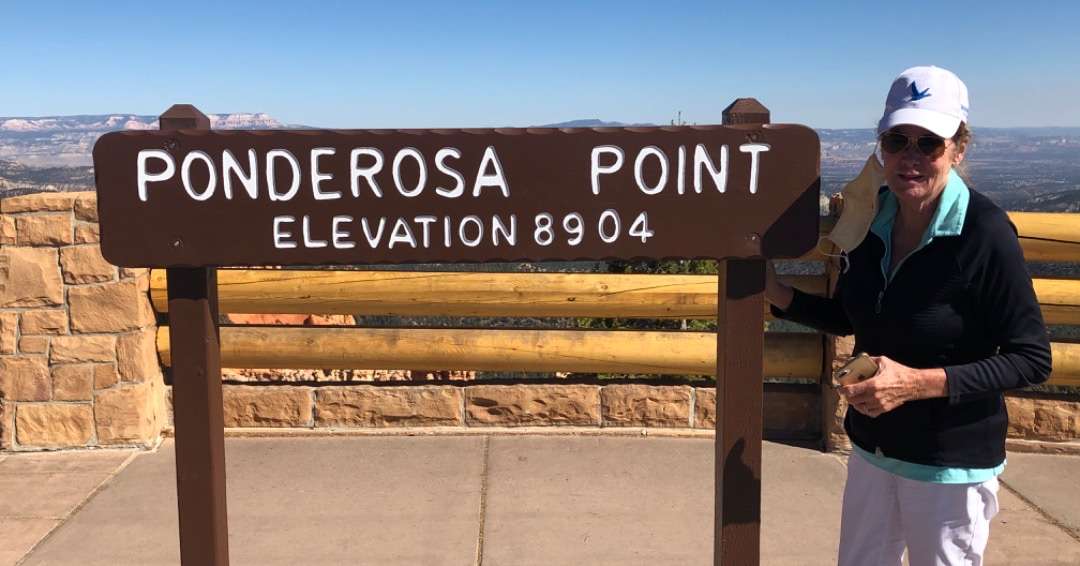
- Cos and Robin’s favorite place is Ponderosa Point.
Wildlife & Solitude
- Despite its popularity, Bryce feels more peaceful than other national parks.
- You might spot mule deer, prairie dogs, or peregrine falcons while exploring.
Geology & Culture
- The park’s rock layers tell a story 60 million years in the making.
- The Paiute people believed the hoodoos were ancient beings turned to stone—a legend that adds a mystical layer to the landscape.
It’s not just a park—it’s a place that stirs your imagination.
Capitol Reef National Park
Capitol Reef National Park is a two-hour drive from Bryce Canyon. If you are staying in Torrey, Utah, we recommend visiting it at the end of day three. If you stayed the third night in Bryce Canyon, then on the morning of day four, visit Capitol Reef on your way to Moab. In either case, as the least visited of Utah’s Big-5 National Parks, a trip to Capitol Reef National Park will be less crowded and more peaceful than the four other parks. Should you decide to do some serious hiking in either Bryce Canyon or Capitol Reef, then it is best to plan on staying two days in either town and adjust your time in Moab.


Capitol Reef National Park is one of Utah’s best-kept secrets—fewer crowds than its Mighty Five siblings, but every bit as spectacular. Here’s why it deserves a spot on your itinerary:
Geological Wonder: The Waterpocket Fold
- Capitol Reef is centered around a 100-mile-long wrinkle in the Earth’s crust called the Waterpocket Fold—a stunning uplift of colorful cliffs, domes, and canyons.
- It’s like walking through a natural history museum sculpted in stone.
Epic Hiking Without the Crowds
- Trails like Hickman Bridge, Capitol Gorge, and Cassidy Arch offer jaw-dropping views with far fewer people than Zion or Arches.
- You can explore slot canyons, natural bridges, and petroglyphs in peaceful solitude.
Dark Sky Sanctuary
- Capitol Reef is one of the best places in the U.S. for stargazing—its remote location means minimal light pollution and dazzling night skies.
- Don’t miss the Heritage Starfest in nearby Bicknell each September.
Historic Fruita Orchards
- The park’s Fruita District is a lush oasis with over 3,000 fruit trees planted by 19th-century Mormon settlers.
- Visitors can pick apples, peaches, and cherries in season—free if you eat them on-site!
Rich Cultural History
- Explore preserved pioneer structures like the Gifford House and one-room schoolhouse, or see ancient Fremont petroglyphs etched into canyon walls.
Scenic Drives & Backcountry Adventures
- The Scenic Drive offers 8 miles of jaw-dropping views through the heart of the park.
- For the adventurous, Cathedral Valley and Burr Trail offer remote, off-the-grid exploration.
Capitol Reef is where red rock drama meets quiet reflection. It’s perfect for travelers who want the beauty of Utah’s national parks, without the bumper-to-bumper trail traffic.
Moab: Days Four and Five
Moab is Utah’s ultimate adventure basecamp—where red rock dreams, adrenaline rushes, and star-filled skies collide. Here’s why it’s a must-visit:
Gateway to Two Iconic National Parks
- Arches National Park: Just 5 miles from town, it’s home to over 2,000 natural stone arches, including the legendary Delicate Arch and Landscape Arch.
- Canyonlands National Park: Vast, rugged, and divided into districts like Island in the Sky and The Needles, it offers jaw-dropping canyon views and remote backcountry trails.
Outdoor Playground for All Levels
- Mountain biking: Ride the world-famous Slickrock Trail or explore scenic routes like Dead Horse Point.
- Hiking: From easy strolls to technical scrambles, Moab’s trails wind through fins, arches, and canyons.
- Rock climbing, canyoneering, and off-roading: The terrain is a natural obstacle course for thrill-seekers.
Dead Horse Point State Park
- A short drive from Moab, this park offers epic sunrise views over a dramatic gooseneck bend in the Colorado River—less crowded than nearby Mesa Arch but just as stunning.
Dinosaur Tracks & Ancient Petroglyphs
- Moab’s prehistoric side shines with dinosaur track sites, rock art panels, and museums that bring the region’s deep history to life.
Stargazing & Solitude
- With minimal light pollution, Moab is a dark sky haven. Bring a blanket and look up—you might just catch the Milky Way stretching across the desert sky.
Colorado River Adventures
- Kayaking, paddleboarding, or rafting the Colorado River offers a refreshing contrast to the red rock heat—and unforgettable canyon views from the water.
Whether you’re chasing arches, carving slickrock, or soaking in the silence of the desert, Moab delivers. We recommend planning a 2- or 3-day itinerary that hits the highlights without the crowds?
2-day Moab Itinerary:
Day 1: Canyonlands + Dead Horse Point + Moab Vibes
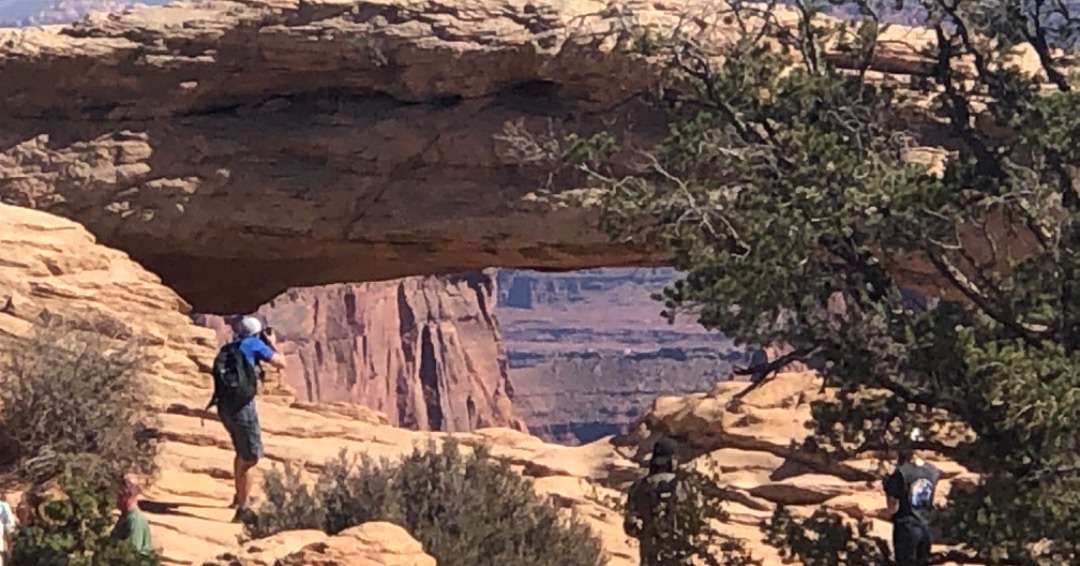
Sunrise at Mesa Arch (Canyonlands National Park)
- Short hike, epic payoff—watch the sun light up the arch and canyon below.
Scenic Drive: Island in the Sky District
- Stop at Grand View Point, Green River Overlook, and Shafer Canyon Viewpoint.
- Optional: Drive the Shafer Trail (4WD only) for jaw-dropping switchbacks.
Dead Horse Point State Park
- Just outside Canyonlands—less crowded, equally stunning.
- Great for a picnic or golden hour photos.
Evening in Moab
- Dinner at Desert Bistro (upscale) or Moab Brewery (casual).
- Optional: Stargazing or a sunset hike to Corona Arch.
Day 2: Arches National Park + Adventure Time
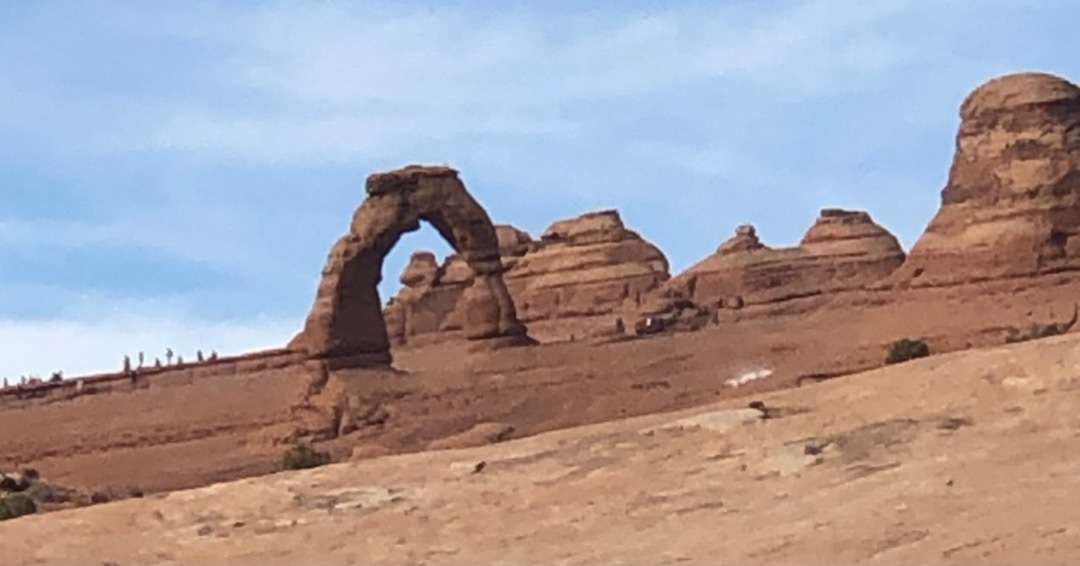
Sunrise at Delicate Arch
- Iconic hike—3 miles round trip. Go early to beat the heat and crowds.
Explore More Arches


- Landscape Arch (easy hike)
- Double Arch and The Windows (great photo ops)
- Balanced Rock (quick stop)
Optional Afternoon Adventures
- Off-roading at Hell’s Revenge
- Rafting or paddleboarding on the Colorado River
- Mountain biking on the Slickrock Trail
Dinner + Wind Down
- Try 98 Center for Asian-fusion or Zax for pizza and rooftop views.
Tips for a Smooth Trip
- Timed entry is required for Arches (April–October), unless you enter before 7 AM.
- Bring 1 gallon of water per person daily, sunscreen, and sturdy shoes.
- Consider the America the Beautiful Pass if visiting multiple national parks.
Alternative 7-Day Itinerary Utah National Parks
Okay, we recognize that if you plan on hiking seriously and not just driving through the Big-5, you probably can’t finish this all in five days. We also need to let you know that we prefer better accommodations, and staying in Bryce Canyon City or Torrey is not typical of the places we like to stay, so we only recommended one day stay in either city. If you are more comfortable than we are in roughing it a little, we recommend extending your time there and perhaps staying two or three days or a third night in Moab, making this a “7-day itinerary Utah National Parks.”
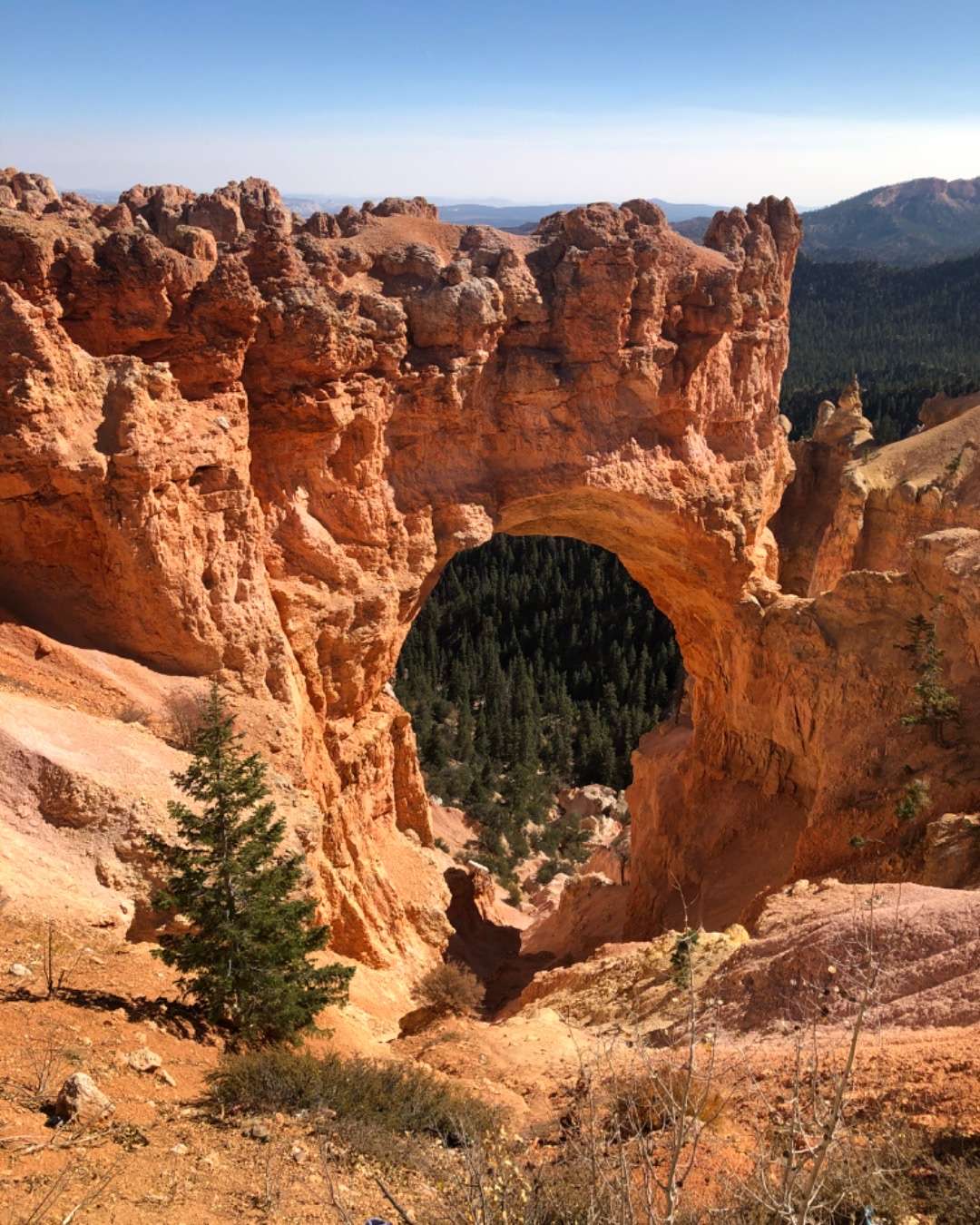
Also, the path that we mapped out going from St. George to Moab will not take you through the Grand Staircase–Escalante National Monument, which is a vast, rugged, and wildly beautiful expanse in southern Utah—perfect for travelers who crave solitude, scenery, and a sense of discovery. It covers nearly 1.9 million acres, making it larger than the state of Delaware. It was the first national monument managed by the Bureau of Land Management, and it showcases a “staircase” of colorful cliffs, plateaus, and canyons that reveal hundreds of millions of years of the Earth’s history. Here is a picture from the Natural Bridges national Monument which you can visit on the way to the Escalante Canyons.
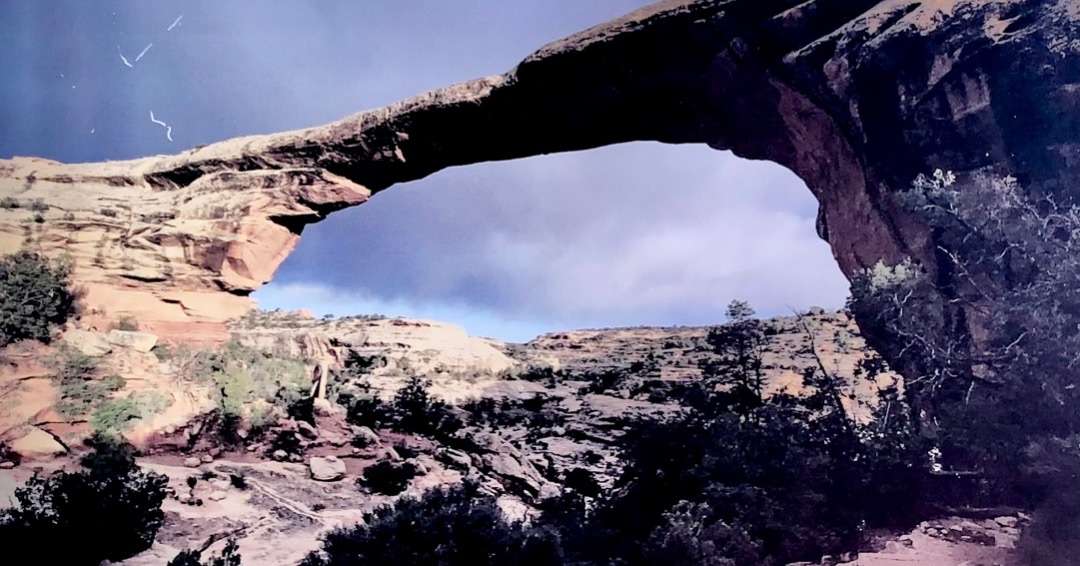
There are three distinct regions:
- Grand Staircase: Layered cliffs and mesas stretching from Bryce Canyon toward the Kaibab Plateau
- Kaiparowits Plateau: Remote, high-elevation wilderness with rich fossil beds
- Escalante Canyons: Home to slot canyons, natural arches, and the Escalante River
You can drive through the Grand Staircase-Escalante on Scenic Byway 12 on your way back to Las Vegas, or you can plan a one-day road trip loop from either Capitol Reef or Bryce Canyon. In either case, we recommend making time to see the Grand Staircase-Escalante; it will be something you will remember for the rest of your life.
Alternative One-Way Path Through Southern Utah: Ends in Salt Lake City
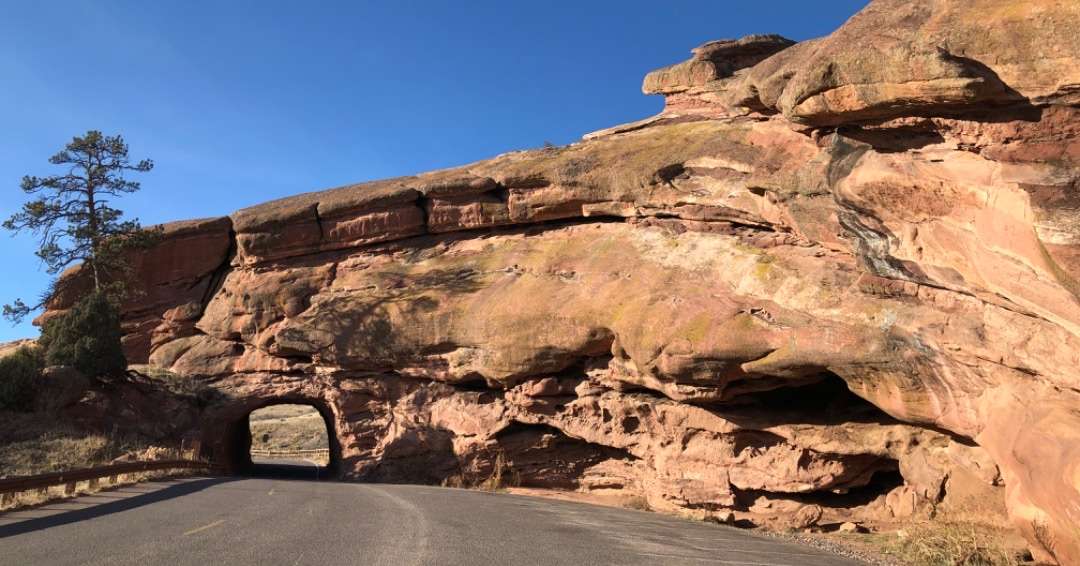
Another option while on your Utah National Parks 5-Day Itinerary from Las Vegas, rather than returning to Las Vegas, is to continue traveling from Moab up to Salt Lake City. Flights from Salt Lake City are plentiful, like from Las Vegas, and while there, you might want to visit our favorite place in Utah: Park City. Check out our posts about Park City:
Salt Lake City
Salt Lake City is the Capital and largest city in Utah. Roughly 50% of the population are members of the Church of Jesus Christ of the Latter-day Saints (i.e., Mormons). This dates back to the city’s founding by Brigham Young in 1847. The Mormon Tabernacle, located on Tabernacle Square, is an impressive building with remarkable acoustics. The Tabernacle Choir has performed there for over 100 years. On our recent 2025 visit to Park City, we took the 30-minute drive down to Salt Lake City to hear the Tabernacle Choir. It was wonderful.
Conclusion: Utah National Parks 5-Day Itinerary From Las Vegas
Taking a Utah National Parks Road Trip is a once in a lifetime experience that everyone should do. Whether you do a Utah National Parks 5-Day Itinerary from Las Vegas, or a 7-day Itinerary Utah National Parks Trip, you will remember it the rest of your life. However, many of these parks are in great demand and access is sometimes limited or only by reservation. Zion has reserved buses and the Arches was very difficult to get a reservation. Both parks are very crowded. But, they are gorgeous. If you plan on visiting, get reservations in advance. You can get reservations at Zion’s permit page or at Arches National Park Timed Entry.
.
0 Comments