

The Big Question, asked by many travel enthusiasts: Are you a traveler vs tourist? Funny, it is still quite the debate, check out Reddit. The debate about Traveler vs Tourist is not very important. What is important, and we will highlight in this post, is the pleasure of travel when you learn to become a “Meaningful traveler.”
The writer, John Norwich wrote in his book, “A Taste for Travel (1985),” “that as it has become easier to travel, the harder it is to be a traveller.” He blames Thomas Cook for creating travel tours that took all the adventure of traveling out of the fun of traveling, and making it harder to be a “Meaningful Traveler.” He says that by “swathing traveller in a protective cocoon of block bookings, and meal vouchers” starting in 1841, he insulated his clients as far as possible from the “uncouth conditions” of travel to foreign parts of the world. Well, if that was the case in 1841, it must still be an issue today.
Contents
Examples of Meaningful Travel
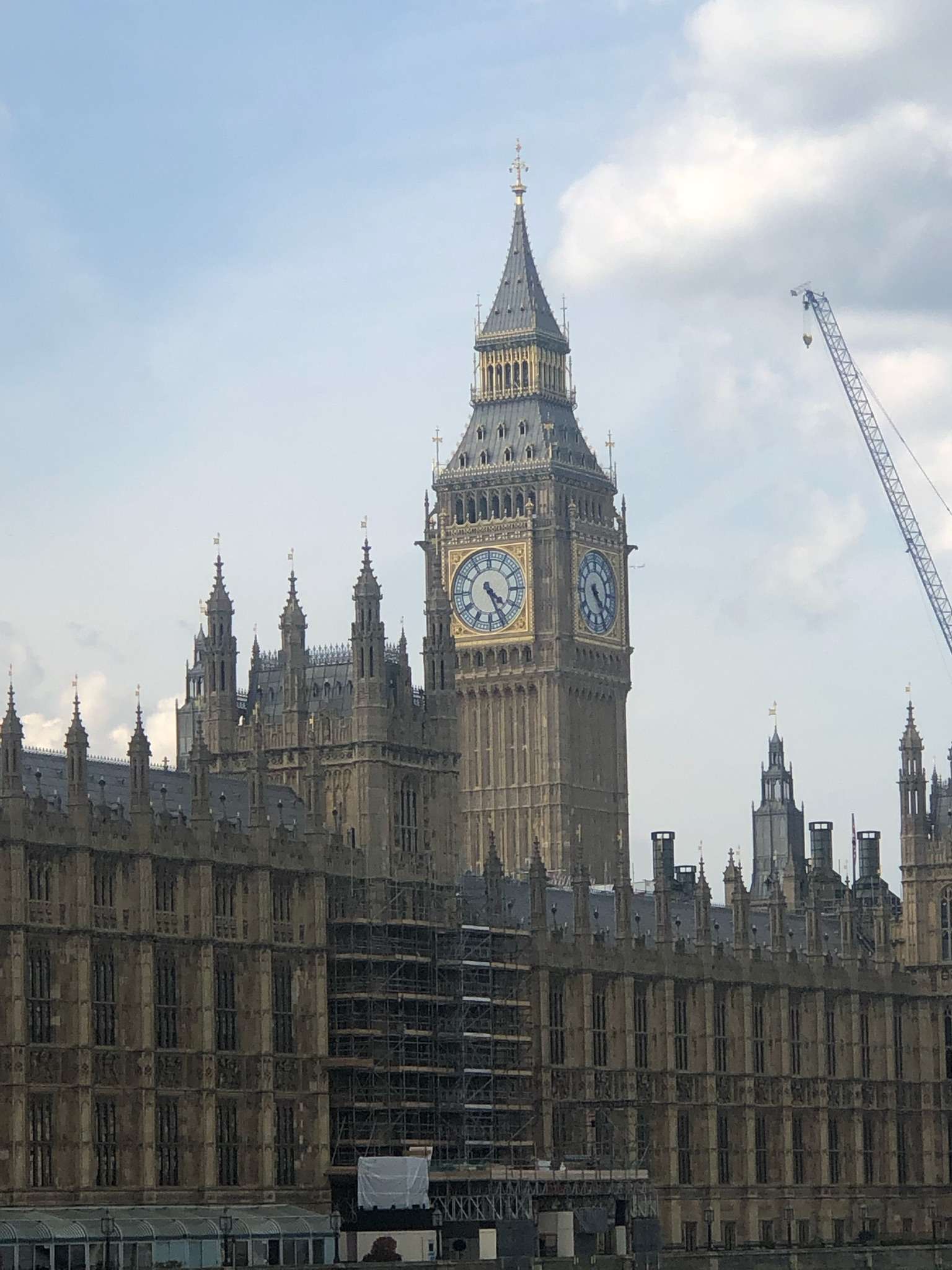
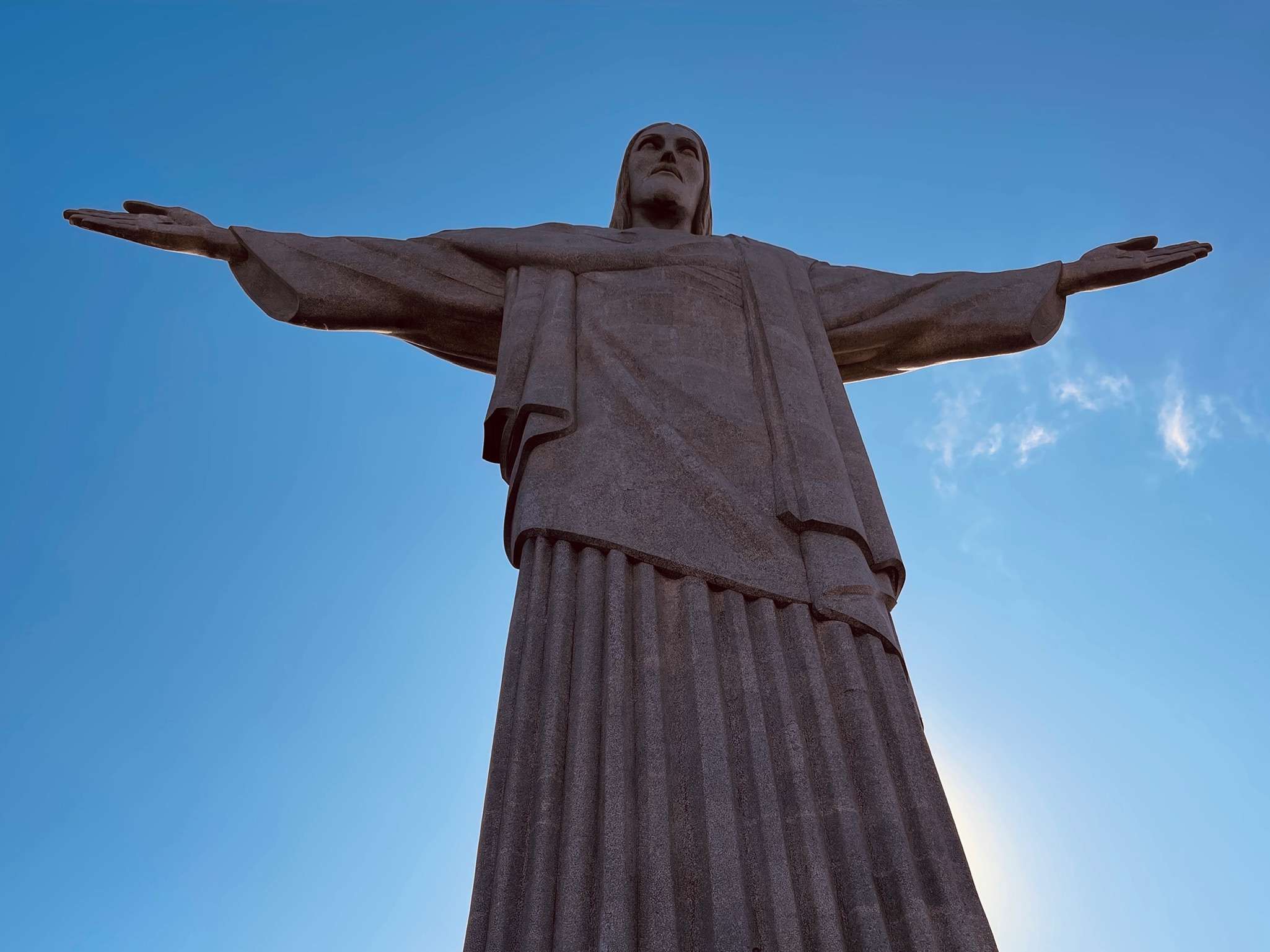
Unfortunately, this is a bigger tourist debate than it needs to be. We simply want to introduce the concept of “Meaningful Travel.” Perhaps we need to start with some definitions. But first, here are some quick pictures of our favorite travel destinations. We didn’t just take pictures of these places (Montmartre in Paris, Big Ben in London, a bagpiper at Half Moon Bay in California, and Christ the Redeemer in Rio de Janeiro, respectively).


What These Pictures Mean to Us
We did our best to understand the reason that these symbols exist and what they mean to the local people who see them everyday. For example, take the Christ the Redeemer Statue. It is enormous, and visible from just about anywhere in Rio. Christ the Redeemer in Rio was built as a highly visible symbol of faith, national identity, and unity—especially in a moment when Brazil’s Catholic leaders wanted to reaffirm religious presence in public life. Similar statues in other cities arise for many of the same reasons: spiritual symbolism, cultural pride, tourism, and the desire for a landmark that visually defines a place. Okay, one of the reasons is tourism. So, perhaps tourism isn’t a bad thing.
Traveler vs Tourist Definitions
Here are a few definitions that might help explain the difference between being a traveler vs tourist.
Tourist vs Traveler — The Difference in Spirit
A tourist tends to visit a place.
A traveler tends to experience it.
As business travelers, we were clearly not tourists, but our travel pattern did not meet the definition of a traveler. Perhaps some further definitions might help:
Tourist
A person who travels for short periods of time, usually no more than 2-4 weeks at a time. A tourist generally spends more money per day traveling, by taking tours, using more expensive forms of transportation, and staying in more expensive lodging.
Global Traveler
A global traveler is someone who travels for extended periods. They could be on a long sabbatical from their job, between jobs, or on a travel “gap year”. They might be a full-time “Travel Nomad.” This last category is becoming more common. More and more people are finding that they can have a job while being on the road full-time. Those advocating that you should not travel as a Tourist also relate their suggestion to the idea of “Travel Like a Local”. They believe that by being more like a local, you will meet more people and get to know them better. They think that they will also learn the local language and adopt the local culture.
Two additional concepts support the idea of being more of a traveler than a tourist. They are “Intentional Travel” and “Slow Travel”.
Intentional Travel
Intentional Travel is traveling with a purpose in mind and making conscious choices at every step of your trip. Cultural immersion is a big part of purposeful travel. It is one of the top objectives that we set when we travel.
What is Slow Travel?
What is Slow Travel? Slow travel is the call for travelers to spend more time in fewer places and move more intentionally from place to place. Similar to intentional travel. The concept rejects the idea of parachuting into major cities on a whirlwind tour; jetting from place to place with barely enough time to get a feel for one before you’re on to the next.
Good Examples of Meaningful Travelers
Andrew Zimmern and Anthony Bourdain are an two excellent examples of “meaningful travelers,” and they help illustrate the difference clearly:
Andrew Zimmern’s Core Philosophy
Zimmern often says food is the “gateway to understanding culture.” In other words: “You don’t eat it because you like it. You eat it to understand the people who make it.” That statement is the essence of a traveler’s mindset. Try local cuisines, a local glass of wine, and traditional food. You might even want to take a cooking class featuring local dishes.
Anthony Bourdain’s View
If you go by the Anthony Bourdain definition, he defines a tourist as an American who will only eat the same food that they eat at home. According to Bourdain, “A traveler is a person that makes the attempt to find how the locals live and eat.” He emphasizes gaining a deeper experience with the lives of others, and learning how they spend their everyday life. Seems they both agree on this difference between a traveler and a touris through their culinary habits. Perhaps it is because they both get paid to eat different foods, or they both really understood the power of travel.
Benjamin Disraeli’s View of Travel
However, perhaps a better example of a “Meaningful Traveler” was Benjamin Disraeli, the British Prime Minister who traveled back in the 19th‑century British when the “Sun never set on the British Empire,” and traveling from the United Kingdom wasn’t that easy. Some of his famous quotes are:
- “Travel teaches toleration”
- “Like all great travellers, I have seen more than I remember, and remember more than I have seen.”
- “Every moment is travel—if understood.”
In other words, his most famous lines emphasize how travel reshapes the mind and deepens understanding.
Rick Steves’ View of Meaningful Travel
Rick Steves, the author of over 40 books on travel in Europe, and famous for his travel shows on PBS, describes “meaningful travel” as travel that connects you with real people, challenges your assumptions, broadens your worldview, and replaces fear with understanding. As a travel influencer, his philosophy emphasizes cultural immersion, humility, and engaging with the world beyond tourist bubbles. Cos and Robin use his travel books extensively when traveling in Europe and Cos loves to highlight his collection of Rick Steves’ Travel guides.

Core Principles of Rick Steves’ “Meaningful Travel” include the following themes:
- Travel as a Tool for Connection
Steves argues that travel should put you face‑to‑face with reality, not behind a camera or inside a tour bus.
He writes that travel is “candid, honest… being in the moment,” and that “strangers are just friends we’ve yet to meet.” - Breaking Down Fear Through Understanding
He often says that the “flip side of fear is understanding,” and that travel helps dissolve ethnocentrism by exposing you to different ways of living.
Travel, in his view, teaches tolerance and reveals that “we all share the same world… and the same window of time.” - Cultural Engagement Over Consumption
Steves encourages travelers to avoid tourist traps and instead engage with locals, learn their stories, and understand their traditions.
He stresses that “any culture has much to share” and that travelers should “give a culture the benefit of your open mind.” - Slow, Immersive Travel
He advocates for “slow travel”—spending more time in fewer places to build genuine relationships and absorb local rhythms.
This approach deepens understanding and turns sightseeing into education. - Responsible, Sustainable Travel
Meaningful travel, for Steves, includes respecting local communities, supporting local economies, and minimizing environmental impact.
He frames responsible travel as a moral obligation for globally aware citizens. - Travel as Personal Growth
Steves believes travel “broadens perspectives and teaches new ways to measure quality of life.”
He describes travel as “intensified living” that challenges your comfort zone and reshapes your character.
In Short, for Rick Steves, meaningful travel is not about collecting sights—it’s about collecting insights. It’s a practice of curiosity, humility, and connection that makes you a more empathetic, informed, and engaged human being.
The Organization “Tourism Cares”
There is a lot of criticism these days that excessive tourism is not a good thing, and it is hurting the environment. Some cities like Venice and Amsterdam that can be negatively effected by large cruise vessels because of their high water levels and “global warming”, are working hard to demand sustainable tourism. The organization Tourism Cares, which Cos has joined as a professional member, is a principle supporter of the concepts, not only about meaningful travel experiences, but primarily about social responsibility for sustainable tourism. Through resources, education, and programming, they seek to create more meaningful travel experiences and positive social, environmental, and economic impact for communities around the globe. By engaging travel companies and professionals in meaningful travel, they seek to build an industry that benefits host communities, protects cultural and environmental assets, and inspires guests to travel in a deeper, more responsible way.
Our Recommendation
We travel whenever we can (essentially half the year) to truly get to know the culture of the places we visit through authentic experiences. We sometimes see a place briefly, usually when traveling on cruise ships or on a tour. In those cases, we feel like tourists, but if we are interested in the place, we try to come back and really get to know the people, the culture, and the history.
We have created three posts that hopefully demonstrate what we call “Meaningful Travel.” Here they are:
- Indigenous People
- Causes and Effects of War Essay: Impact on Tourism & the Local People
- Graffiti Art
In addition, if you want to learn statistically about where people are traveling these days please see our post on travel statistics.
Perhaps the best example of an authentic travel experience is when we first saw Albania and the Balkans from a cruise, and the following year decided to take a month-long, land-based tour to really get to know the Balkans, from Albania and all the western former Yugoslavia countries, including Kosovo. To this day, we remain deeply engaged in understanding the unique aspects of this place in the world and how it is still recovering from the breakup of Yugoslavia. In 2025, we revisited Croatia on its eastern side and spent three weeks in Serbia, Romania, and Bulgaria to better understand the Balkans from all angles. That is our definition of being a Global Traveler, and what we mean by “Meaningful Travel”.
While we are still able to do it, Robin and I are attempting to travel about half our time. We love to develop a travel itinerary with a range of experiences to a non-English speaking country, and learn new cultures. As retirees, we have had significant personal growth which we view as important to keep ourselves at the top of our game. This isn’t always easy to be conscious travelers. Since we are not true Digital Nomads and still own a condo back home, we face several challenges, such as how to manage our home when we are away. (See House Care While Away).
We plan to stay at least 5 days in each place we visit. We try to visit several places in a similar geographic area on each trip. In 2022, we traveled for three continuous months across Europe. We did the same in the Asia/Pacific region in 2023. In 2024, we returned to Europe to attend the Olympics in Paris. We also visited Greece on a tour that we previously purchased at an auction. We attempted to go to the Olympics in Tokyo in both 2020 and 2021. During COVID, we ended up with a large amount of travel credits. Therefore, we traveled from 2022 to 2025 using a number of our credits.
Tour Groups
If we are traveling in a tour group, we try to avoid large groups. Extensive guided tours can inconvenience local people who may be out doing their daily shopping or simply getting to work. In many tourist spots, walkways are narrow, and large tour groups can significantly limit local people’s ability to get around.
Budget Strategies
Our spending patterns are somewhere between tourist and traveler vs tourist. We often stay in timeshares, which cost us less than expensive hotels. They also provide a few more amenities than most vacation rentals, e.g., Airbnb-type accommodations. We only hire tour operators when necessary (see Our Favorite Tours). And we use travel loyalty points extensively, whenever it makes sense (see Budget Strategies).
When we take a cruise, we try to choose ones that spend a little longer in each port. We usually prefer cruises of at least 10 days. If booking an excursion, we often try to find our own tour. They are frequently less expensive and more interesting. However, when booking your own excursion, you do take on the risk of making sure you get back before the ship is scheduled to depart. Fortunately, no bad lessons were learned on this issue. We particularly like river cruises. We believe they do a better job of allowing you to really get to know a local area. See Our Favorite Cruise Lines for more information.
Conclusion
So, what difference does it make if you are a Tourist or a Global Traveler? None that we know of, but here are a few suggestions to enjoy the power of travel and become a true traveler and avoid being labeled an “Ugly American Tourist”.
- Learn some basic terms in the local language. English has become the standard language in most high-end travel destinations. Nevertheless, most people we have met appreciate our poor attempts to speak in their native tongue. Google Translate is an excellent tool for filling gaps in your foreign vocabulary. If you can say thank you in the local language, you will make a positive impact,
- Get out of your comfort zone, explore new places and new experiences, and understand local customs. This is particularly important when traveling in areas without a European Heritage. Particularly in Asia, Africa, and the Middle East, because of different cultures, this is important. There is a fundamental difference in how people treat one another in these different parts of the world. We have published about our experiences in Europe, South America, and Asia. Please see our Destinations page. We have also published travel blogs on educational topics, including “Indigenous People” and “Impacts of War.”
- Try to avoid using “selfie sticks” or posing for excessive Instagram photo shoots. These actions say “Tourist”. In most situations, other people probably want to take the same picture. If you are blocking their ability to get a good photo, you are not making any friends. In addition to annoying the other people waiting to take a picture, you are certainly showing a lack of concern for them.
- The important thing is to act as if you are in your friend’s parents’ house. Be on your best behavior. Clean up after yourself. Mind your manners. Listen when spoken to and apologize if you do not understand. Treat local people and fellow travelers with respect.
- Discuss your travel experiences with friends and people you met on your travels, but avoid adopting a travel snobbery attitude. A little bit of humility will help you be a good traveler,
0 Comments